Featured

YOSEMITE NATIONAL PARK “There can be nothing in the world more beautiful than Yosemite.” ~ Theodore Roosevelt

Hello my fellow travelers! It’s been several months since my last post and it’s time to get caught up on my travels.  My last adventures had us traveling through Europe which personally, I can not get enough of and hope to go back soon. As reality would have it, it was back to the states where my next travels would continue and consisted of various visits domestically. Going through my photos, I had different trips to start with, and you will see them all soon. However, I thought what better way to start my posts back home than to share about one of my all-time favorites, Yosemite National Park. 
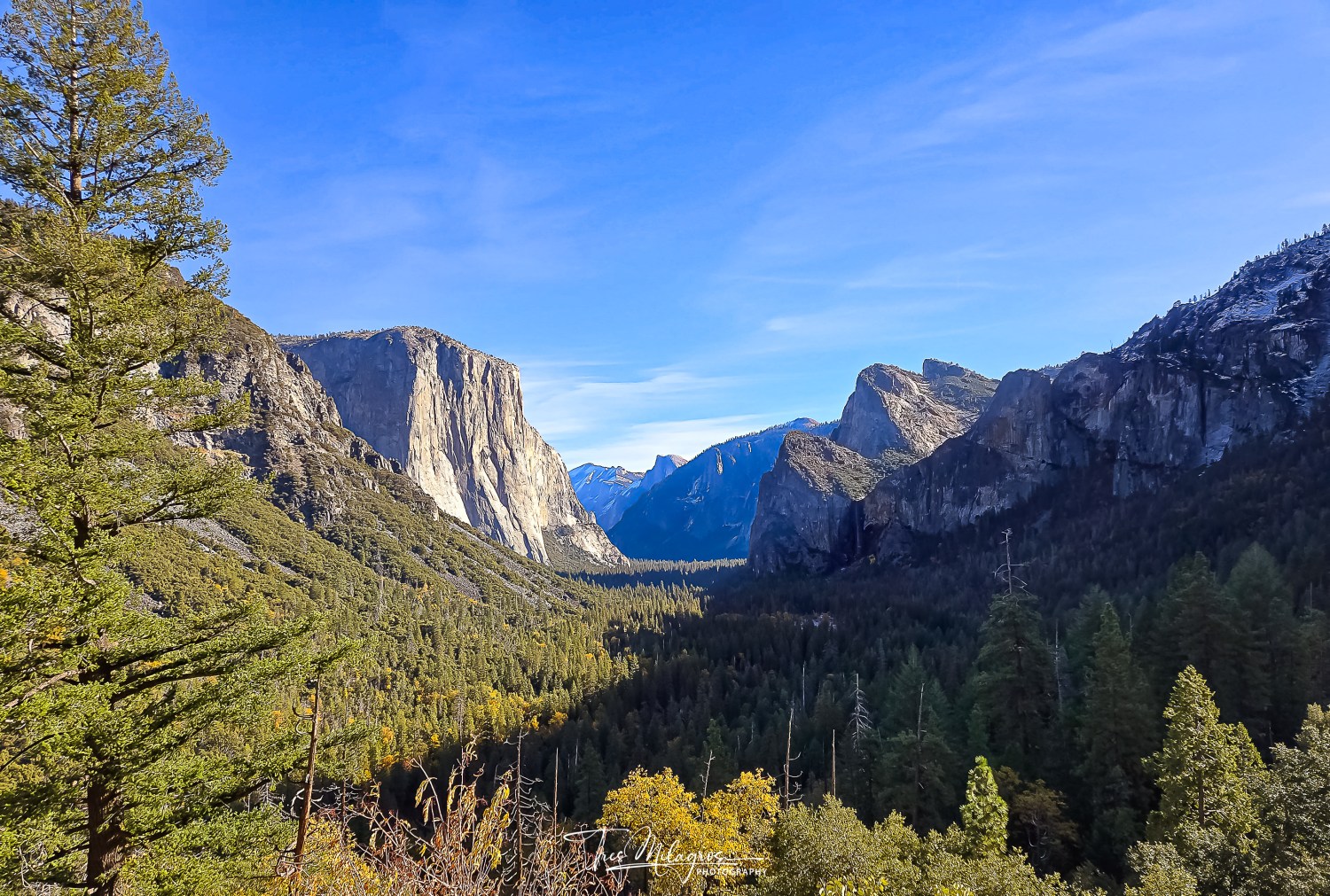
Situated in the central part of California’s Sierra Nevada mountain range, Yosemite National Park is one of America’s most well known and awe-inspiring places to visit. Spanning over 1,169 square miles, 95% of its landscape is designated wilderness and provides diverse ecosystems which include ancestral sequoia groves, cascading waterfalls and granite cliffs, which climbers come from around the world to scale. 

Yosemite was the third National Park added to the park system in 1890 and played a significant role in the American Conservation Movement. President Theodore Roosevelt and John Muir were strong advocates for the preservation of America’s wilderness and Yosemite was on the top of their list. And for good reason. 

Managed by the National Park Service, Yosemite is open year round for visitors to experience and enjoy its diverse seasons. Previously, I had visited the park in the Spring, Summer and Winter seasons and was amazed by the beauty of the park. However, as a photographer, my curiosity peaked when I saw photos showing late Fall season colors and the beauty in which the park transitioned to winter. And that was it. I had to experience this and headed off to Yosemite in mid November to capture and witness this spectacle.

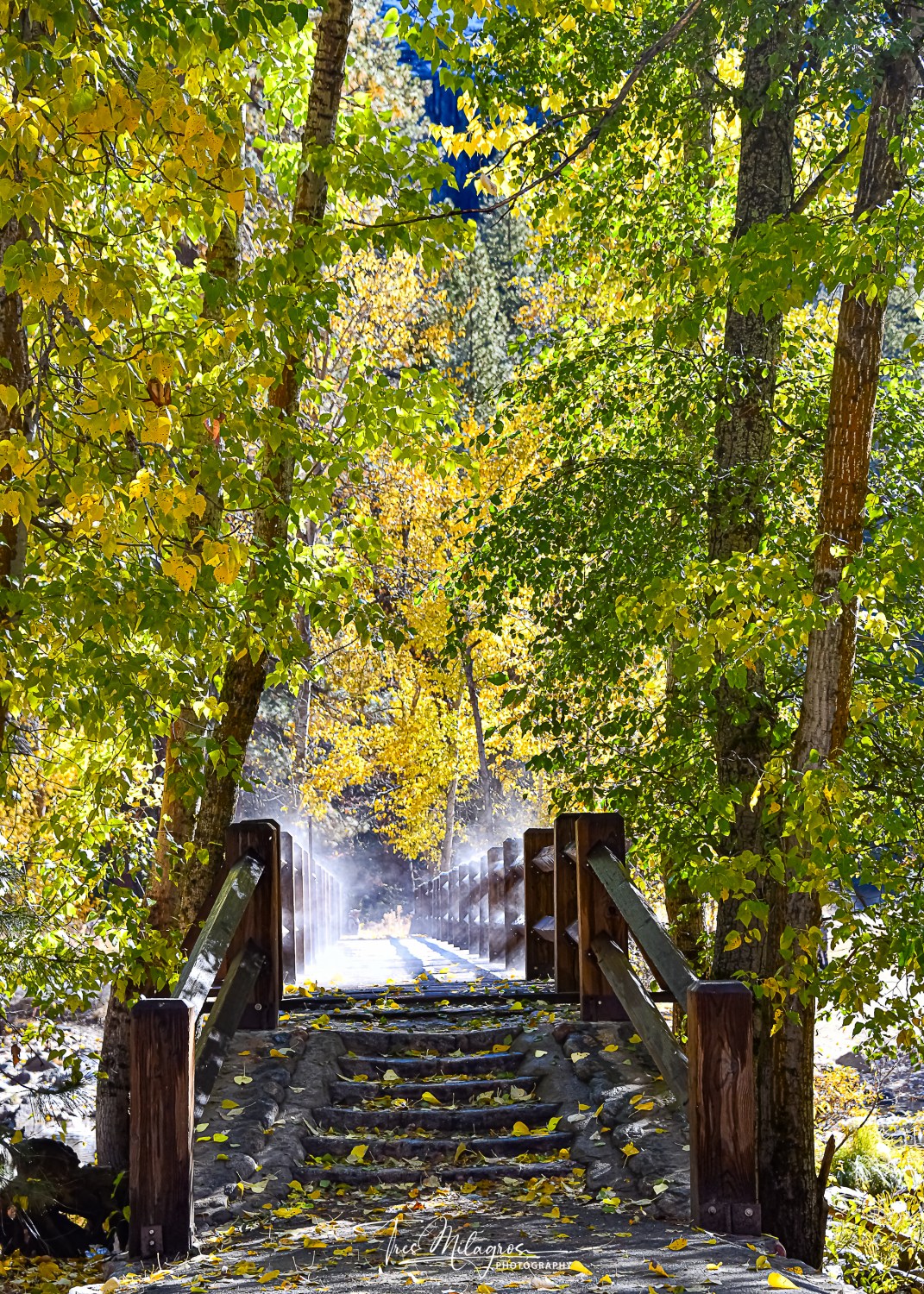
One of the most important things I have experienced when traveling in nature is that the weather can change very quickly and this trip was no exception. Coming in from the South entrance via Oakhurst, the climate changed halfway down into the valley from light rain to snow in less than one hour and soon we were waiting for the snowplow to clear the road for all the motorist. While this was a minor inconvenience, the photographer in me was excited to think that I would have the opportunity to photograph both Fall colors and snow together. The next morning out, all of the colors were out in full display. Vibrant colors of yellows, oranges, reds contrasted against the recent snowfall and it was striking.
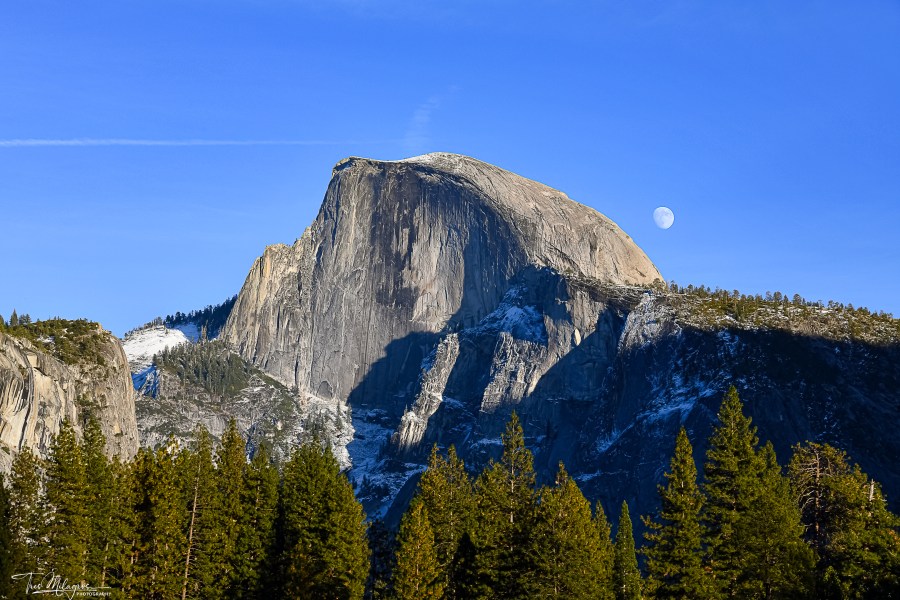
As I continued hiking across the valley floor, I was mesmerized by autumn’s final display as winter began to make her presence known. The presence of Half Dome with its snowcap peaks provided a majestic backdrop against the valley floor and showed the contrast between the two season.

Yosemite offers so much to see and learn about and it can be overwhelming with limited time. My goal was to experience as much as possible in a short period, so I contracted with a photography guide to show me the highlights and teach me about the park. I met my guide Courtney, an established photographer, from the Ansel Adams gallery, and off began our four hour tour/hike through the Yosemite Valley floor. I have utilized guides in the past and it is a great way to get a good feel and history of the area you are visiting and this was no exception.
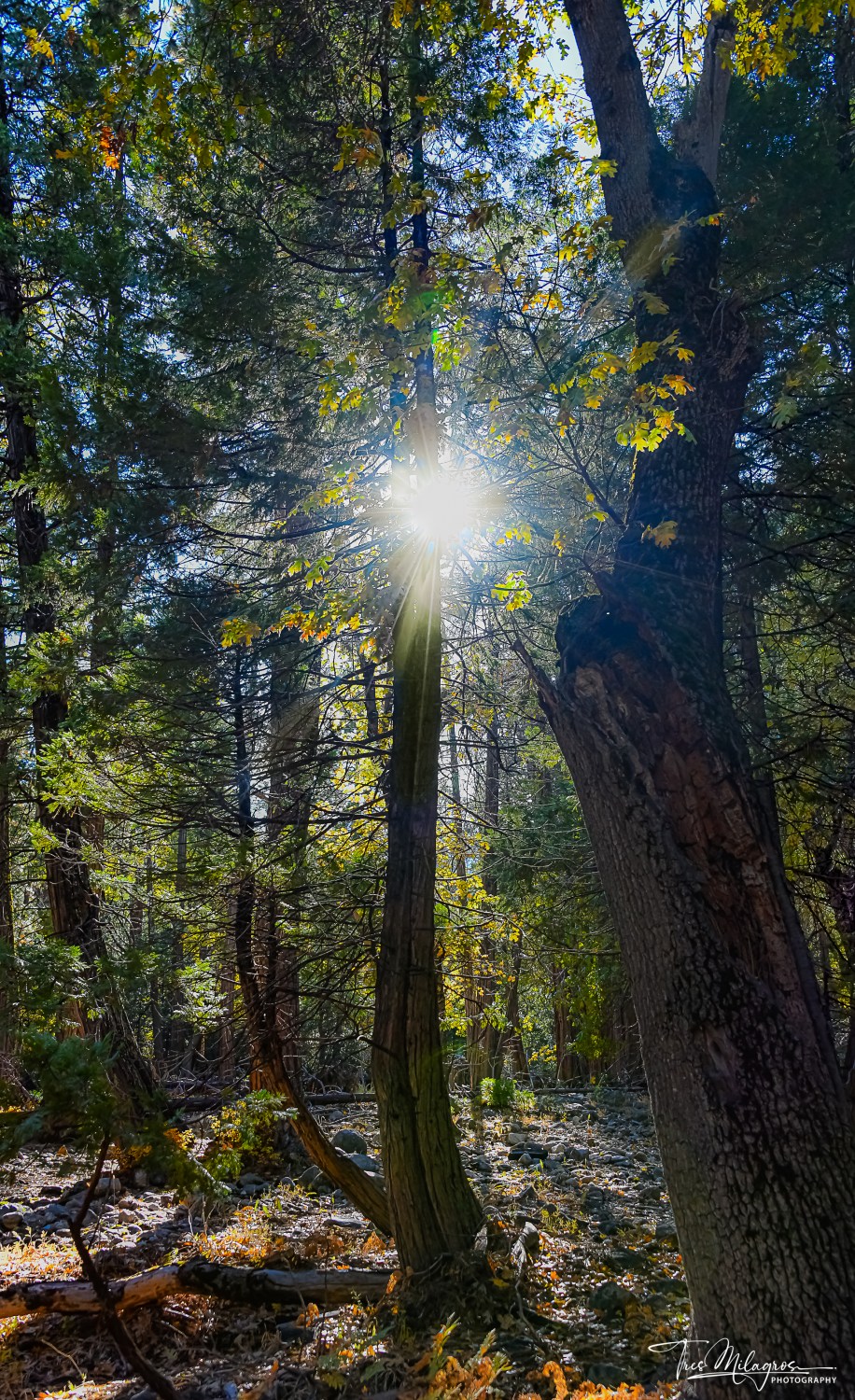
Hiking off the beaten path is a great way to get a sense of nature and is best done when you are either with a guide who knows it well or if you are very familiar with the area. Doing so with my guide, we had many opportunities to photograph, listen to the “quiet” of the valley floor and stay away from the traffic of other visitors.

As we made our way through the floor of the valley, we came across a variety of tree species and other foliage, all of which were beautiful. But when I saw this unique and very different appendage coming out of this tree, I asked my guide Courtney, “what in the world is that?”. He shared with me that it was a mushroom. And with that began my lesson on fungi.

Now when I think of a mushroom, I envision an umbrella like shaped plant supported by a cylindrical stem. I quickly learned there was so much more to fungi. You see, not only was Courtney, my guide, an accomplished photographer, but he was an expert on fungi. How lucky was I to have a knowledgeable guide that knew Yosemite and fungi.

This beautifully unique appendage growing on the side of tree looked more like a decorative piece of cork but was in fact a fungi know as “Chicken of the Woods”. Often this and other fungi’s are forged from the forrest and used in cooking as a substitute in dishes and can be sautéed, fried, grilled, baked or even used in soups. Who knew?!
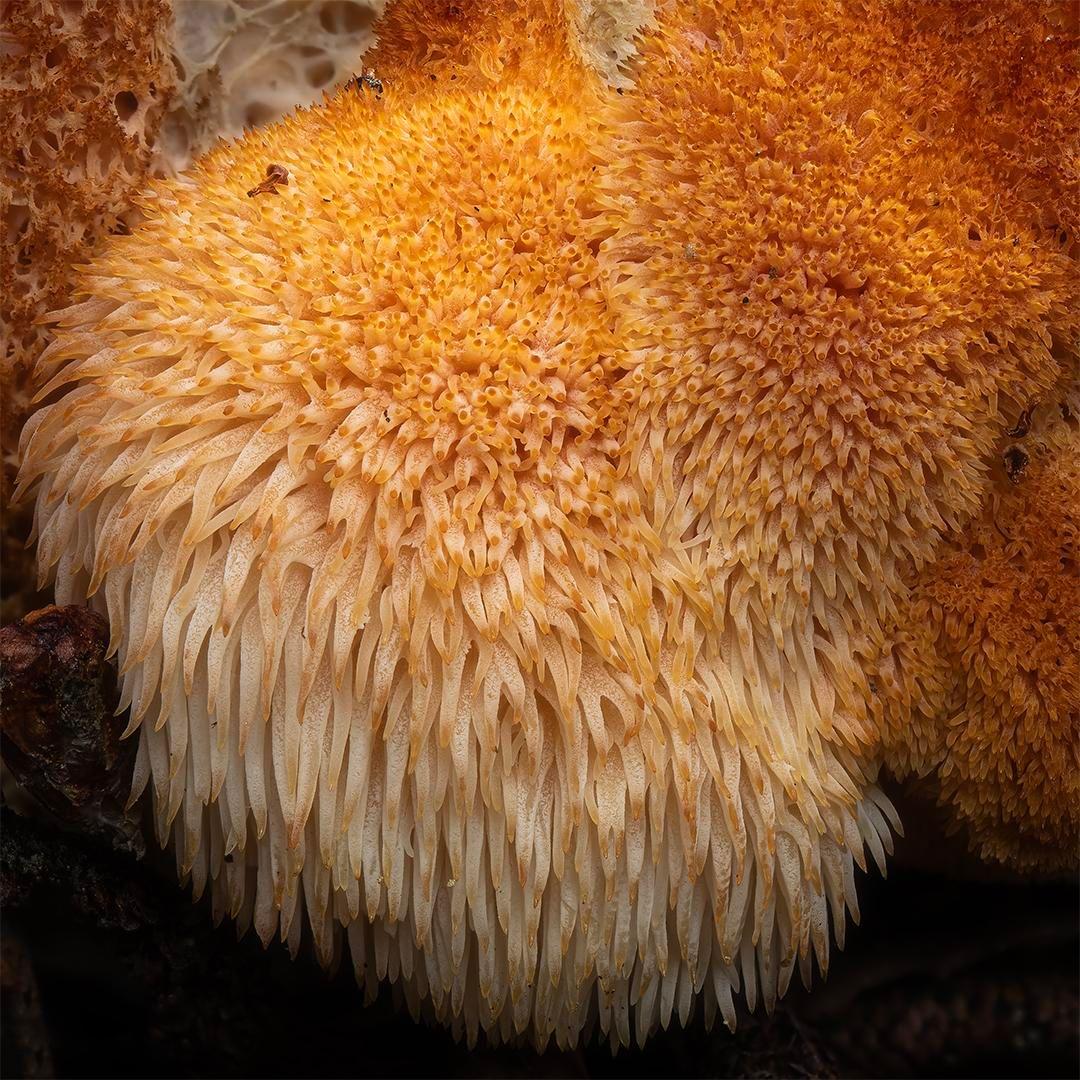
As we continued our hiked we came across other species of fungi and each time Courtney shared some background about them. One that made a lasting impression on me was a fungi call “Lion’s Mane”. Resembling something from a coral reef, this pretty little fungi was seen around the valley floors. It seemed to be a popular find as we encountered several of these specimens cut in half or with very little of it left. With its soft, bread-like texture, Lion’s Mane appears to be a favorite amongst foragers for cooking, but, like other fungi’s, has a history of being used for eastern medicinal purposes too.

This hike was turning out to be not only scenic but also educational, offering insight into the diverse life forms that make up the Yosemite ecosystem. As we moved through the forest, we encountered two iconic residents of Yosemite Valley: a mother bear and her cub. With winter just weeks away, they wandered casually through the grasslands, foraging for food in preparation for hibernation. Hoping to capture a photo, I paused to observe them. While the mother bear remained focused on her search for food, her curious cub briefly wandered off and stopped when he noticed me. As he watched me for a few moments, I could imagine him thinking, “Well I know I belong here but who are you?” It was the perfect moment to capture the image of this little cub.

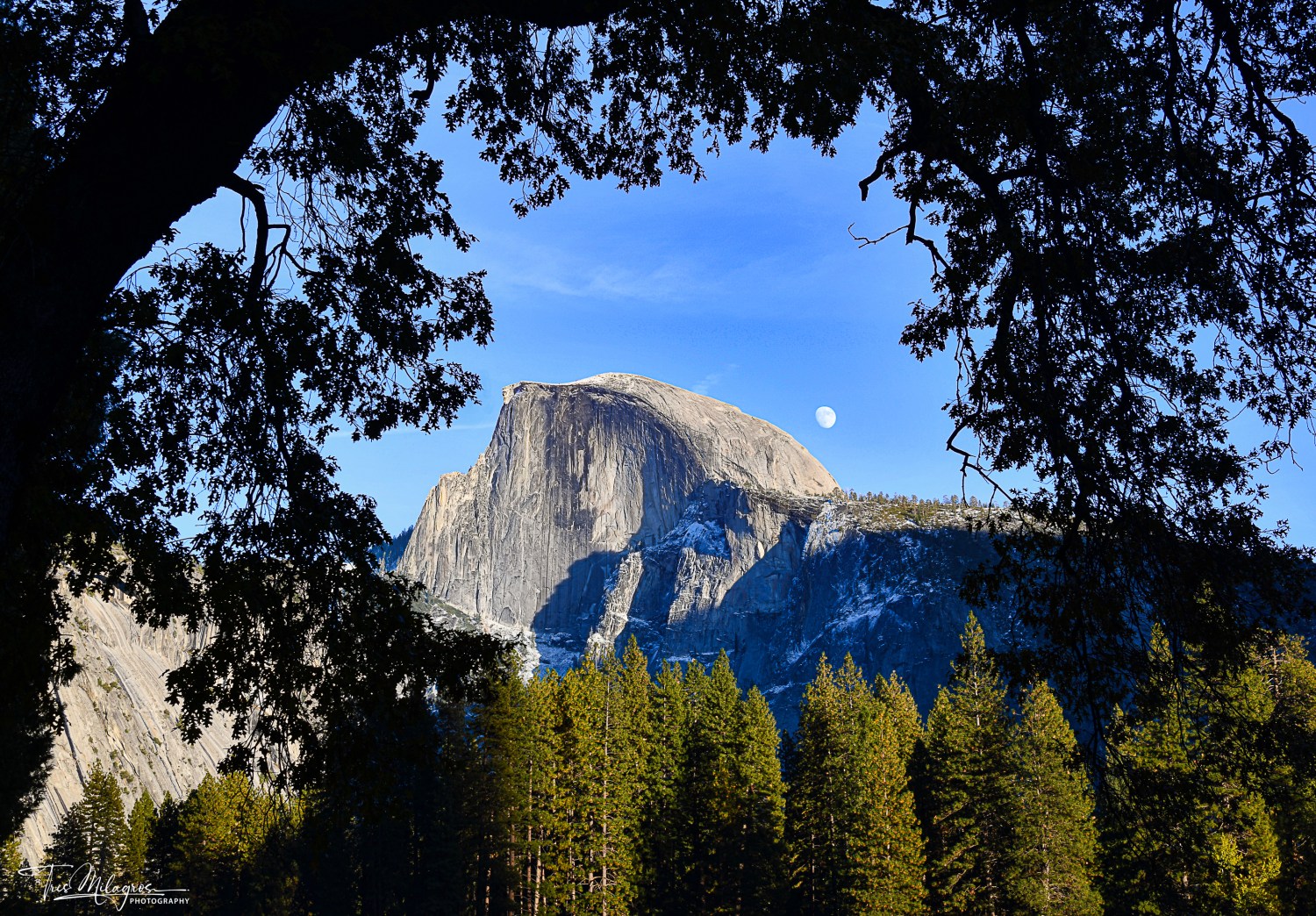
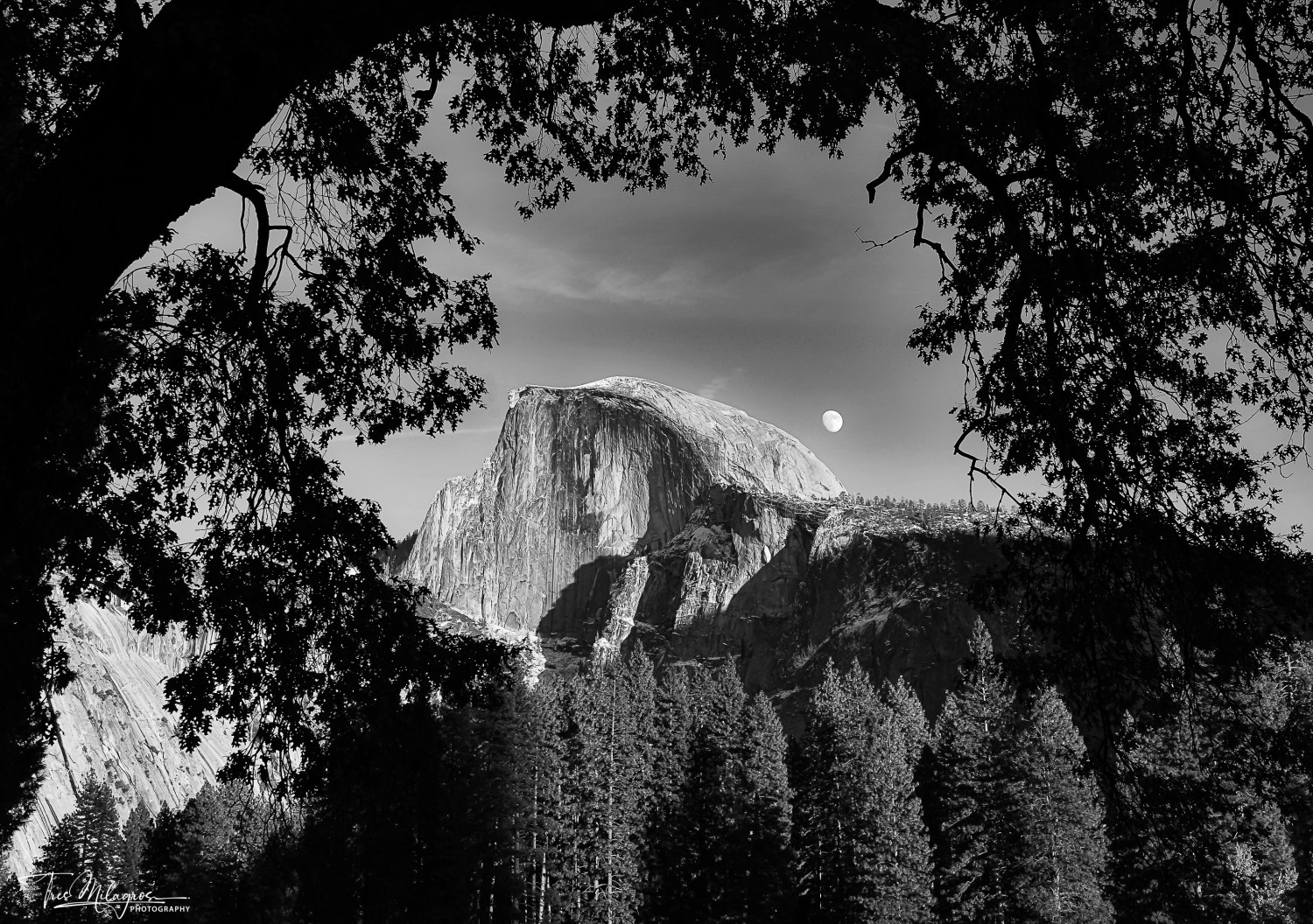
Within Yosemite, there are many scenic locations to photograph from. The season, lighting and time of day along with the photographers view and interpretation all guarantee that no two photographs will be the same. On this particular trip, I wanted to capture different views of Half Dome and started with the view from Sentinel Bridge. Located on the Eastern side of the valley, this location is famous for its spectacular views of Half Dome and its reflection in the Merced River. It was early evening, and the “Golden Hour,” as photographers call it, was at hand. As I began to photograph, I could see the different hues in the sky and colors of the trees, and the composition was quickly changing. My initial photographs captured Half Dome and its reflection in the river. However, as sunset took place, I soon noticed that the moon was graciously making its way into this sequence and very quickly, this scene had evolved into a tranquil photograph of Half Dome, its reflection in the Merced River and moon in the sunset sky.

The sunlight was quickly changing and so we moved to a different location a short distance away. By now the moon’s appearance was more pronounced and the shadows were bringing out the various textures and layers of Half Dome. It was stunning to see how this new perspective of Half Dome was developing so quickly. The previous days snow on Half Dome was a reminder that the seasons were changing and that Winter would soon envelope the valley. Not a bad way to end the day. My “Thanks” to Courtney Risdon for a great tour and you can read about his fungi adventures on Instagram @sayhitofungi.
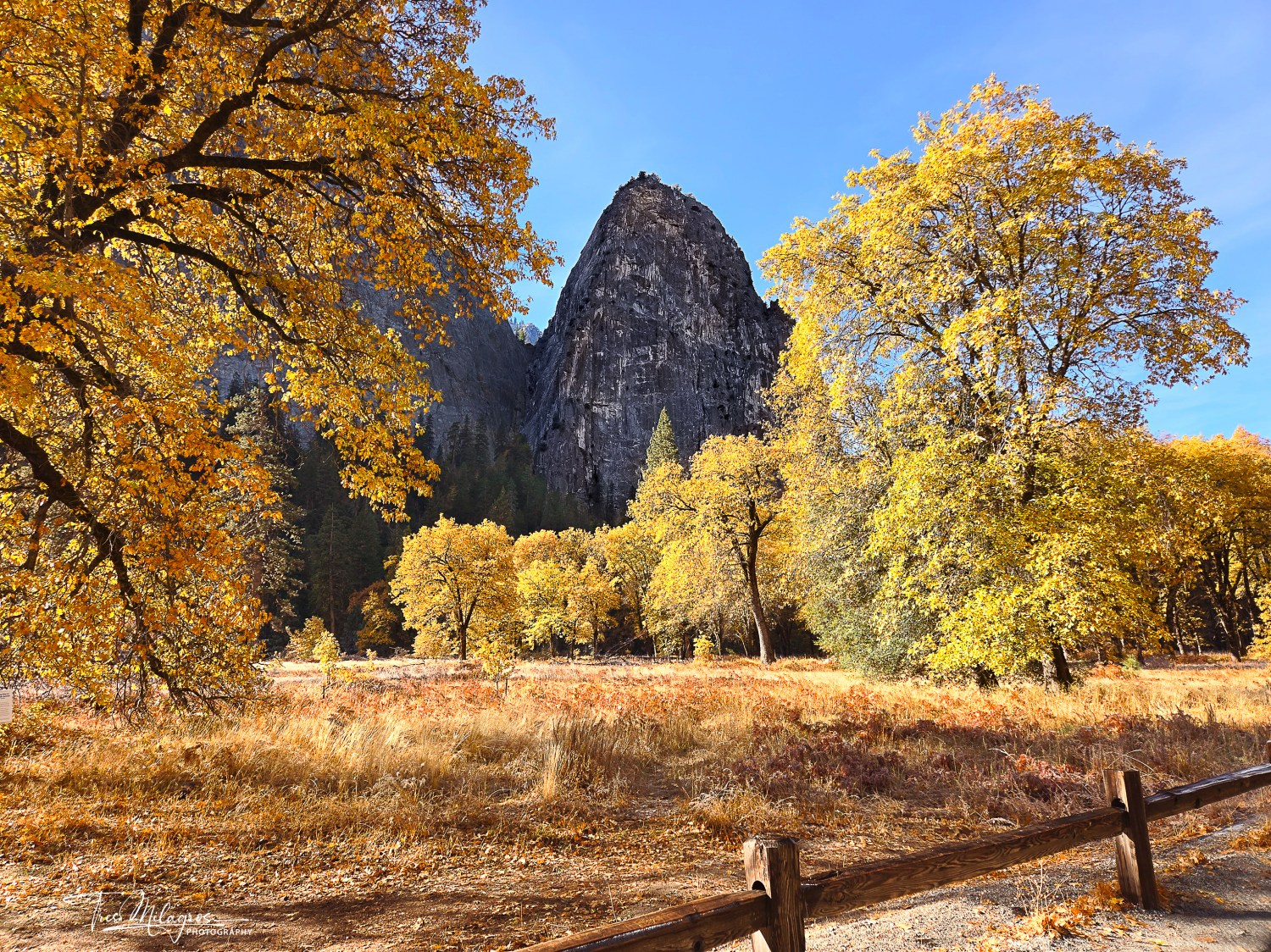
The following day, I ventured out again and was happy to see that there still were remnants of Fall throughout the valley. With the morning sun shinning through the trees, all of the colors appeared more vibrant and rich. Fall was giving us one last beautiful view of its autumn colors before winter arrived.

Yosemite in late fall offers a rare blend of solitude, beauty, and quiet wonder. The crisp air, golden foliage, and occasional dusting of snow create a landscape that feels both peaceful and alive. Whether you’re hiking through misty forests, photographing fungi on the forest floor, or simply taking in the views, late fall is a magical time to experience the park. It’s a reminder that even as the year winds down, nature still has so much to offer. As we wrapped up our trip, we took in the final views of this magnificent place and began our journey home—knowing for certain that we will be back once again to enjoy Yosemite’s breathtaking beauty.

Until next time, we’ll keep exploring, capturing the journey one frame at a time—via El Camino Thru My Lens.

**Prints are available for purchased via my photography web site: www.tresmilagrosphotography.com
Featured

“Cultural Treasures” ~ Le Louvre Museum & The Palace of Versailles

Our first day in Paris gave us a great start to our adventure in this beautiful city. Exploring the city on foot allowed us to get close up to experience life in Paris and soak in some of the city’s atmosphere. This city has so much depth in it history, culture and historical points of interest that it’s easy to keep yourself busy. With still so much to see and explore, we made our way out again into the neighborhoods and headed to our first stop.

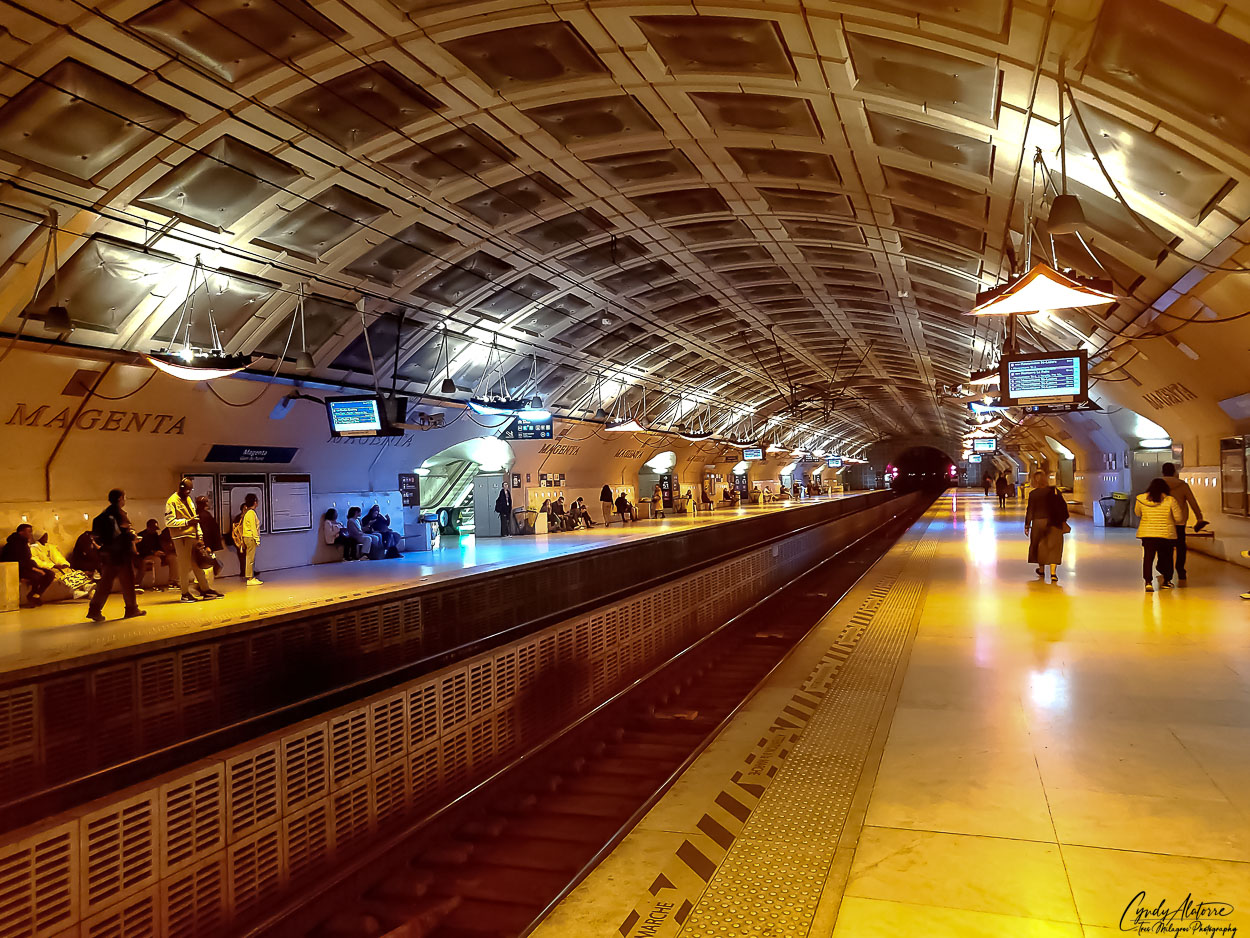
One thing about Europe that a traveler can appreciate is how efficient and well connected its public transportation is. And Paris is no different. The manner in which trains run on time and moves large amounts of people throughout the day is impressive. The Metro runs through out the city and outlying areas and is accessible nearly everywhere. Entering from the street level, you walk downstairs, and soon come across signs to various walkways taking you to different tracks, depending on where you are going. Each metro station was well organized and displayed its personality through its architecture and layout. At some of the stations, the decor would reflect the personality of that area of Paris and was nice to see.
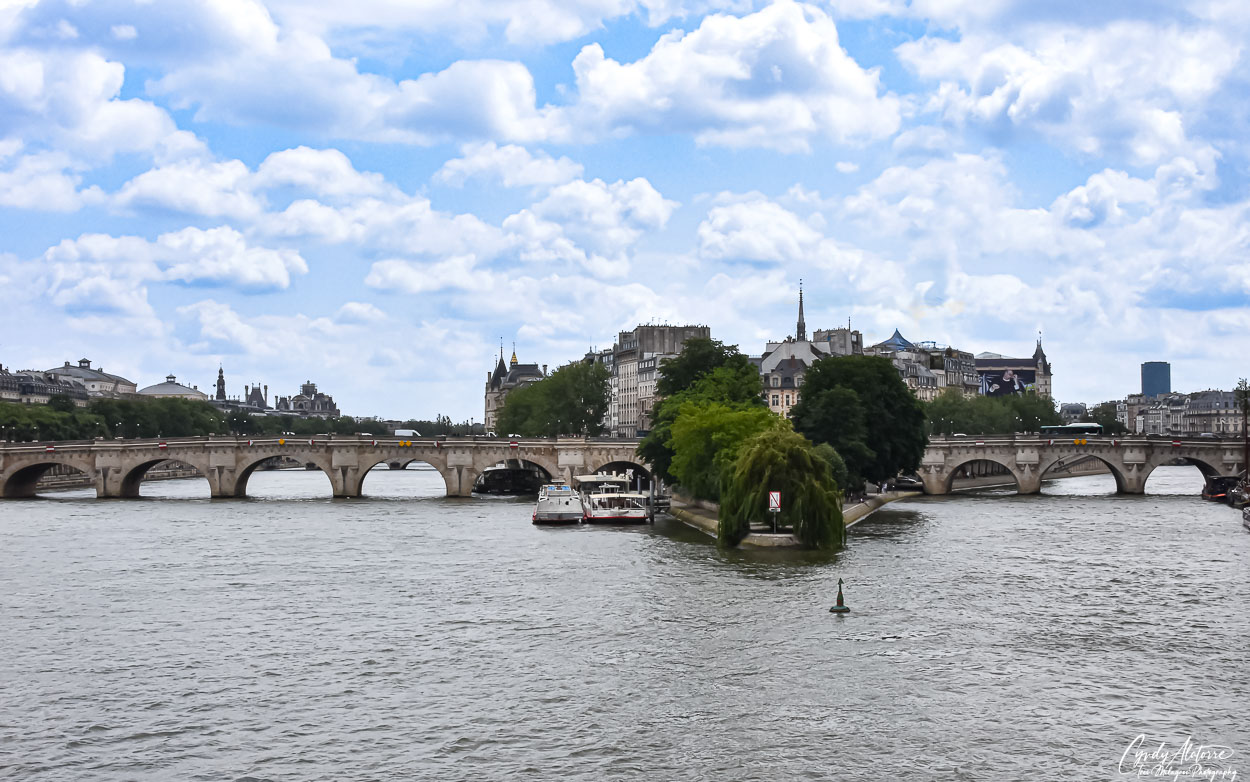
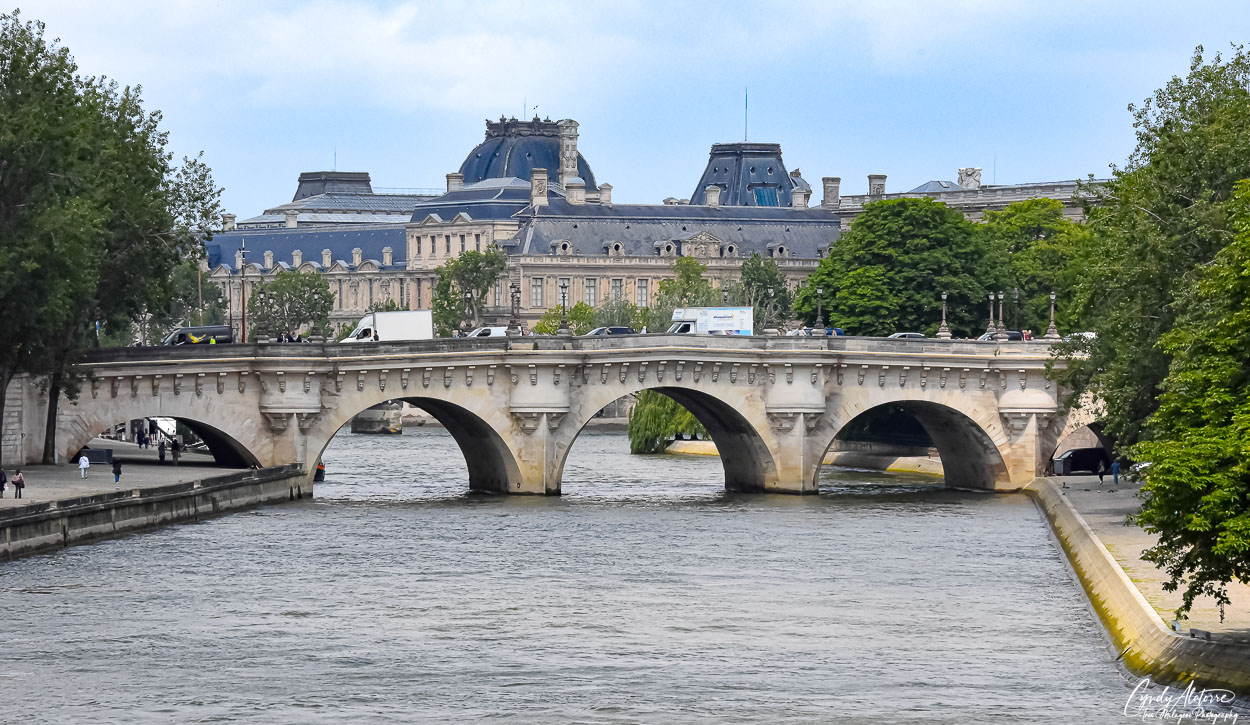
As previously mentioned, there is so much to see in this vibrant and timeless city. With its art, fashion, historic landmarks, and museums to visit and learn from, we started our second day in this city and made our way to Le Louvre. As the Seine River guided us through the city, we came across several bridges that connected the riverbanks throughout the city with one another and allowed traffic and pedestrians to get around. It was interesting to see these old historic buildings and the Seine River coexisting with modern day cars and people on their phone or using their electronic devices. It just showed the versatility of Paris.

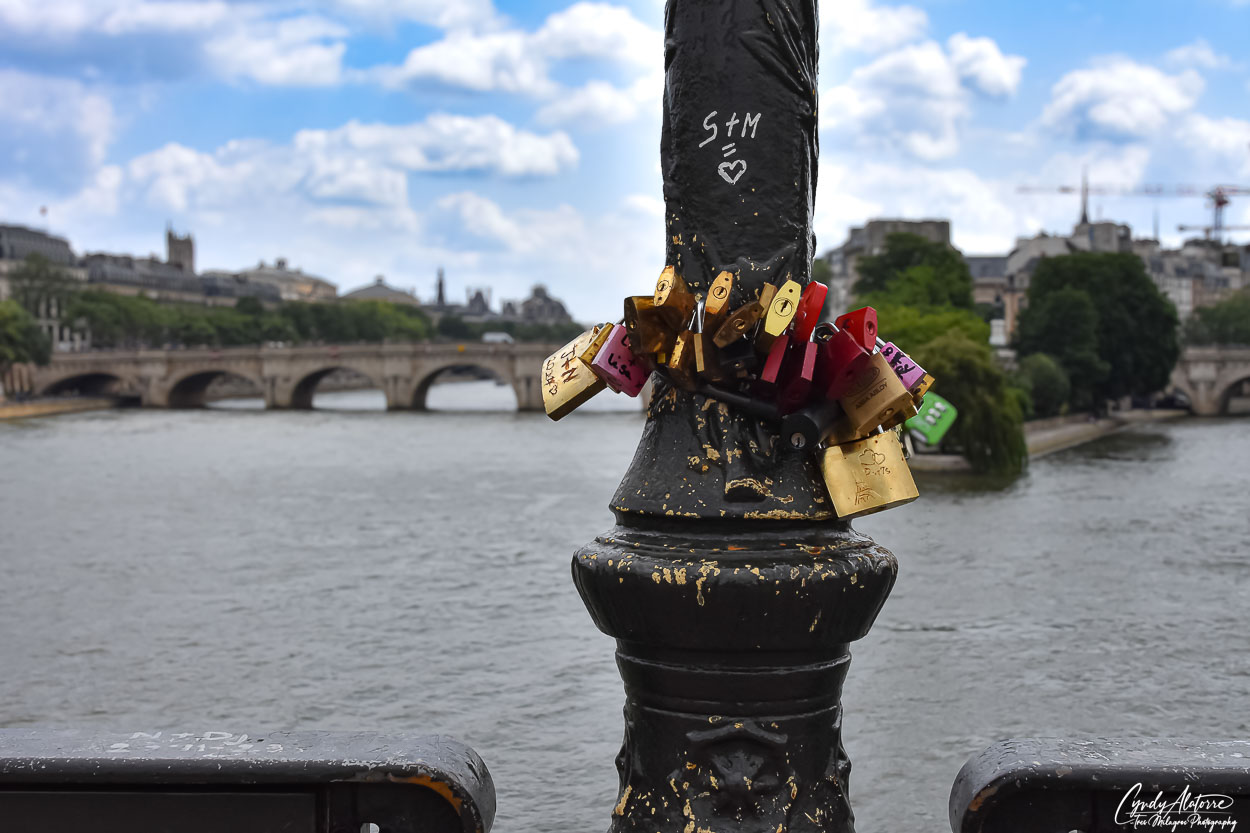
Walking across one of the bridges, I came across several light fixtures that had “love locks” attached to them. This act involves fastening locks together and usually occurs around bridges or waterways. Individuals write their name or initials on a lock, secure it to the fence or structure then throw the key into the water. It’s interesting as I often come across these “love locks” in various city whenever I travel and true to nature, it’s usually around a river or bridge. This act is often seen as a token of romantic devotion of a person’s commitment and love to their significant other and is a public way of showing it. If someone is going to use “love locks” to show their love and devotion, then how appropriate to do so in the City of Love.

Arriving at Le Louvre Museum, you immediately find yourself surrounded by three large and impressive renaissance style buildings. The air around the Le Louvre Museum is of opulence, wealth and strength and that is exactly what King Phillip II was going for when he had it built. Construction of the Le Louvre began in the late 12th century and was built to protect the city from attack, especially as the King of England had control of Normandy at that time. Initially built to serve as a fortress it underwent several reconstructions and eventually became the royal residence until Louise XIV relocated the monarchy to the Palace of Versailles.
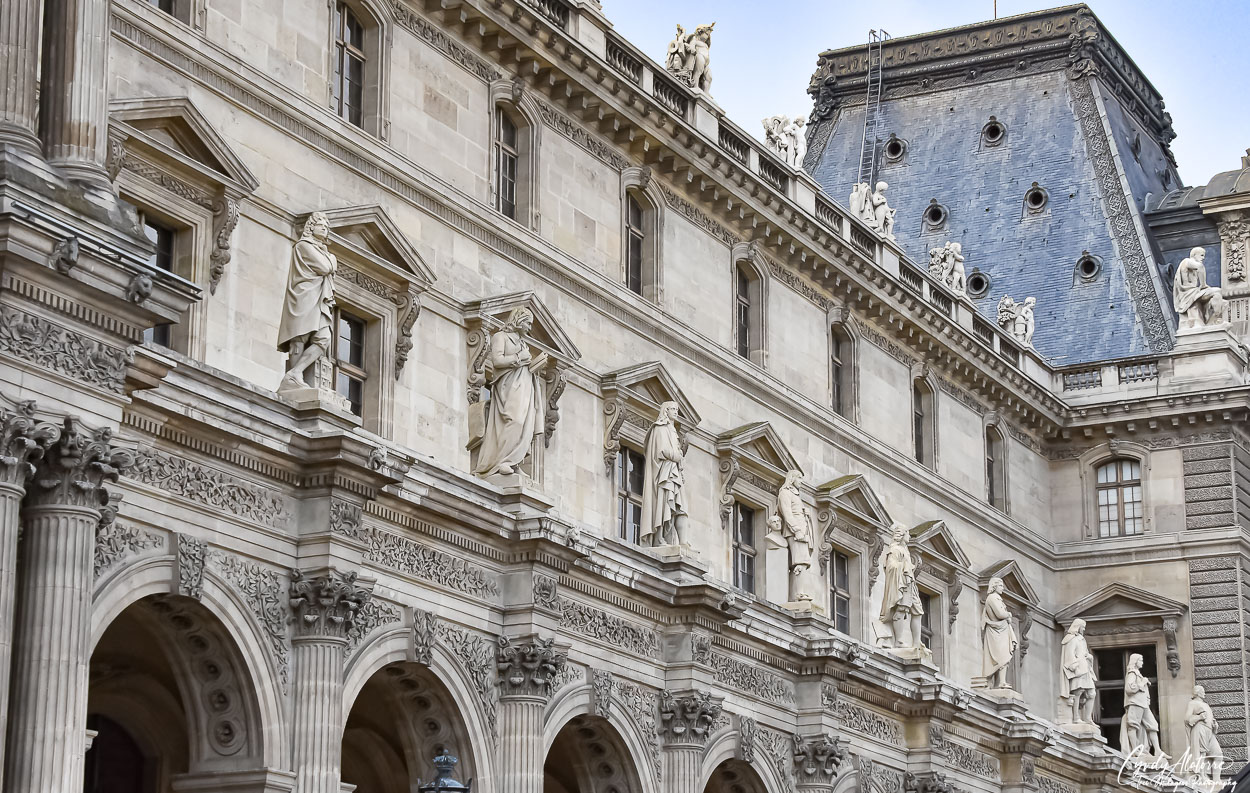
Artwork is not only found inside the museum but greets visitors as they arrive in the courtyard. Sitting along the facade and high on corner walls, intricately chiseled statues keep watch of visitors entering Le Louvre and provides a sampling of the beautiful artwork created during that time period. The number of statues and art pieces displayed within the courtyard and on the buildings was impressive and I marveled at the amount of work and talent it took to create it all.
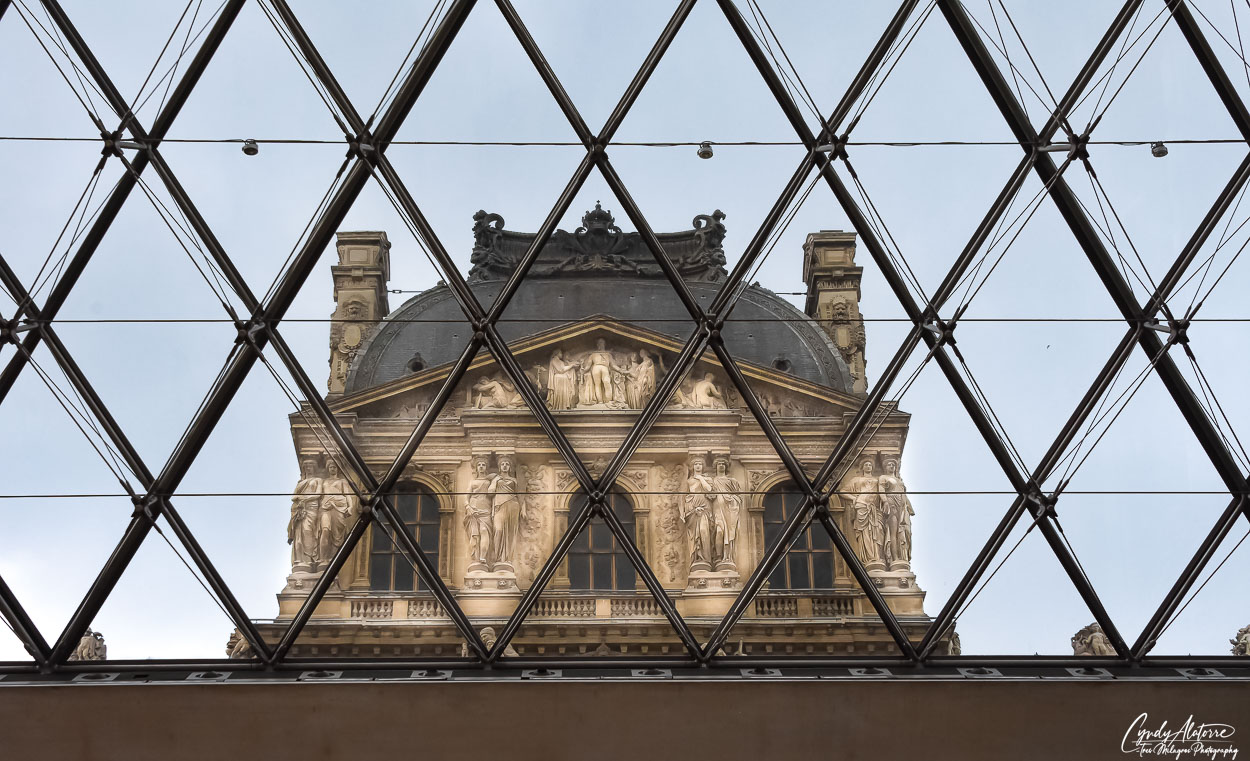
Entering Le Louvre, you go through an iconic glass pyramid that has its own space and contrasts against the surrounding buildings. This 71-foot glass pyramid is made up of 603 rhombus-shaped and 70 triangular glass sections that creates its own unique and artistic space. Unlike other museums, guest descend on an escalator into the underground lobby where they find a bright lobby that connects several wings of the museum. Once below, guest can venture into the various galleries and adjoining shopping and gathering areas .

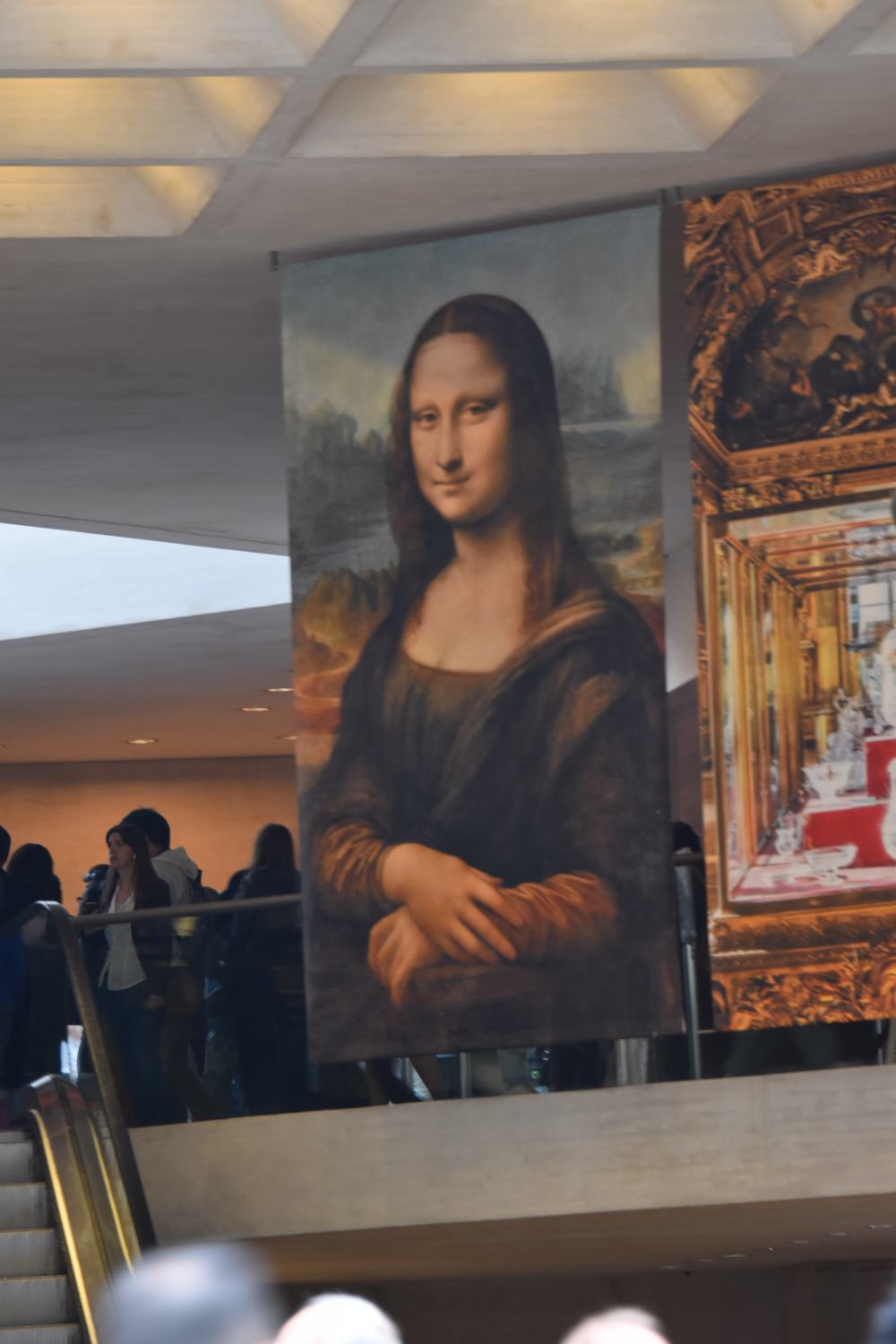
Within the Louvre, there are approximately 500,000 objects with an estimated 38,000 works of art shown at any given time. And of course, I would be remise if I did not mention Le Louvre’s most famous resident.. the Mona Lisa. Displayed in a large gallery, she is given ample space for all her admirers to come and see her portrait. Sitting relaxed with her arms folded across her lap and looking slightly to the left, her gaze and slight smile gets your attention. Perhaps it’s the simplicity of her look or the mystery of not knowing what she was thinking in this pose. No matter, she is beautiful, and it is easy to see why she is so famous throughout the world. She is an icon for the ages.

Le Louvre is an impressive museum, and a person could spend several days exploring and seeing all the works in residence. The talent and foresight to create these impressive works is staggering and one art piece that specifically stood out to me was the “Winged Victory of Samothrace”. She is prominently displayed in the Daru staircase of Le Louvre and is one of its most famous sculptures. In her stance, the winged goddess Nike proclaims victory, is seen just as she is about to descend off a boat. I took this photography in black and white to capture its depth and appreciate the balance of the feminine and strength in this stance. The head and appendages were damaged and lost many years ago, however, seeing this beautiful sculpture now, you would not know any different and its presence is powerful.

This museum is a great excursion and I enjoyed it just now as much as I did on my previous visits. Aside from being the largest museum in the world, it is one of my top five favorites when visiting Paris. Le Louvre is so popular that it even beats the Vatican in visitors and hit 8.9 million guests last year. It is definitely one of Paris’ cultural treasures so if you travel to this wonderful city, definitely put it on your list of “must see’s”. You will not be disappointed.

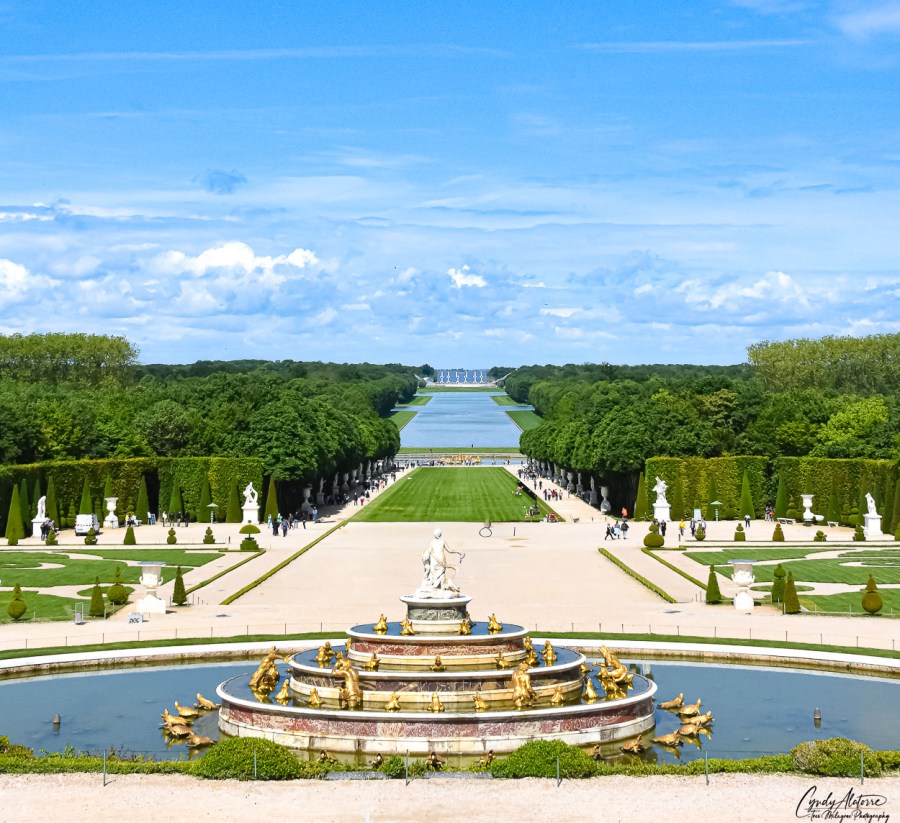
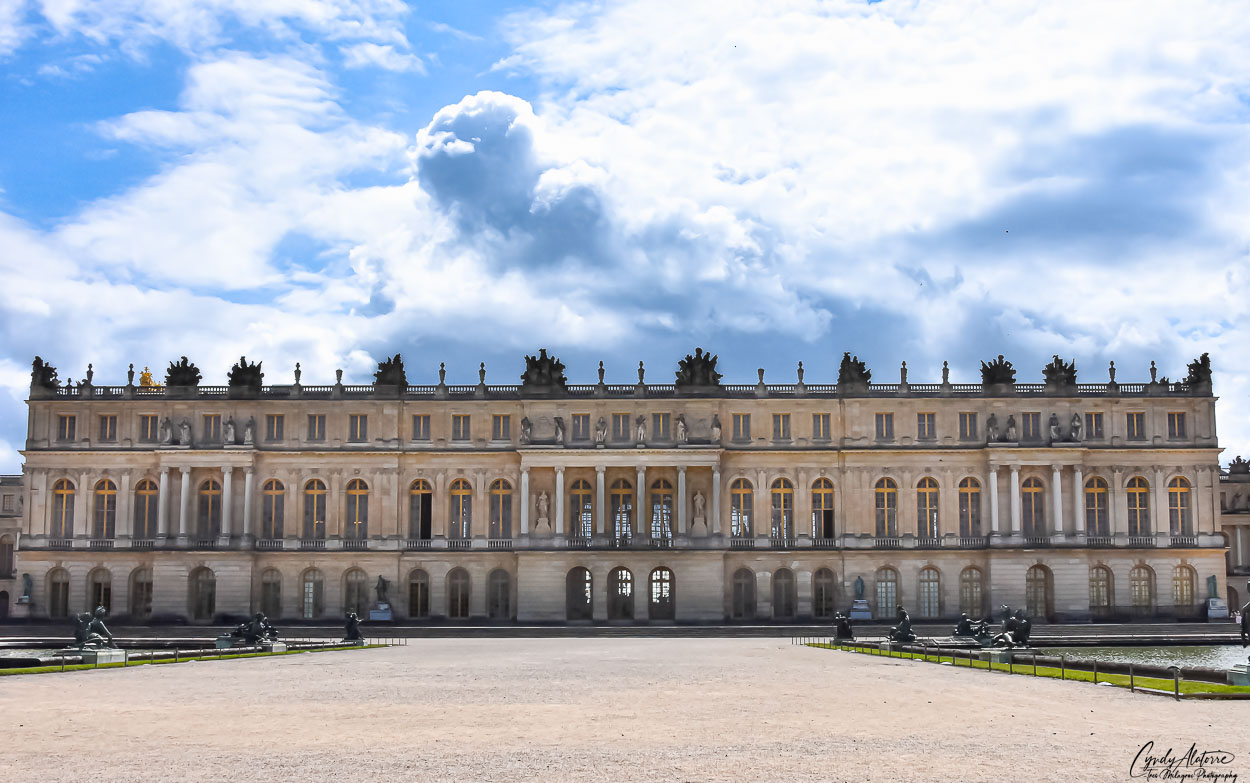
Our next stop in visiting France’s cultural treasures was the Palace of Versailles. Located approximately 30 minutes outside of Paris, we took the RER train to see this spectacular palace. As previously mentioned, the royal family resided at Le Louvre for many years until King Louis XII had Versailles built in 1623. What started as a simple hunting lodge quickly grew to an expansive estate when King Louis XIV assume the throne. 700 rooms, 60 staircases, and 1200 fireplaces later, the Palace of Versailles became known as a center for French politics, culture, and art and was even envied by other monarchies throughout Europe. It was life at its finest.

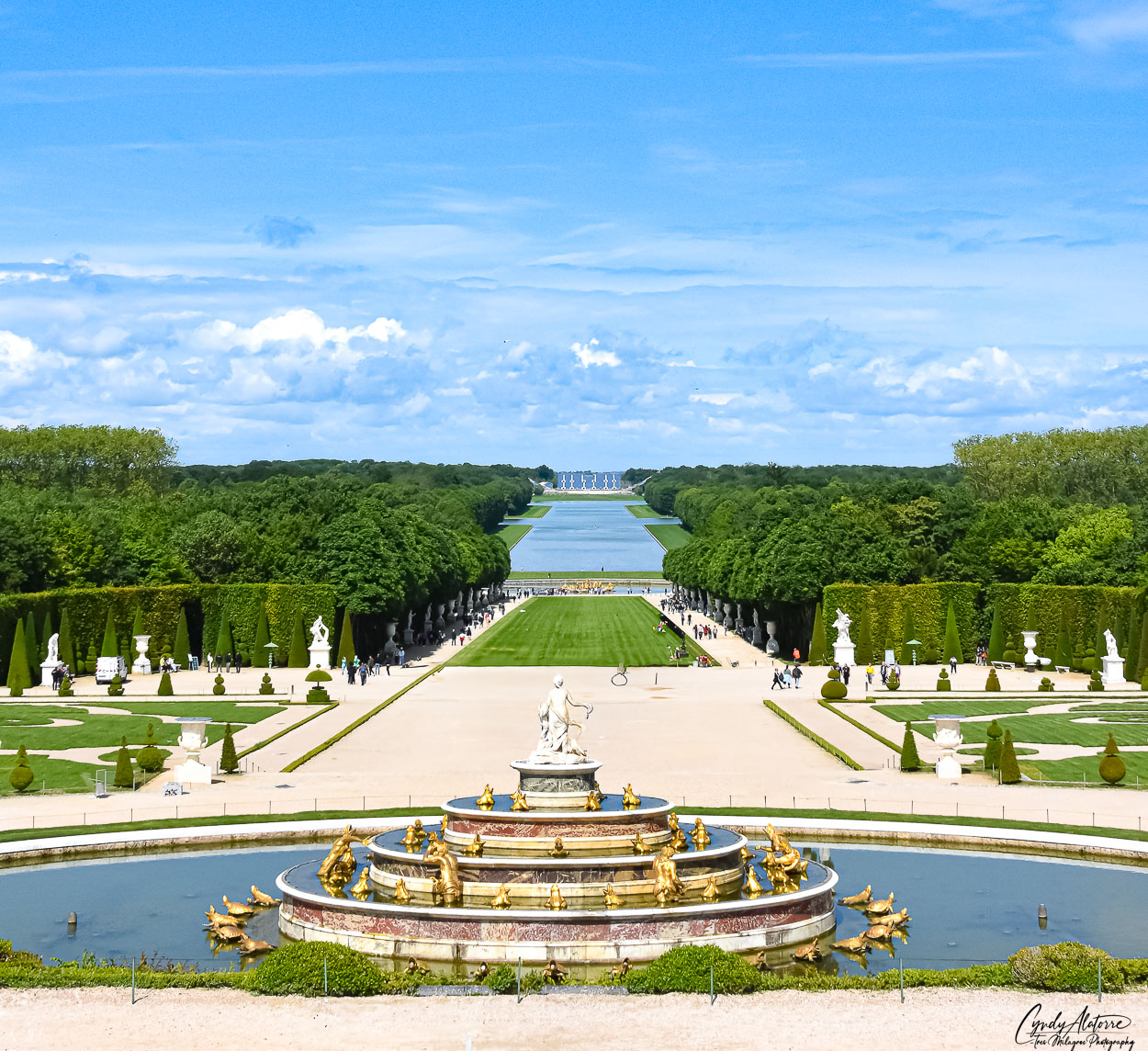
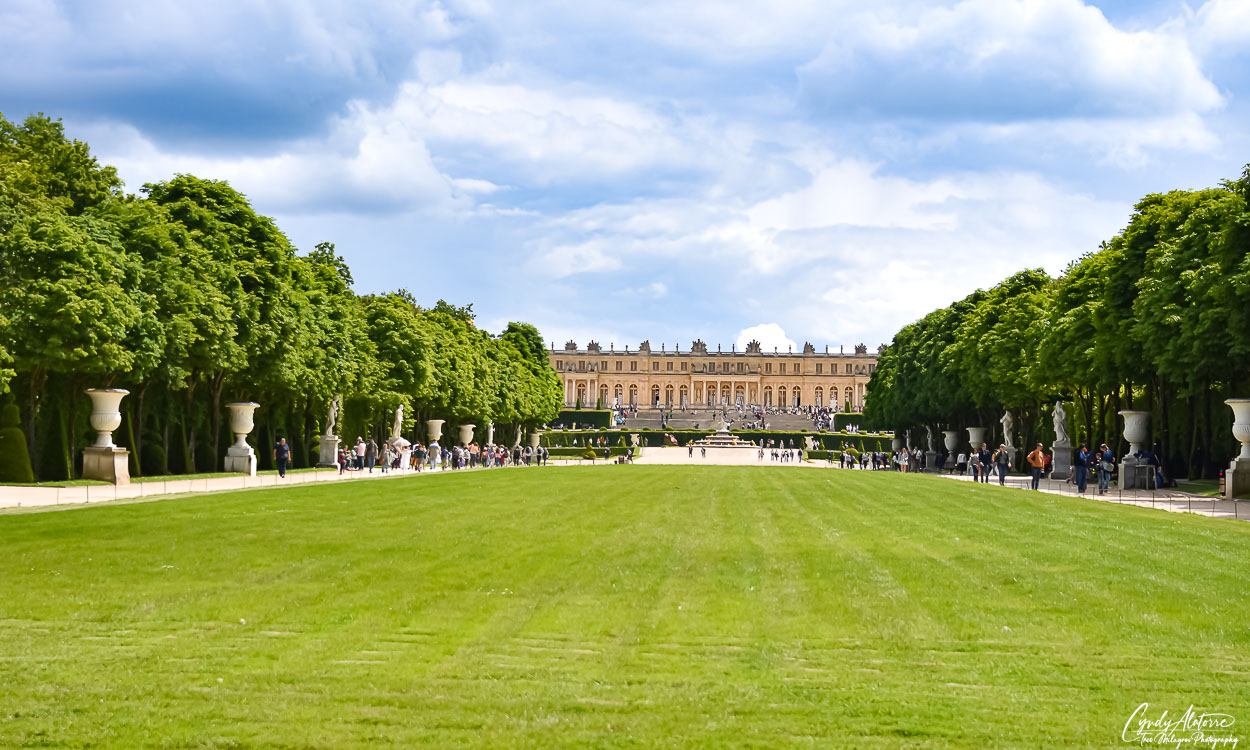
The Palace of Versailles is not only large and decadent with its buildings and furnishing but also encompasses extensive gardens, small villages and buildings apart from the main compound. So just how large is Versailles you ask? Well, its size is 800 hectares which translates to 1,976 acres. Now that is a lot of grass to mow. Within the well manicured gardens, mazes, small lakes and fountains, visitors get the opportunity to enjoy these beautiful grounds and imagine how the French monarchy lived.

Guests are welcomed to walk the grounds, and you could see people having picnics on the grass areas and renting small boats to go out onto the lakes. Walking around these lush gardens, classical music could be heard being played throughout the area just as it was when the French monarchs lived there. The Palace of Versailles is very beautiful and a person visiting this impressive estate can easily get lost in its calm and serene landscape. These beautiful grounds allow a visitor to get an idea how life was like back in the 17th century as French monarchs strolled the grounds and admired the impressive sculptures located throughout the area. It was a life of beauty, art and privilege.

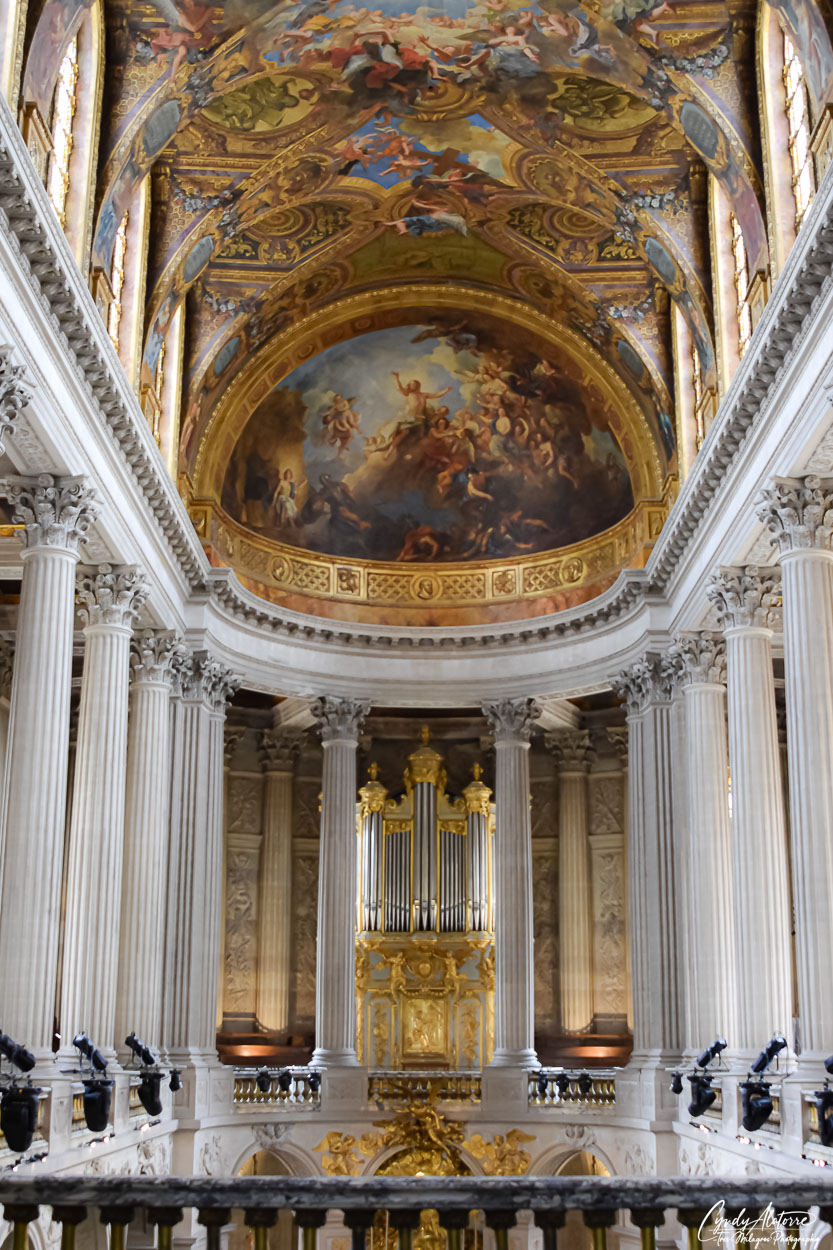
The beauty of Versailles not only is limited to its gardens but is also mirrored within the palace. Inside guests are able to walk through and see the many rooms and witness the opulence of the French monarchy of the 17th century. One of the more well known areas of the palace is the organ of the Royal Chapel. Sitting above the altar in the chapel, the organ is just as extravagant as it is large in size. This chapel is one of five chapels within the palace and was the last one built that was consecrated on June 5, 1710. It was the chapel where many significant events took place such the marriage between the last King and Queen of France, Louis XVI and Marie Antoinette. Above on the ceiling, visitors can see beautiful paintings of celestial scenes taking place along with other heavenly beings painted besides them. Ceiling paintings like these were seen throughout the palace and I like to think of them as spectators who witnessed the ongoings that took place at Versalles. If only the walls, or in this case, ceilings could talk.

Within the palace, you will find many rooms, hallways, and dining areas lavishly decorated. It is fair to say that no expense was spared in furnishing these rooms with beautiful works of art. The talent of the artists and workers that built this palace is evident all around you and it is staggering to think about the amount of manpower, time and expertise it took to create so much beauty.

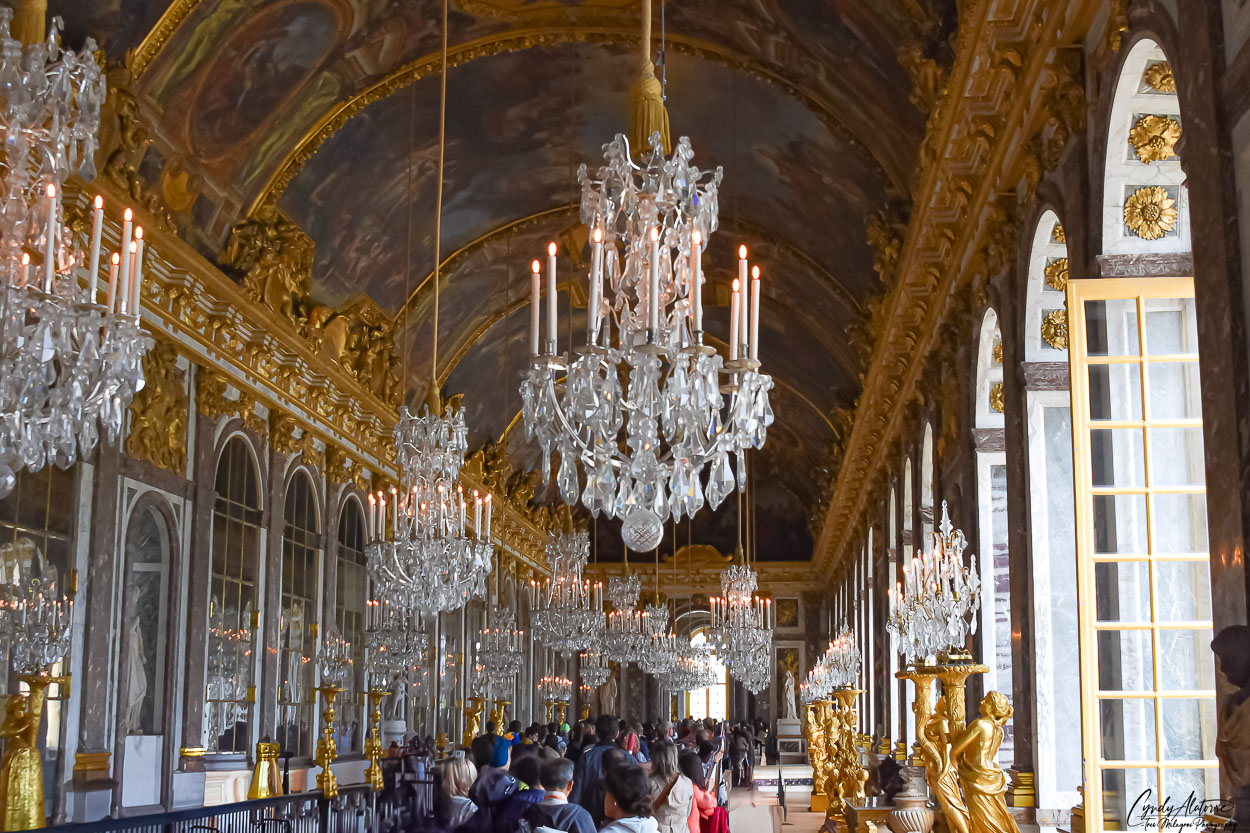
While the Palace of Versailles is known for its beautiful and magnificent estate, it is also known for hosting the signing of the Treaty of Versailles. On June 29, 1919, delegates from Germany and the Allied powers, gathered in the palace’s famous Hall of Mirrors room to sign the peace document that would end World War I. Imagine the combination of these world leaders, from opposing sides, meeting in this lavish room to settle a war and bring peace to the world. It was a momentous event. The history of this room goes back to King Louis XIV who expanded on the design and layout of Versailles and and wanted this gallery to represent the glory of his rein and of France. More importantly, he wanted it to be an outward representation of France’s achievements economically, politically and in the arts.

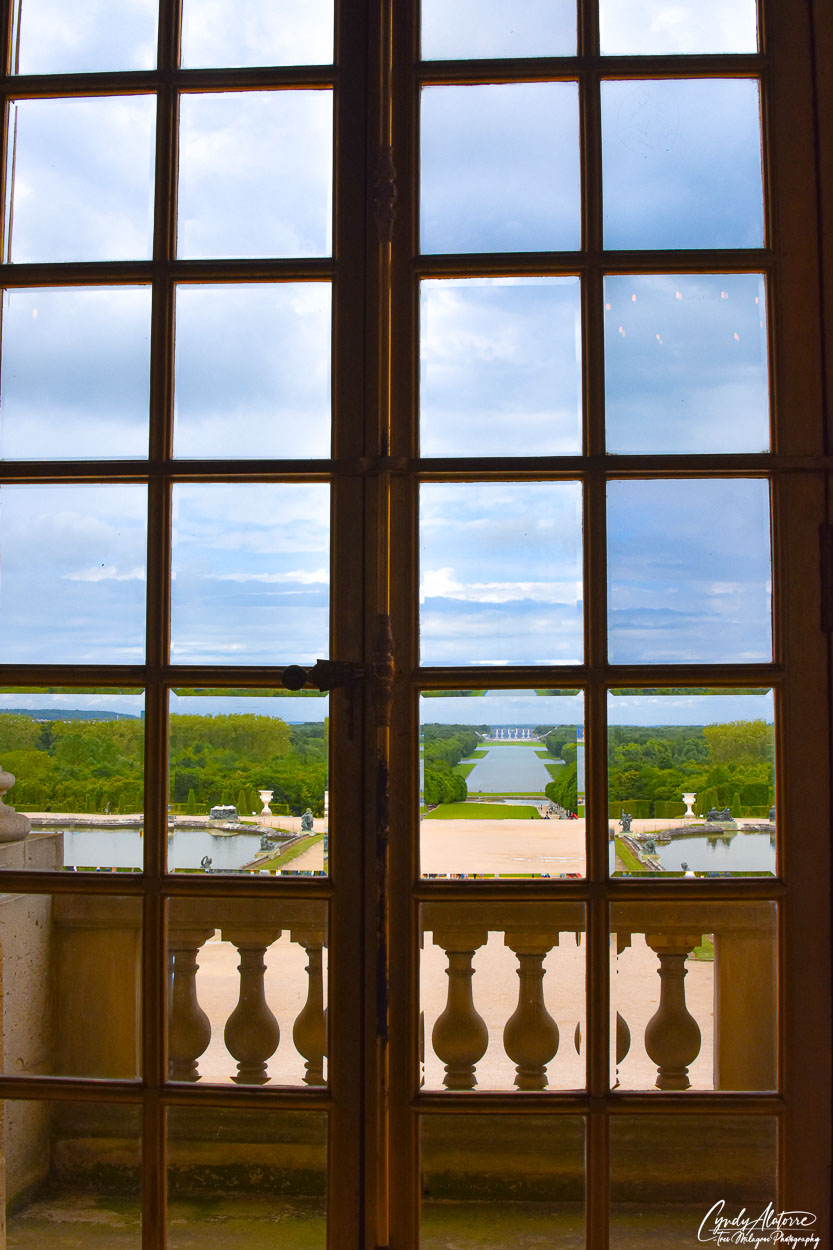
Walking through the hall you get sense of how opulent life must of been. Life was lived on a grand scale and there were no limits. As you continue walking through the hall you can see beautiful views of the gardens through several French doors that lined the West wall of the room. Looking out I enjoyed the scenery and thought to myself that it probably hasn’t changed that much over time. Great efforts have been made to preserve this beautiful palace and they have done an incredible job.

As I wrapped up my visit to these two “Cultural Treasures”, I left with an appreciation to have been able to visit them in person. Visiting these two historic sites felt more like I was going back in time and getting a first-hand lesson in French culture, arts and history. Travel provides the opportunity to go to different places and gain a broader perspective of life, people and actually see where history has taken place and for me that is invaluable. And so with that , I said “A Dieu” (farewell) to these two historic sites, with greater insight for this rich French heritage and a few more “bucket list” locations visited.

Until next time, we’ll keep moving on and see where we go via El Camino Thru My Lens.

Featured

“Paris is always a good idea” ~ Audrey Hepburn, from the movie “Sabrina”

Ah…Paris!! How could we come to France and not spend time in this amazing city? It is one of those places that is a must to visit when traveling through Europe. With its blend of history, politics, art, fashion and beautiful landmarks, it gives the adventurous traveler plenty to see and do. It had been a while since I had visited this memorable city so it was time to come back and pick up where I left off on my last trip.

Arriving at the heart of the city, Gare du Nord is Paris’s main train station and is a buzz of activity. With its mixture of classical and modern architecture and large glass ceiling windows, it serves as a bright and energetic depot that connects travelers with their trains that will take them to their desired destination. Here you will find TGV trains bound for other areas of France and Europe as well as the Eurostar trains that will take you back to England via the underground tube that runs below the English Channel. Paris’s metro and regional trains also have hubs at this station and with that we took the metro and started our adventure and made our way to the city.

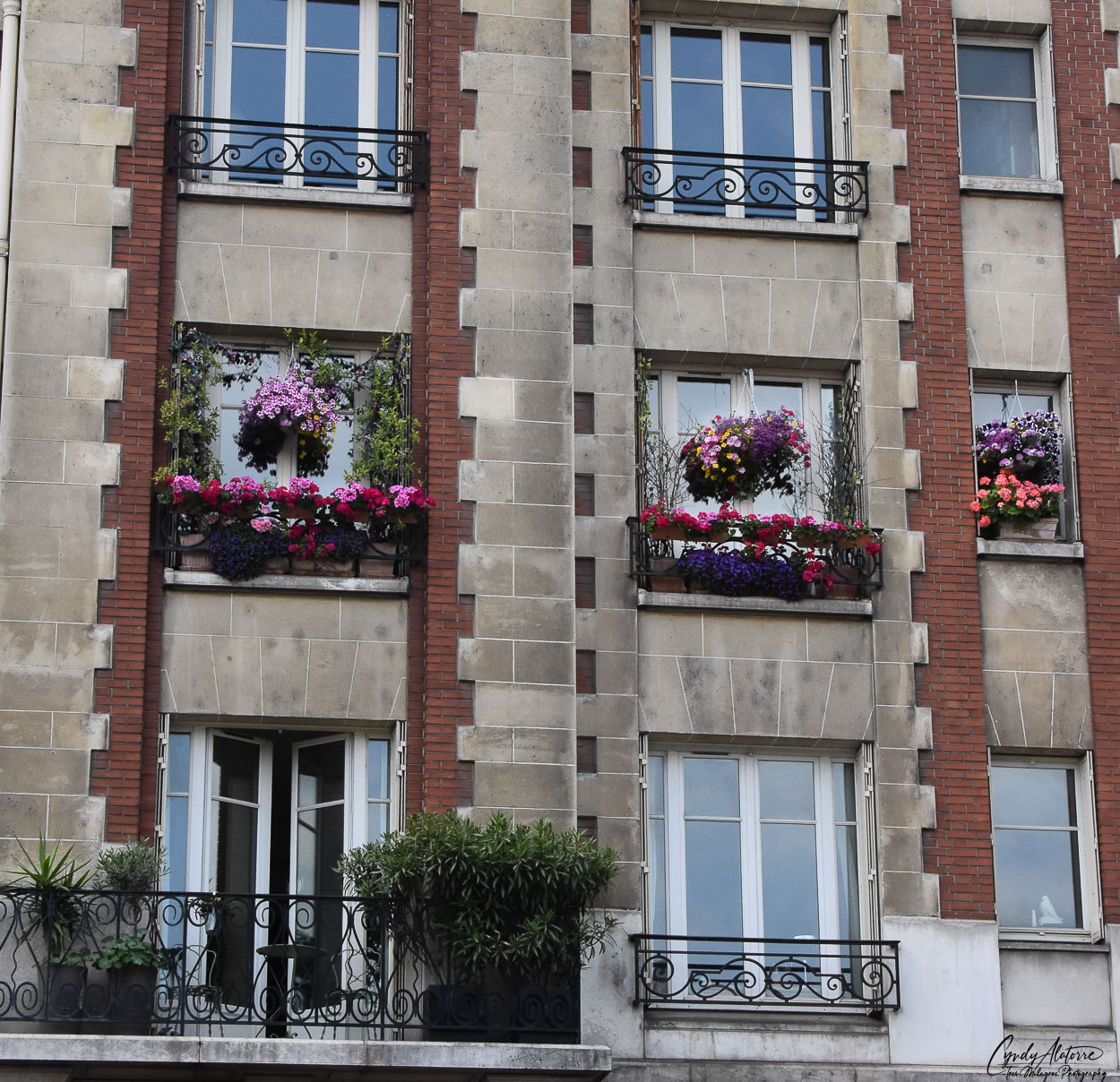
Walking through the streets of Paris allows you to get a good feel of the city. Making our way through the different neighborhoods, we saw tall buildings with their small ornate balconies and historic architecture, grocery stores displaying their fresh fruit on the sidewalk and small stores showing their goods. Cafés with their red awnings and vinyl chairs were usually busy as their guests balanced talking with their friends as they enjoyed their drinks. Bakery’s were found in abundance and through their large front windows, displayed their freshly made pastries and sandwiches that were definitely “Très bien”. Much like London, you see Parisians driving their cars, riding their bikes or walking on the sidewalks, each aware of the other and moving in sync without a hitch. It was easy to get caught up in it and before you knew it, we felt like we had become part of the city. 

Making your way around town, the Seine River seems to follow and guide you to Paris’s famous landmarks, museums and points of interest. Apartment and office buildings that have witnessed hundreds of years of history line the streets next to the Seine river and effortlessly blend in today just as they did a century or two ago. If only they could talk and tell us what they have seen.

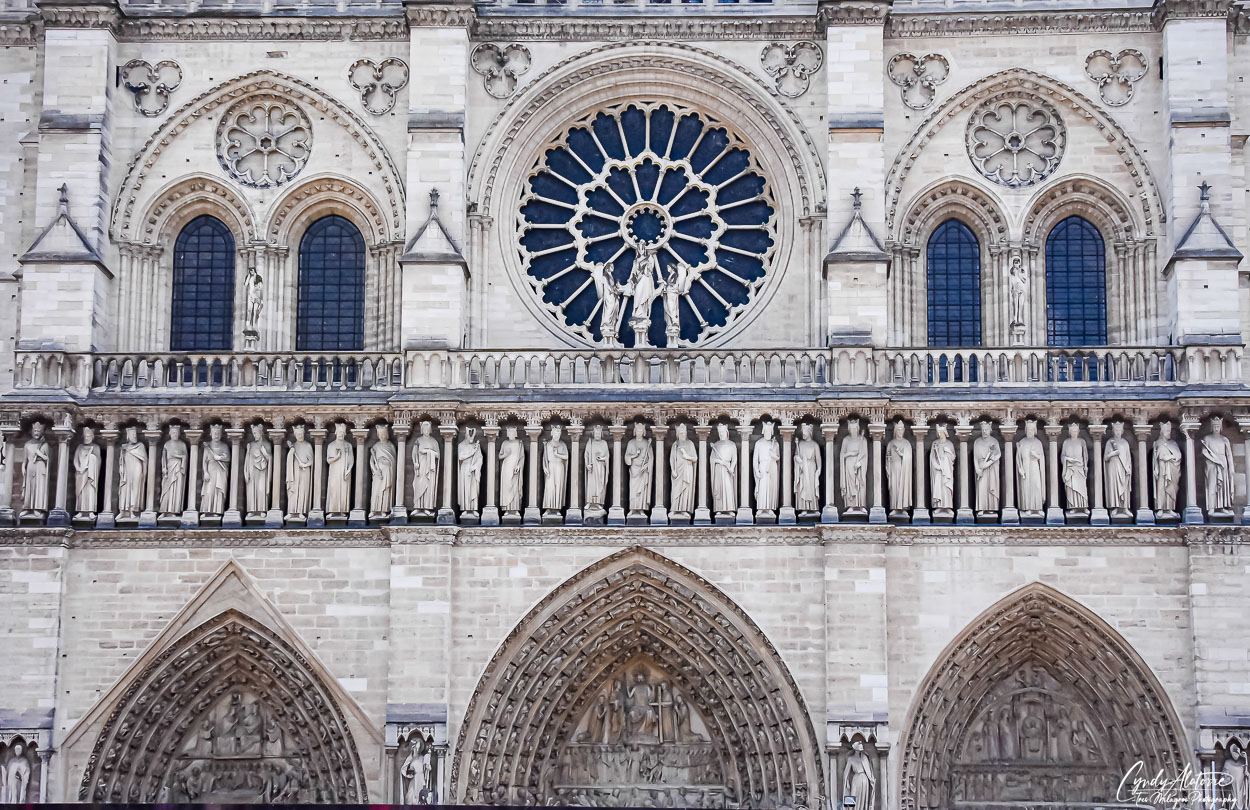
Visiting historic cities like Paris brings an awareness of how we all play a small part on the large scale of time and history. Construction on the Cathédrale Notre-Dame de Paris took approximately 182 years and was completed in 1345. It stood for 674 years until 2019 when a structural fire occurred and caused significant damage. Efforts to repair and reconstruct the damaged areas of this enormous monument has been in full swing and has consisted of master carpenters, sculptors, painters and collection curators to reestablish this prodigious cathédral. Their due diligence is paying off and Notre Dame is scheduled to reopen its doors in December 2024 to welcome guests again. While it was unfortunate that we were not to be able to go inside the cathedral, it still was an impressive and magnificent place to see.

Looking at the entrance to the Cathedral, you will notice a horizontal row of 28 statues above the entrance. These statues are referred to as the “Gallery of Kings” who represent 28 generations of the kings of Judea, preceding Christ. Now as they stand above the entrance to the Cathedral, they appear more like guardians and keep watch of those that enter Notre Dame. 

Like many other churches in Europe, statues of saints were found in the front courtyard and around the cathedral. I came across this statue of the Virgin Mary with the Child Jesus and it caught my eye as it contrasted against the blue dome building in the background. Beautifully sculpted, this Madonna and child statue were different from others I had seen. Looking at this statue its gaze is more direct. It feels more personal and intriguing. She was beautiful and fit perfectly in with the surrounding of the cathedral.

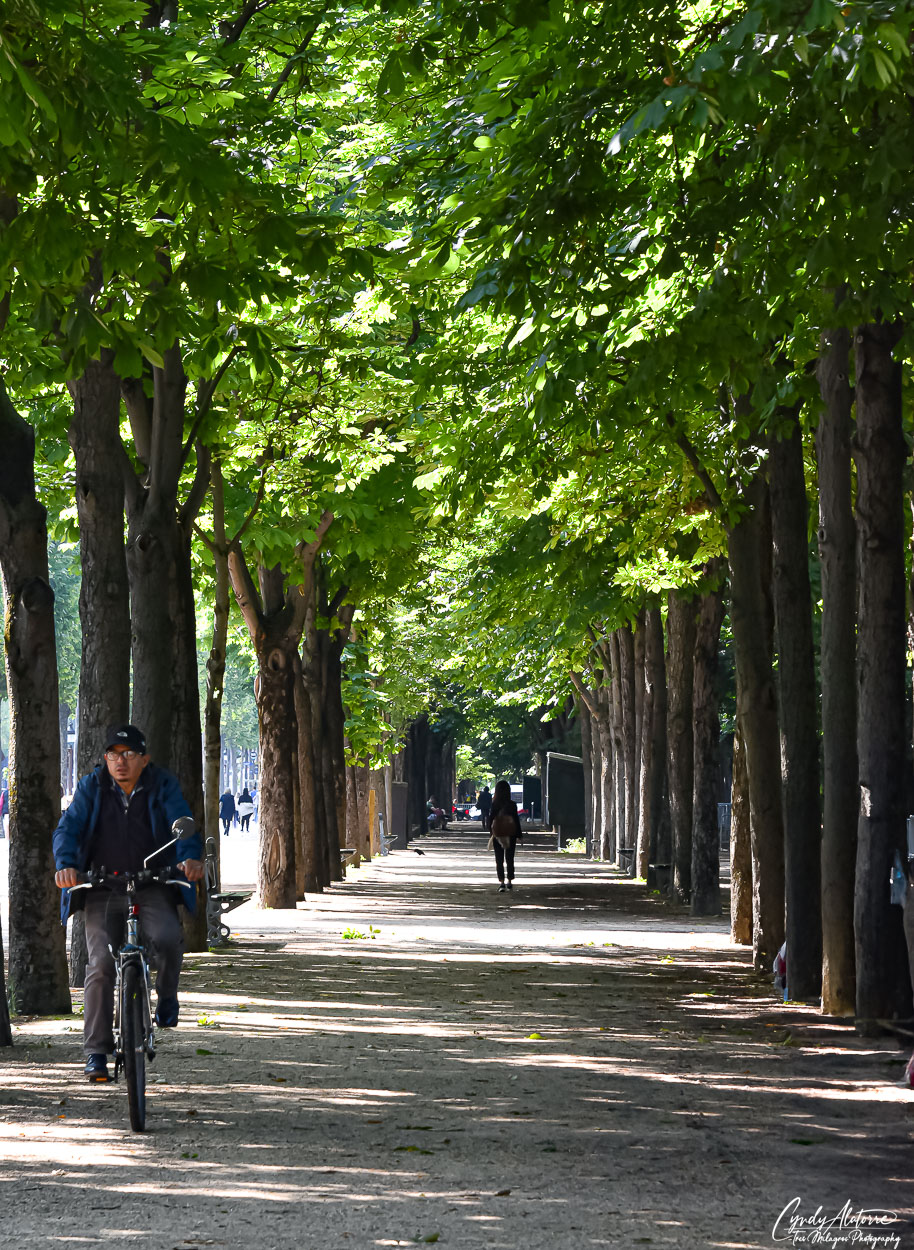
As we continued to explore the city, we came across nice tree lined walkways that framed our pathway and provided shade. This blend of nature with the urban landscape was throughout the city and made our walks more enjoyable. And bicycles.. yes, they were everywhere. Whether you owed one or needed to rent one for a quick ride, their presence was seen all around Paris. It was impressive to watch them move through traffic so easily and whenever a pedestrian was in their way you would hear the”ding-ding” of their spring-mounted bell politely but firmly warning pedestrians to “watch out or move” out of their pathway.

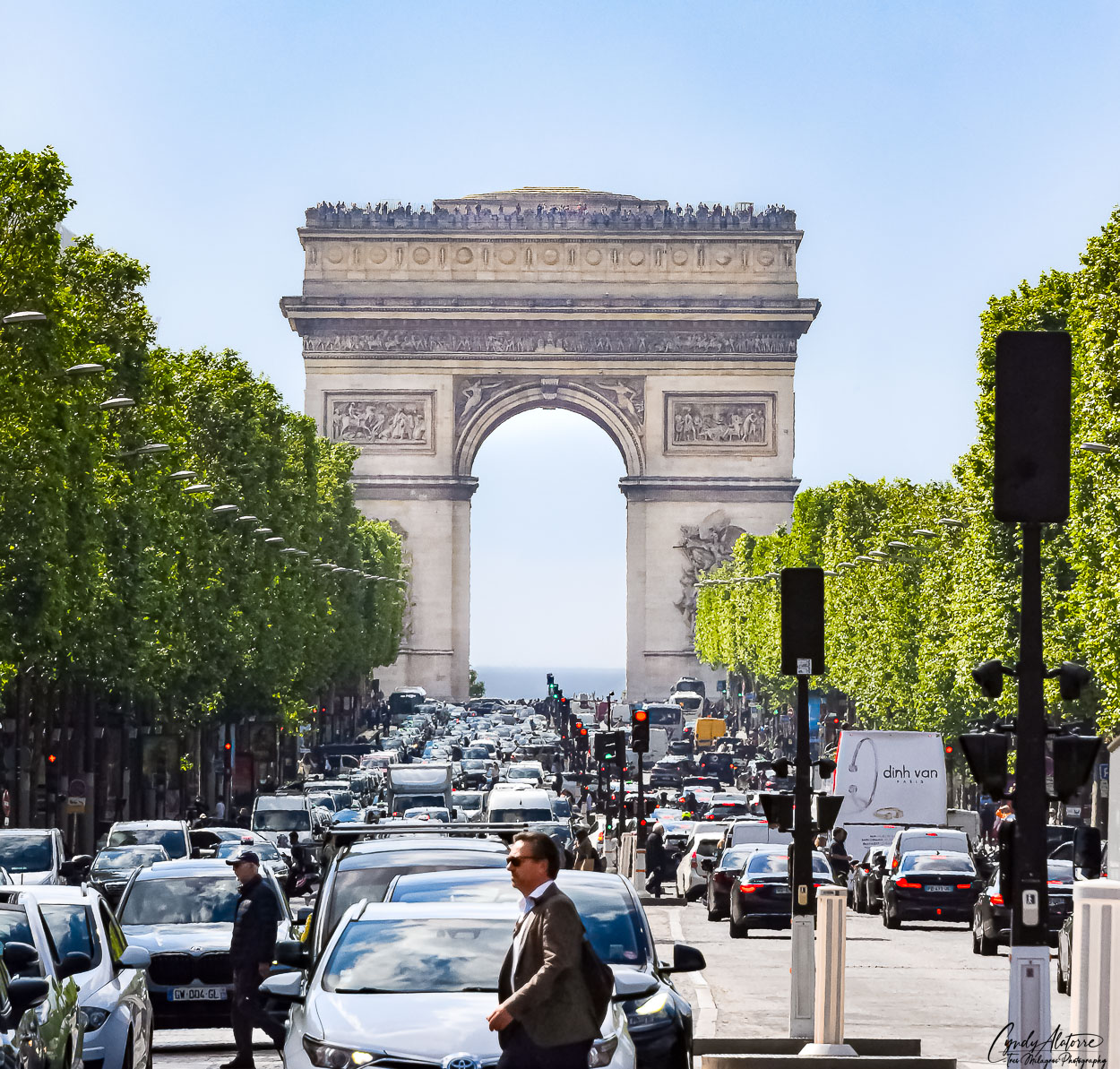
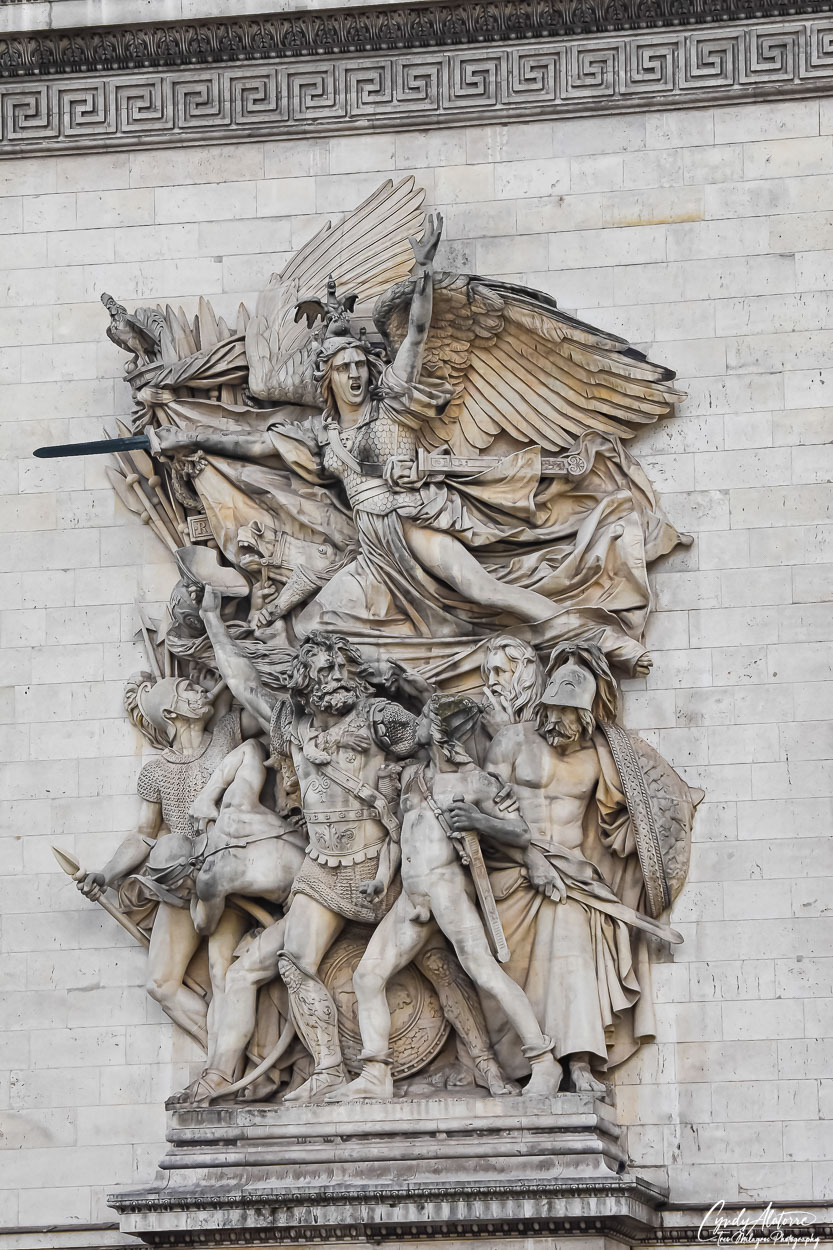
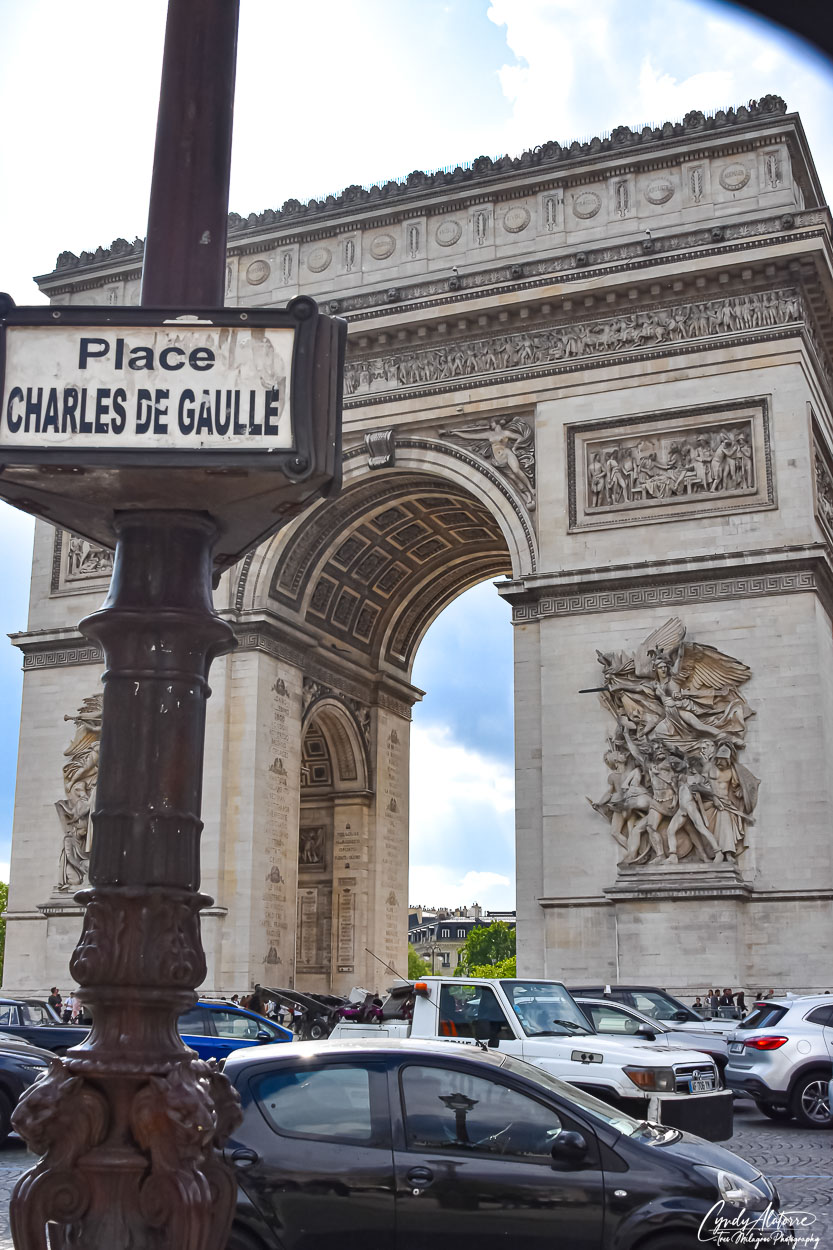
Paris is home to several famous landmarks that are large in stature and historical importance. The Arc de Triomphe is one that speaks volumes. Construction of this impressive monument began in 1806 and took thirty years to complete (1836). Honoring the French who died in the French Revolution and Napoleonic War, it is also home to the Tomb of the Unknown Soldier. Looking at this large arc several impressions come to mind. First is its immense presence and how daily life in Paris revolves around it. This arc has been part of history, for both invading countries (Germany), and for France and its allies. It has been used to acknowledge important world events, such as when Paris was liberated during World War II, and again in 1945 after the end of the war in Europe. In recent years, the last stage of The Tour de France takes place by this landmark and ends nearby. The Arc de Triomphe has been and is a constant factor that does not change while time and history does. It is one of Paris’s unforgettable iconic images.

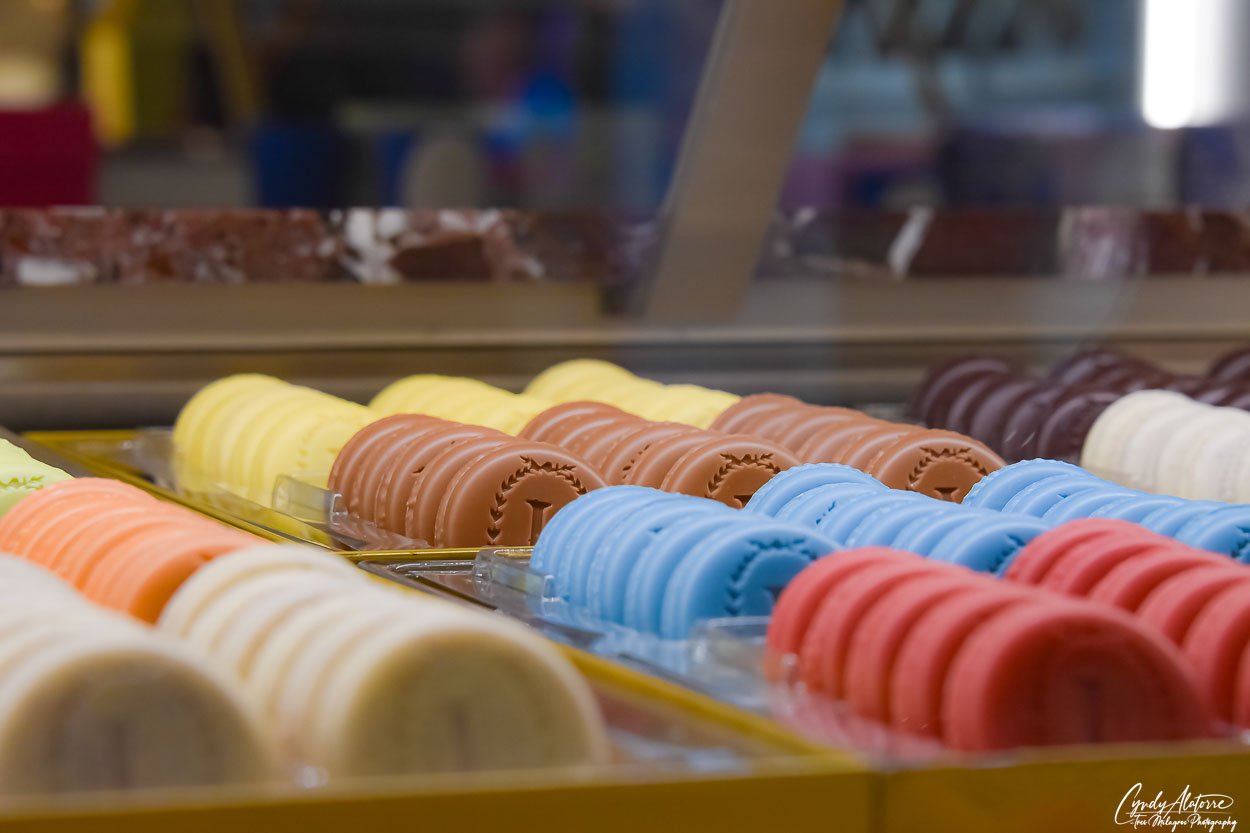
While Paris is known for many things, one speciality it most definitely excels at is “des pâtisseries” (pastries). Walking along the Champs Elysées, we came across Laudrée, a bakery that is well known for making the best double-shelled macarons in the world. Opening in 1862, Laudrée specializes in creating high end pastries and continues to make them to this day in Paris and around the world. With its beautiful tea rooms, bakeries and colorful macaroons, it has made a name for itself and been used in several movies and series. Now if you are wondering if we sampled these pastries, the answer is “YES!” It would be a sin if we hadn’t. Light and airy, yet rich and tasty with a nice flavor..they simply were delicious.

One of the advantages of visiting Paris in the late spring is that it does not get dark until 9:30-10:00 p.m. A combination of Paris’ location from the equator along with the specific tilt of the earth’s axis creates this circumstance and “Viola!” You have extended daylight. Having this natural light creates additional time to view the city and enjoy the sights without rushing. As a photographer, it gives me more time to capture more people, places and events using natural light and that is always a good thing.

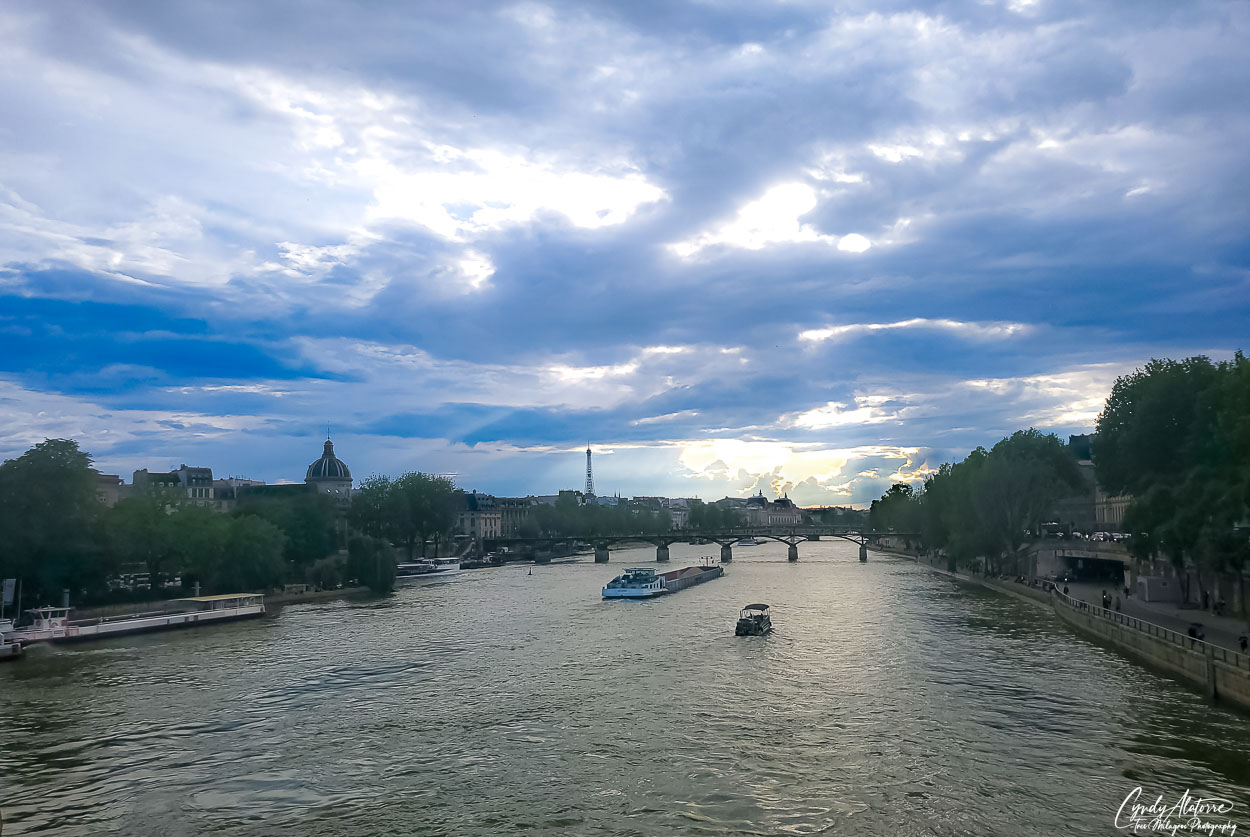
As we headed to dinner before wrapping up our day, we walked on the bridge over the Seine River and came across this scene. It had been overcast on and off all day yet from this view you could see the sun peaking through in the far distance while some sun rays made their way through the clouds. River cruises could be seen going up and down the way with some hosting parties with music and people socializing while others provided tours to travelers visiting the city. Traveling the Seine River, trees, well known buildings and landmarks lined the banks and provided a nice calm and enjoyable view of Paris around you. Not a bad way to end the day.

And so we wrapped up our first day in Paris. Grateful to have seen so much while realizing that there still was quite a bit to see we headed back to our apartment to rest and get ready for another day of exploring this vibrant city. Like Audrey Hepburn said in the movie “Sabrina”, ‘Paris is always a good idea.’ Yes, I agree… Paris is always a good idea. No matter how many times you’ve been to this city, there is so much to experience.

Until next time, we’ll keep moving on and see where we go via El Camino Thru My Lens.

Featured

“Sacred Ground” ~ Normandy American Cemetery and Memorial

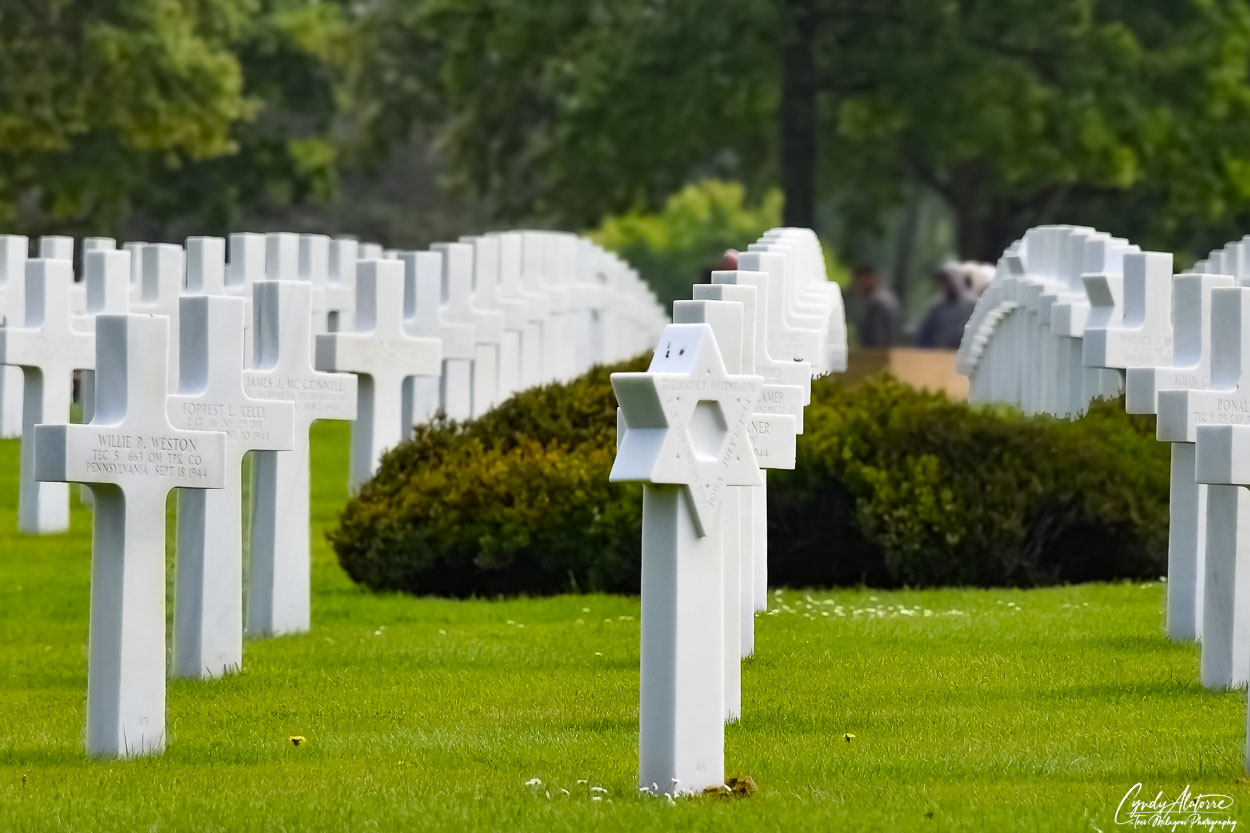
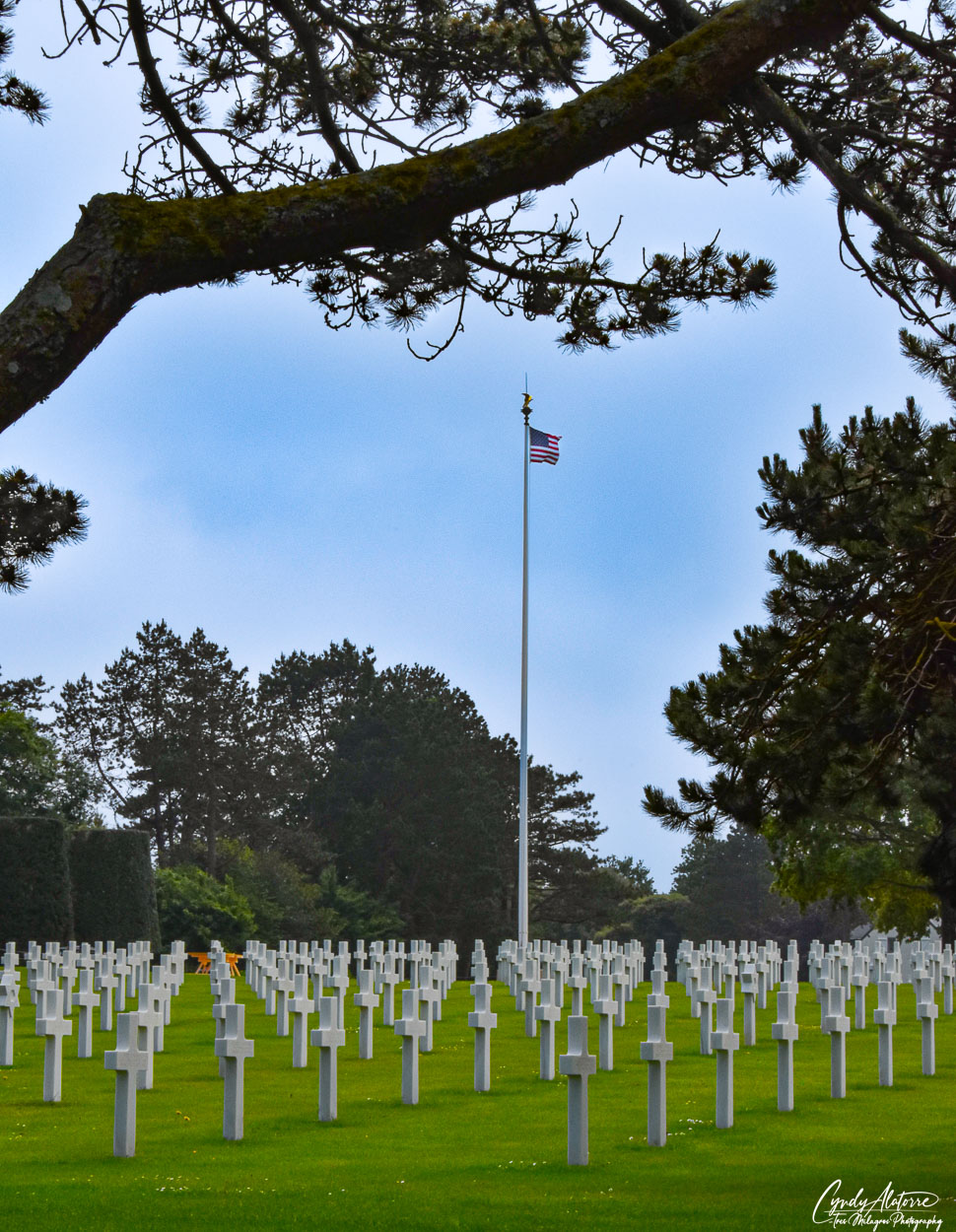
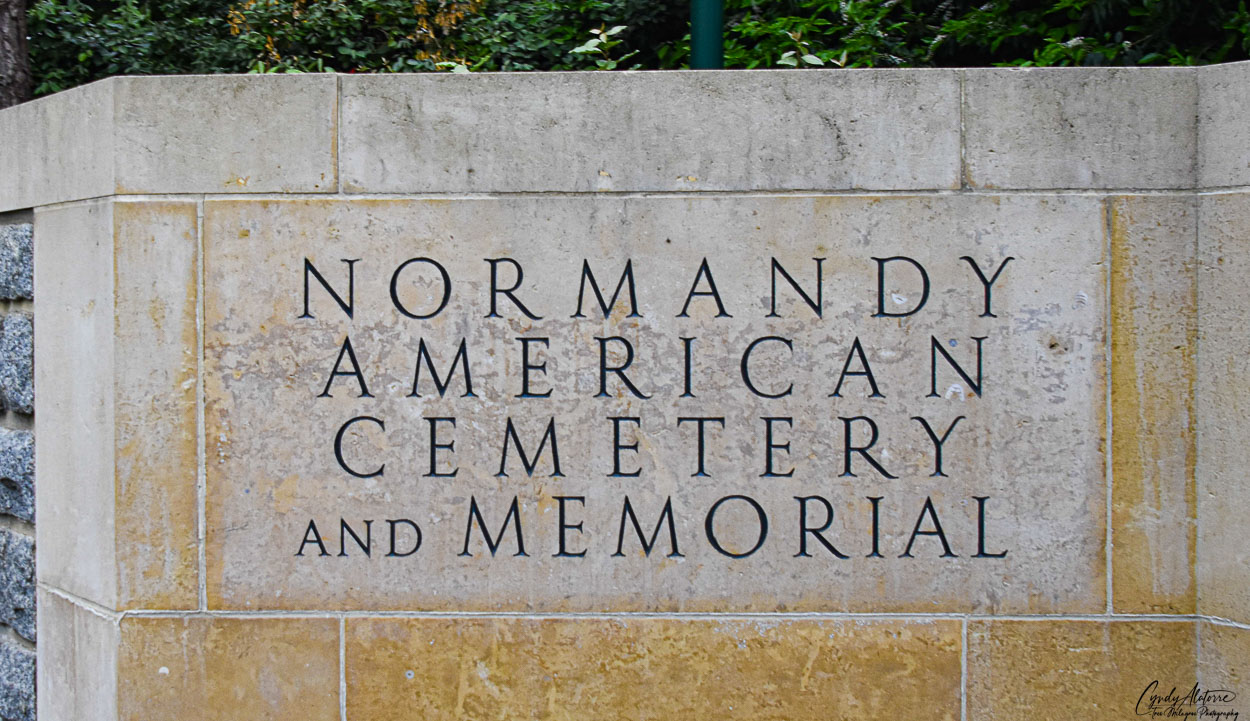
Sacred Ground. That is a pretty good definition of the Normandy American Cemetery and Memorial.  It is a final resting place for the 9,387 U.S. service members , most of whom died on D-Day on June 6, 1944. For some, it is where they come to remember their family member who died that day and for others it may be a pilgrimage to bring closure and healing. Others come to learn and understand. For me, it was our last stop before we wrapped up our trip to the Normandy region and and was the perfect way to end my bucket list trip.

Shortly after the war, France bestowed 172 acres of this beautiful space, just east of the original burial area, to the United States government to create a formal burial area to relocated those killed and immediately buried after the D-Day invasion. This generous act was a token of France’s deep appreciation and thanks to their American liberators for their service and great sacrifice to free their citizens and country.

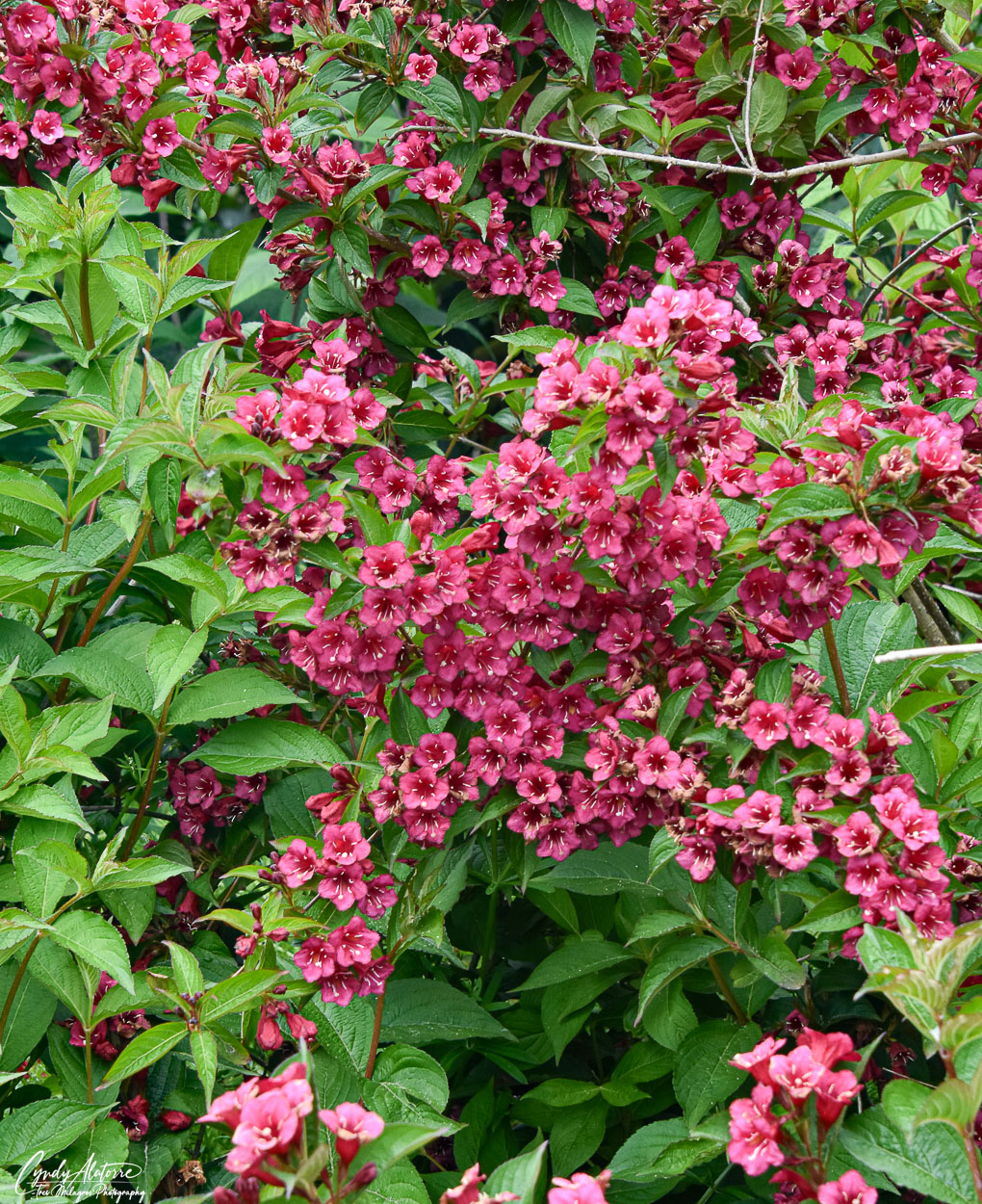
As we walked along the entrance to the cemetery and memorial, we came across beautiful landscape. It was very pretty but I immediately noticed that it was different from what I had been seeing in the countryside the last few days. There were Pine trees, flowers and foliage I have seen back home. It felt familiar. But why was it here?

Our guide shared with us that in designing this special site, their goal was to create a resting place that would resemble being in the United States. During World War II, the casualties from the D-Day invasion were not returned home and instead were usually interred near where they died. Often families were not able to attend services for their loved one. This was all the more reason that the architects understood the importance and significance of creating a place ” like home” for these service members to be buried at. Utilizing trees, flowers, bushes as well as other greenery native to America, they successfully create a sacred and similar “home” for these allied members to be buried at to rest in peace.

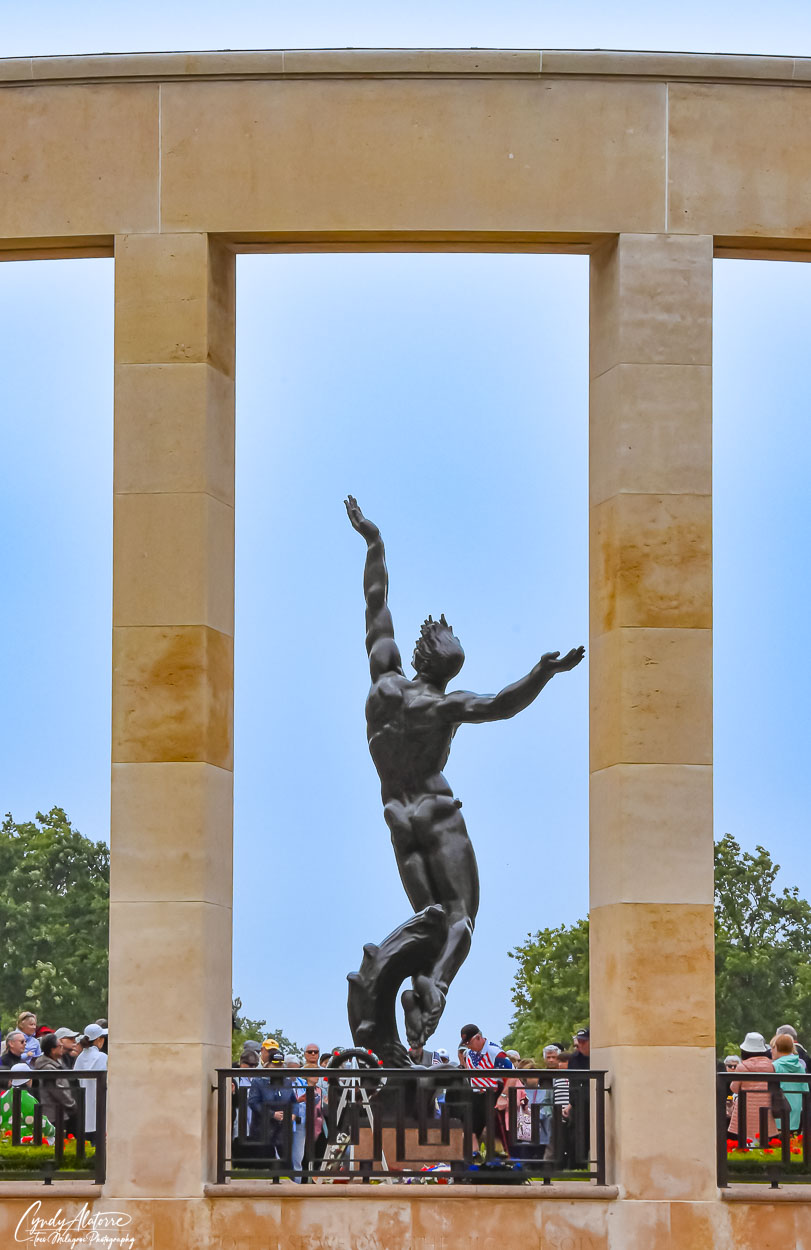
Coming into the memorial you can not help but notice the large and impressive statue between several tall stone columns, whose arms are open wide as if embracing the sky. Looking more like a work of art, my impression was that it was a tribute to the spirit of the young men who died on D-Day. It was beautiful, strong, and in a way gave a sense of hope. It was a reminder of the huge loss of youth and life on the beaches near by and that their spirit lives on.

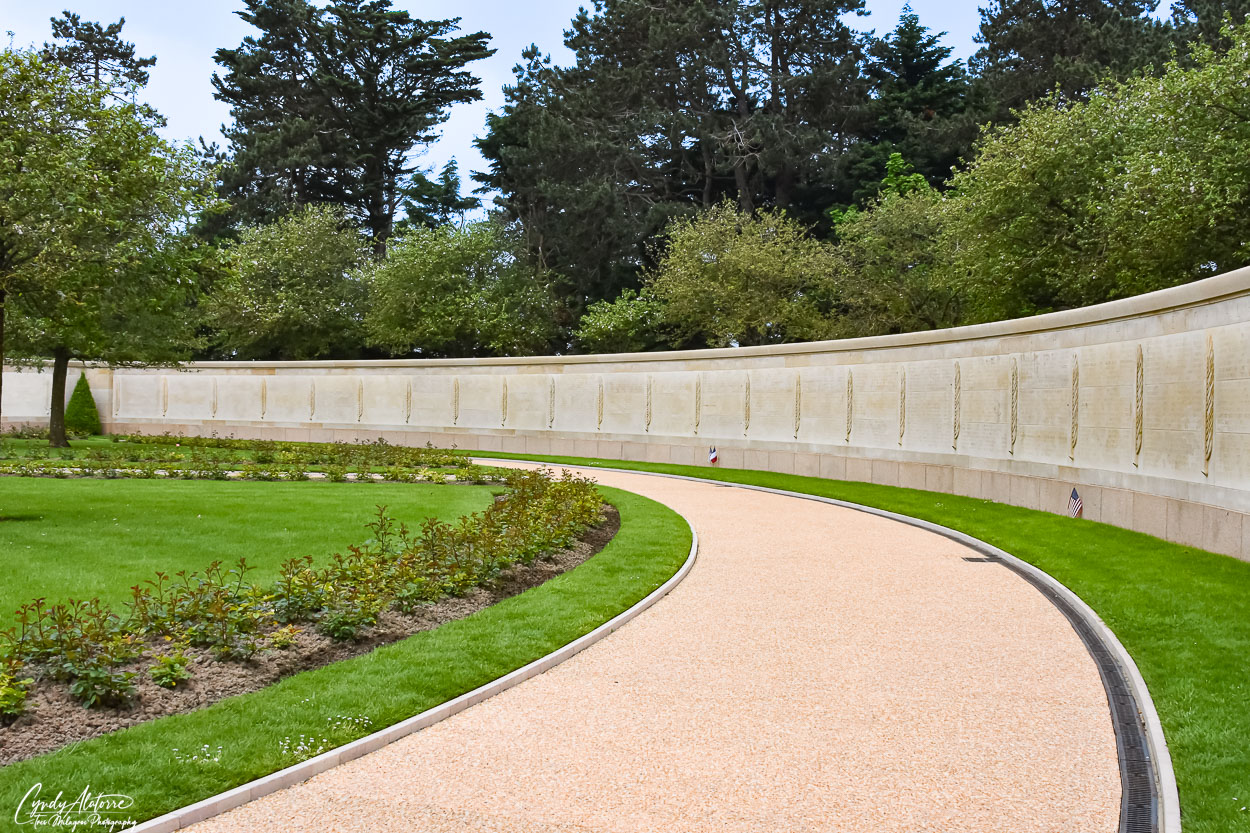
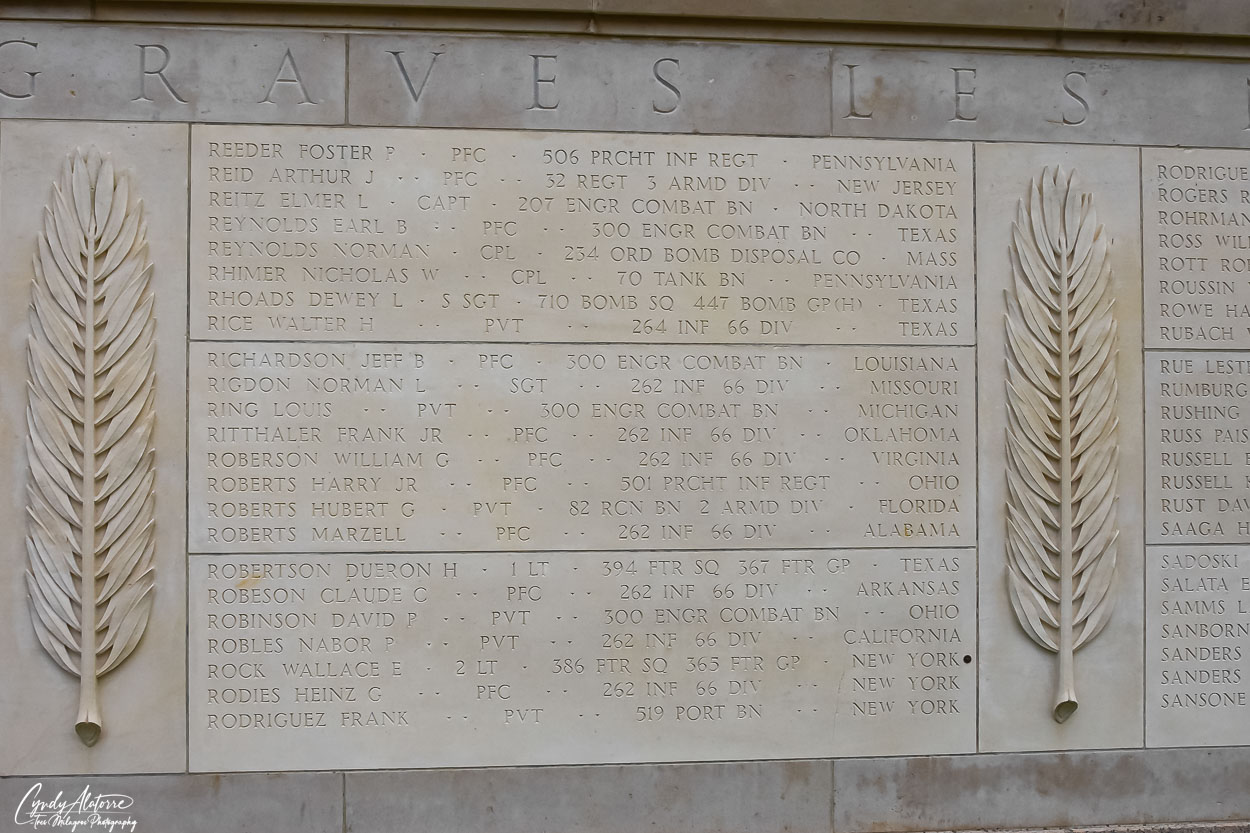
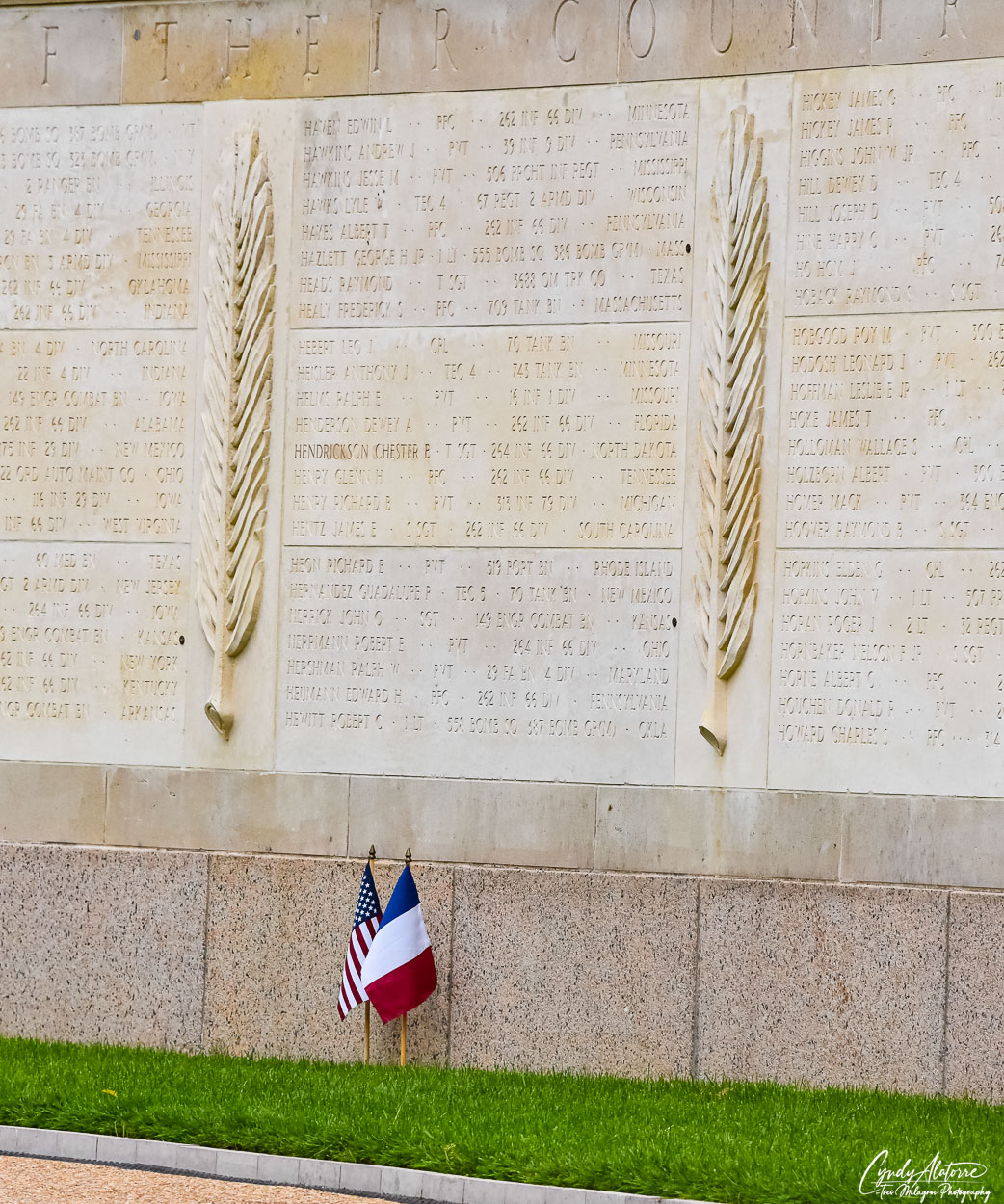
At the rear of the memorial was the Wall of the Missing. This garden is home to the names of 1,557 service members who were killed during the D-Day invasions and were missing or could not be identified or accounted for. The garden consist of roses, grass and trees encircled by two large semicircular walls that have the names of these service members engraved into the stone. There were so many names. It made its point. We were told that every so often, the remains of the servicemen would be found and they were able to render honors and properly bury them. When this happened, they would put a small marker next to the name on the wall to indicate that they had been found. Look at the photograph below and you will see a small black marker next to a name of a servicemen they located.

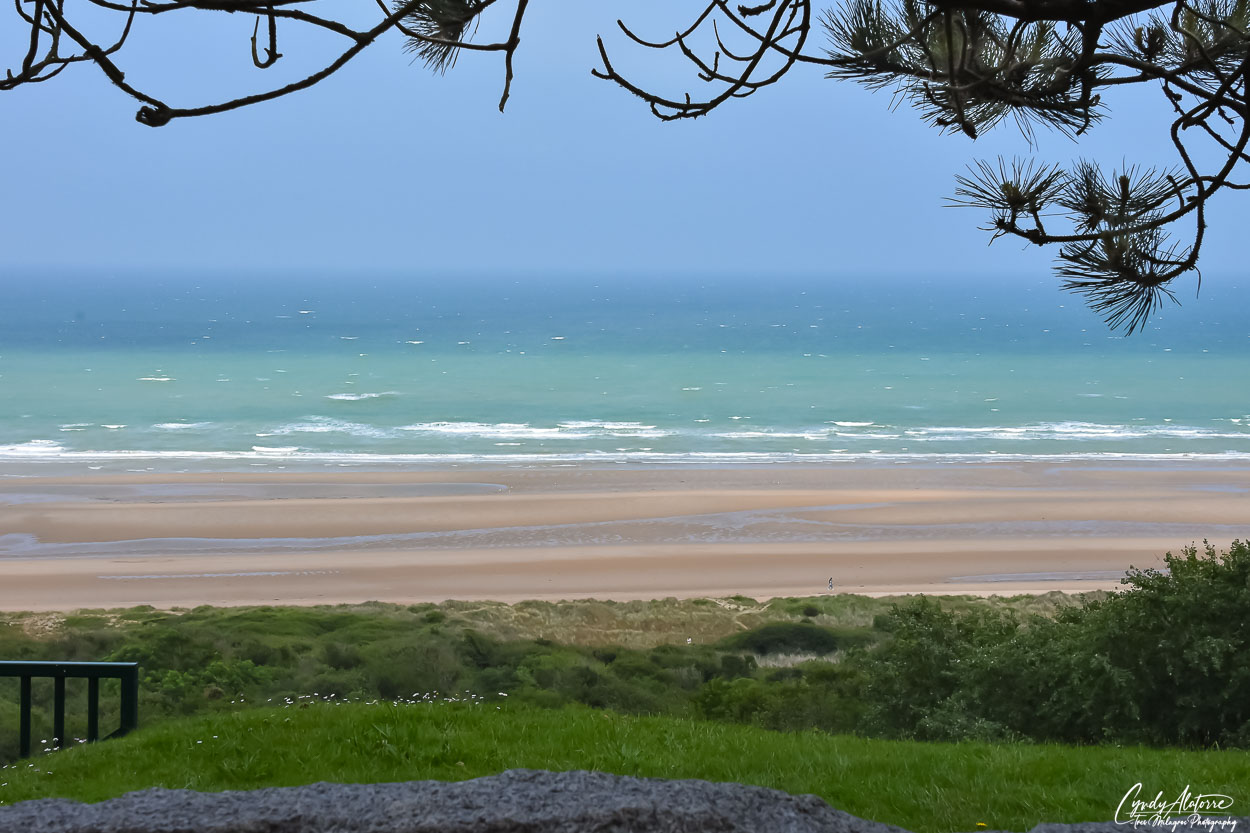
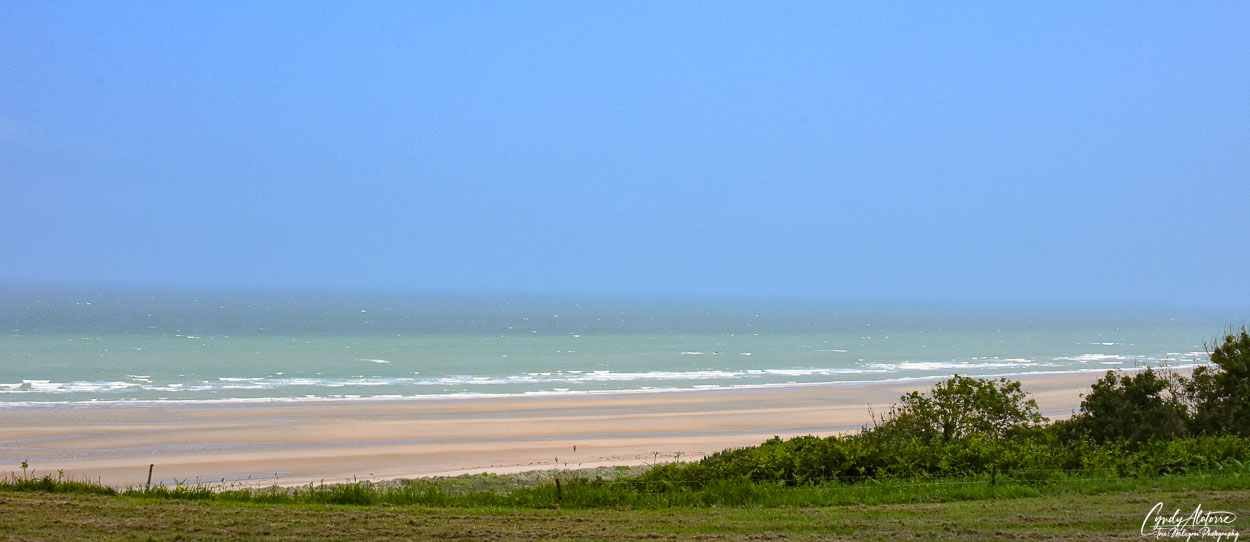
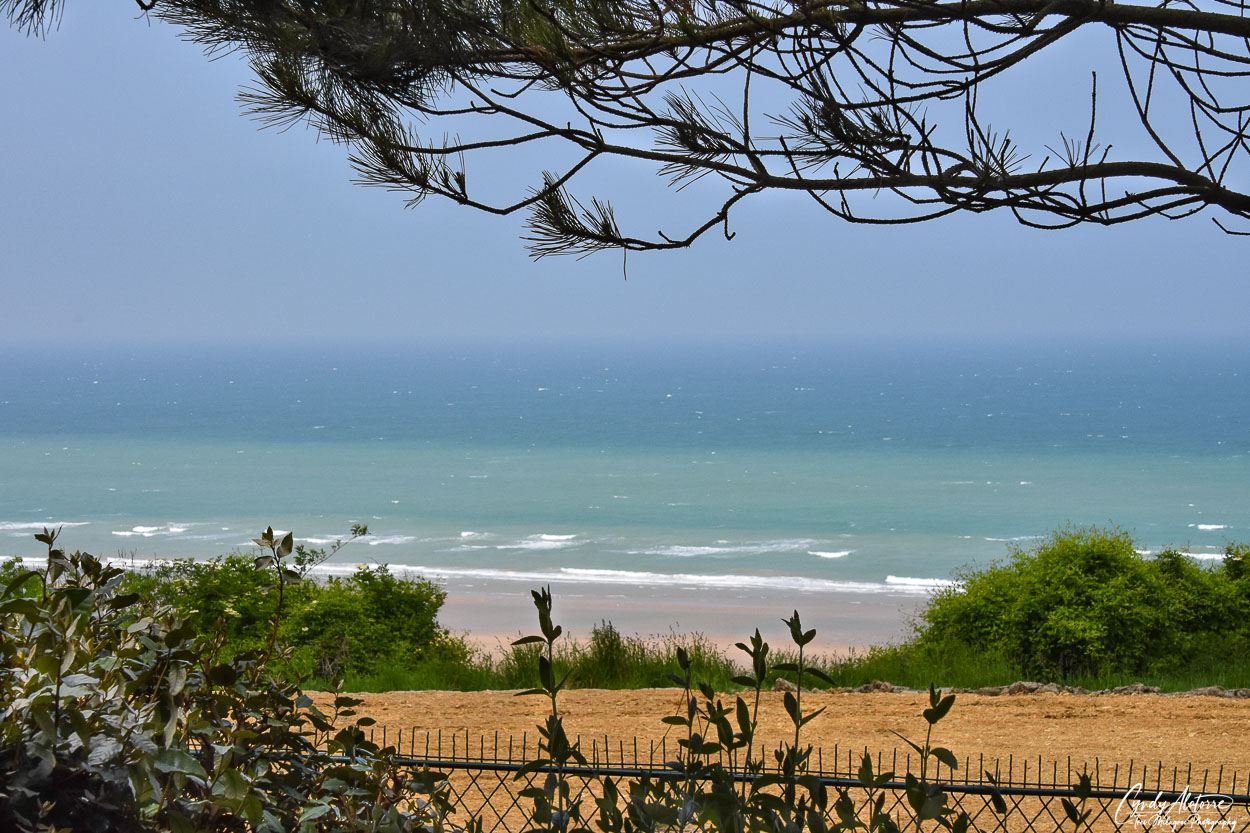
Being on the bluffs above Omaha Beach, you feel the sea breezes and could smell the ocean. From the walkway the view is scenic with pine trees lined along the walkway. Different hues of blue and green blended together in the water and the shore looked smooth and calm. Looking straight out, it’s hard to imagine that thousand of warships were out in those seas and 34,000 plus servicemen stormed the shore below. It is fitting that the cemetery is located where it’s at and so close to where so many met their demise on the beach below. 

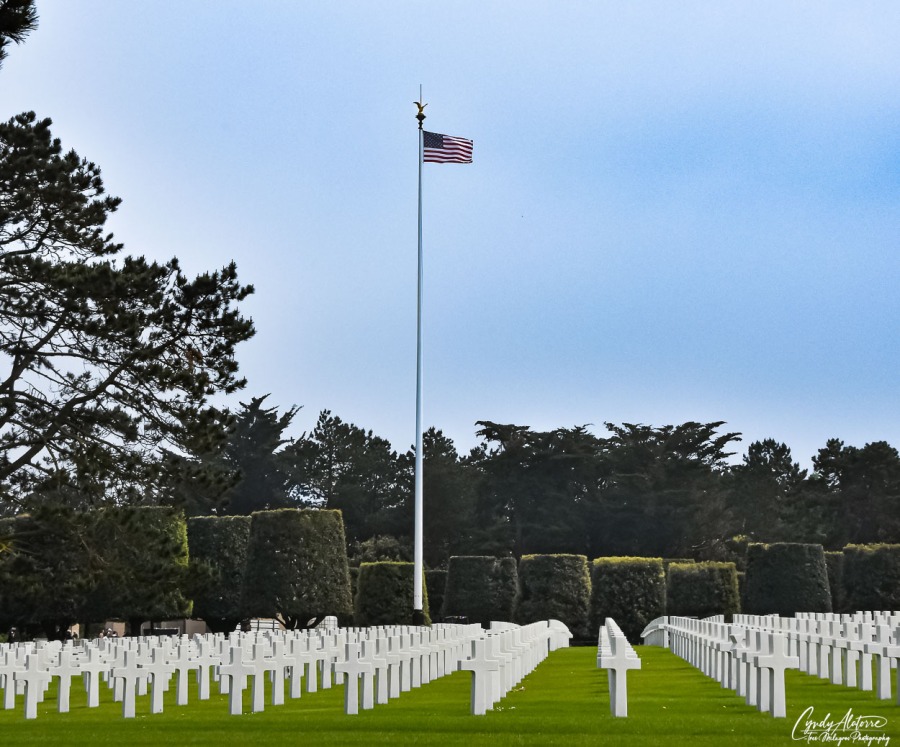
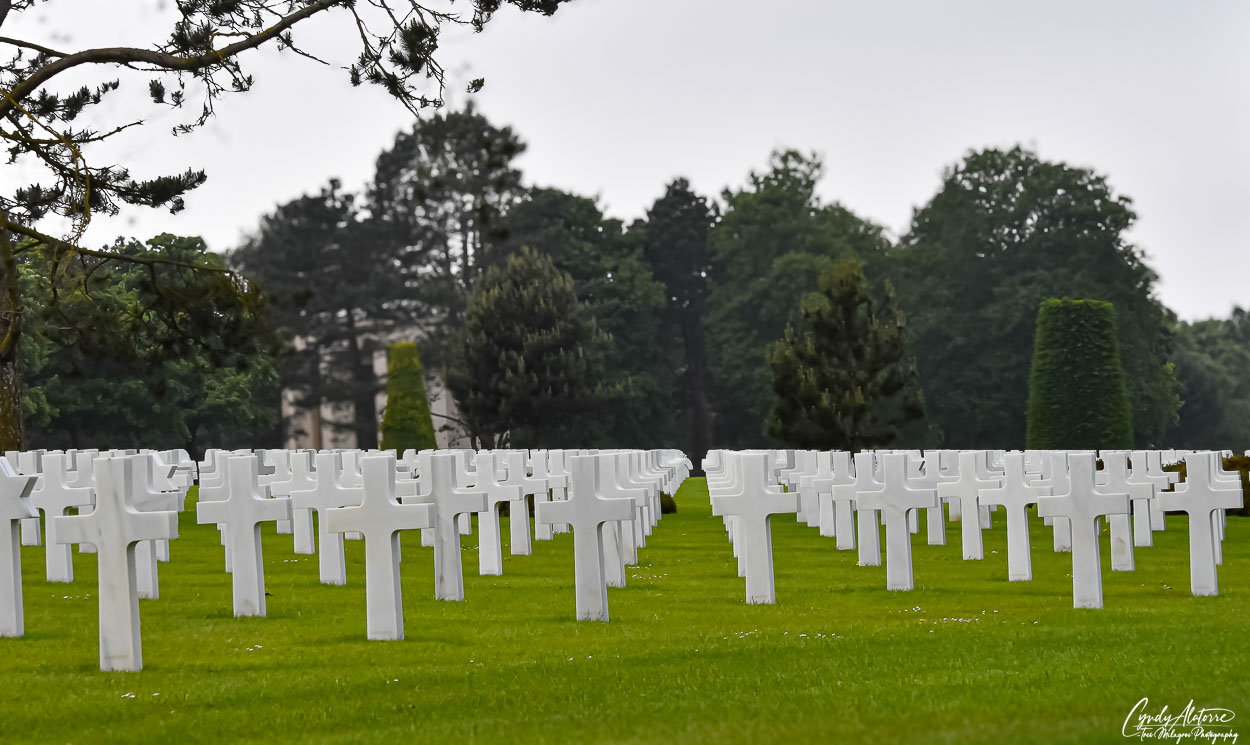
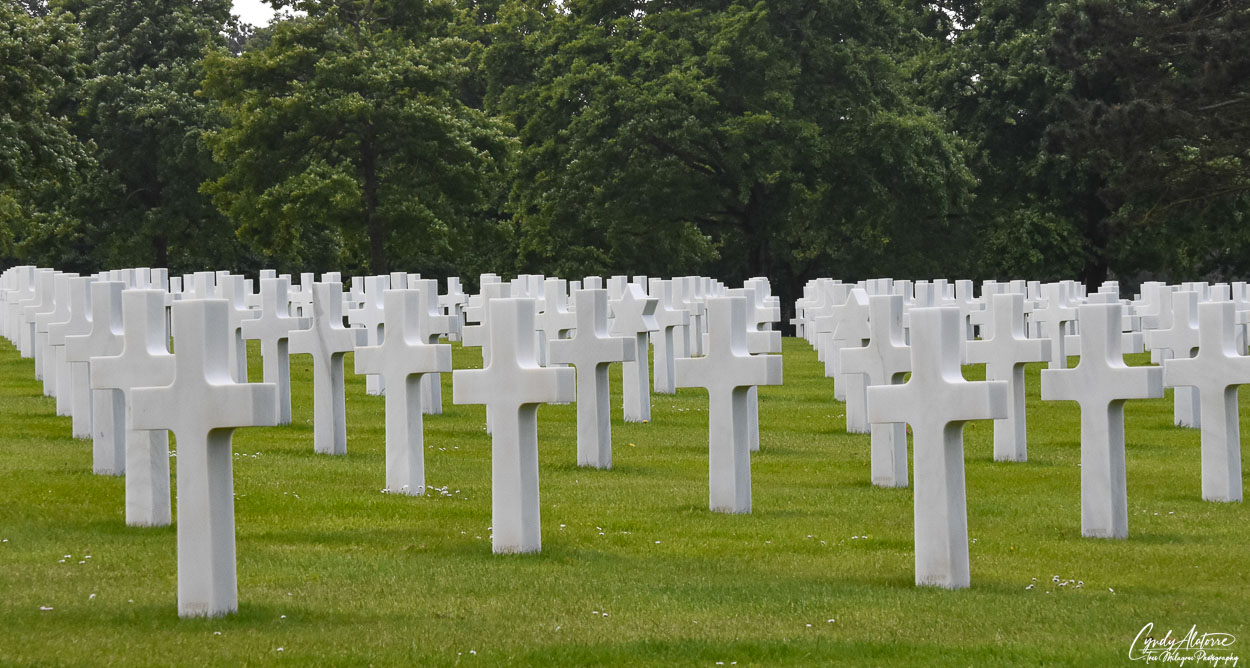
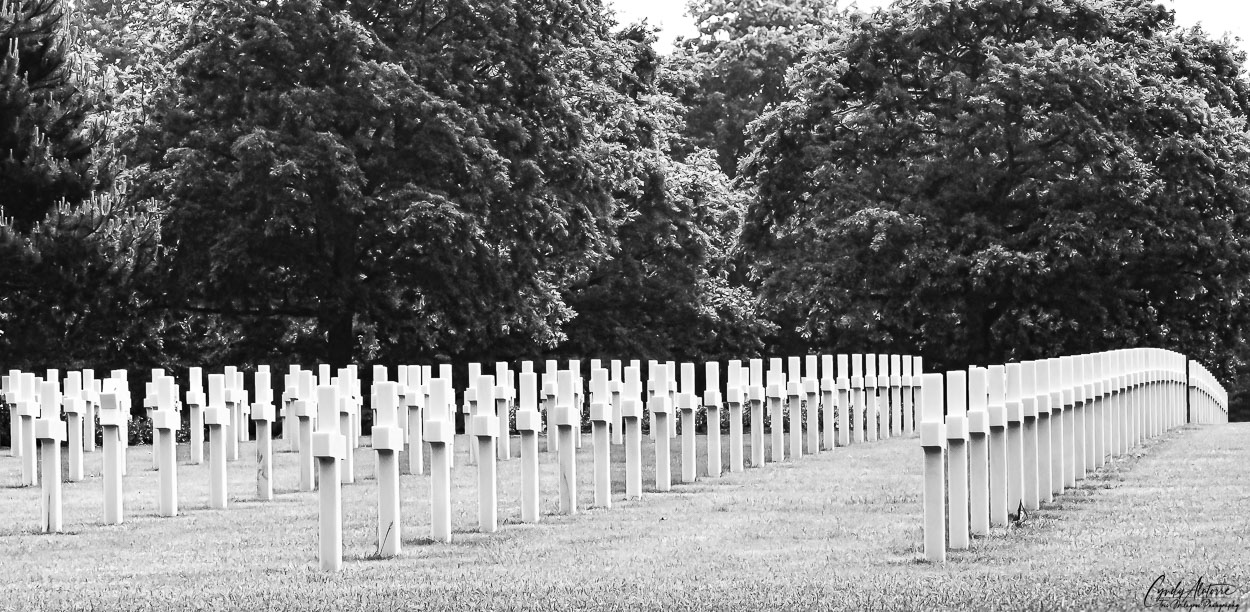
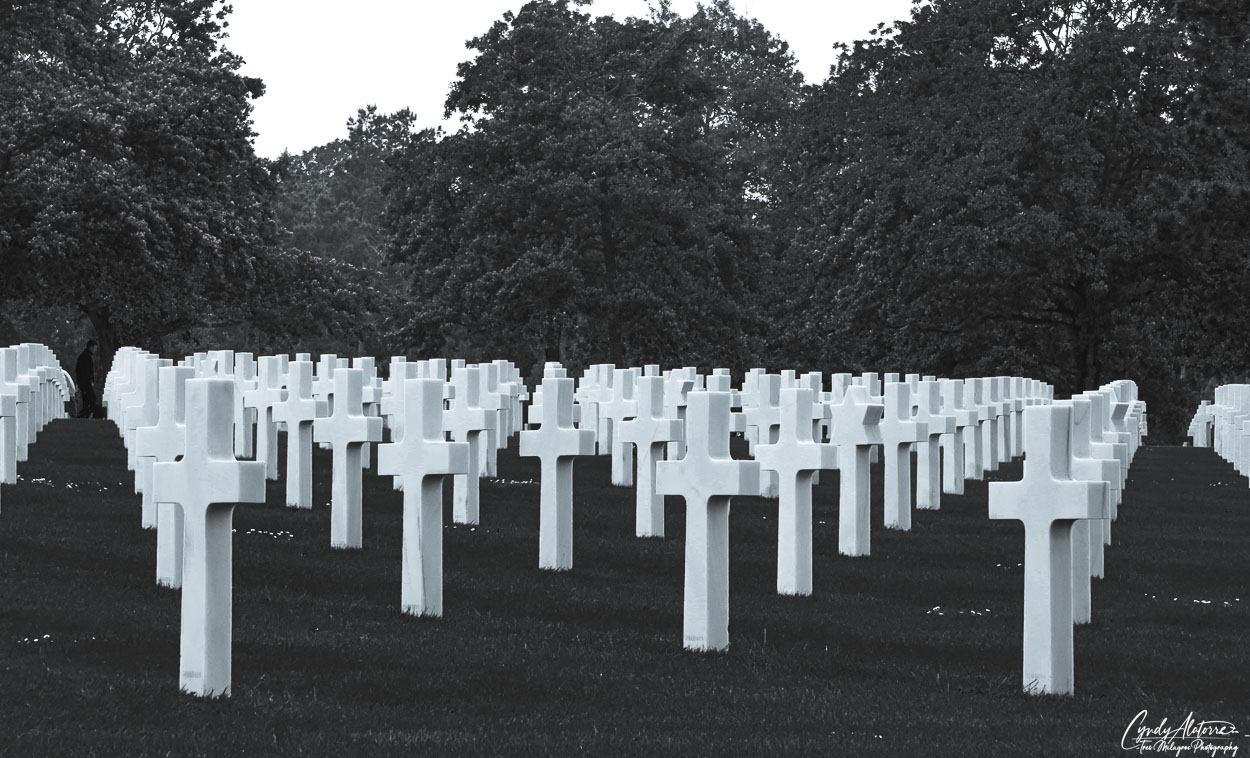
Just a few feet over on the other side of the walkway was the cemetery. Manicured lawns were filled with white Latin crosses and Star of David gravestones, all perfectly aligned as if they were in formation. It was peaceful and serene and you could sense the historical importance of it all .

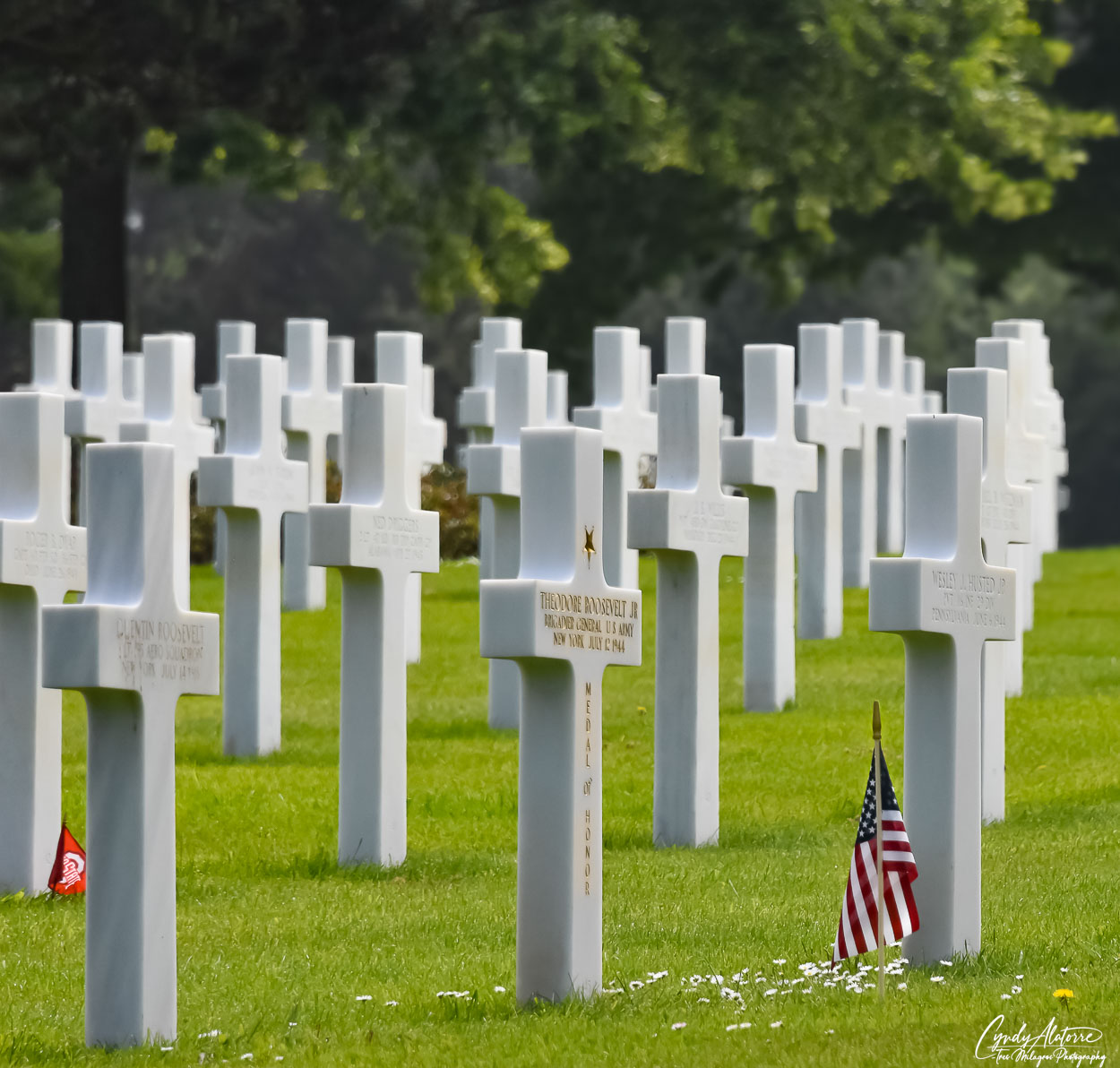
Brothers bonded by serving together are buried here. Thirty three sets of biological brothers are buried side by side and another 12 brothers lie in the same cemetery, just different areas. There is even a father and son buried side by side as well as three Medal of Honor recipients, one of which is Theodore Roosevelt Jr., son of President Theodore Roosevelt. 

Walking around the grounds, there was an air of reverence and visitors were respectful as they made their way through the memorial, gardens and cemetery. The cemetery is also home to the The Normandy Memorial Center. It was good to see this center making an effort to teach current and future generations of the significance of D-Day and the sacrifice that were made by so many during World War II.

After experiencing the cemetery, surrounding grounds and various sites, I left with a better understanding and appreciation for many things. Among them is a greater appreciation for those that participated in the D-Day invasion, the sacrifice that these servicemen and their families made for this great cause and fortunate to be able to travel in person to see and sense where history occurred. Again, traveling proved to be a great teacher. 

Wrapping up this “history” segment of our trip, it was time to leave. The Normandy region is a beautiful area with many towns, beaches and things to explore. Everywhere we went, the citizens of the various towns were friendly and willing to share about their small communities and expressed their appreciation for their American liberators, even 80 years later. My only regret is that we didn’t have enough time to see everything, but therein lies a silver lining in that we we just have to come to Normandy again! 

Until next time, we’ll keep moving on and see were we go via El Camino Thru My Lens.

Featured

“Operation Overlord” ~ D-Day June 6, 1944 Normandy, France

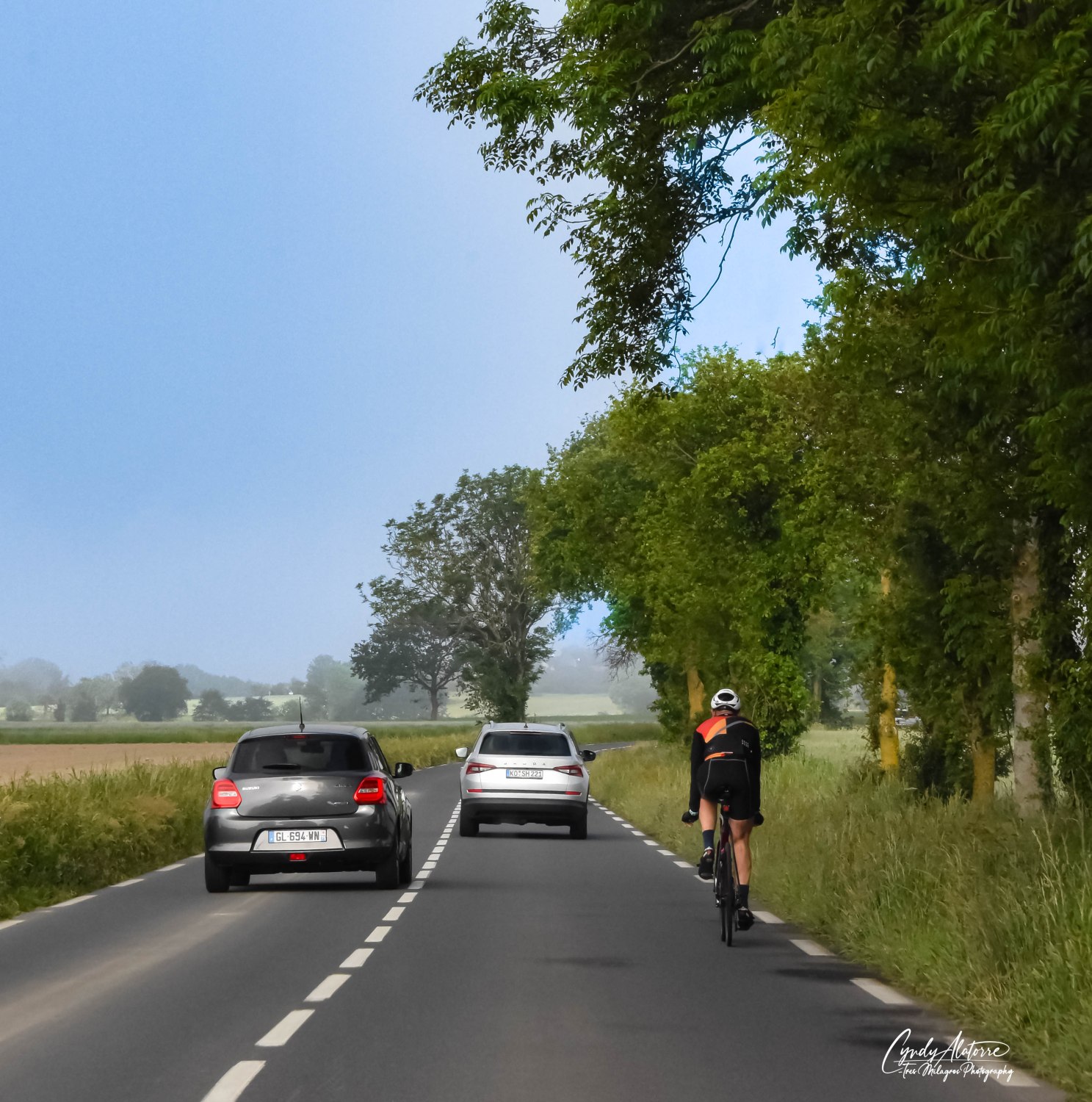
Open green fields, tall lush trees that line the roads and local farm animals scattered along the landscape. This was my view as we begin our visits to the beaches and towns along the Normandy coastline. Driving down the road, I’m admiring this beautiful countryside as I know it was not always like this. Normandy has been on my bucket list and we were finally here. I did my research, learned as much as I could and now it was time to visit these places to see where history took place.

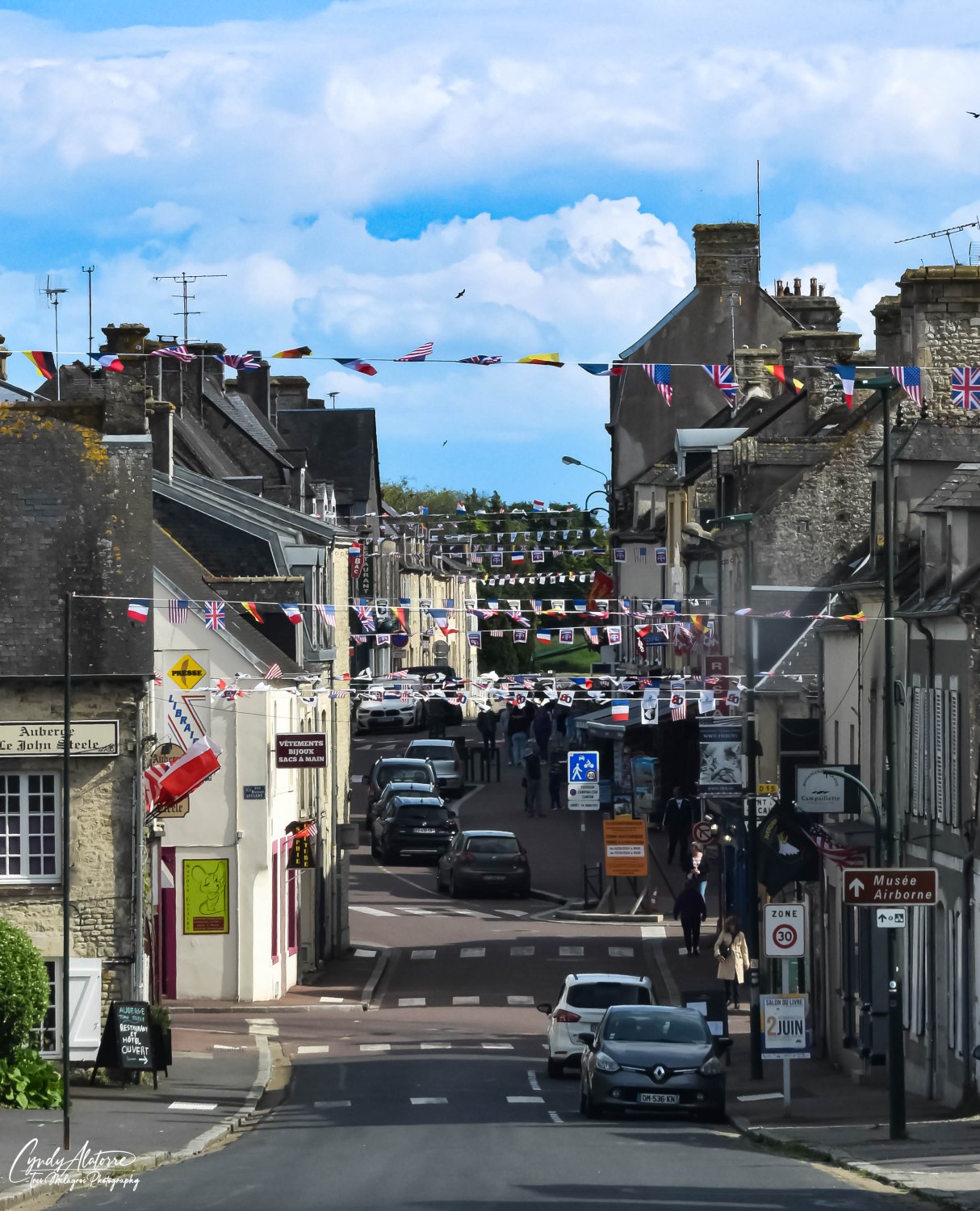
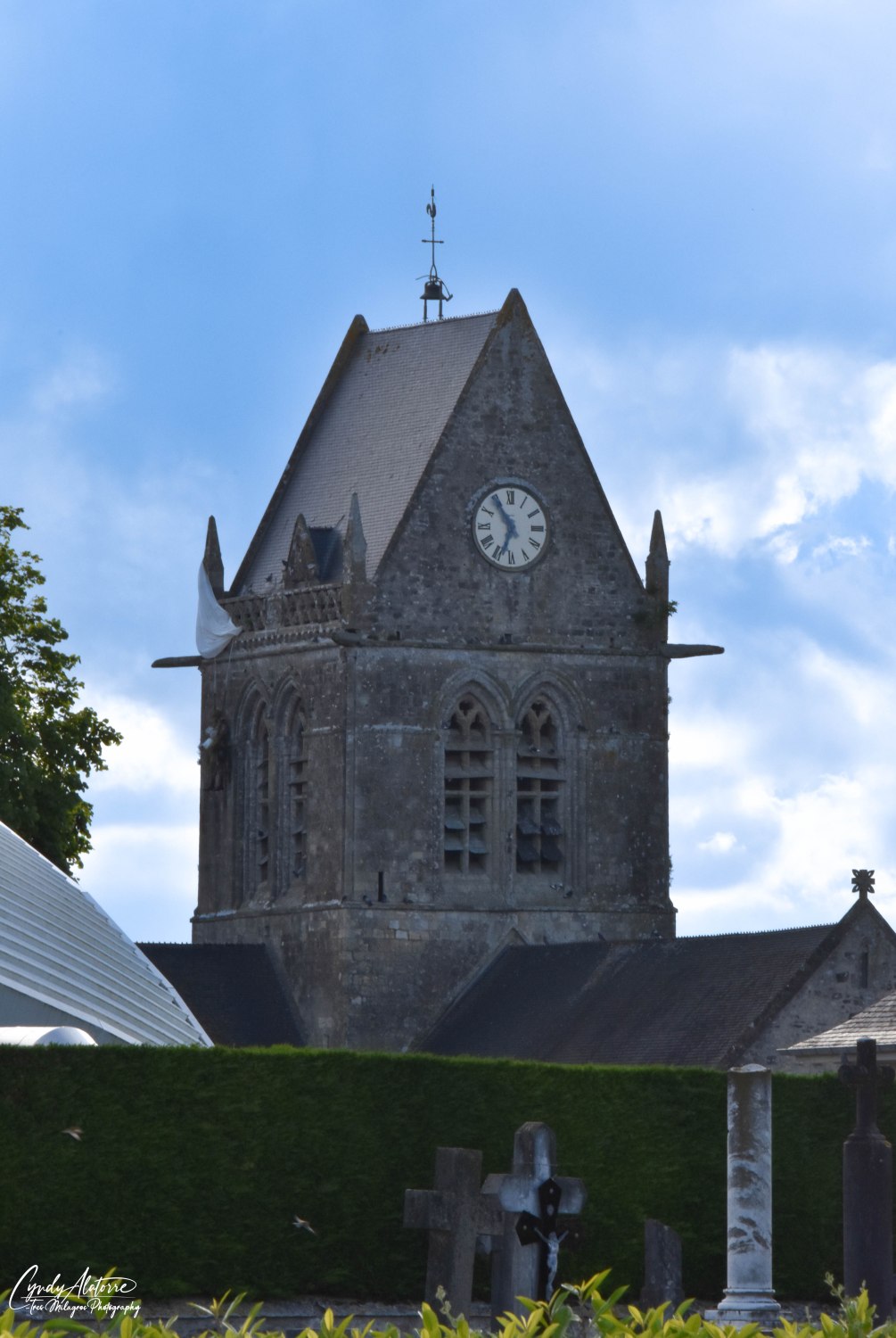
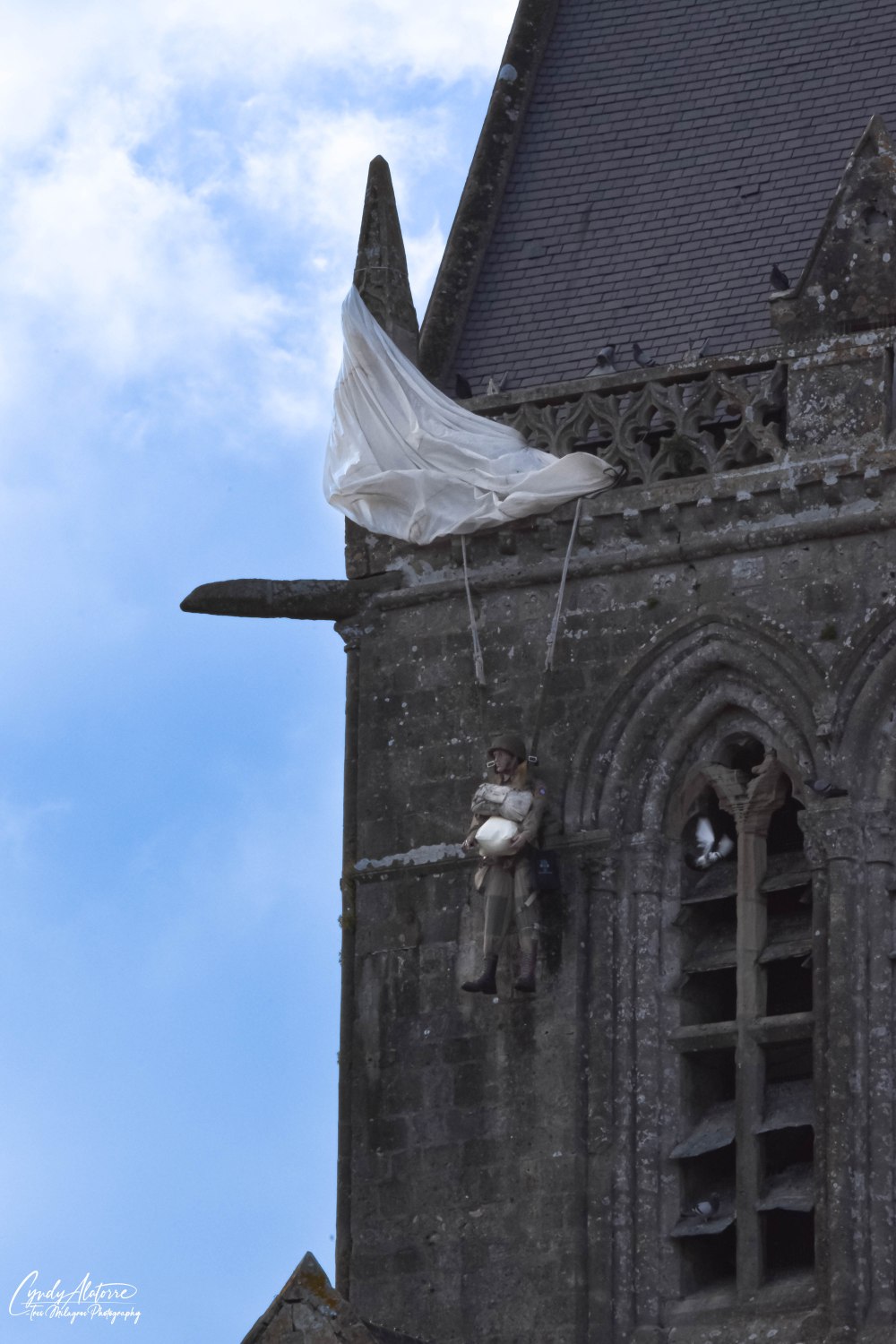
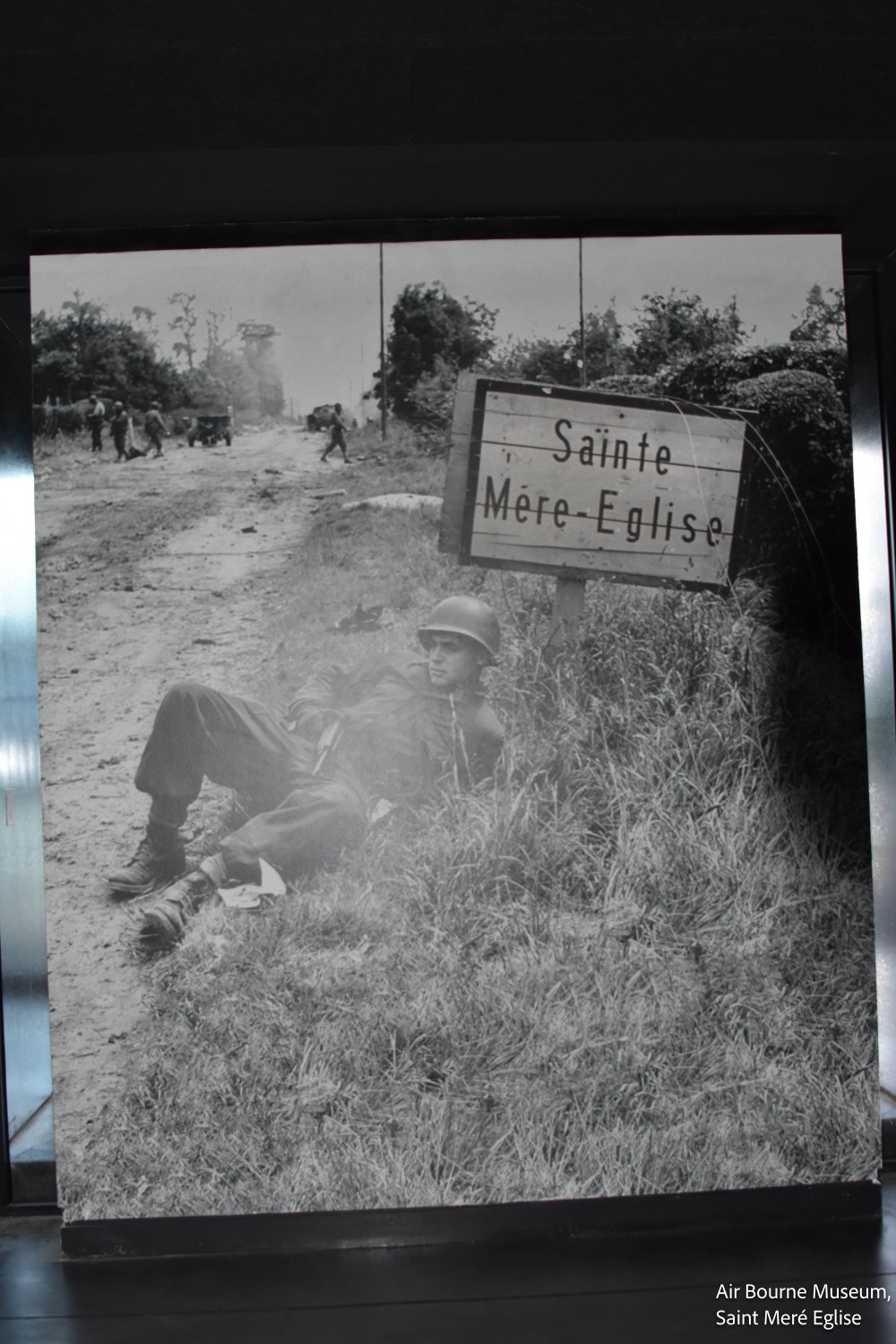
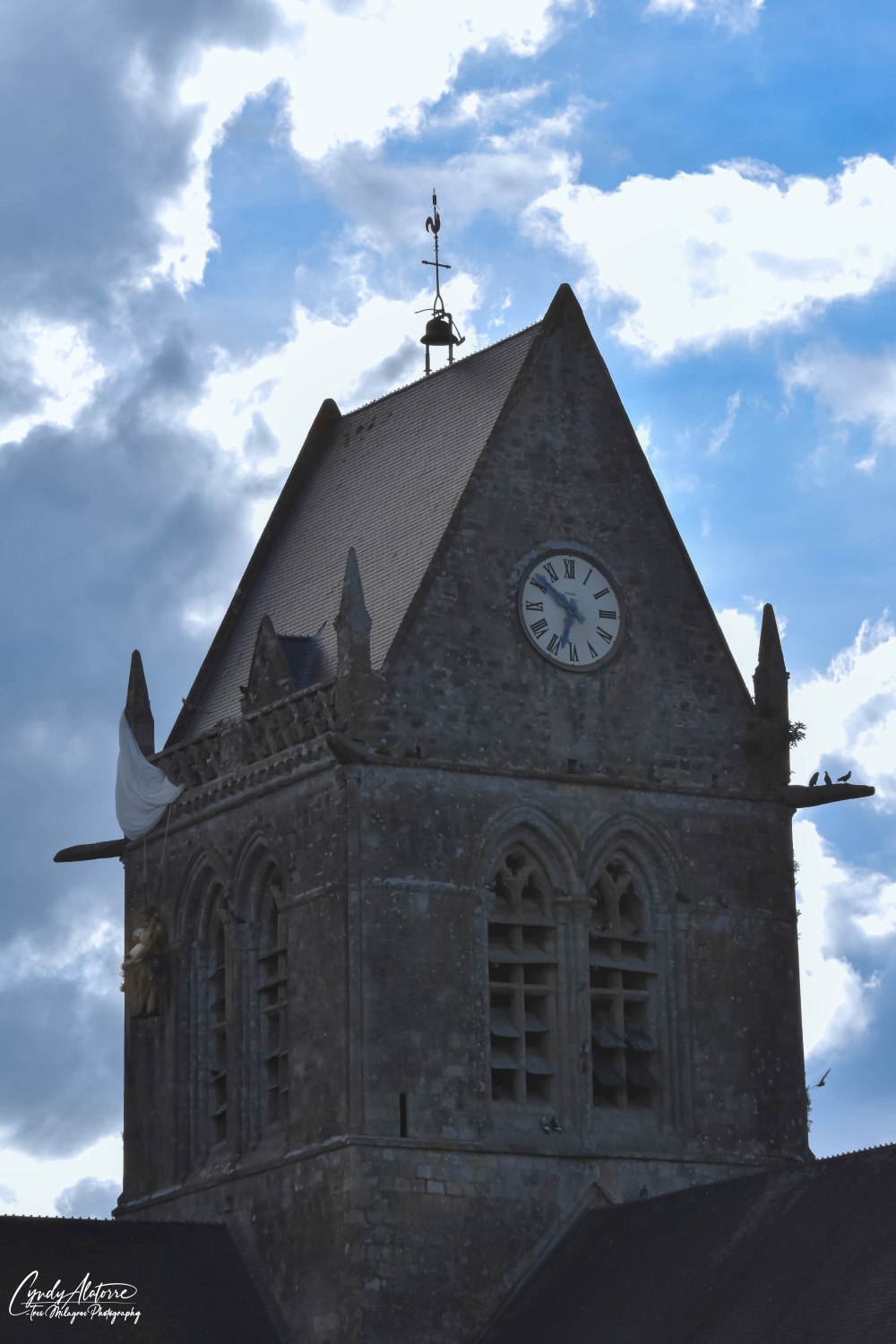
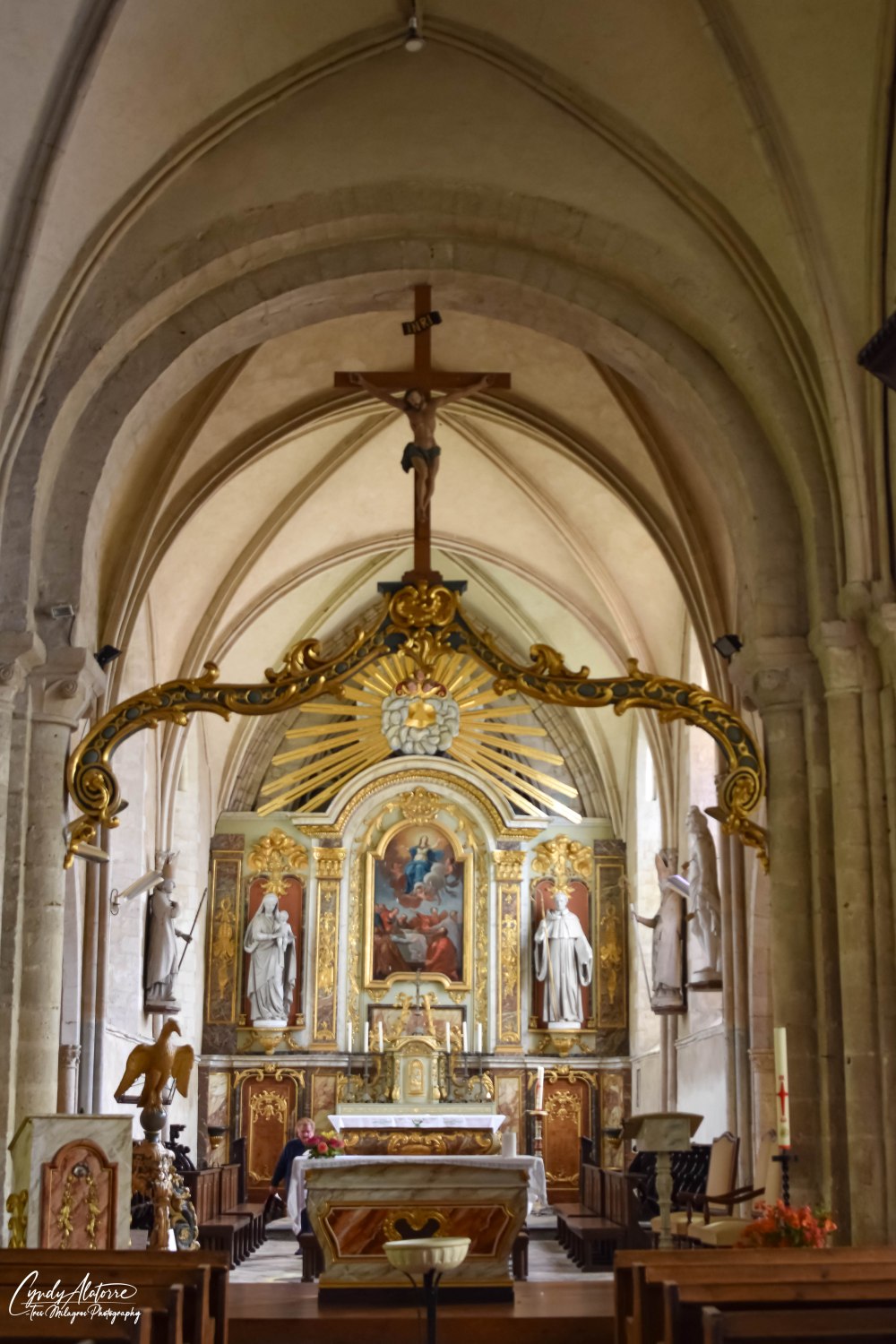
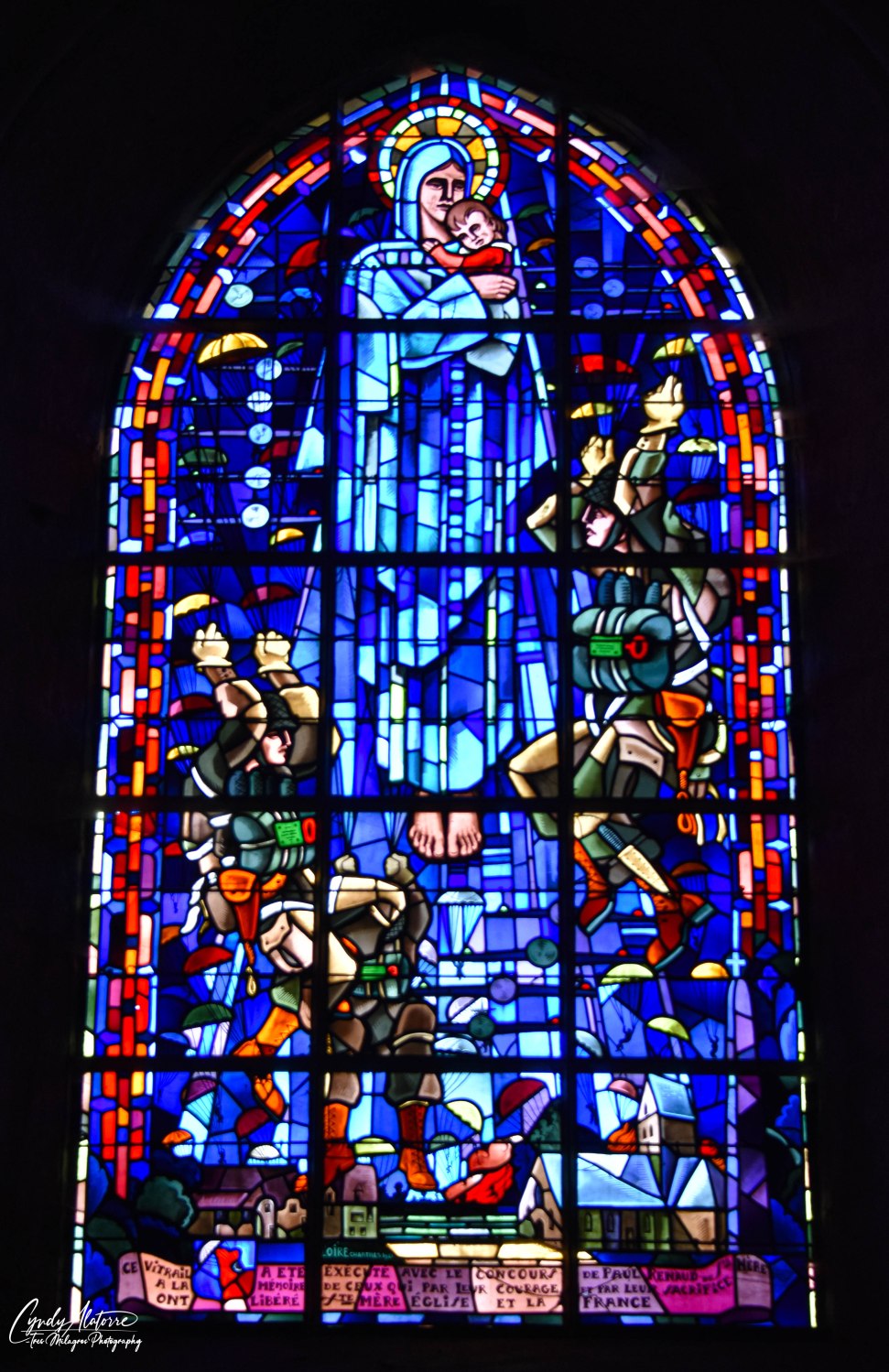
Our first stop was Saint Meré Eglise.  With its flag banners welcoming us, we drove in and parked near the town square and church. Glancing around, the first thing I noticed was a mannequin with a parachute hanging from the church spire. I figured there had to be an interesting story behind this. Pvt. John Steele, of the 82ndAirborne Division, was one of the 13,000 paratroopers that was landing behind enemy lines in the Normandy area on that early June 6th morning in 1944. As he descended into Saint Meré Eglise, he was hit by shrapnel, couldn’t direct his parachute and a wind current trapped him on the spire of the town church. Unable to get free, he hung there for two hours, pretending to be dead until the Germans took him prisoner. He later escaped and rejoined his division, and the story of John Steele was born for the town of Saint Meré Eglise. 

But this pretty little town was more significant than that. Saint Meré Eglise was centrally located on a route that goes directly to Utah and Omaha beaches, where the landings were to take place and the German forces would need to travel through it in order to counterattack the Allied Forces. Securing the town was crucial and so American paratroopers landed around the area, on rural farms and anywhere the wind took them. Many were being shot at as they landed, others got caught hanging from trees and utility poles. Two C-47 Dakota planes, transporting paratroopers, crashed near the town square and caught several buildings on fires. It must have been complete chaos. Yet with all this mayhem, the Americans were successful and Saint Meré Eglise was secured by the Allied Forces. This was one of the first major achievements on D-Day.

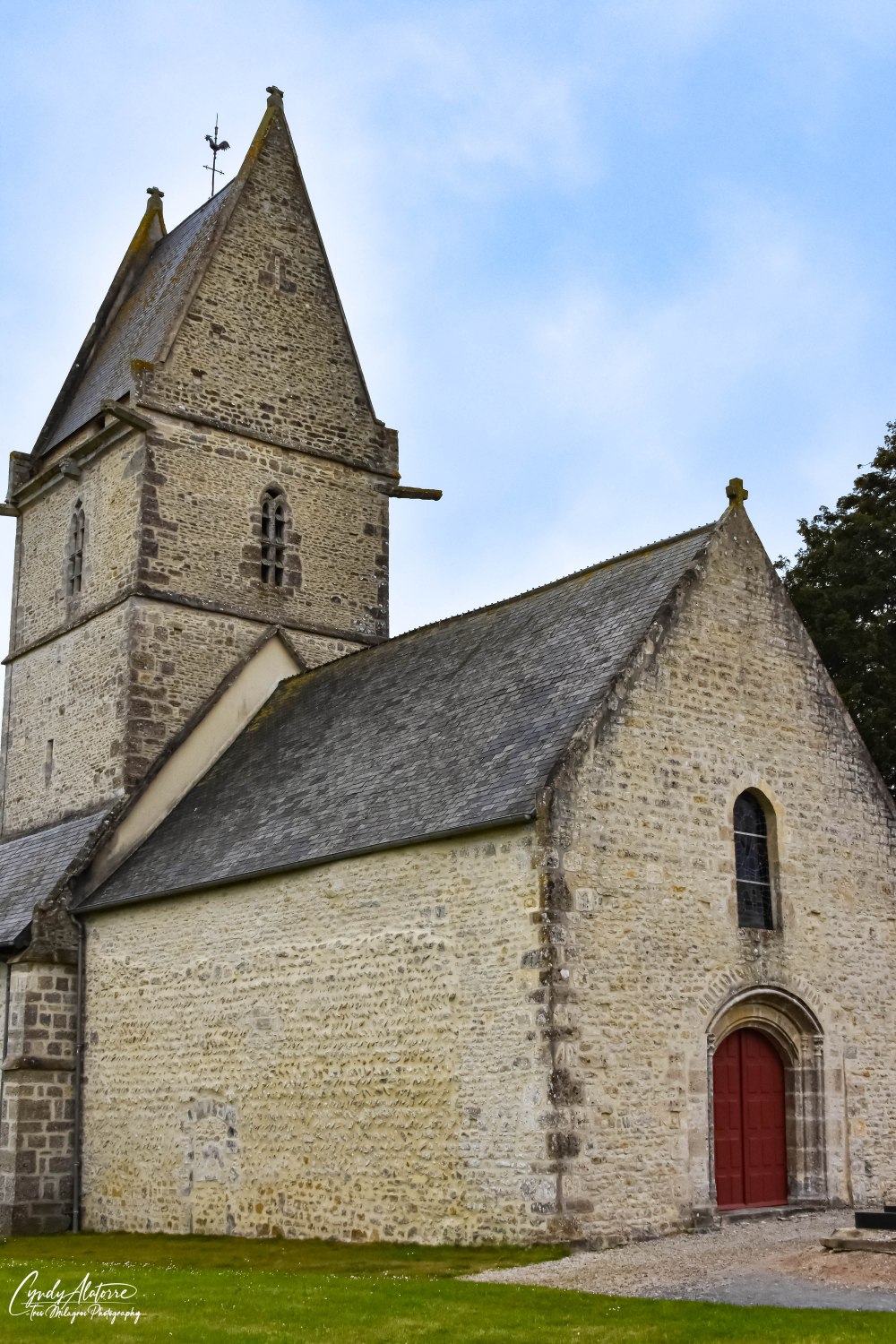
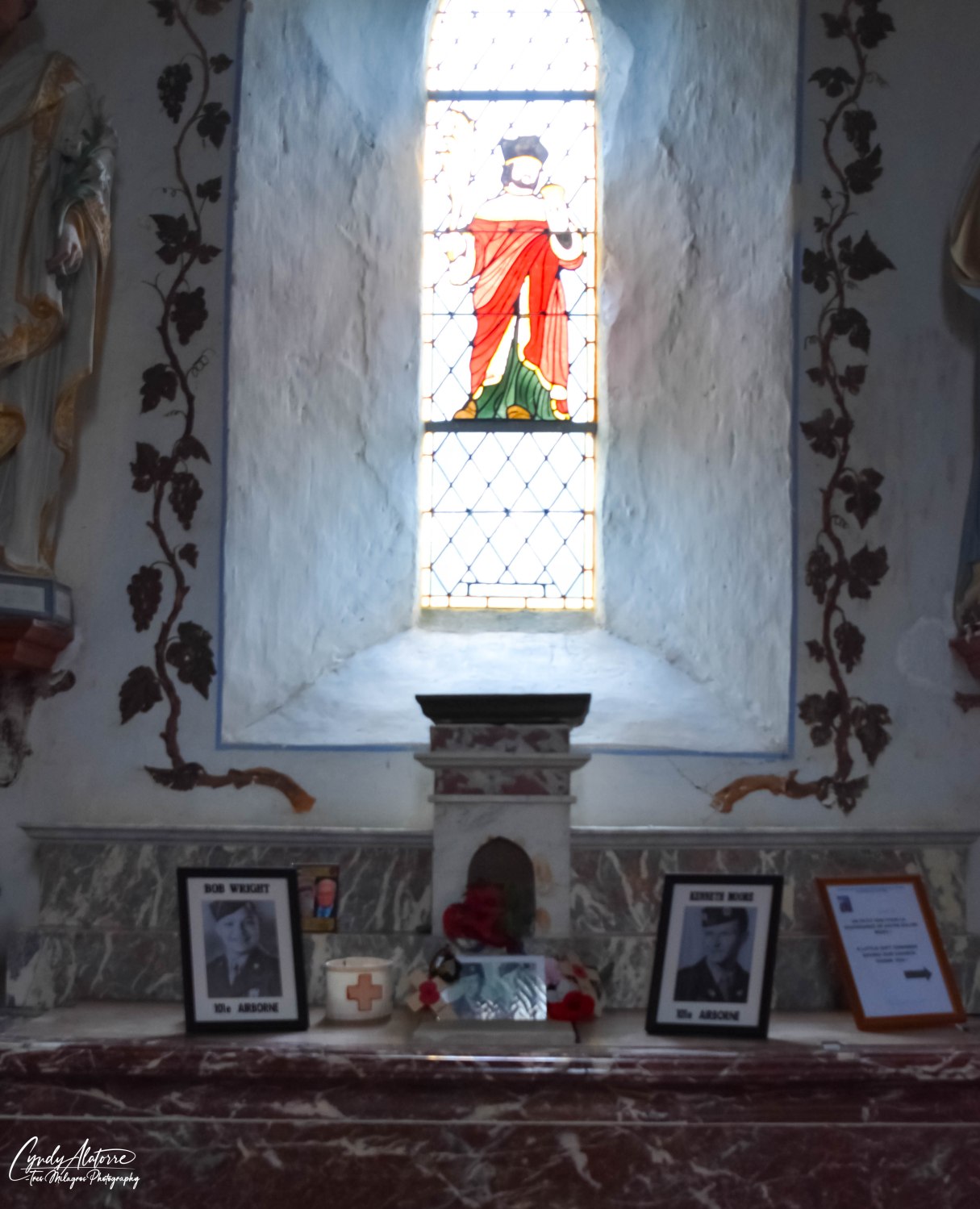
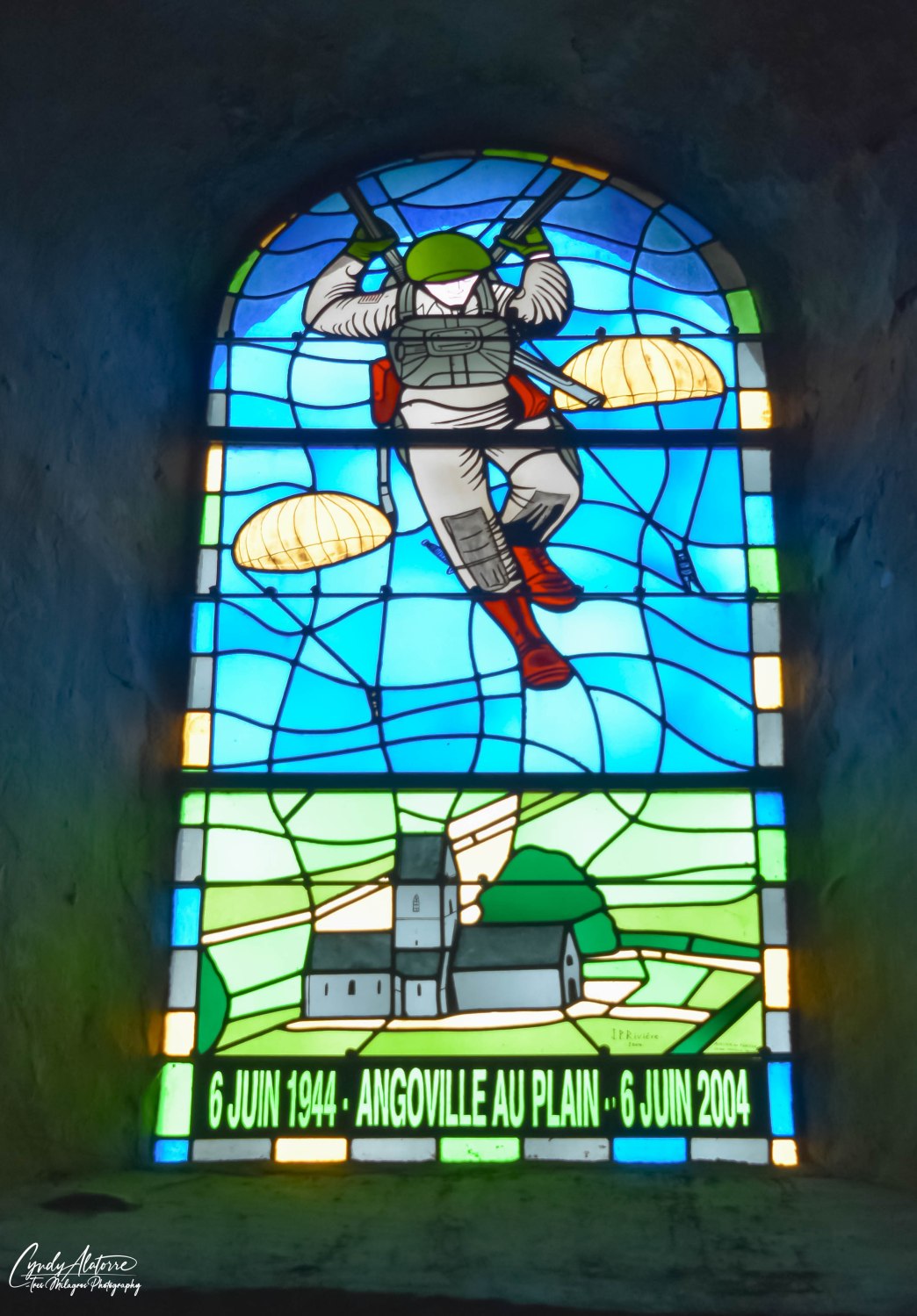
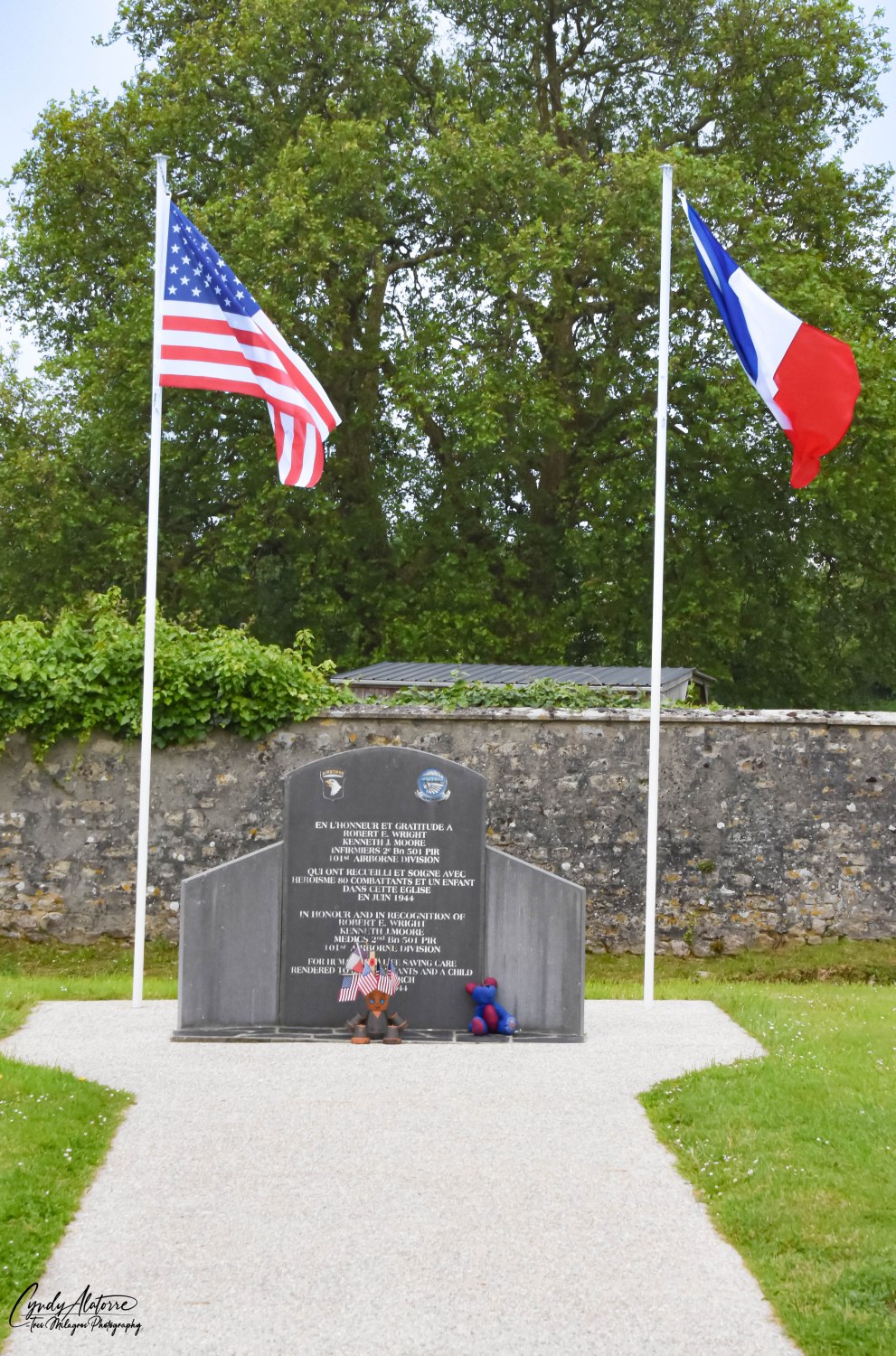
A short drive away, we next headed over to the small town of Angoville-au-Plain. Not as well known as its neighboring villages, this old small rural town had it’s own story to tell. Like neighboring areas, paratroopers quickly captured the town and two American medics, Kenneth J. Moore and Robert E. Wright, were tasked with setting up an improvised medical aid station.

Using the town’s old church, they immediately hung a white, red cross flag on the church and started to treat the wounded. What stands out about this story is that these two medics treated both American and German personnel and did not discriminate. They saw the injured as young men, not American or German, who needed help and the church was “sacred and safe” ground, both spiritually and literally. As fighting continued, German forces noticed the medics were treating both injured Americans and Germans indifferently. In response, the Germans did not attack the church and allowed these medics to tend to the injured. What is notable to me was the decency that was shown in a time of severe conflict. 

Angoville-au-Plain held a special place for the medics and Robert Wright’s wishes to be buried there were honored. His grave is located on the same church grounds where he practiced care and compassion for his fellow man without regard to their origin. 

Seeing these towns and learning their stories was putting together the visual puzzle in my head about what D-Day must have been like. It wasn’t only an invasion on the beaches that happened. It was a multitude of towns, people and events all jumbled together. Now it was time to head to the coastline to get some more pieces for my that mental puzzle. 

Picturesque and vast, the Normandy coastlines topography varies from high cliffs to flat shoreline. The targeted areas for the invasion was over a 50-mile stretch of coastline and the given names for the landing areas were Utah Beach, Omaha Beach, Gold Beach, Juno Beach and Sword Beach. With the American, British, Canadian and French forces making up the larger groups to lead the assault, each was assigned and responsible for their designated areas. So on June 6, 1944, at 6:30 a.m., the largest amphibious invasion in history began. 

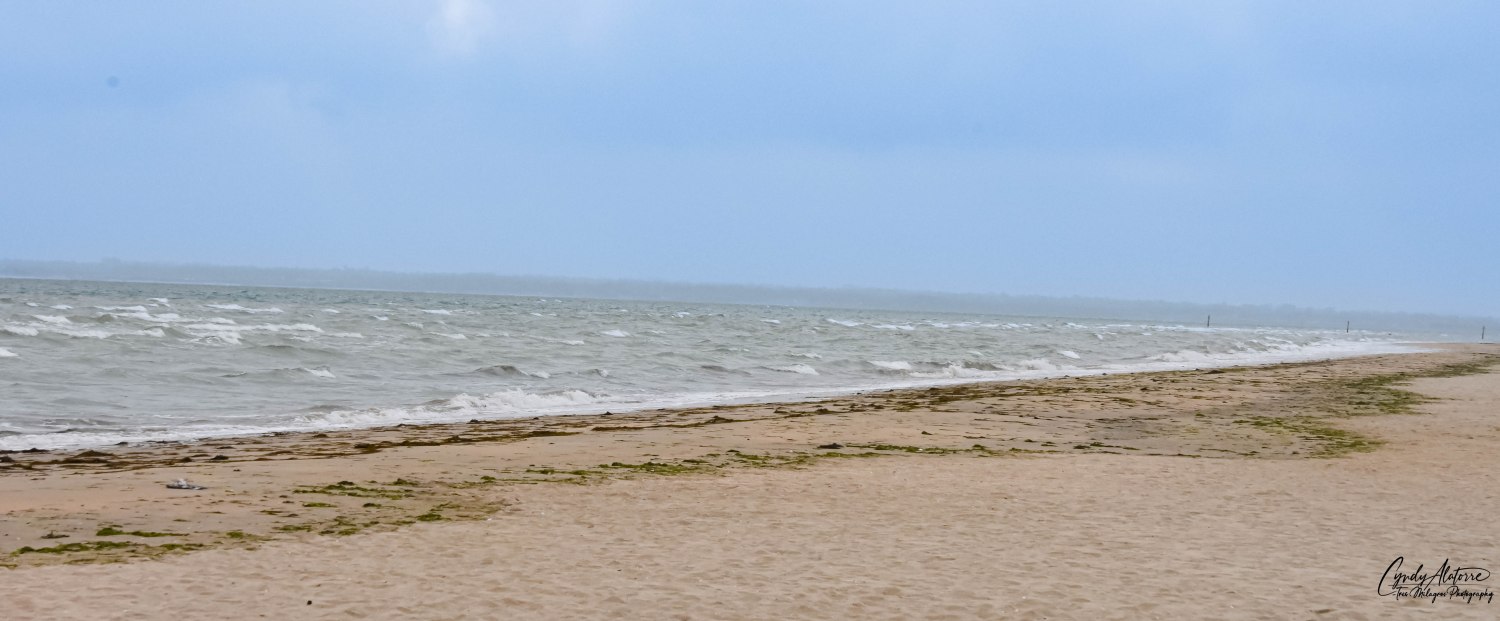
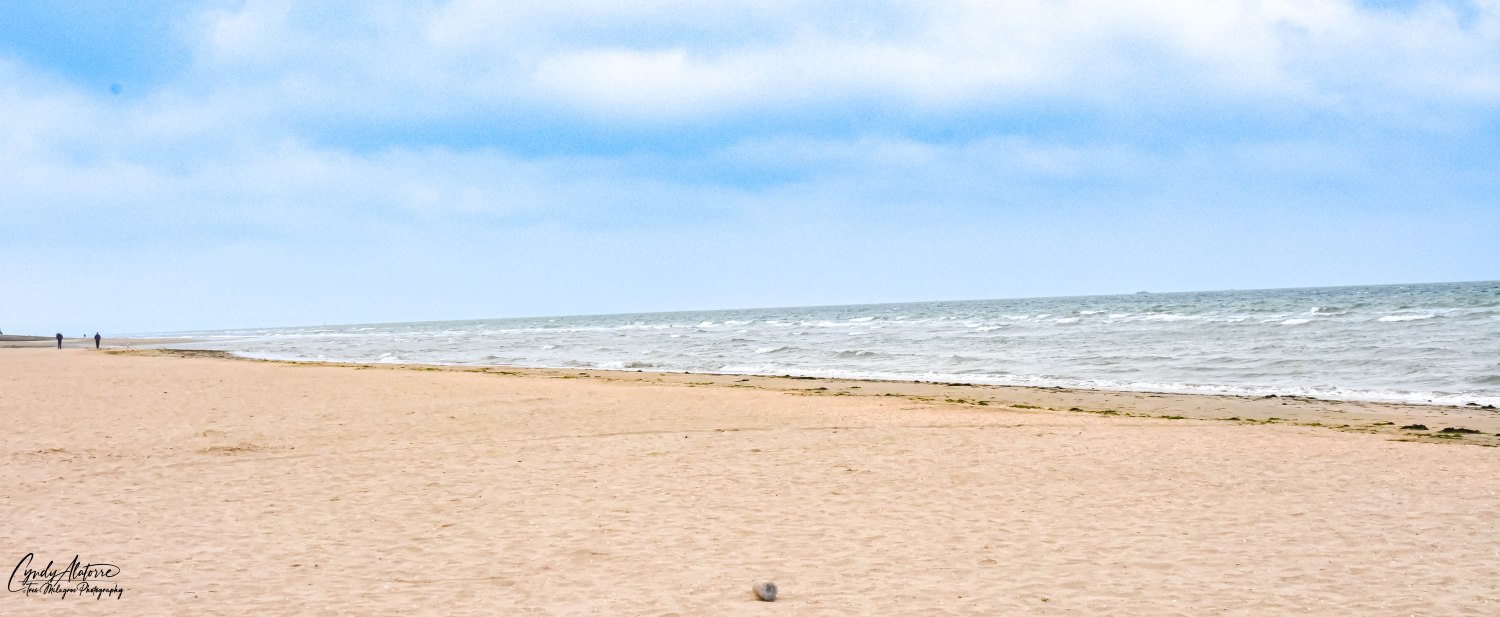
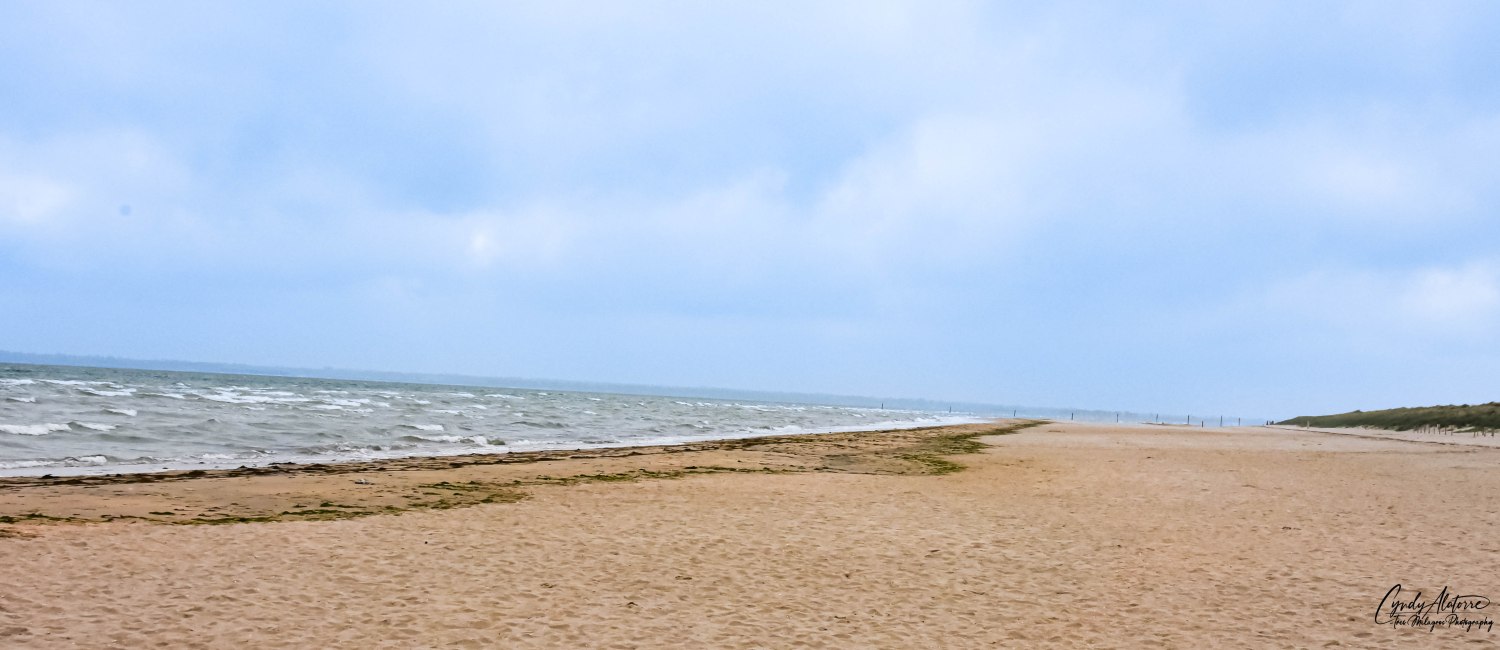
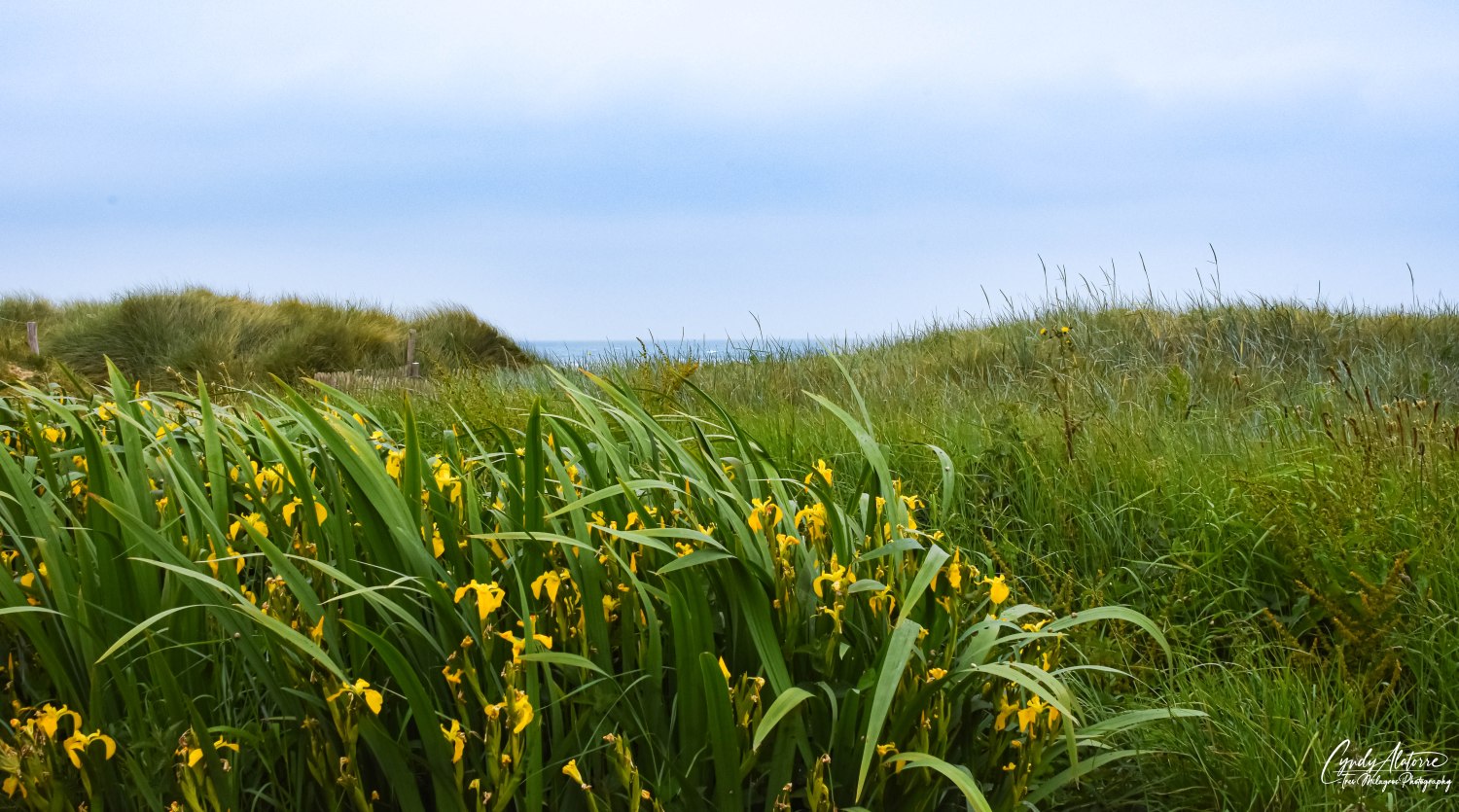
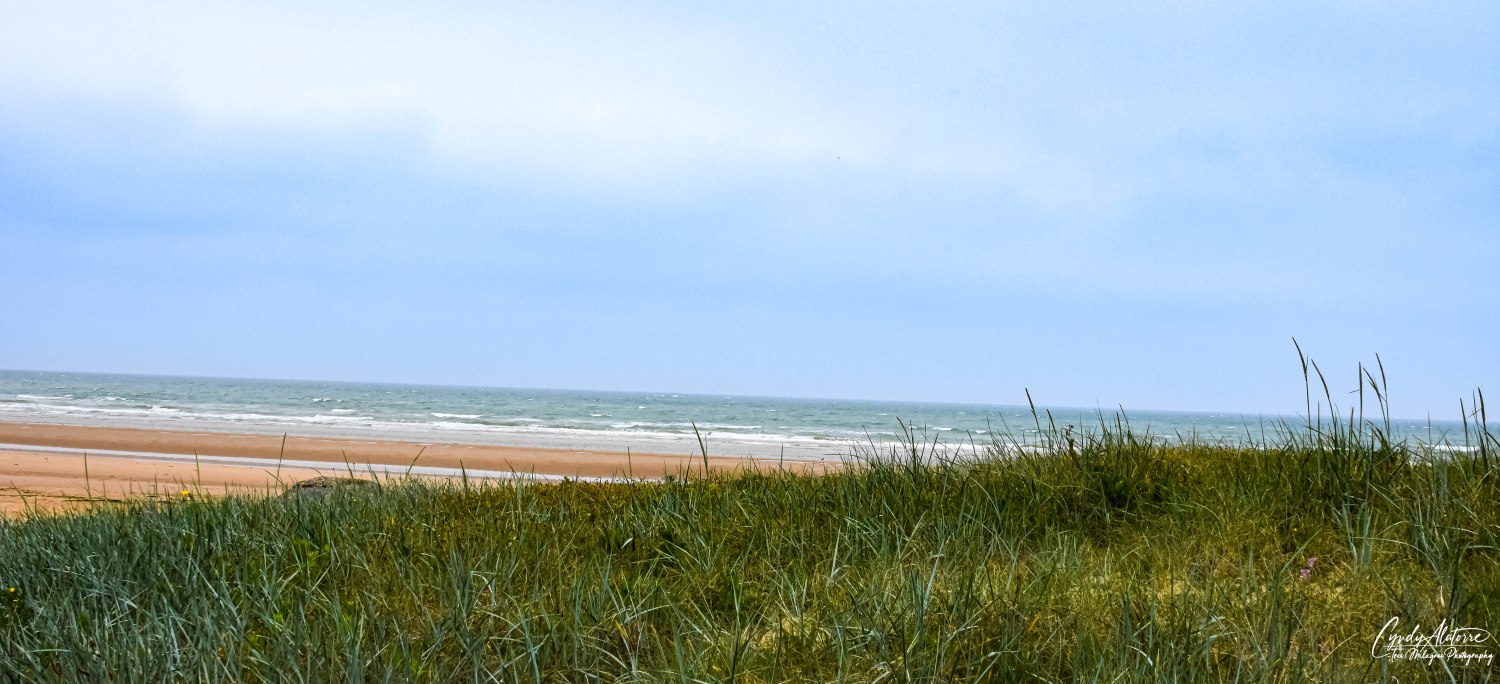
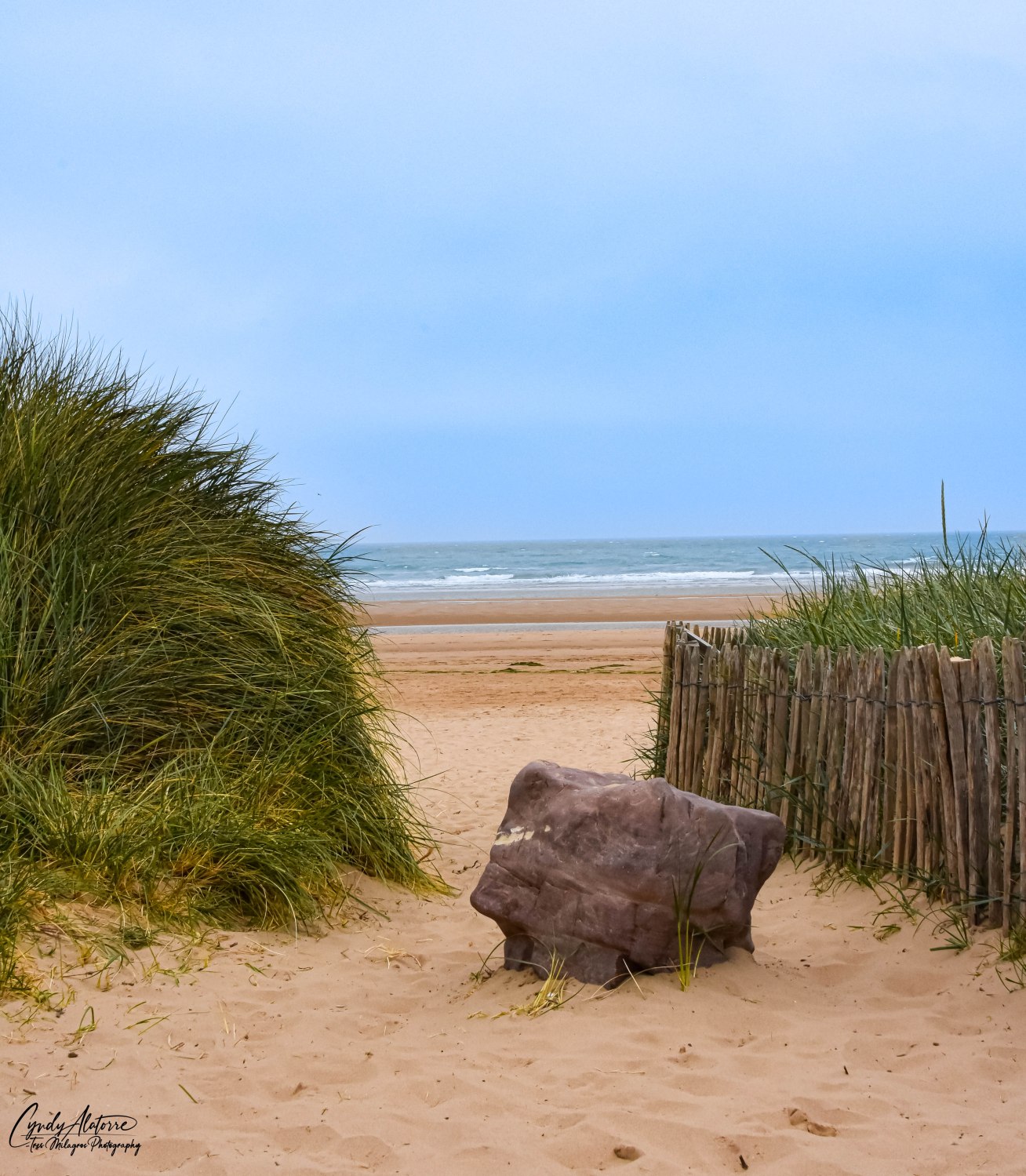
Located on Westernmost part of the frontline, Utah beach is scenic with its long and flat shoreline, soft sand and calm but steady waves. This was a drastic contrast to the high winds and cold rough seas the Allied Forces experienced.  23,250 American troops, of the U.S. 4th Infantry Division, initially landed 2000 yards south and off course. Concerned with this mishap it turned out to be in their favor as they ended up in an area that was less heavily fortified. Their landing and mission were successful, and they proceeded towards the port city of Cherbourg to support that fight.  

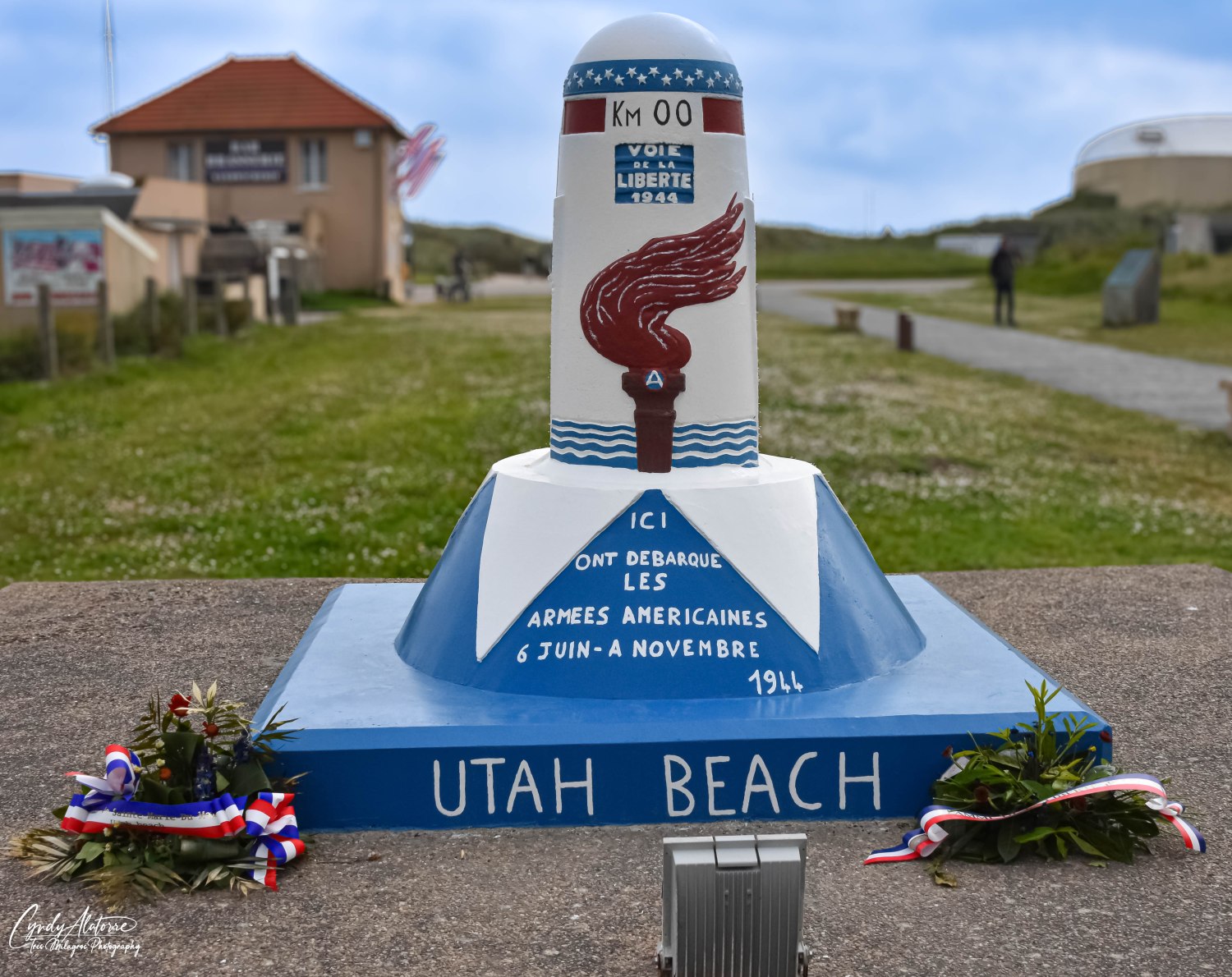
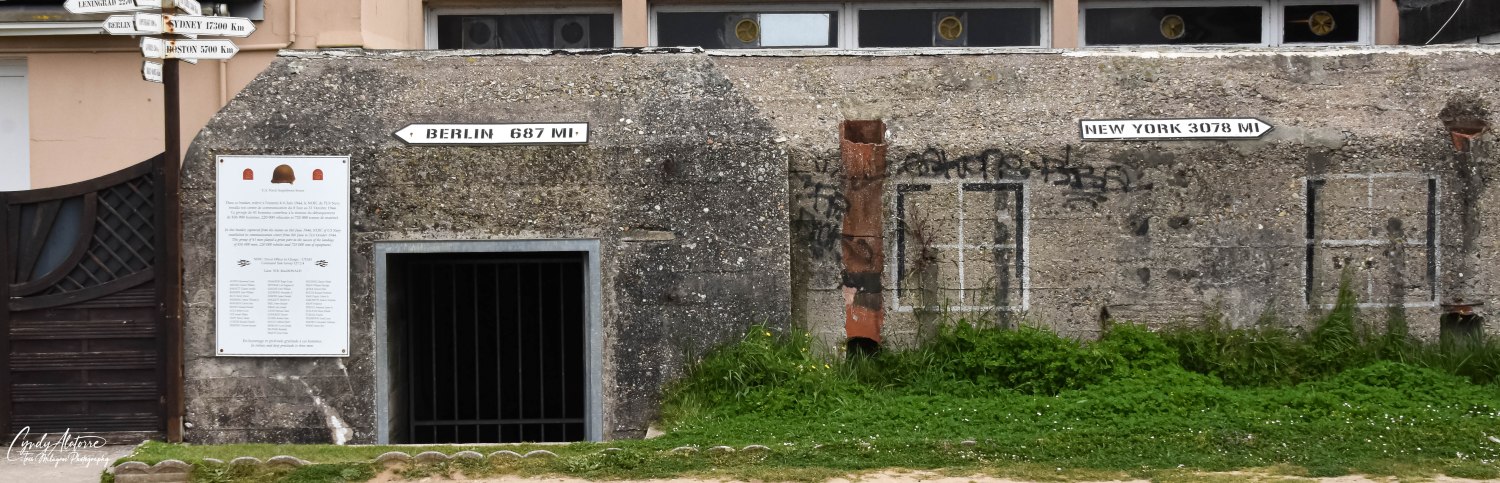
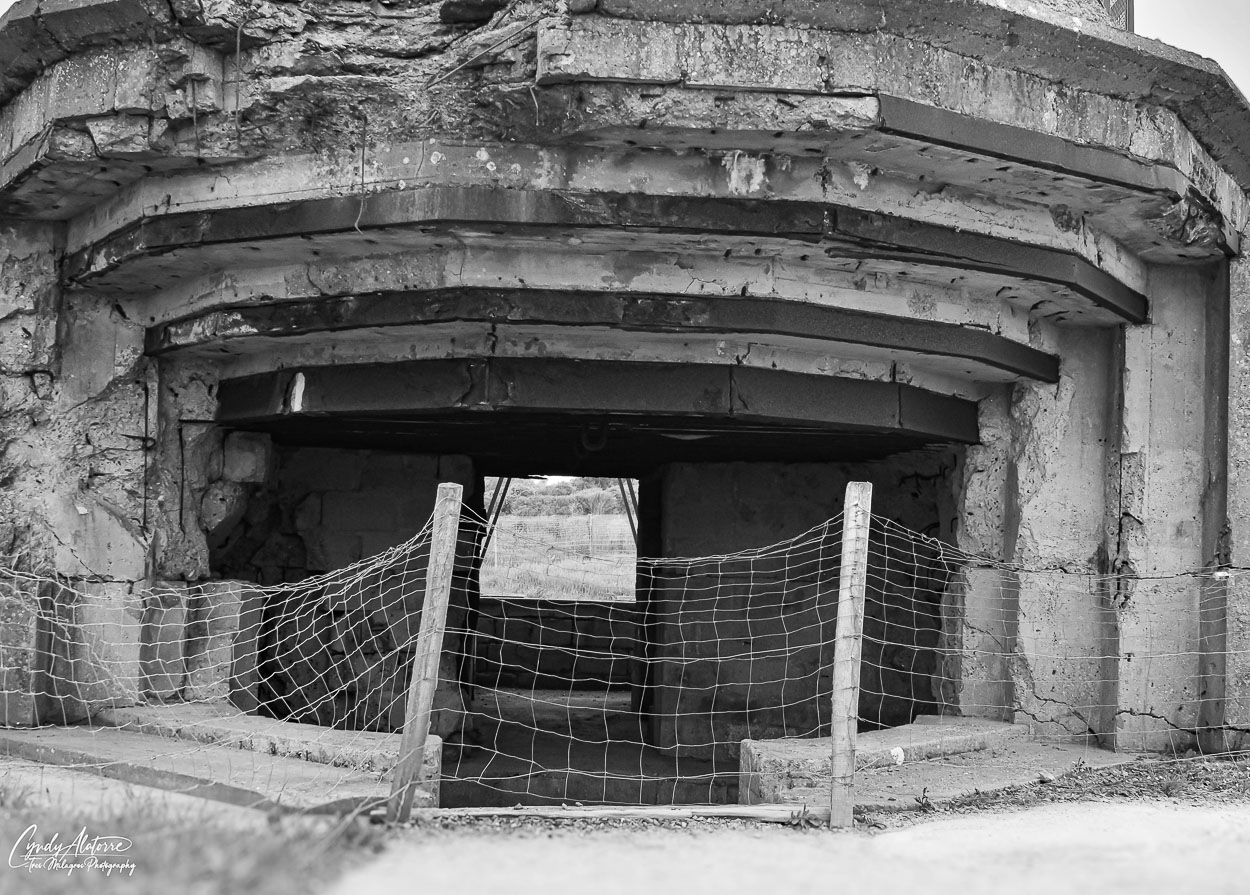
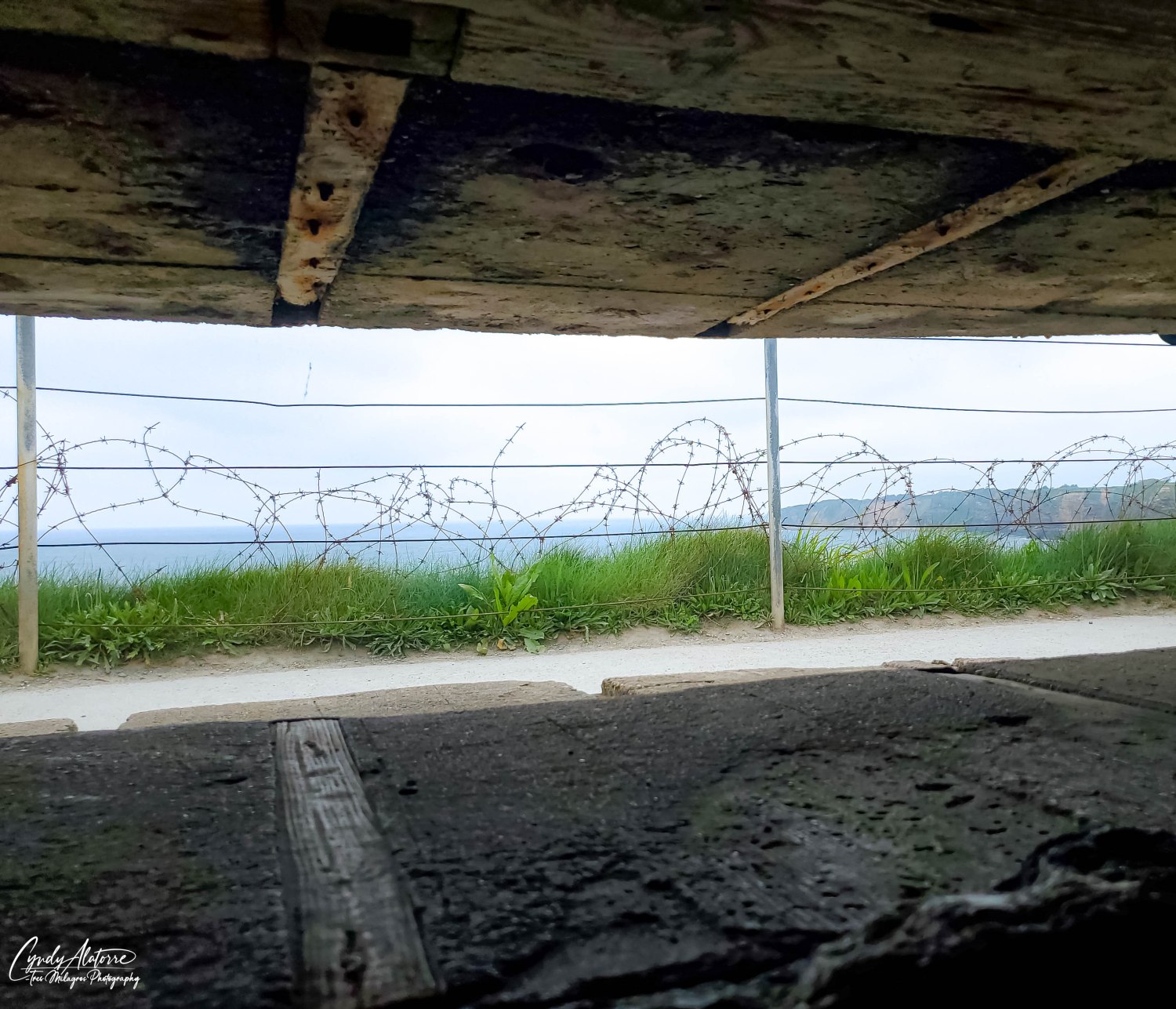
At the entrance to Utah Beach you see the Liberty Route marker, which they used as a starting point to measure distance. There’s also a German bunker you can go in and see. Below is a picture of it and if you look closely, take note of the fake windows painted on the bunker. They did this to trick the American planes, taking aerial photos, so they would think they were homes, not bunkers, and not be bombed.

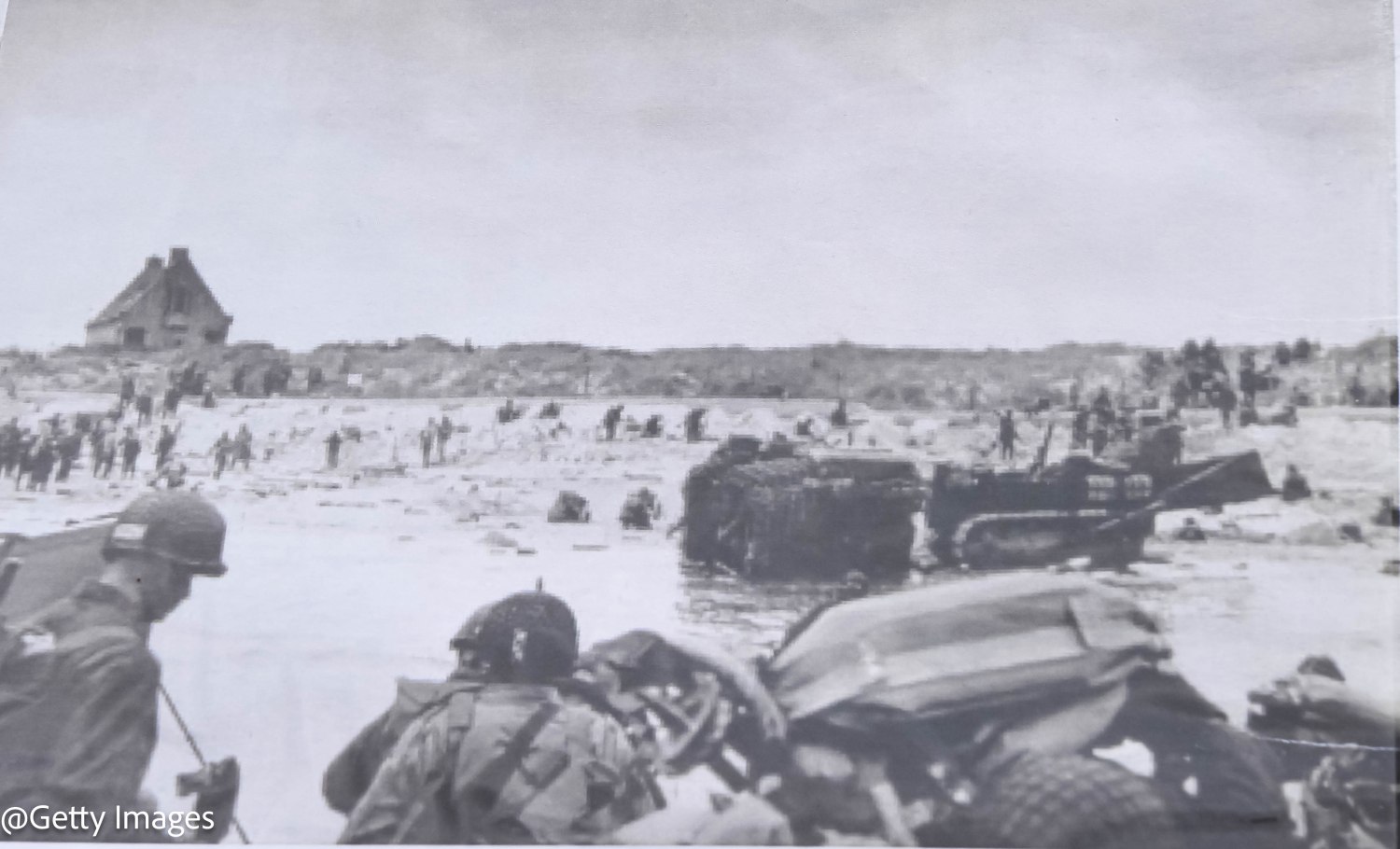
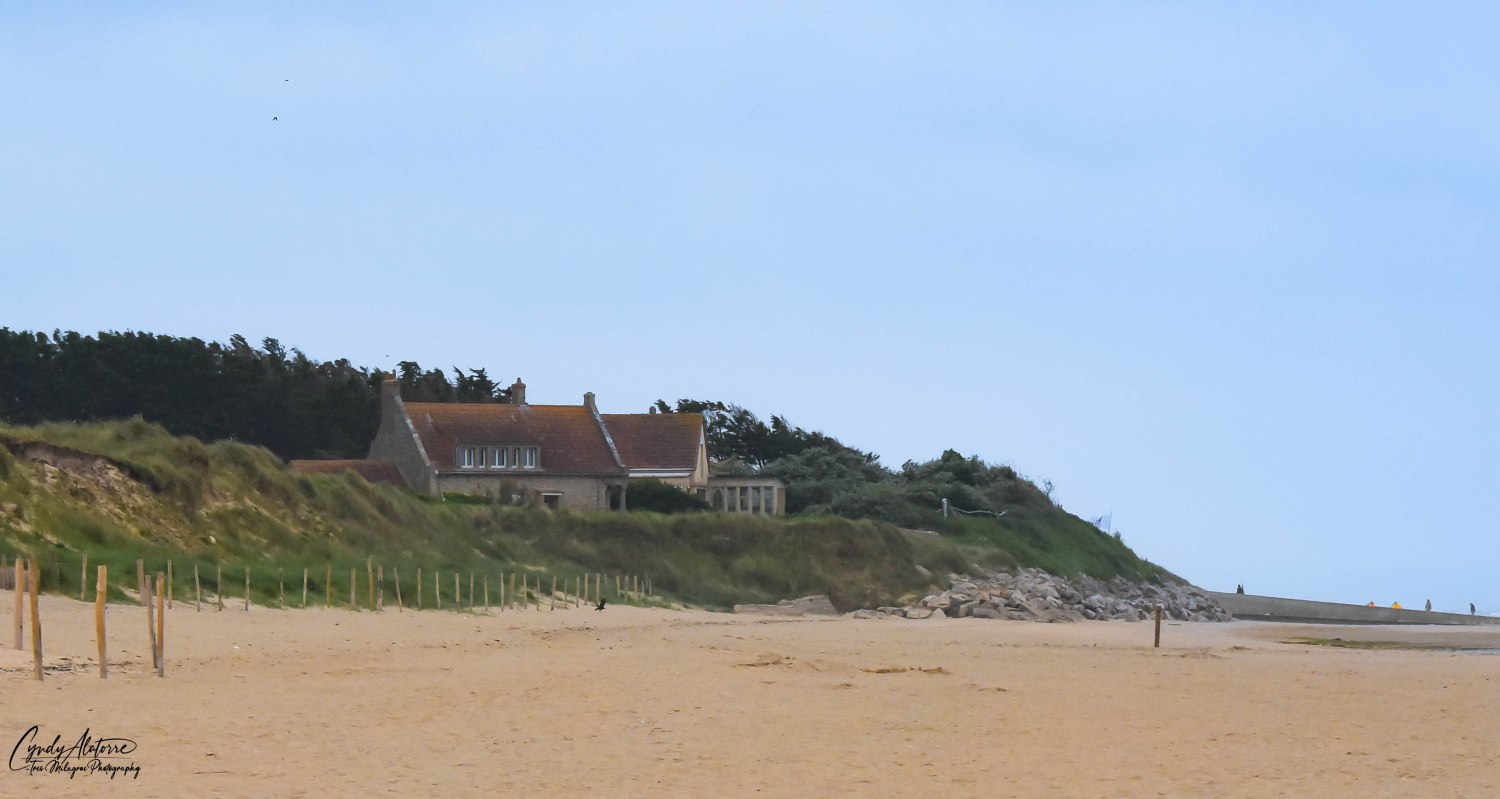
I also noticed a house on the beach that I had seen in a picture while reading about D-Day. Eighty years later this house is still there. I took a picture of it to compare it to the older photo and you can see below too.

Before I left, I walked the beach and found myself wondering how many men had stood or walked where I was standing and what a contrast their view of the beach was to my mine now. I took a moment to look around and take all of it in. Grateful and honored is the best way to describe my impression to be able to visit this historic place. Our next stop was Pointe du Hoc.

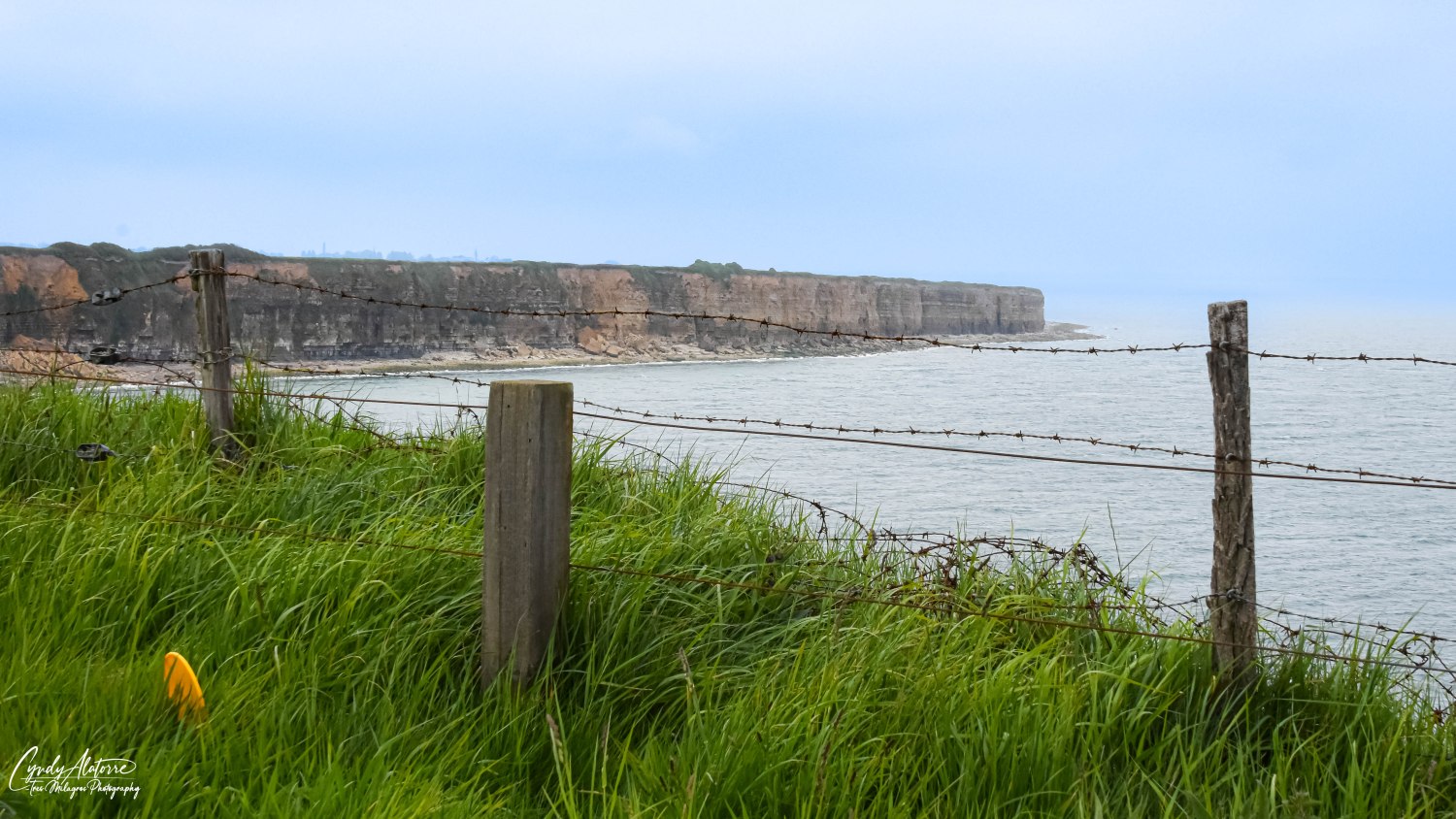
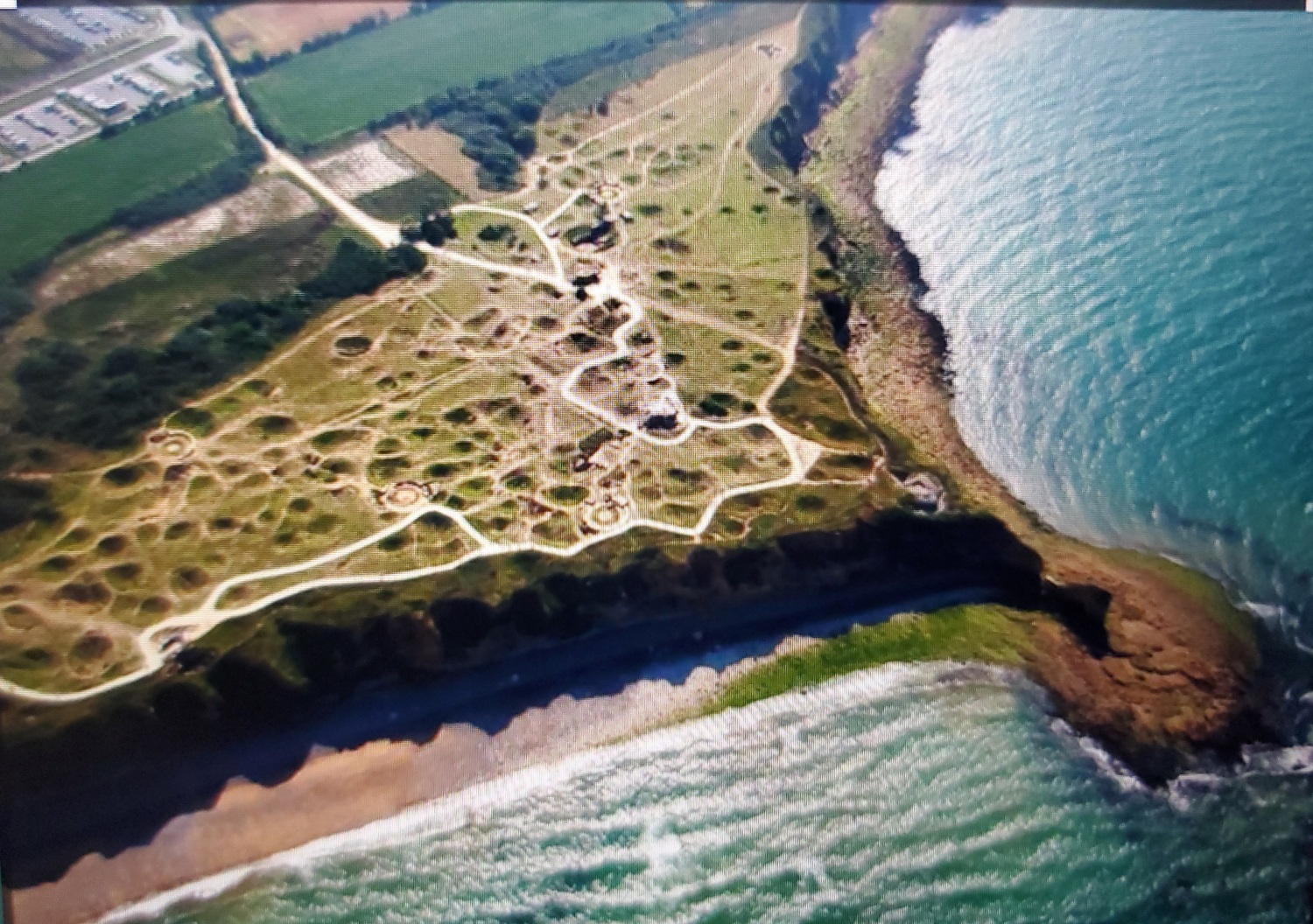
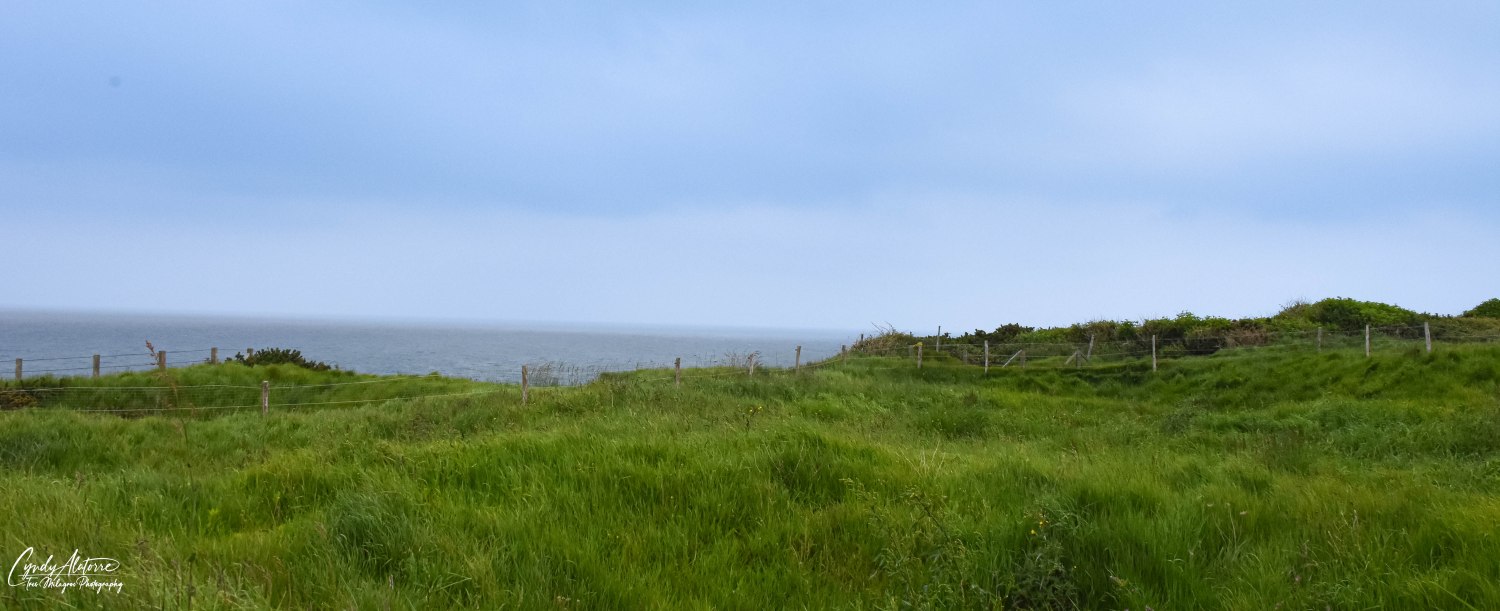
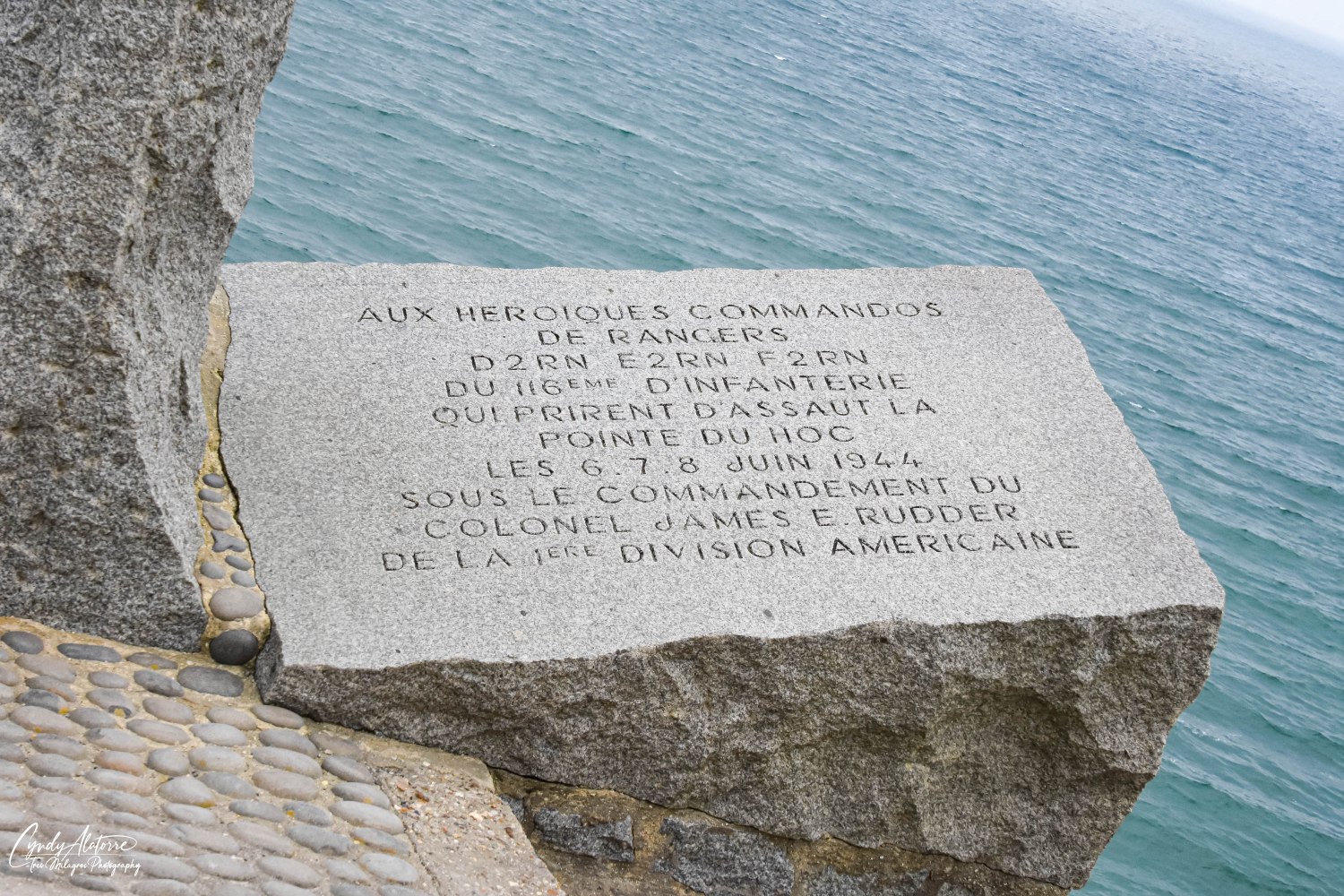
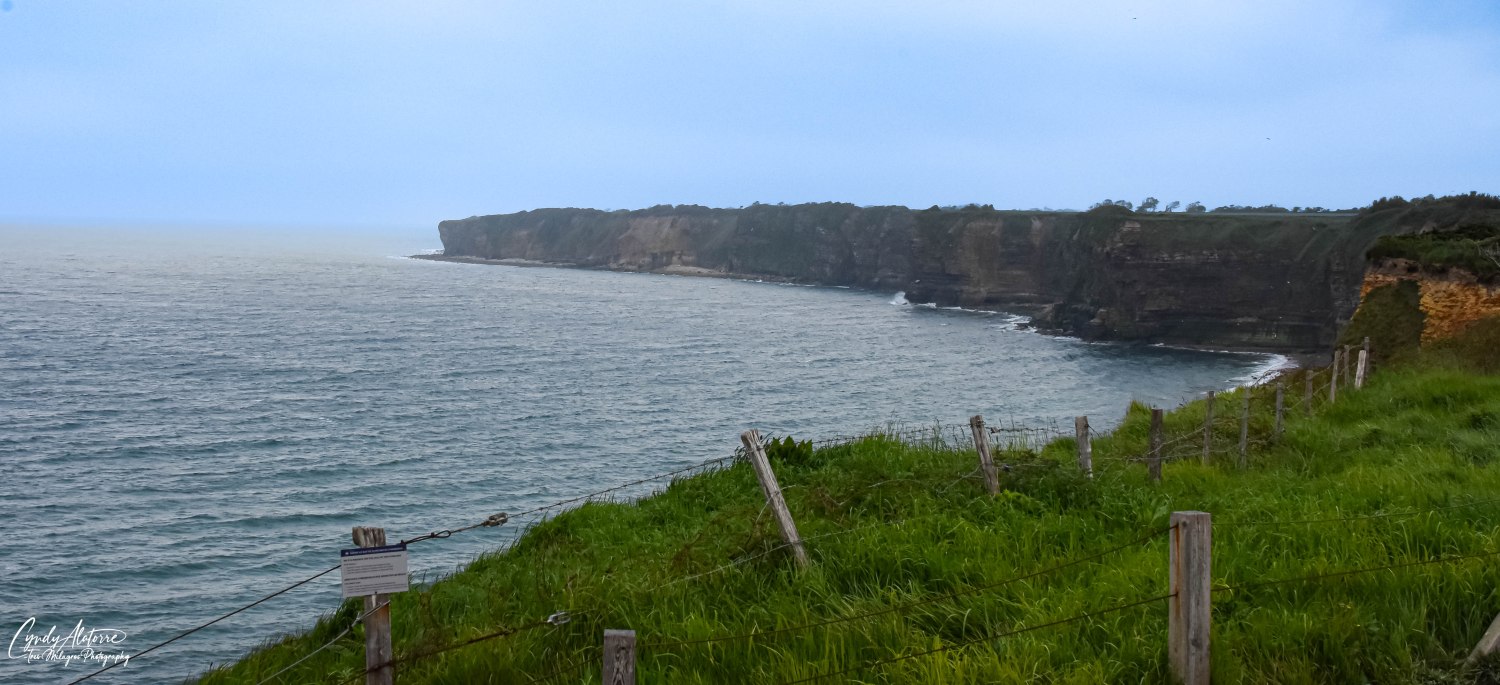
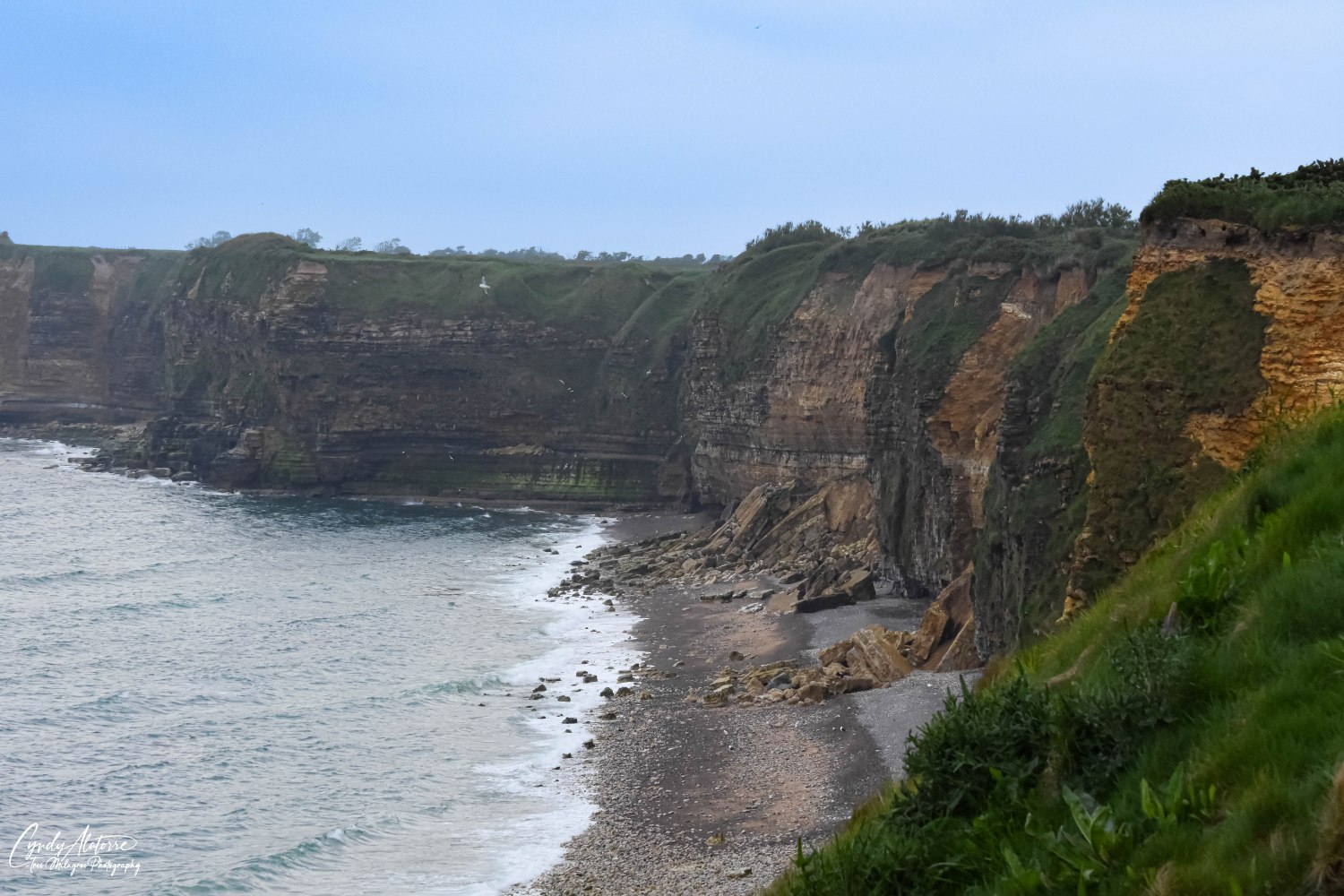
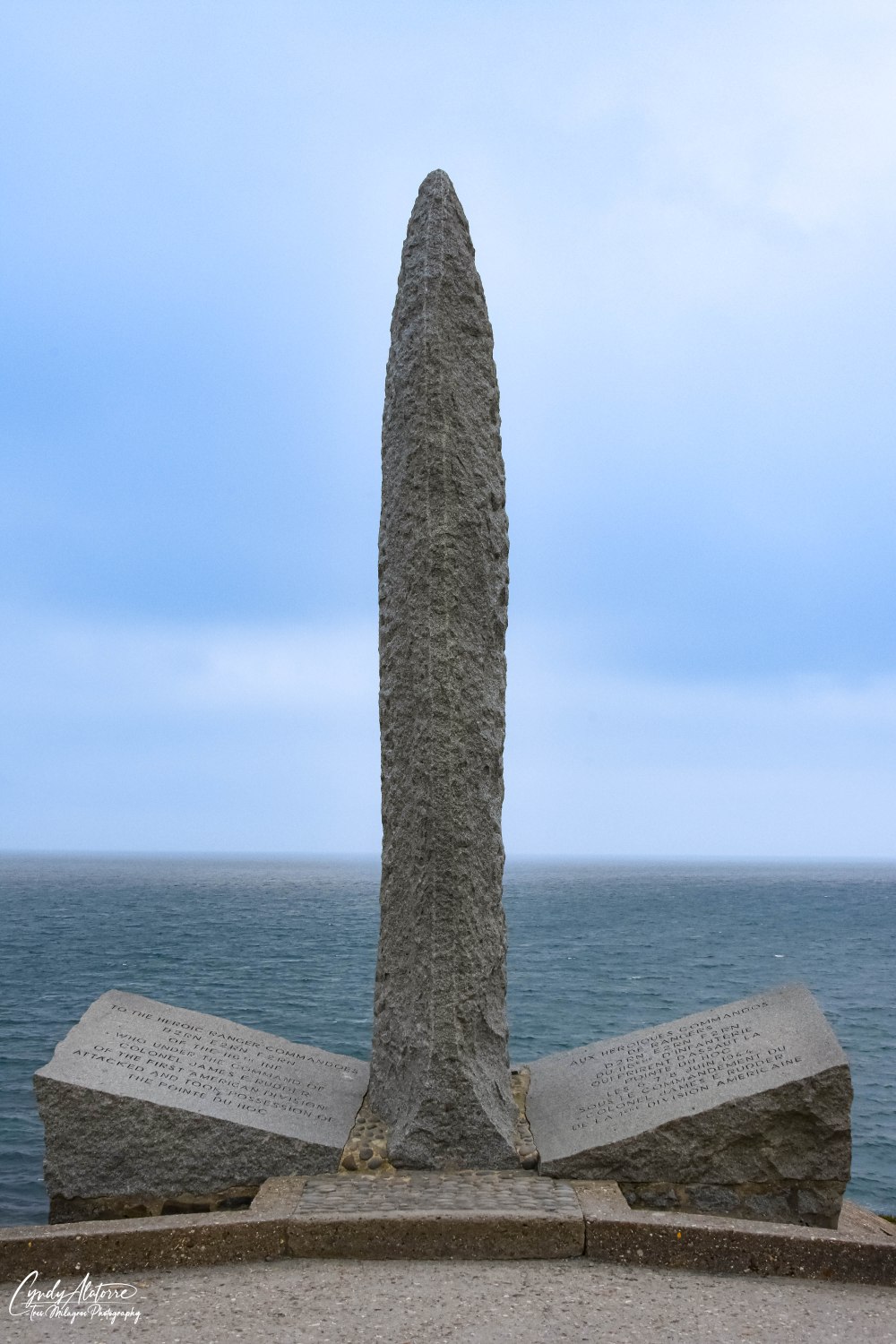
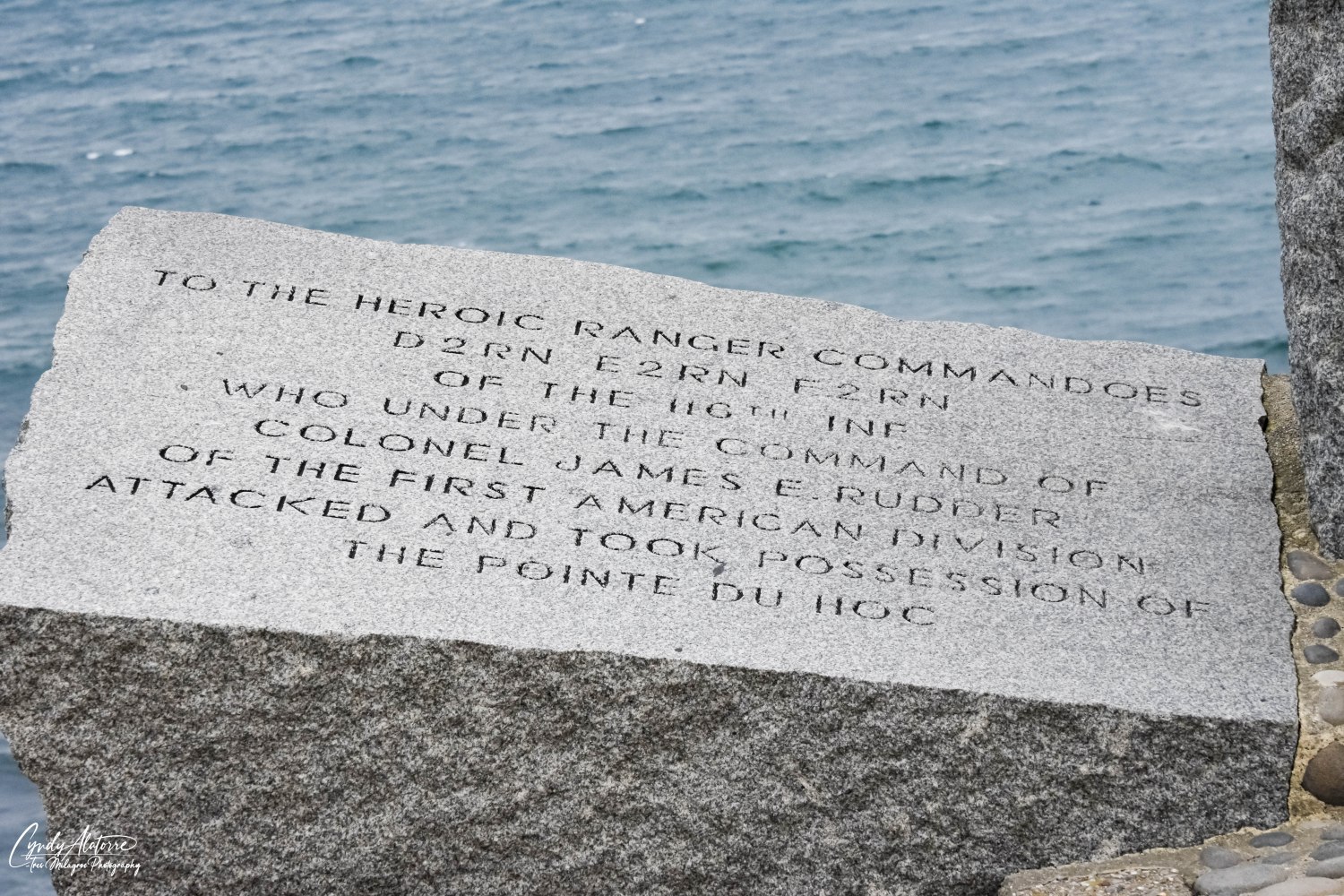
Driving 6.5 km (4.0 miles) east along the coastline, we arrived at Pointe du Hoc. With its 100 foot scenic cliffs and thin beach line, its terrain is vastly different from Utah Beach. A group of 225 U.S. Army Rangers were tasked with landing on this beach and scaling the high cliffs to the top, while under enemy fire. Once at the top of the cliff, they were to engage with the enemy and work their way to destroy the German batterie and get control of the coastal highway. Reading about this is one thing, but looking at it in person you think “how in the world did they accomplish this?”

Using ropes, ladders, and their knives along with their sheer grit, these Rangers made it up that cliff to fight their enemy. At one point during the conflict, they were informed that support would not arrive for a few days and they would have to stronghold the area by themselves. After two days of fighting, 77 were killed and only 90 of the original 225 were still able to fight. As I listen to our guide explain what transpired, I was in awe at their ability to accomplish this feat in the midst of so much turmoil. Below are photos of Pointe du Hoc and note the cliffs they had to overcome to fulfill their mission on D-Day.

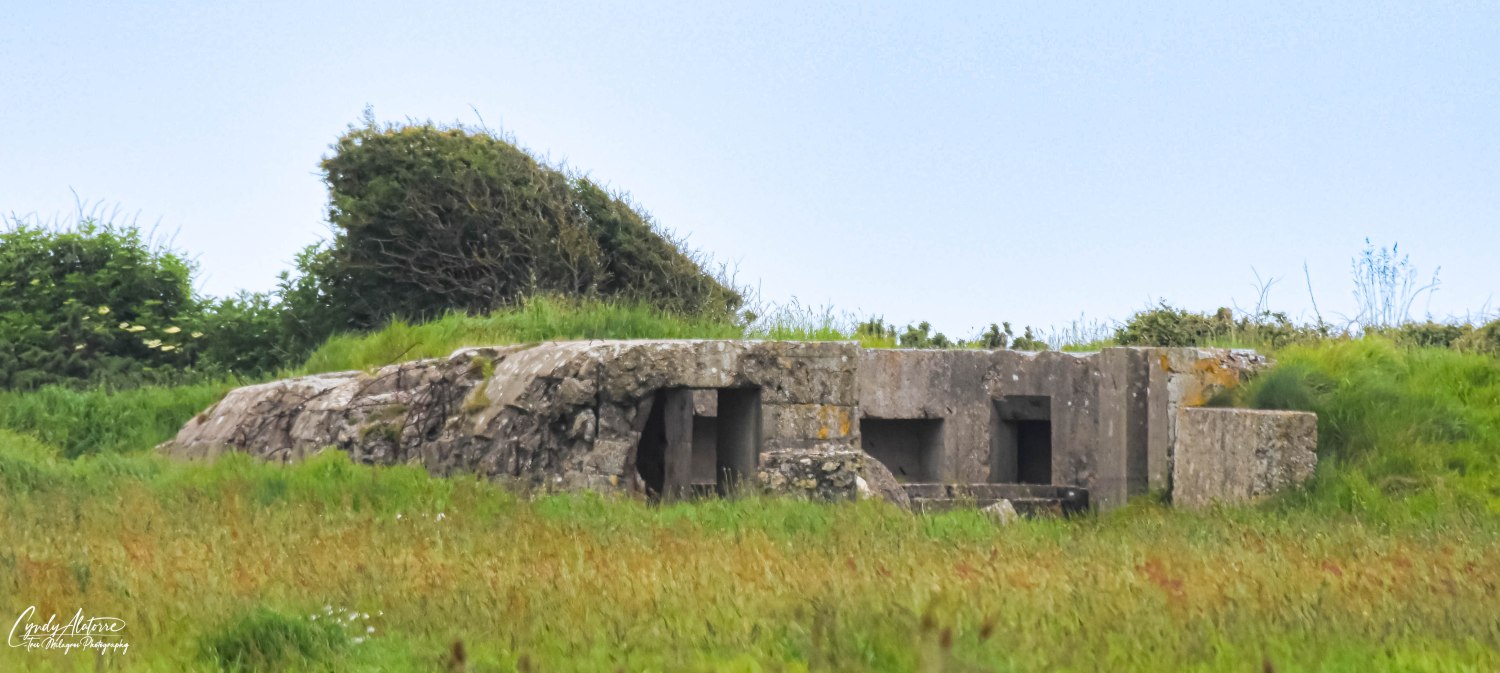
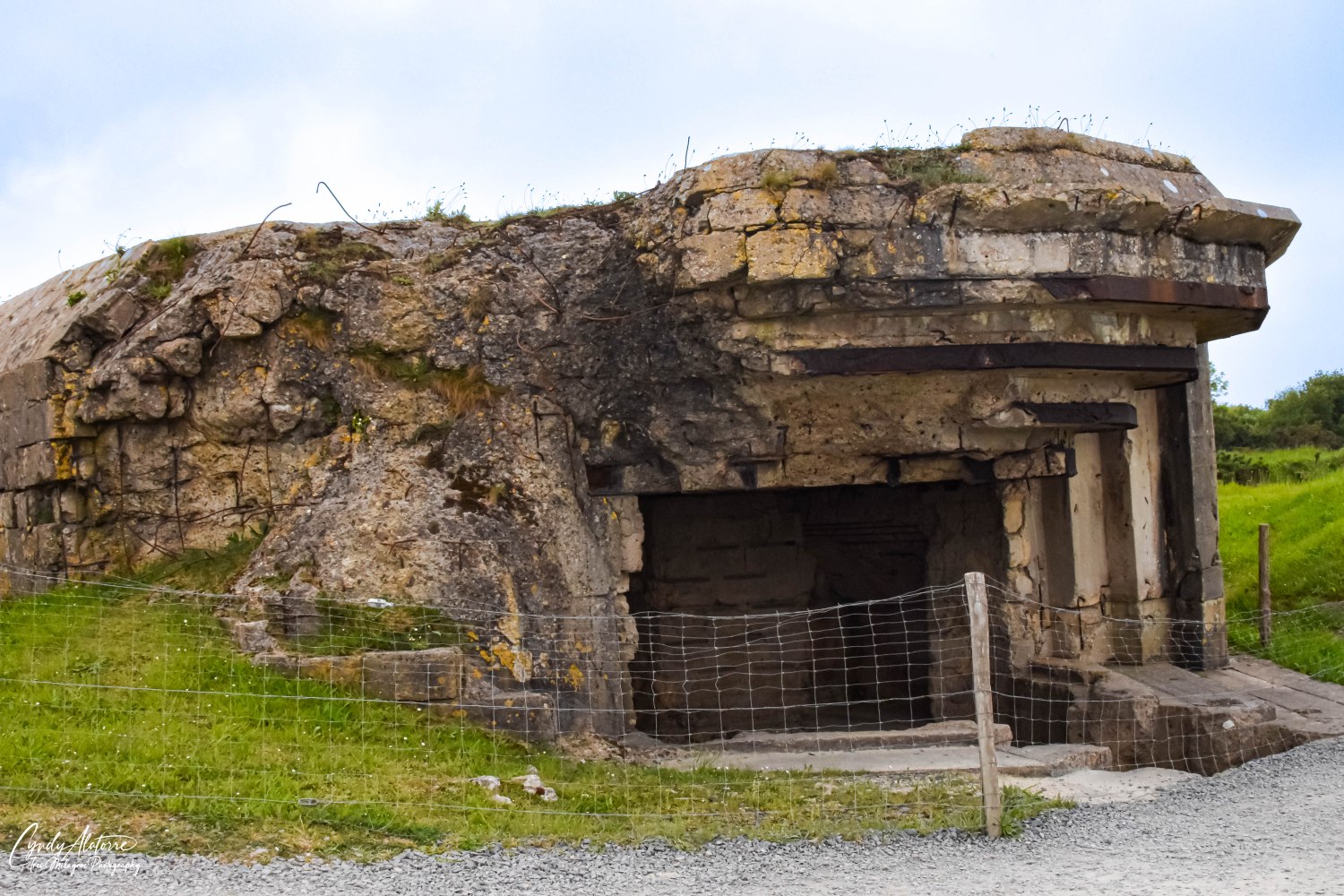
Bombarded by the Allied Forces, many craters are still visible at Pointe du Hoc and the uneven landscape gives you an idea of how intense the fighting was. Seeing the German bunkers and scarred landscape impressed just how powerful the artillery was for both sides. It was time to visit our last site, Omaha Beach, to bring it all together.

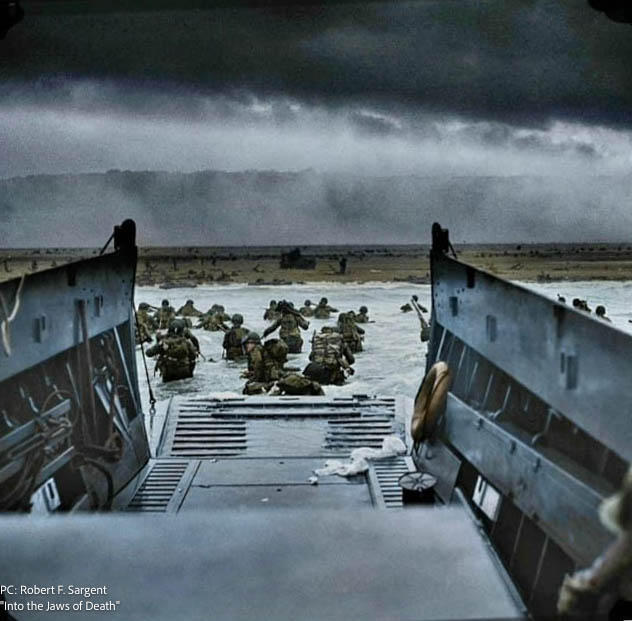
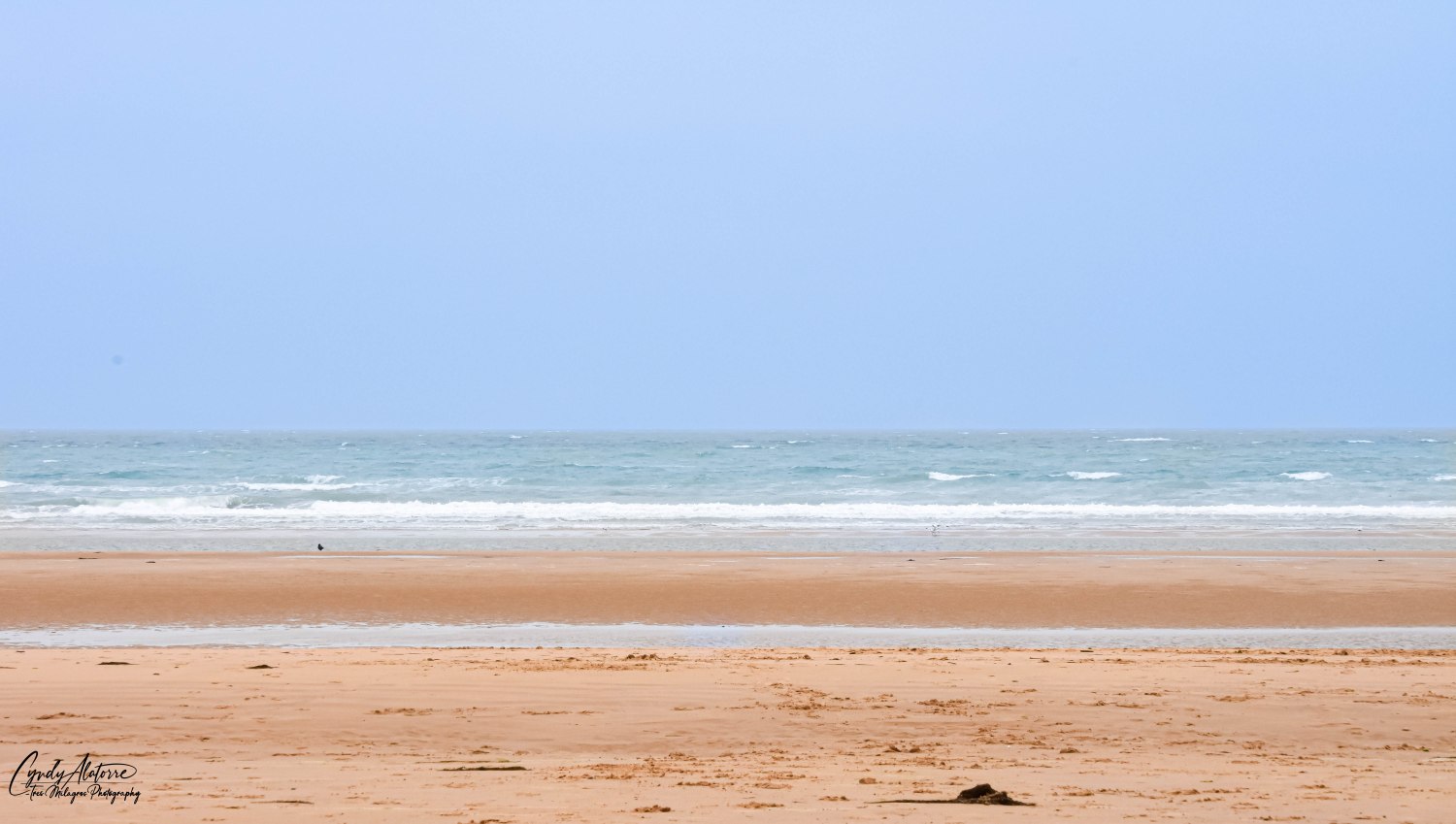
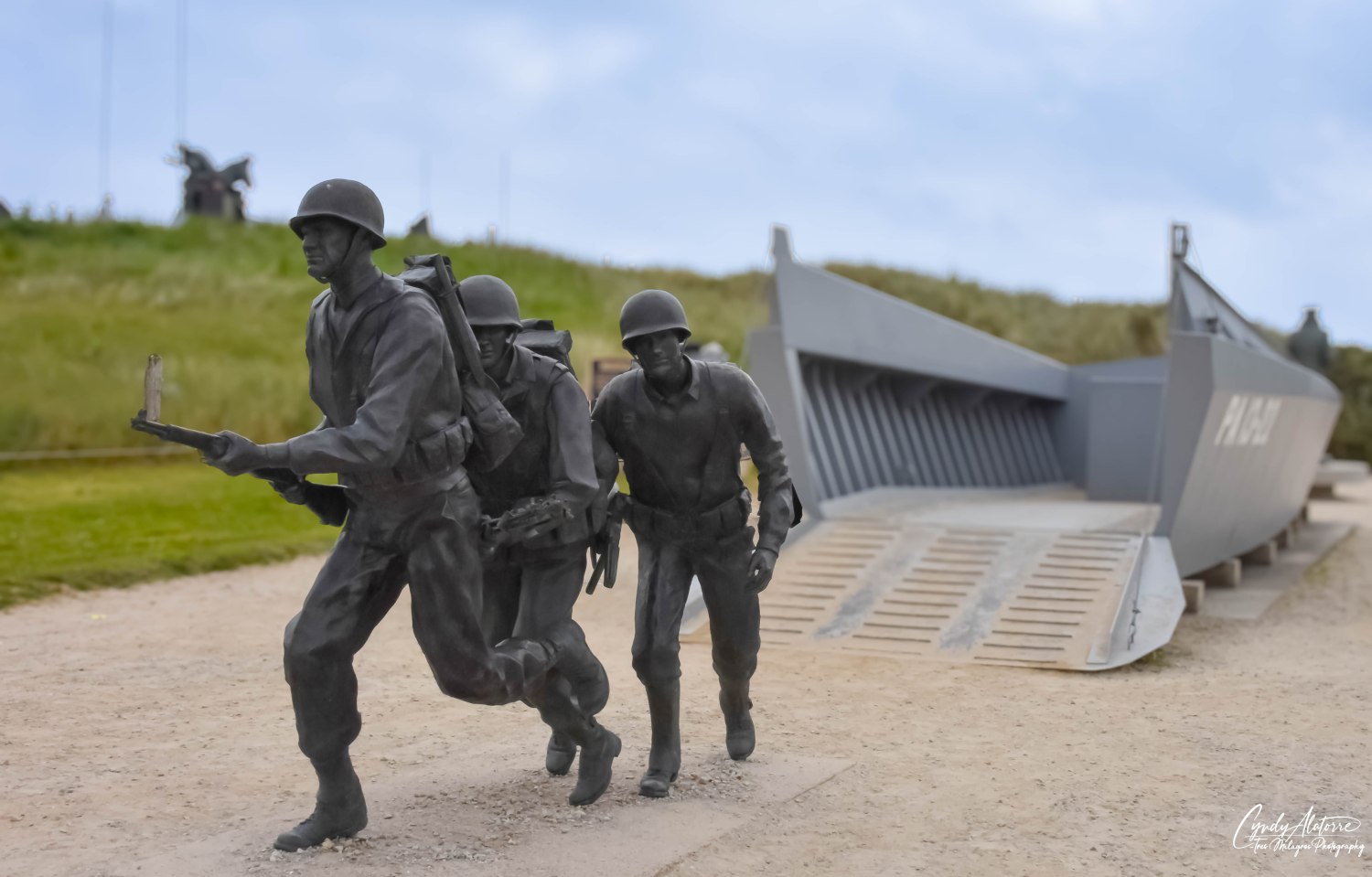
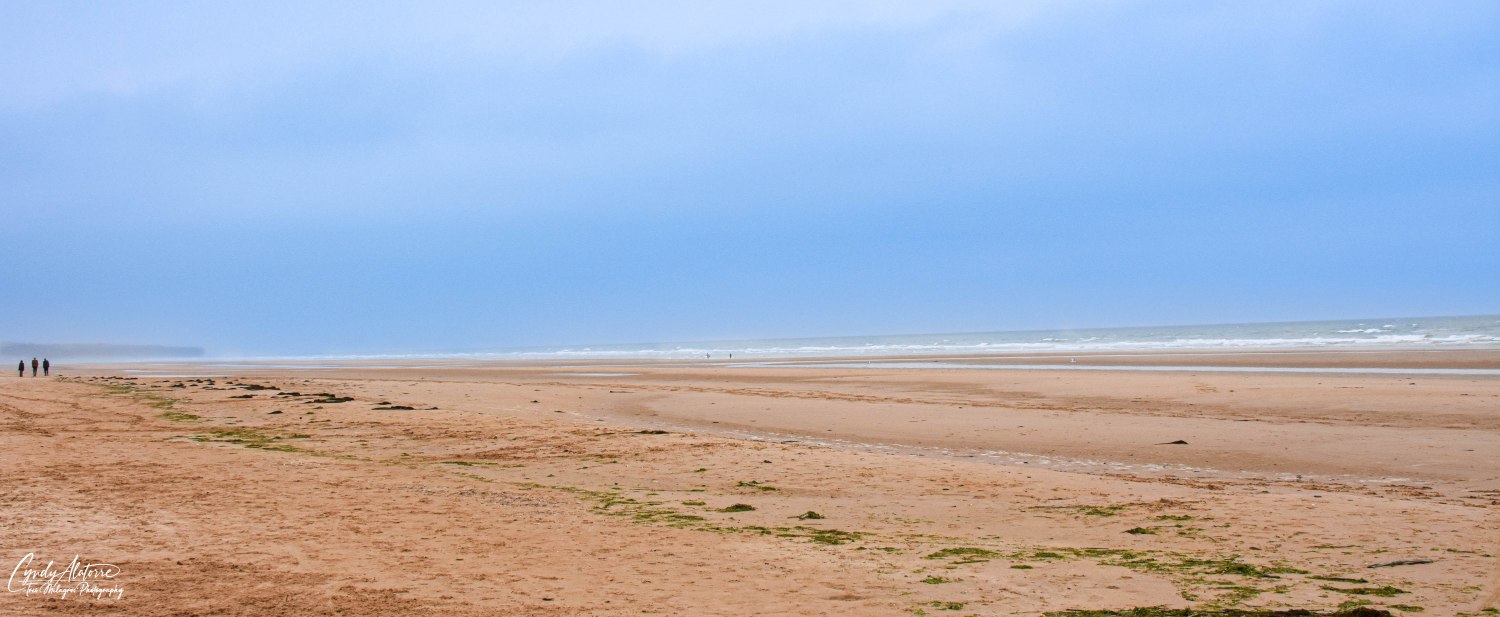
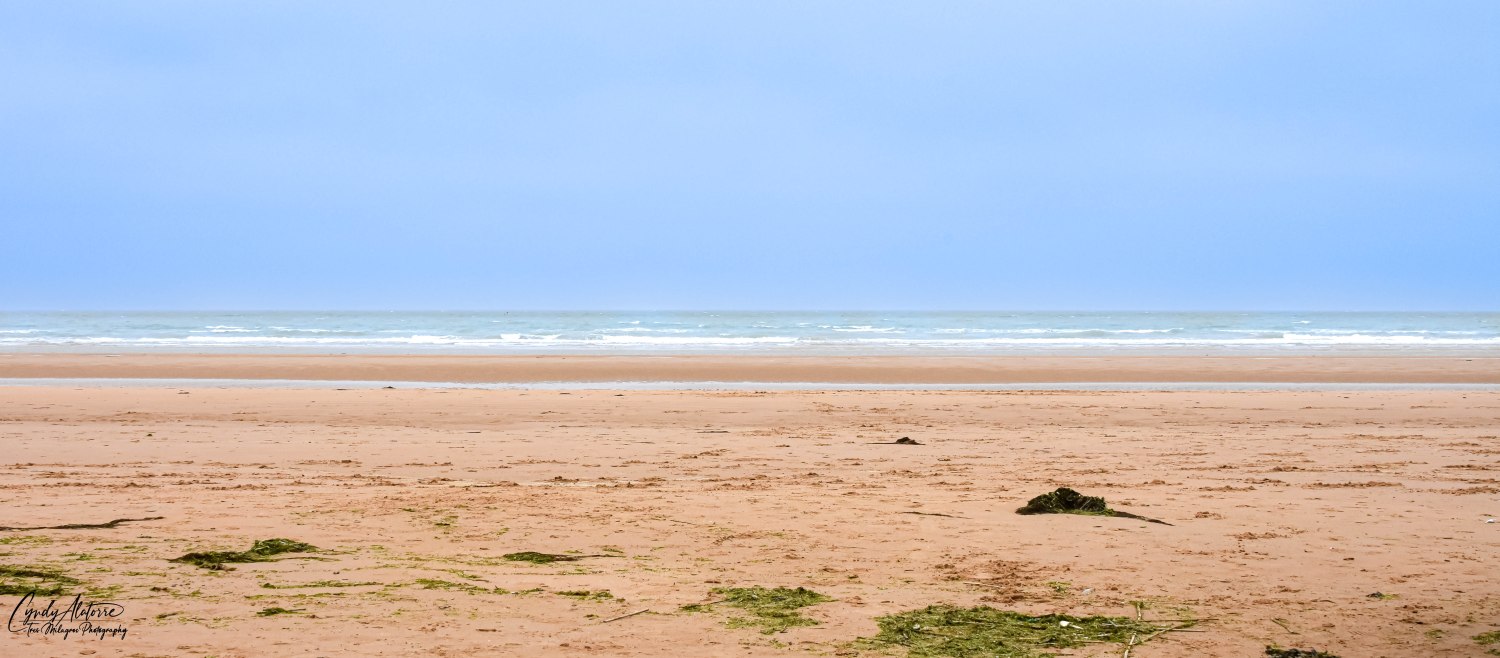
A few minutes east, we arrived at Omaha Beach. Looking at the long beaches, there was no indication of what had occurred 80 years ago. It’s as if nature stepped in and healed the land. With its long shore, 100 foot cliffs and armed German forces already on the shore, a daunting task awaited the men arriving on Omaha Beach. Photographs and film are the only visual documentation that shows the actual scenes of D-Day and even then, it seems surreal. On June 6th at 6:30 a.m., the U.S. 1st and 29th infantry divisions started their assault. 34,250 troops landed on Omaha beach by nightfall, however, they experienced the worst of the whole D- Day operations. Suffering more than 4,400 casualties, the Allied Forces efforts and sacrifice were at a great expense but not in vain as it changed the tide in the war. 

Visiting Omaha Beach and all the other locations in Normandy has been a very personal experience for me.  Appreciation and thankfulness is what I felt for those men who had stormed the beaches and other sites that day in June 1944. I quietly offered my gratitude for those who perished and those that survived. How could you not be thankful? Now having been to Normandy and learn about this historic event, I felt I had just been educated on one of the most important history lessons.

If you want to get a visual depiction of the events involving D-Day and Normandy, the movies “Saving Private Ryan” and “Band of Brothers” are good reference points. The book “D-Day” by Stephen E. Ambrose, is another good resource too.  Out of extraordinary circumstances, remarkable men arise. This couldn’t be more true with the events of World War II. These men deservingly earned the title as “The Greatest Generation”.  

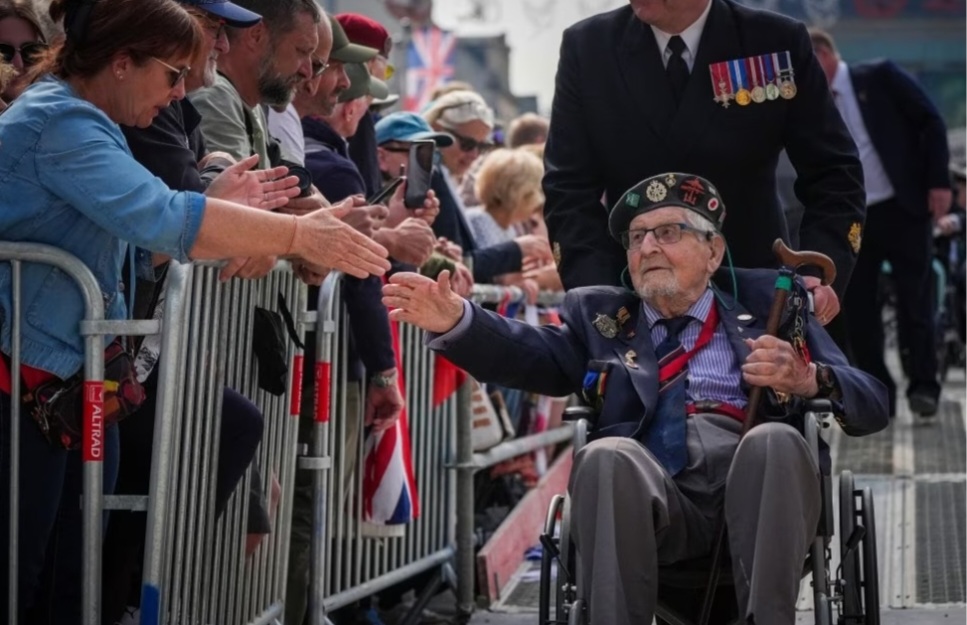
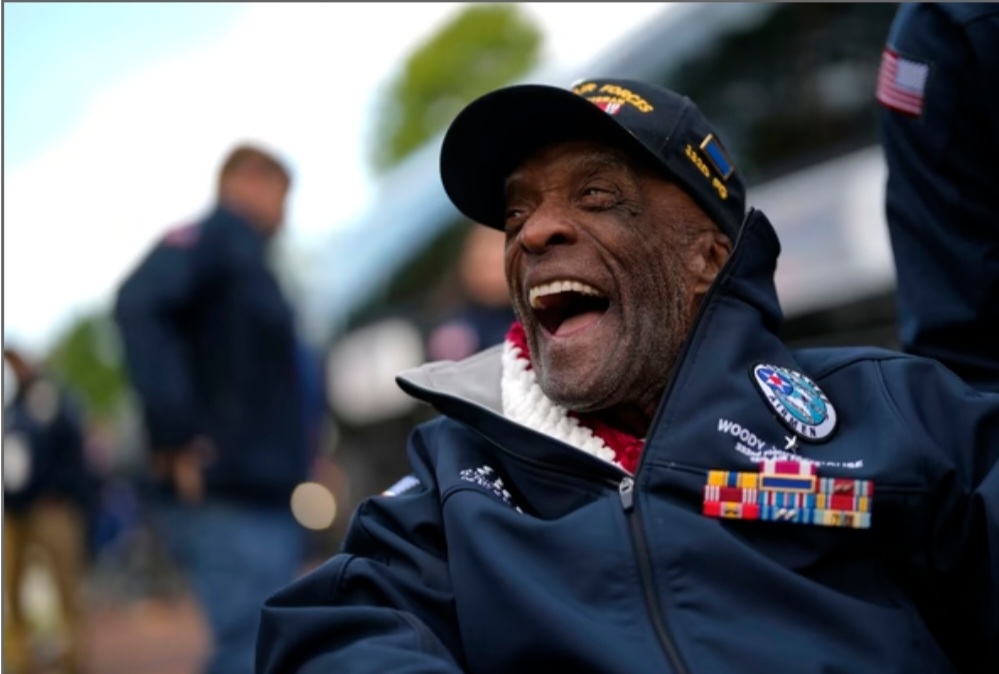
I’ve met a few of these veterans and my lasting impression is that they are “a different breed” and we have so much to learn from them. Recently a news reporter asked a WWII veteran if he had any last thoughts about D-Day and he replied “It was a job we had to do and we did it for freedoms sake”. Now it’s our task to keep sharing the story of D-Day with current and future generations so that they will know of the heroics of the men and women of “The Greatest Generation” and how they changed history.

Until next time, we’ll keep moving on and see were we go via El Camino Thru My Lens.  

Featured

“Build It and They Will Come” ~ Mont Saint Michel

Did you ever see the movie “Field of Dreams” with Kevin Costner? If you didn’t, he plays a farmer who lives in Iowa and is at point in his life where he wonders what he will achieve before he grows old. Then one night as he’s walking through his cornfields, he hears a voice whisper to him, “If you build it, they will come.” Shortly after, he has a vision to tear up his fields and build a baseball field. What would you do if this happen to you? Would you listen to the voice and abide by the vision or would you just ignore it? The movie and Mont Saint Michel in Normandy, France, are extremely different, but what if I told you that they both had a very similar storyline?

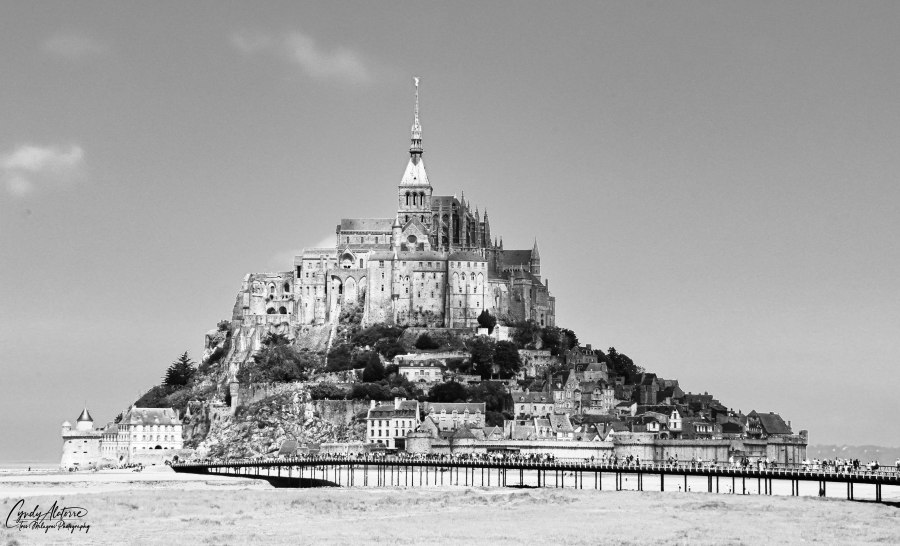
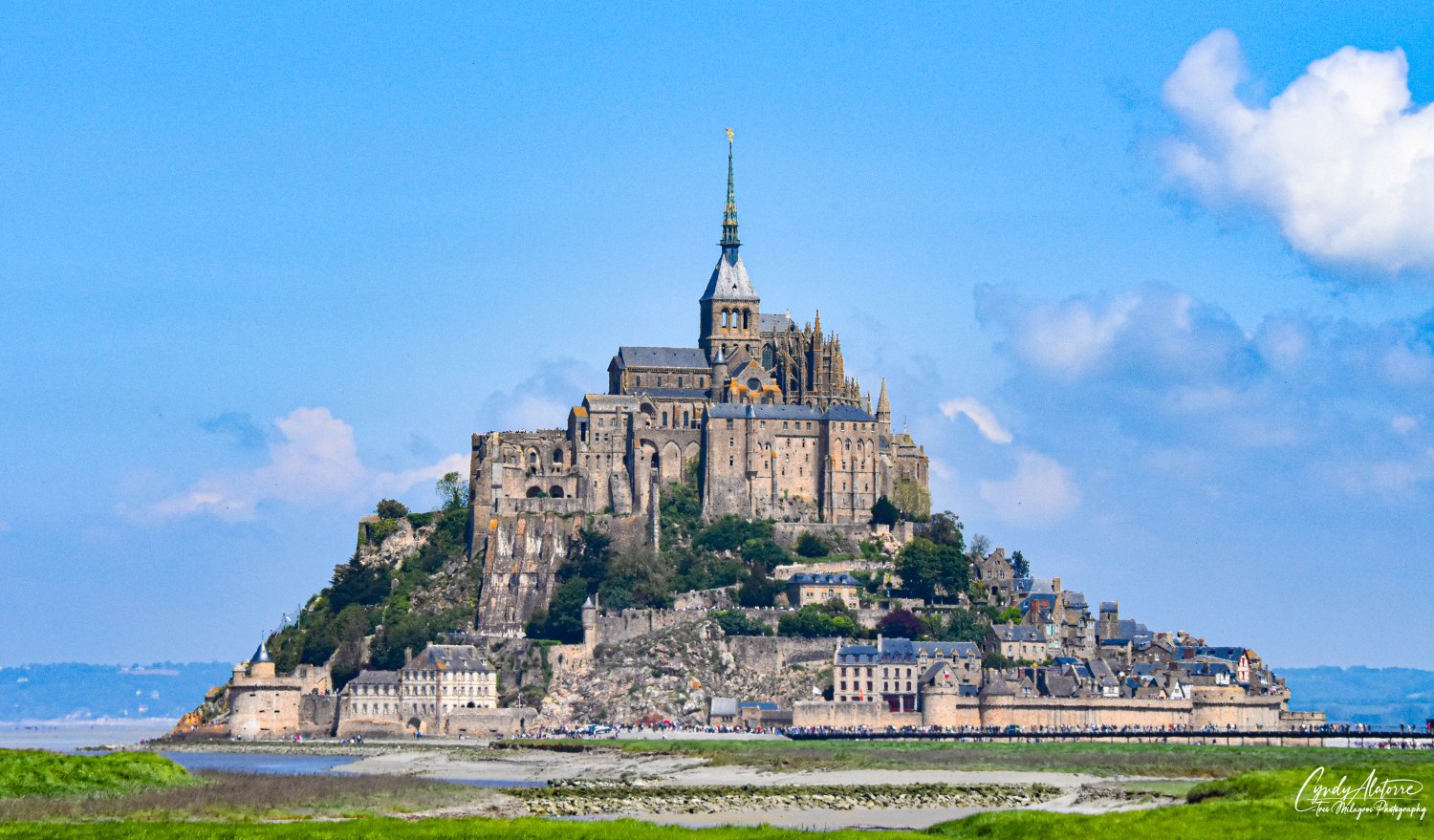
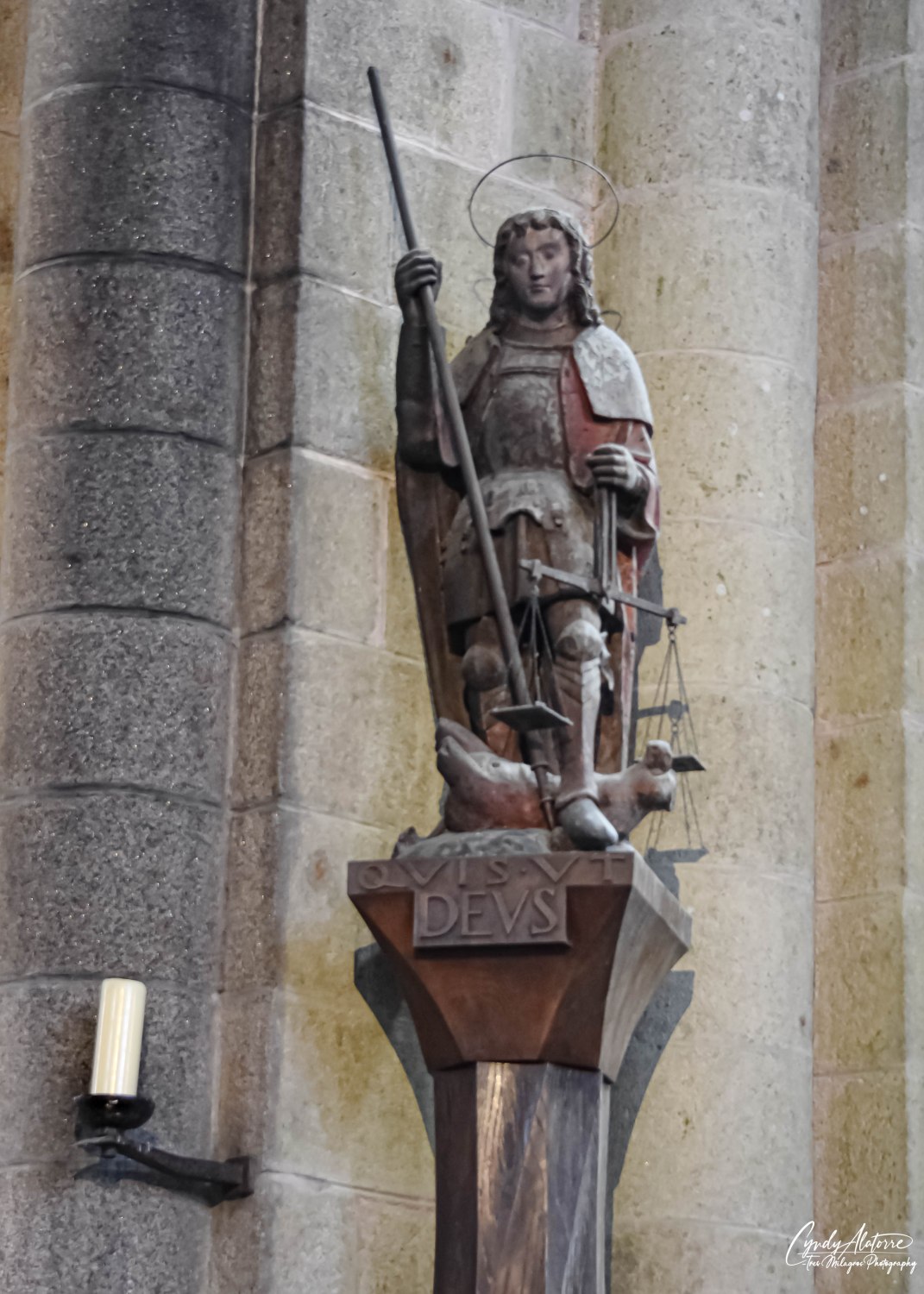
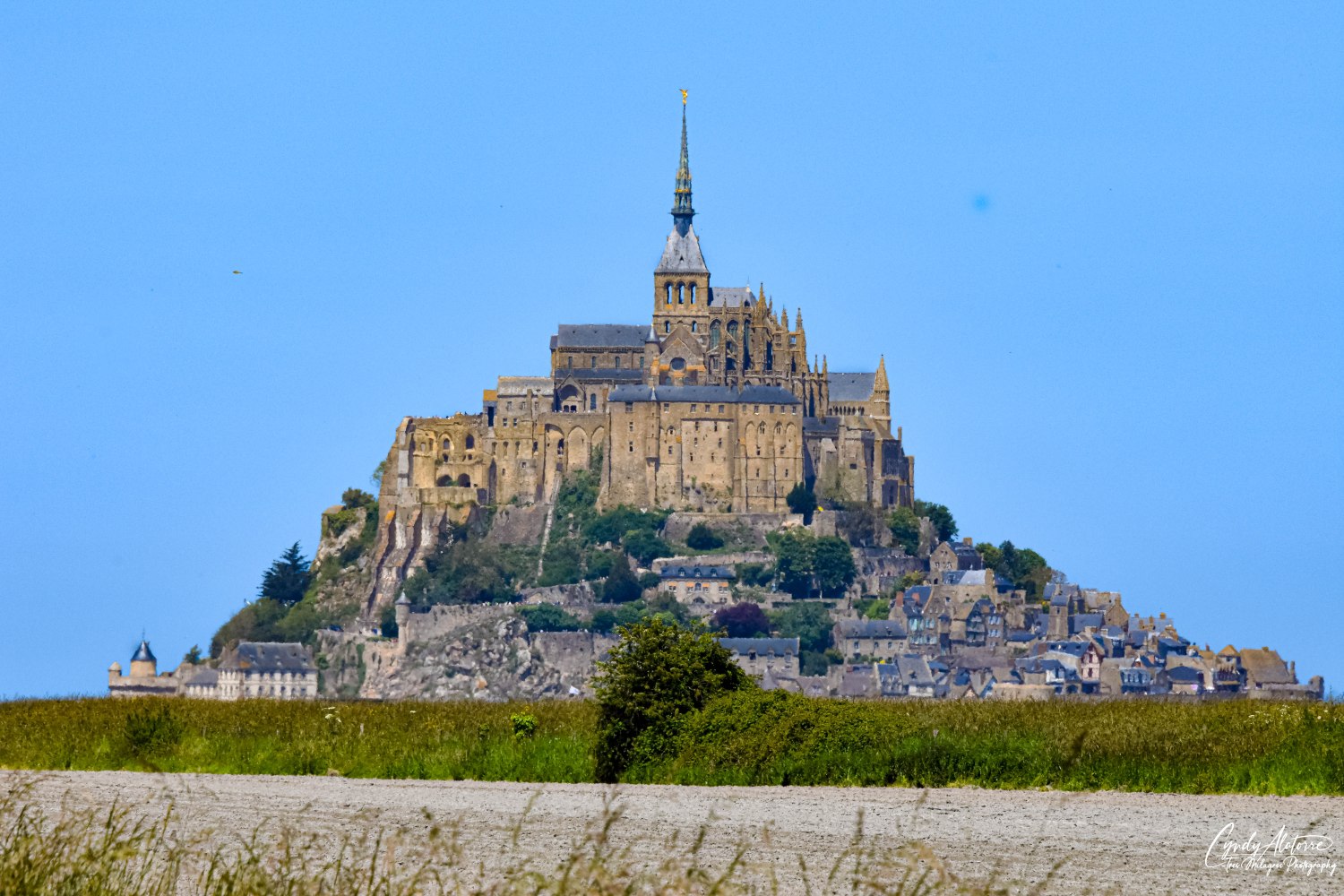
The story of Mont Saint Michel started in 708 A.D. when Aubert, Bishop of Avranches, had a vision from the Archangel Michael. In his vision, the Bishop was told to build a sanctuary for pilgrims to visit on Mont-Tombe, which would later be re-name Mont Saint Michel (St. Michael’s Mount). Thinking that perhaps this vision was only a dream, the Bishop ignored the request however, Archangel Michael was persistent. The story goes on to explain that the Bishop received two more visions and in the last one, Archangel Michael wanted to make sure the Bishop knew that his vision was true and not a dream and burned a small hole in his head to get his attention and whispered, “build it and they will come”. Sounds like a pretty interesting way for Archangel Michael to get his message across but apparently it worked.  

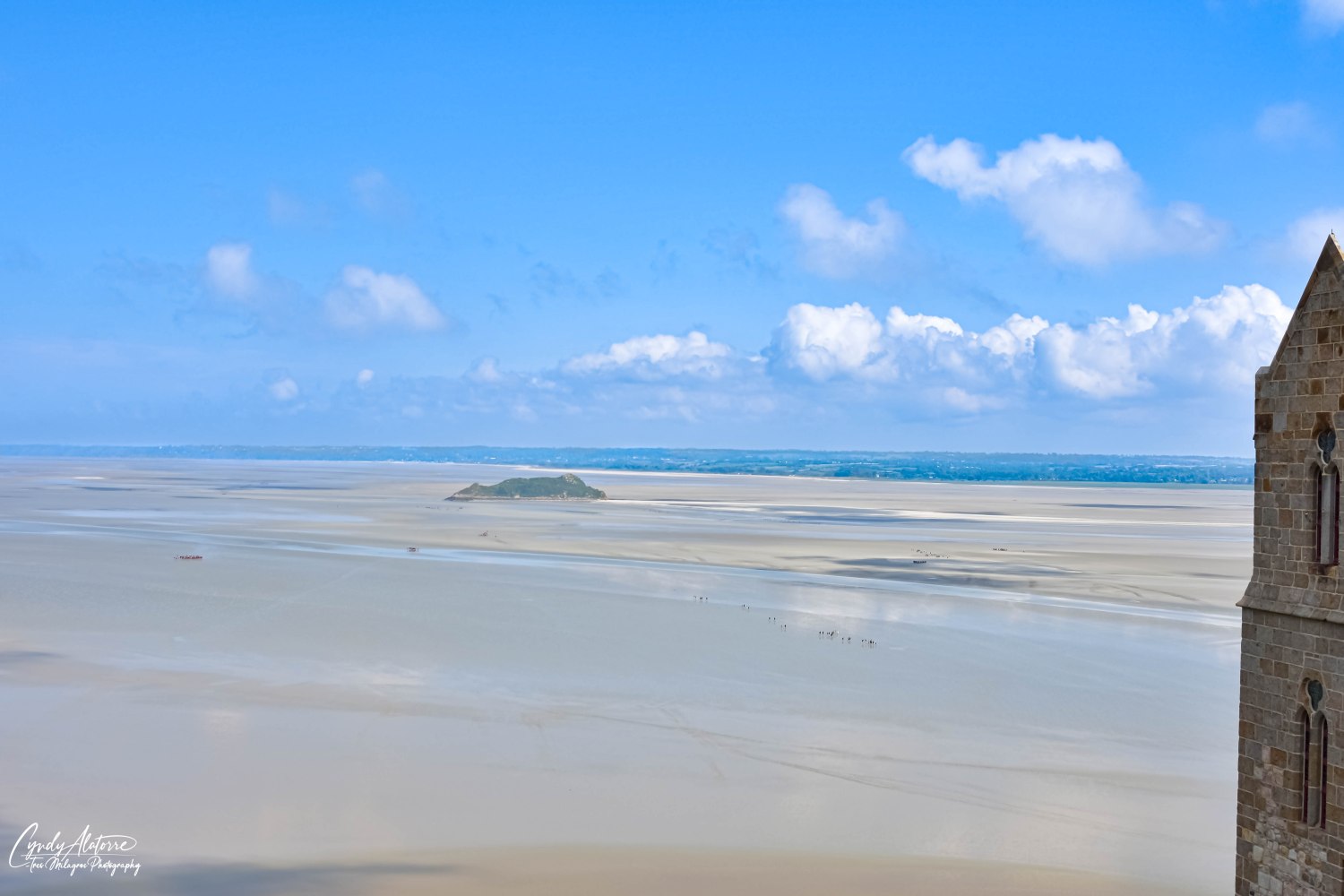
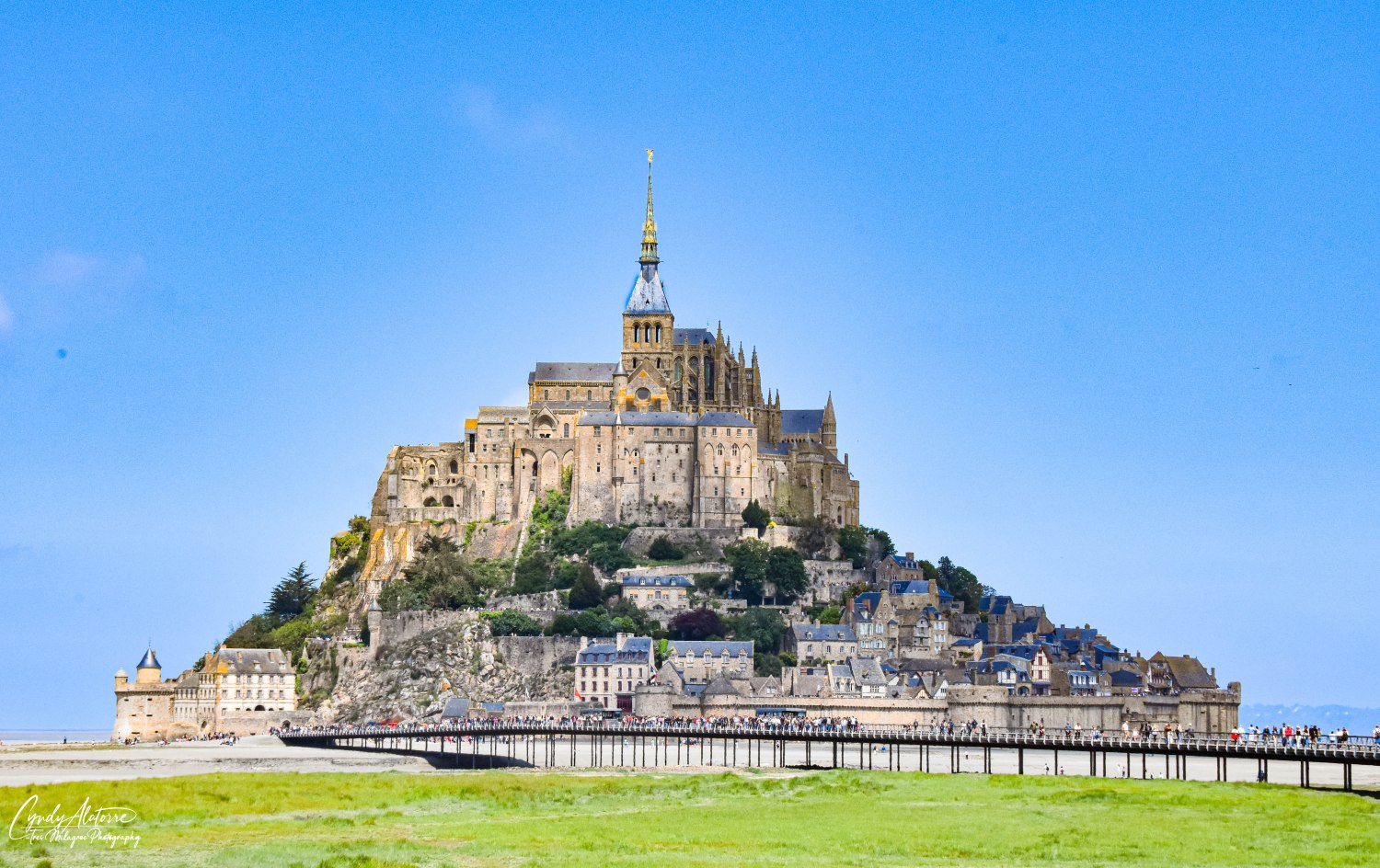
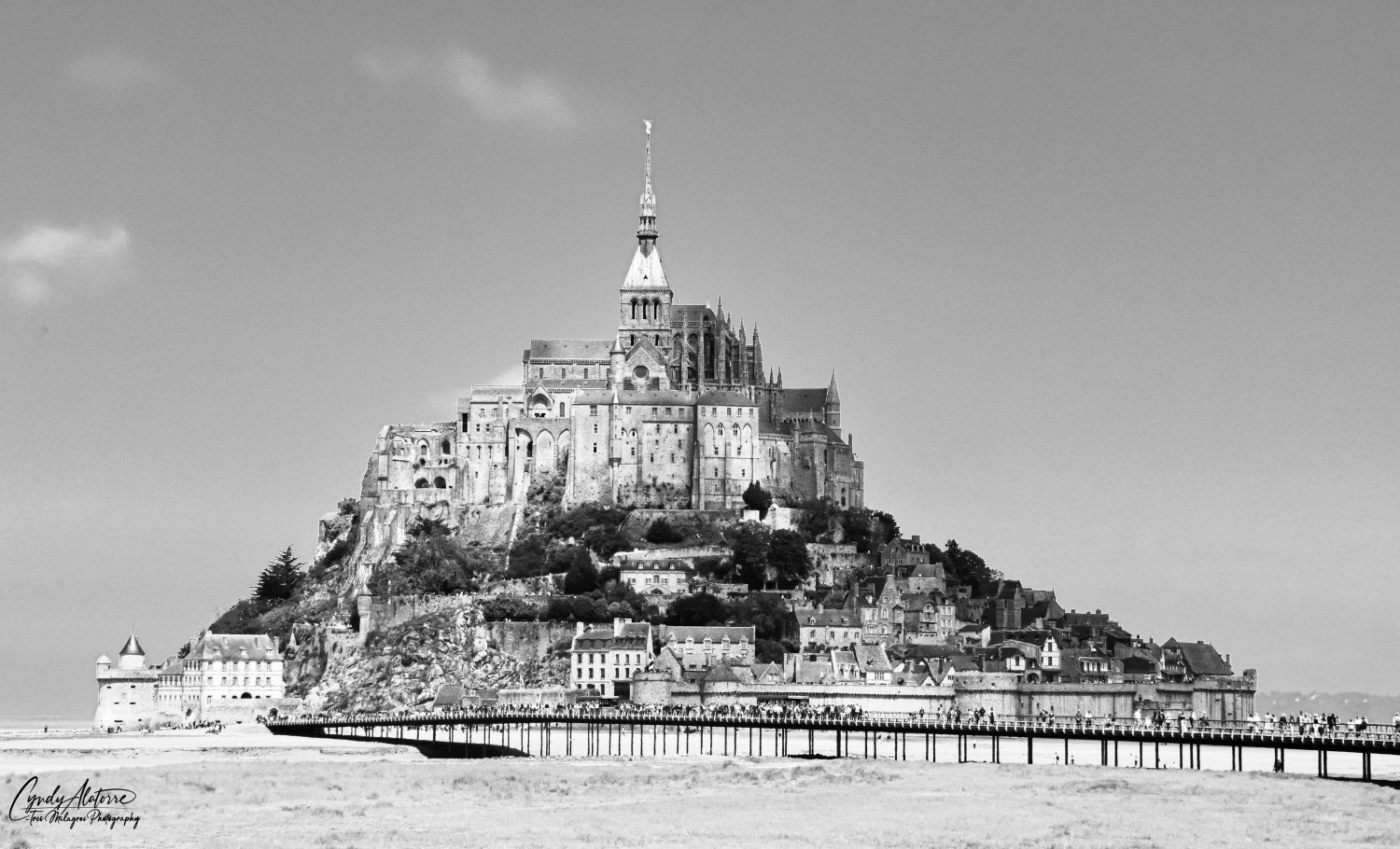
Now this request was very different from any other church, Cathedral or Basilica previously built. The site for Mont Saint Michel was to be built on a small rocky island in Normandy, just off the main land, and had a 264 foot rock perch on the island upon which the church was to be built on top of it. And if that wasn’t challenging enough, the island was cut off from the mainland twice a day by high tide. No doubt Bishop Aubert had his work cut out for him. 

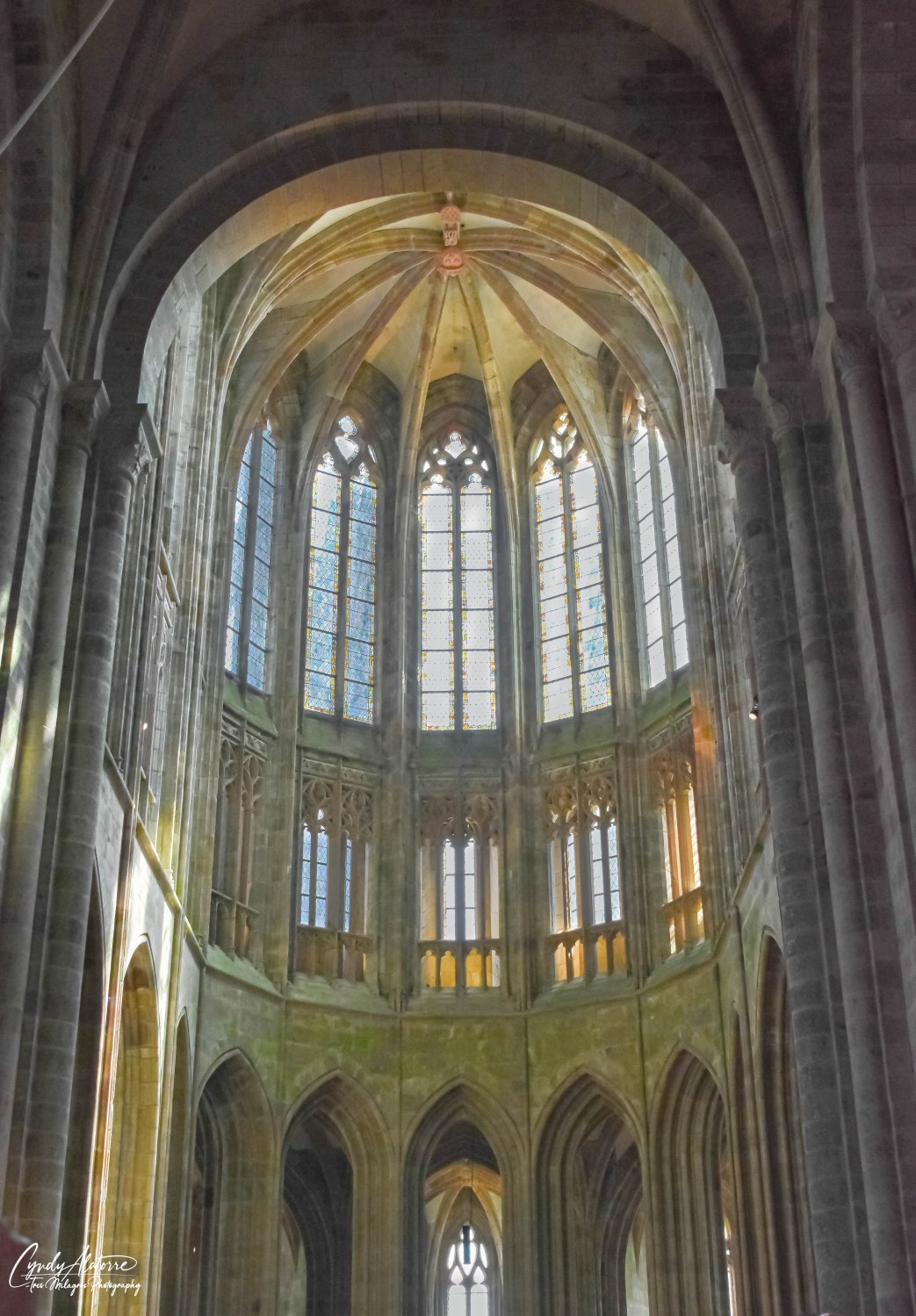
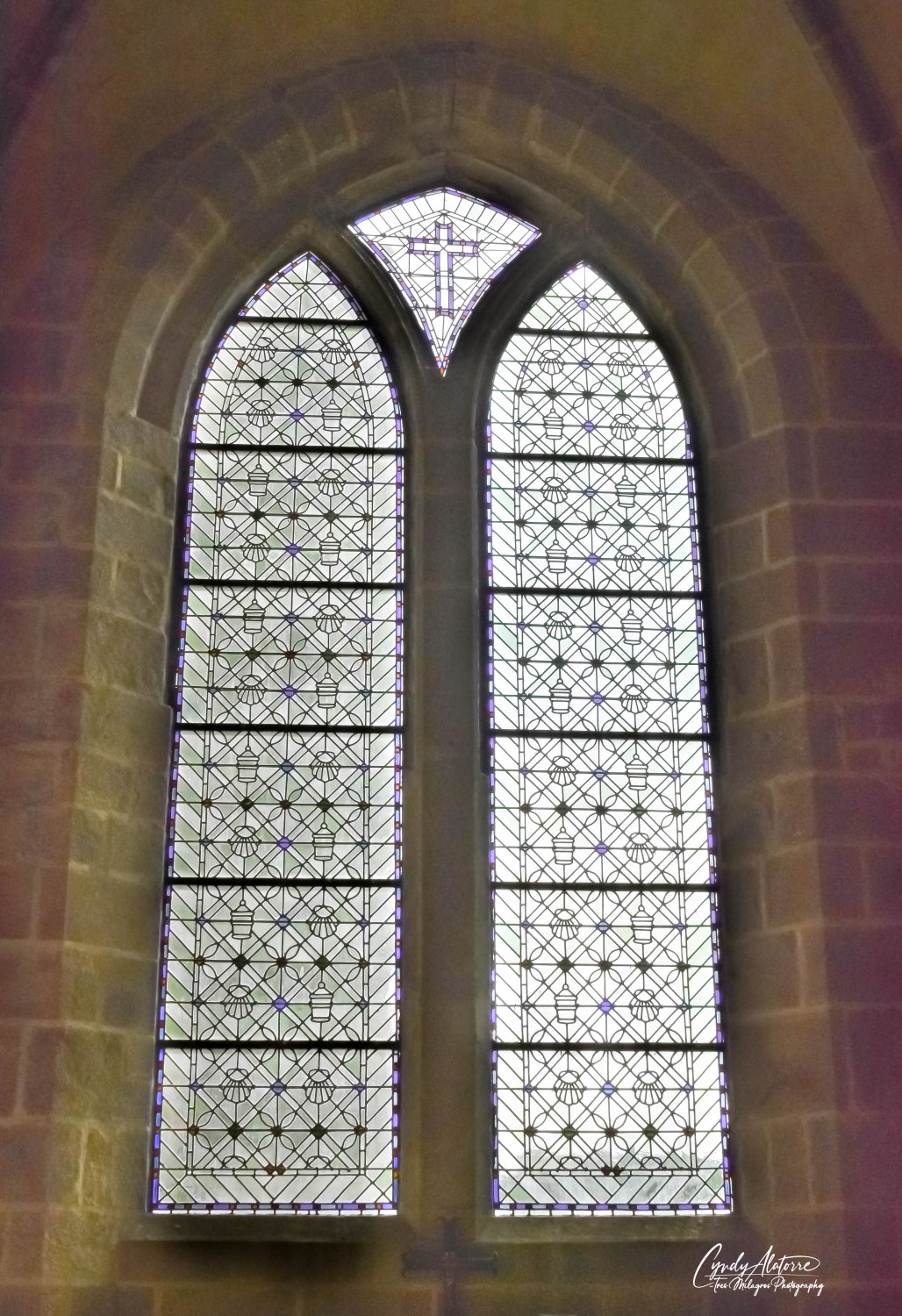
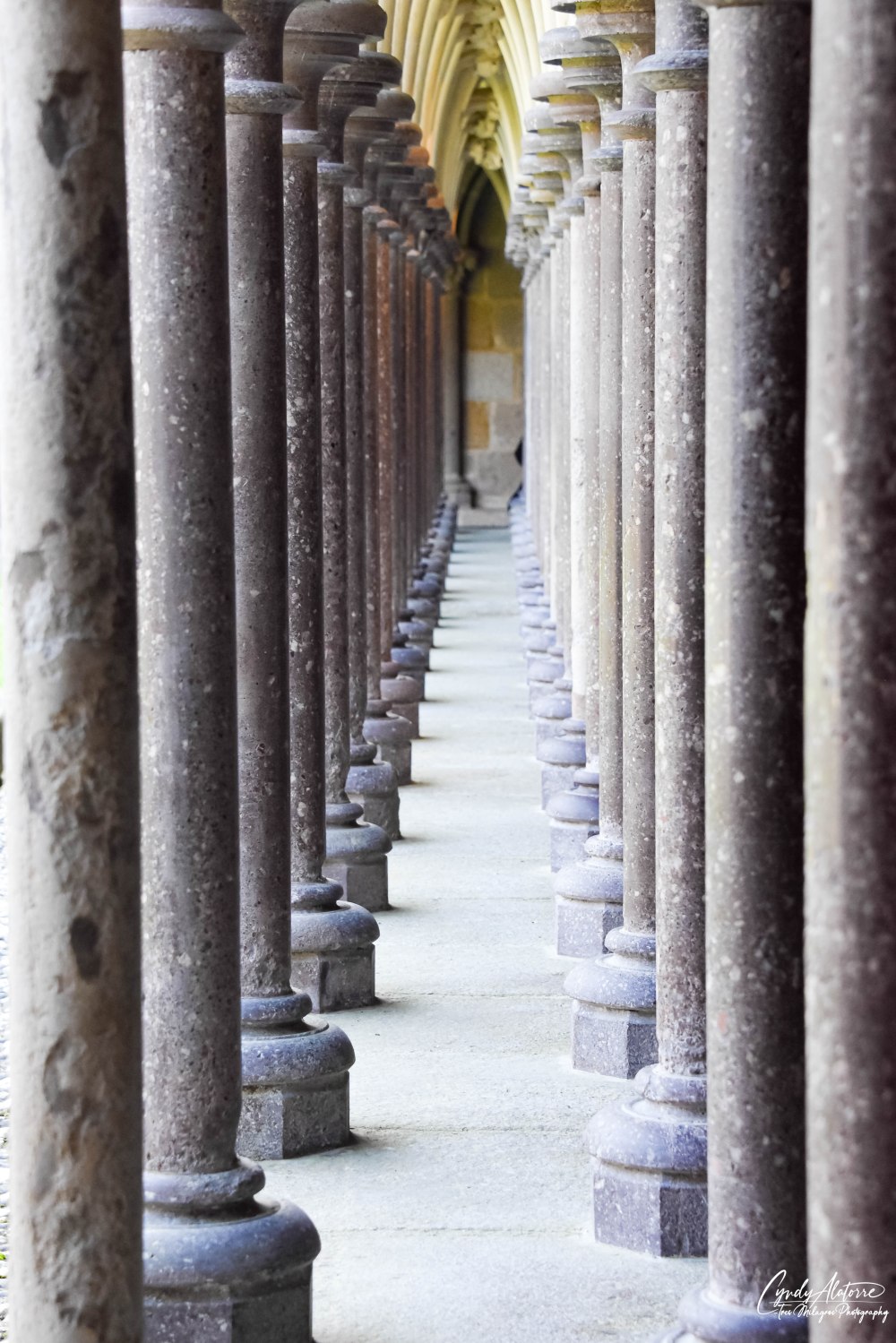
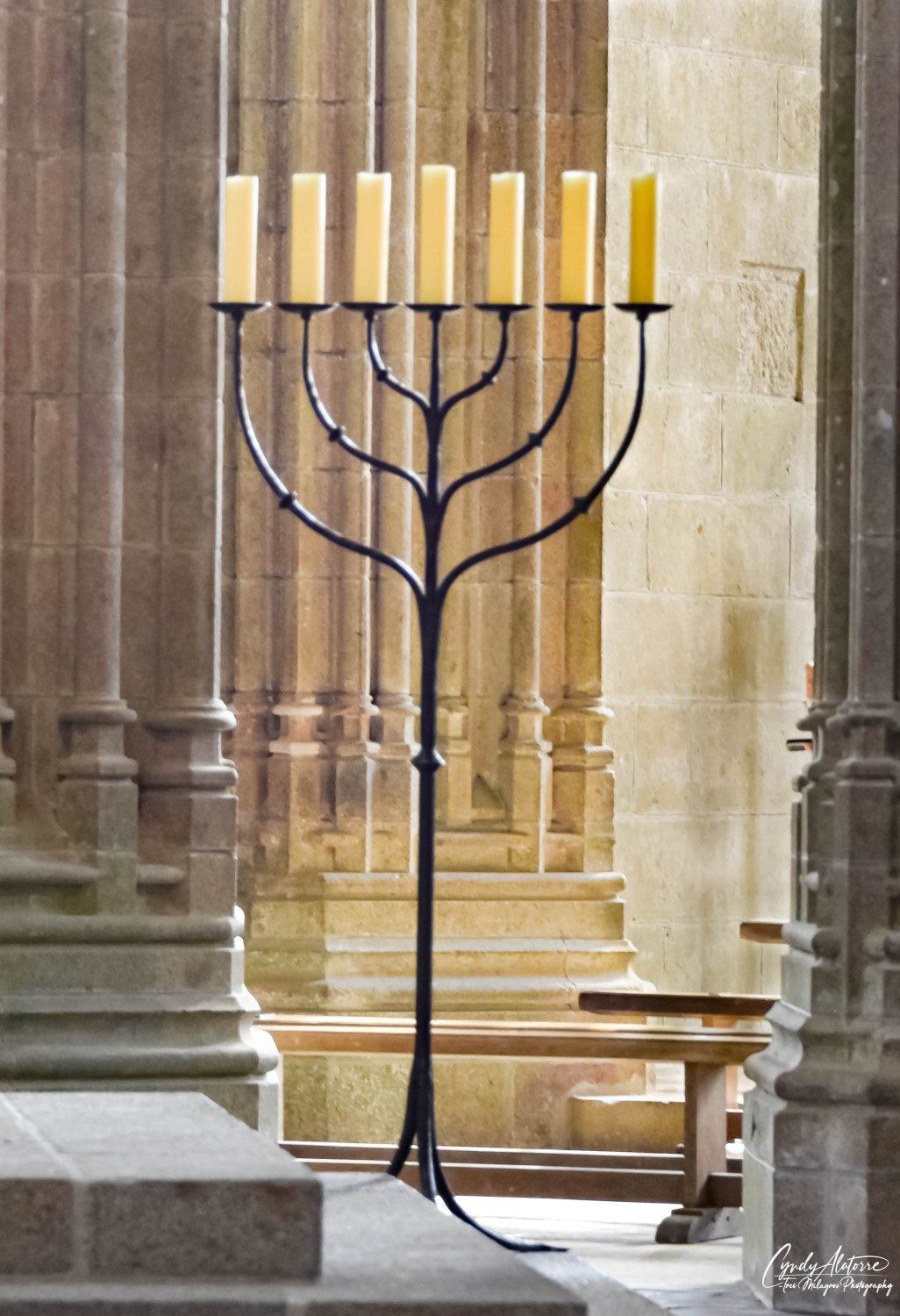
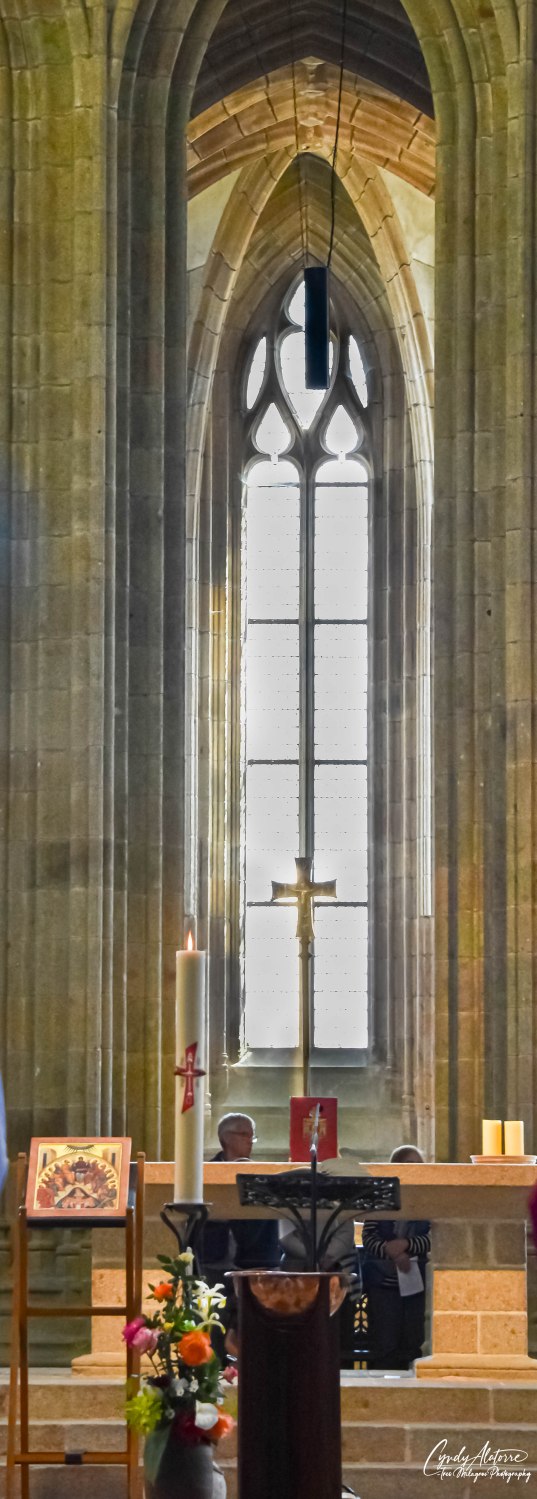
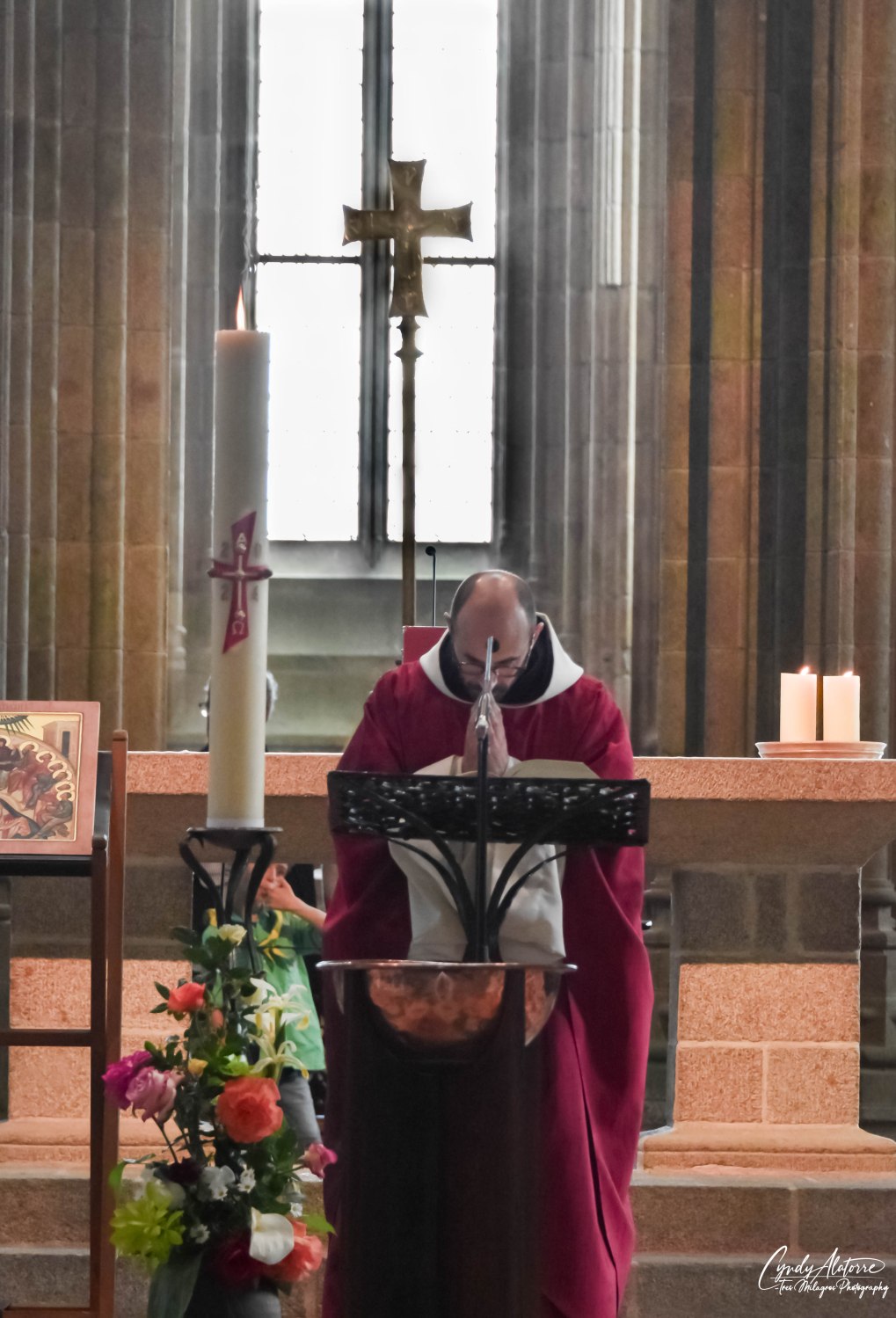
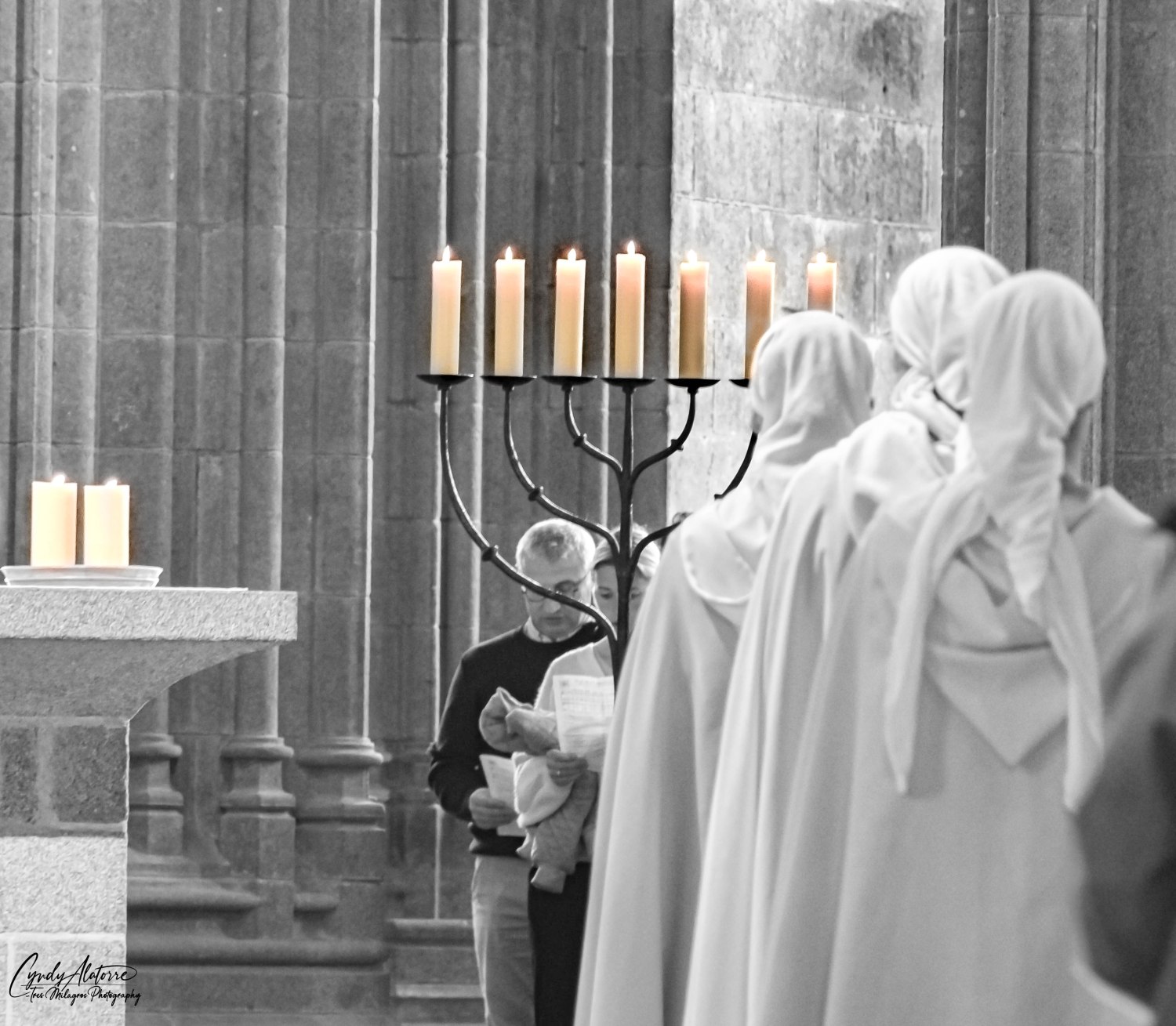
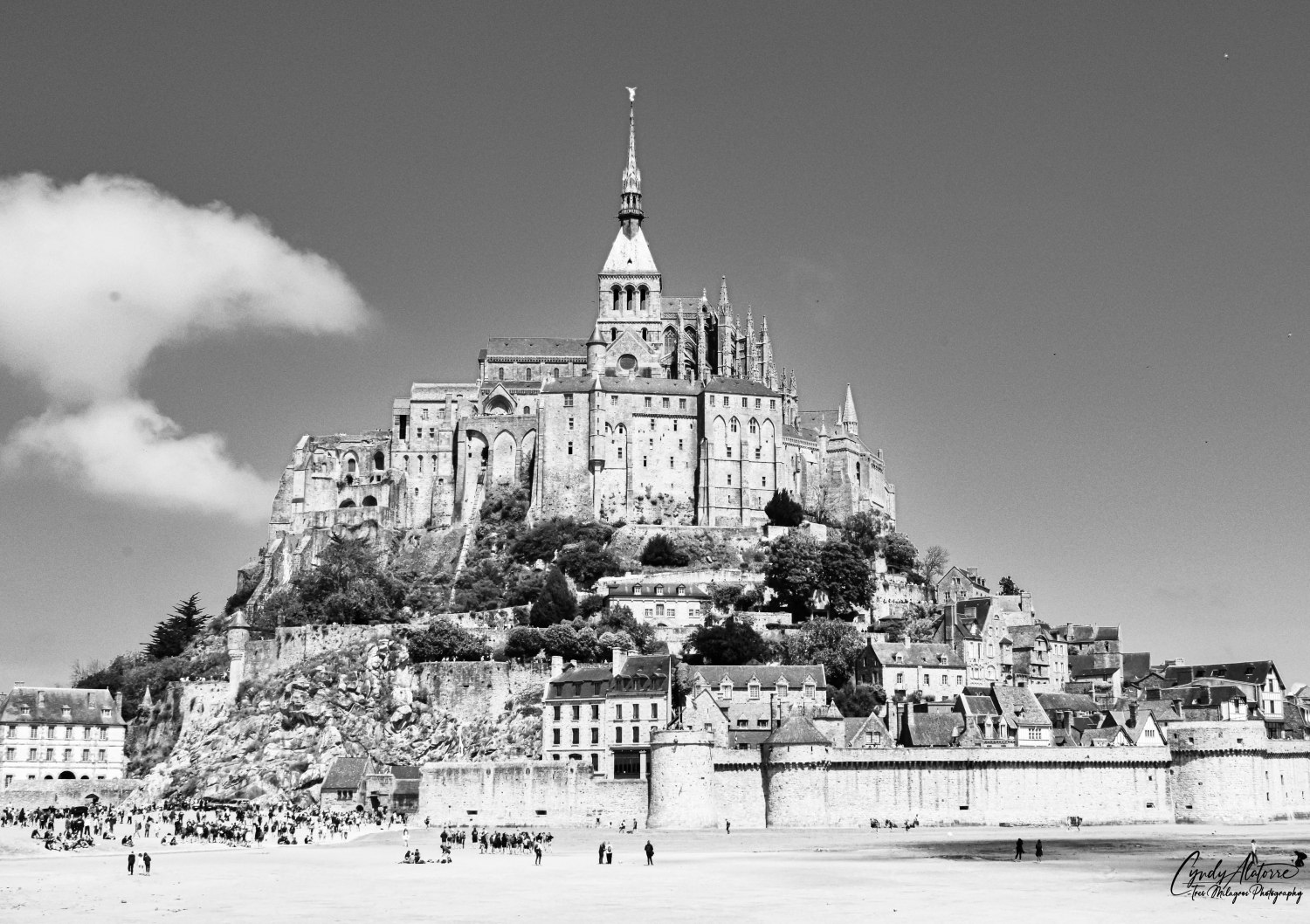
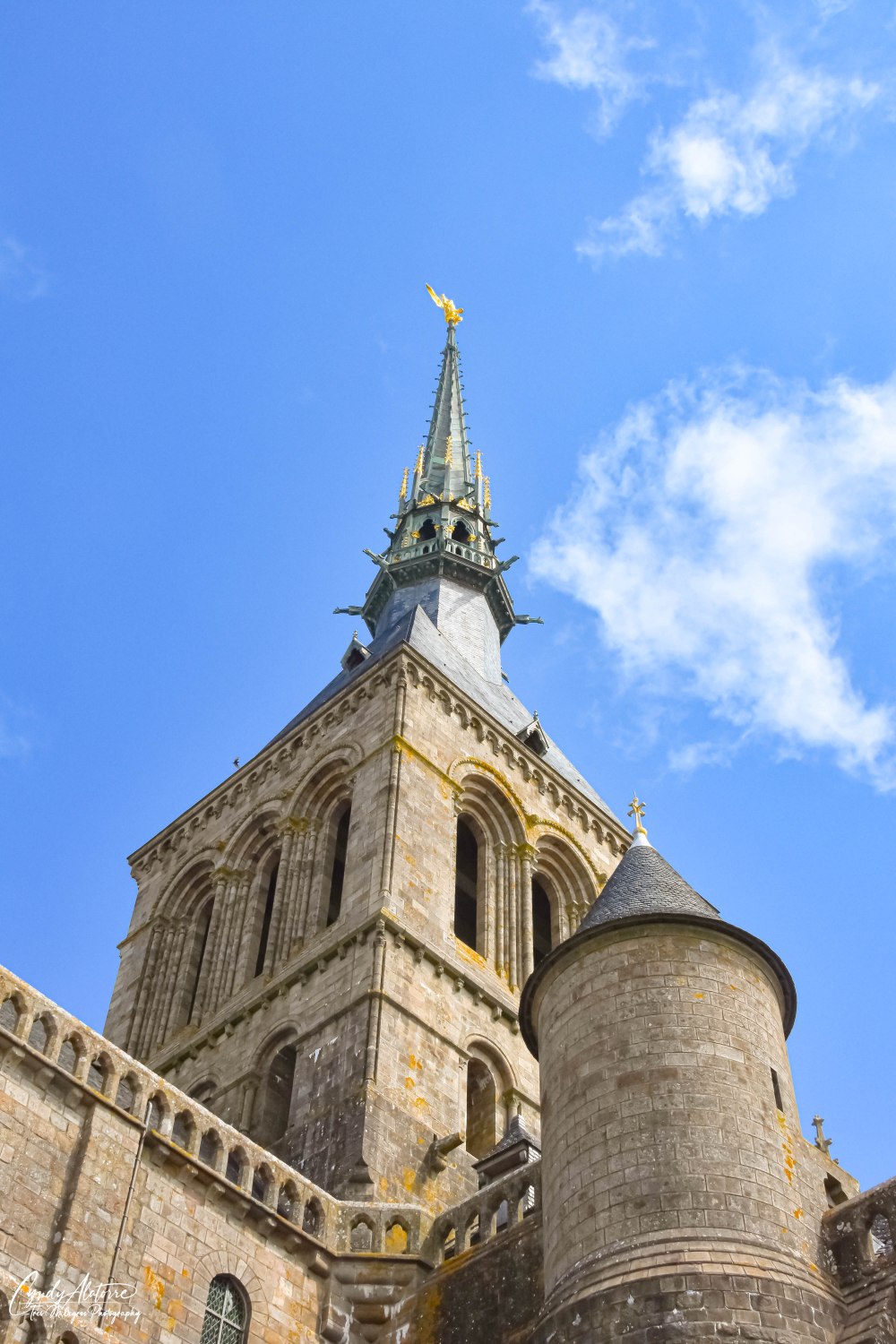
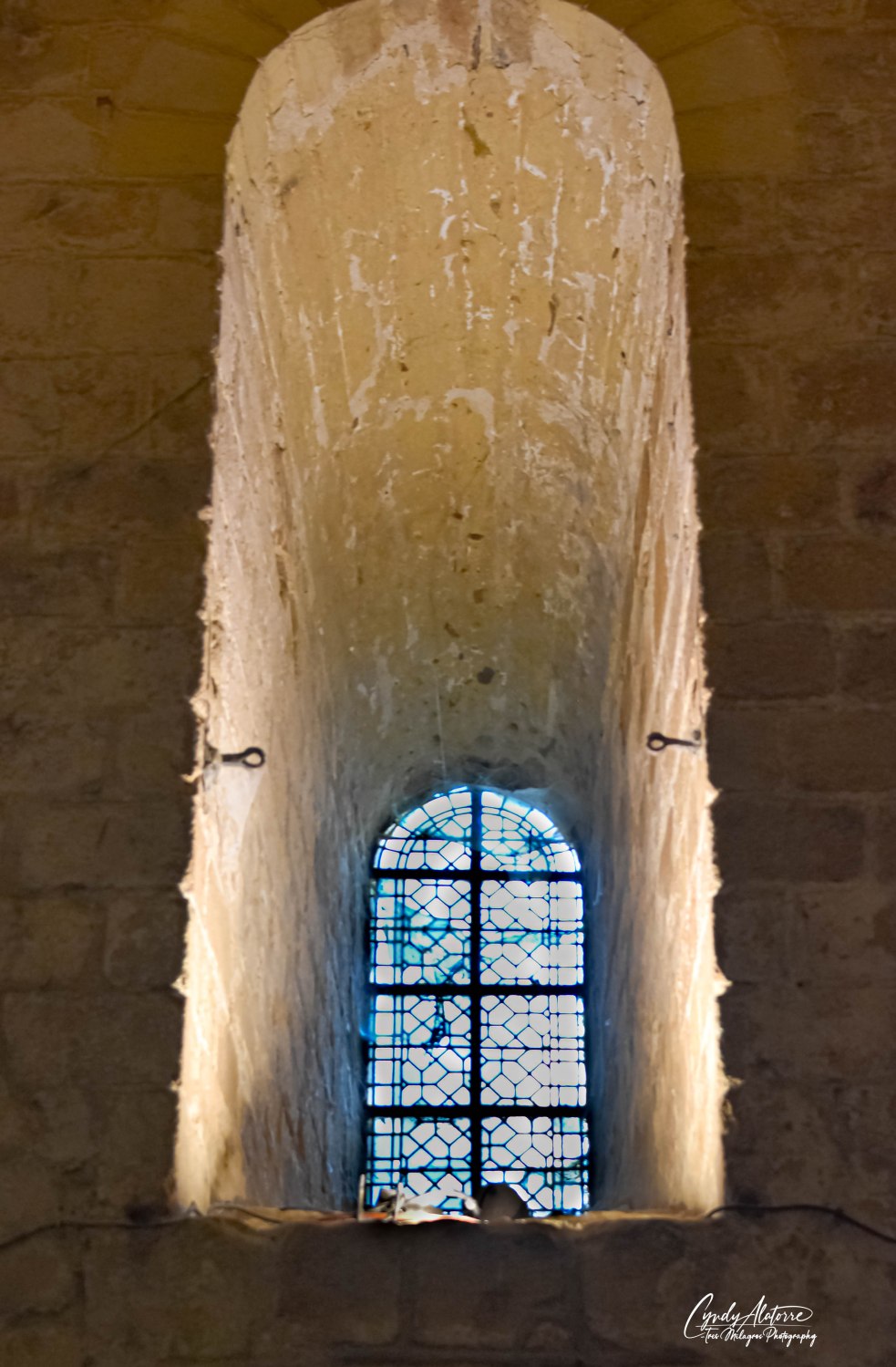
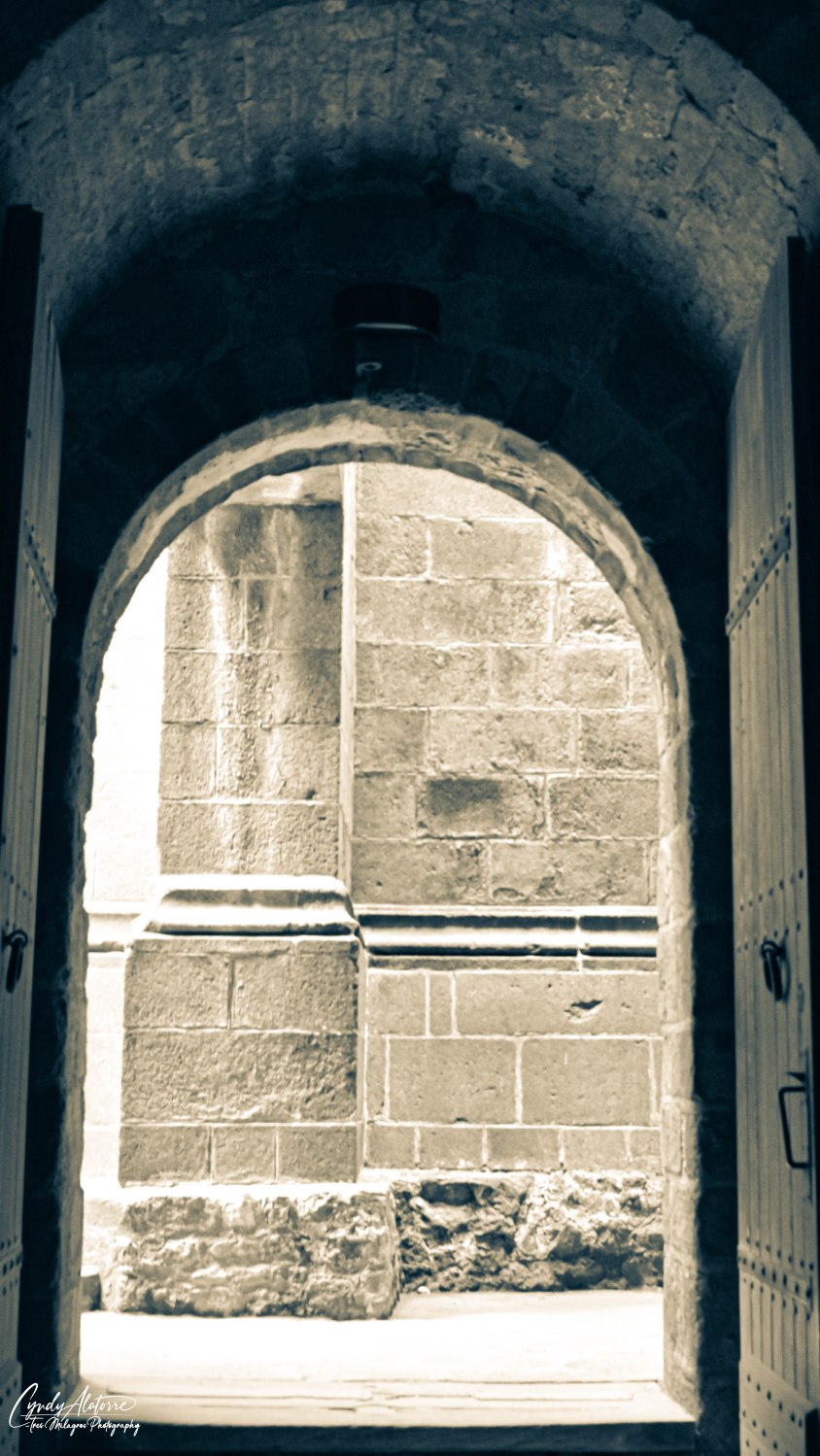
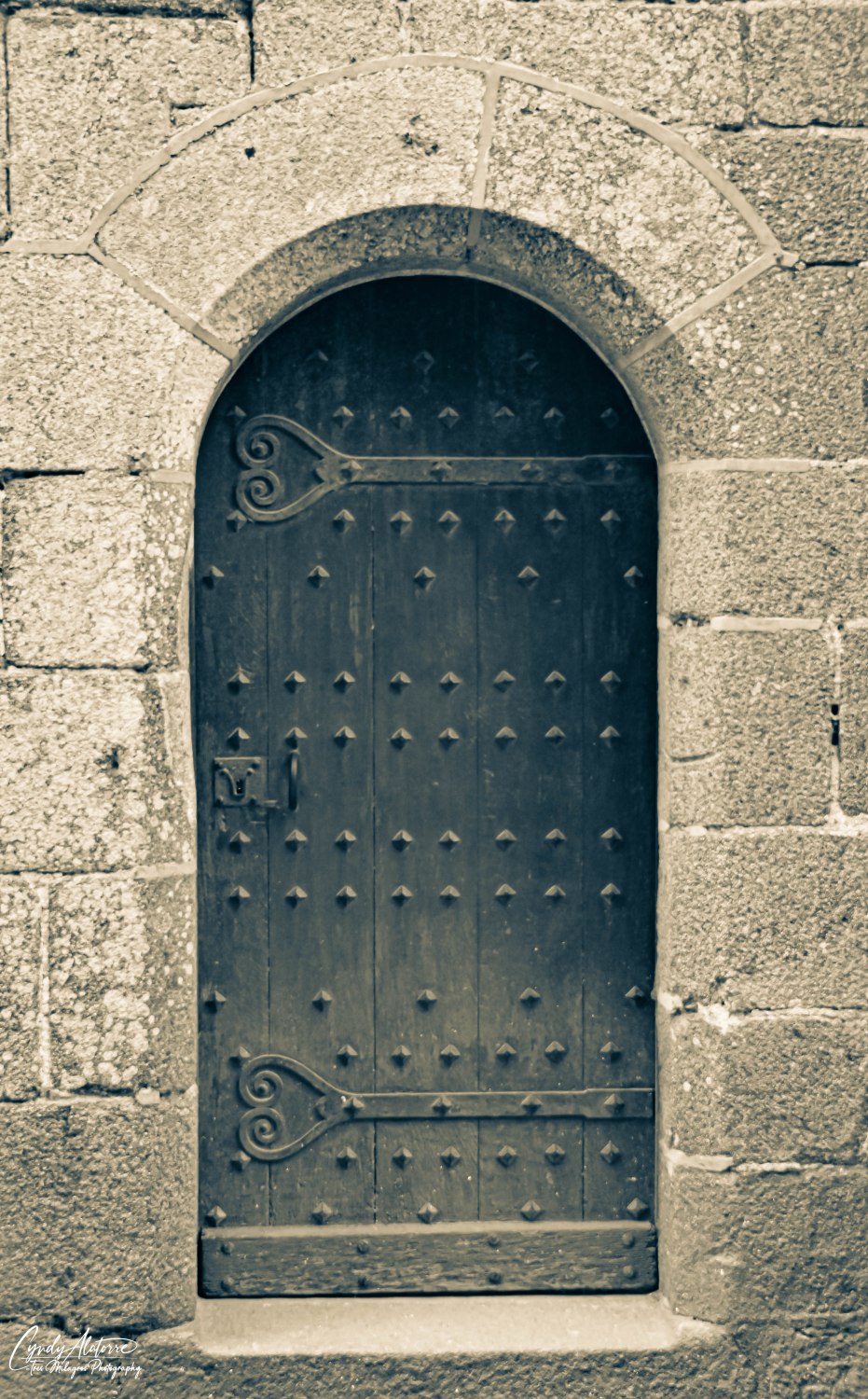
Construction of the Romanesque style Abbey at Mont Saint Michel began in 708 AD and continued for over 1300 years, adding Gothic architecture in the process, until it was completed.  Perched atop this island, its spires soar 302 feet towards the sky and has a gilded golden statue of Archangel Michael presiding at the highest point. Several crypts and chapels had to be built to form a foundation that would disperse and compensate for the incredible amount of weight created by this structure. Walking through the four crypts I could see various doorways and windows that were 2 or 3 meters (6-10 feet), thick which was a good indication to the amount of support needed to build this immense structure (you’ll see these doorways in the photos below).  And while down in the crypts, the thought of this was daunting and had me thinking..”yeah, I think it’s time to go upstairs now.”  

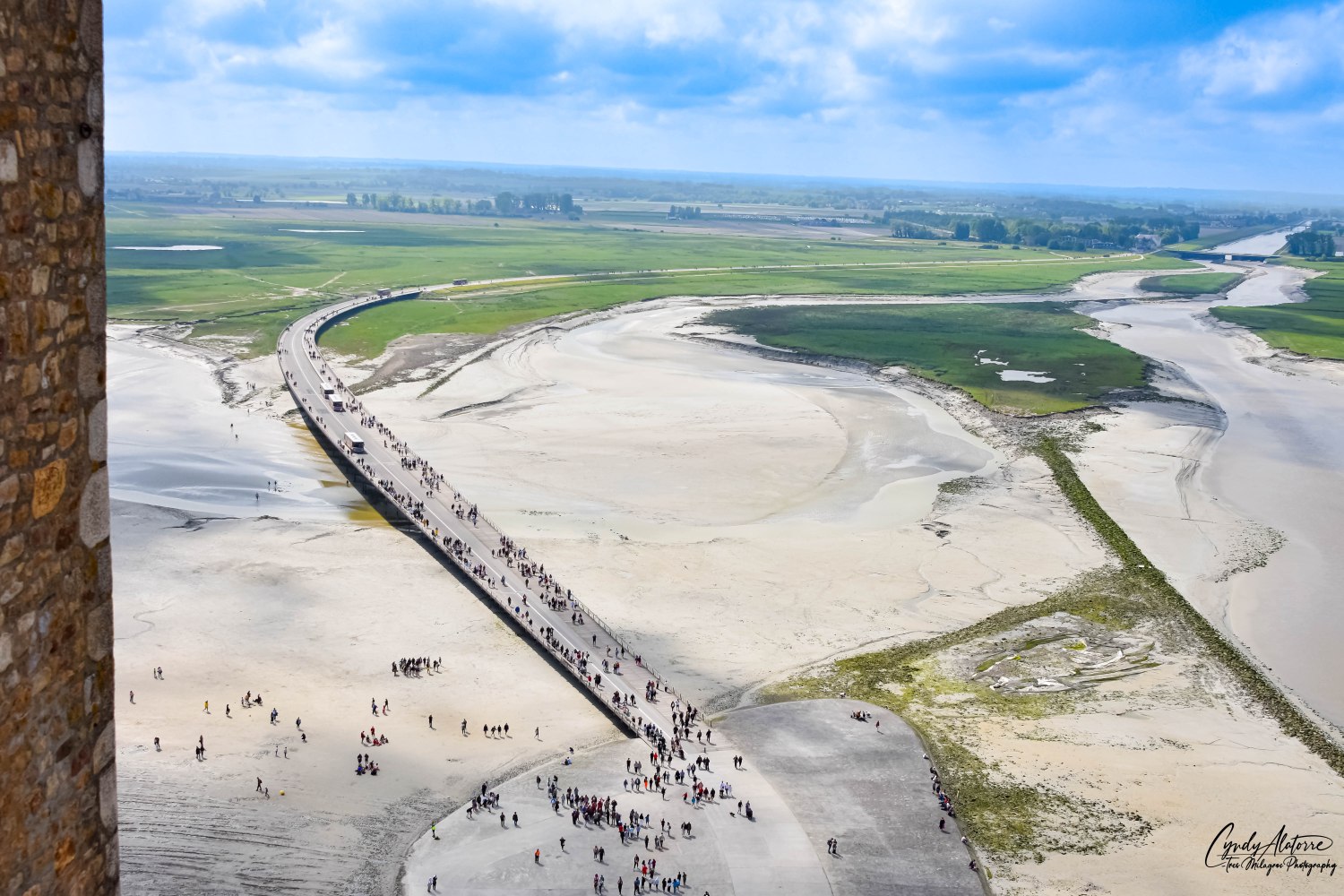
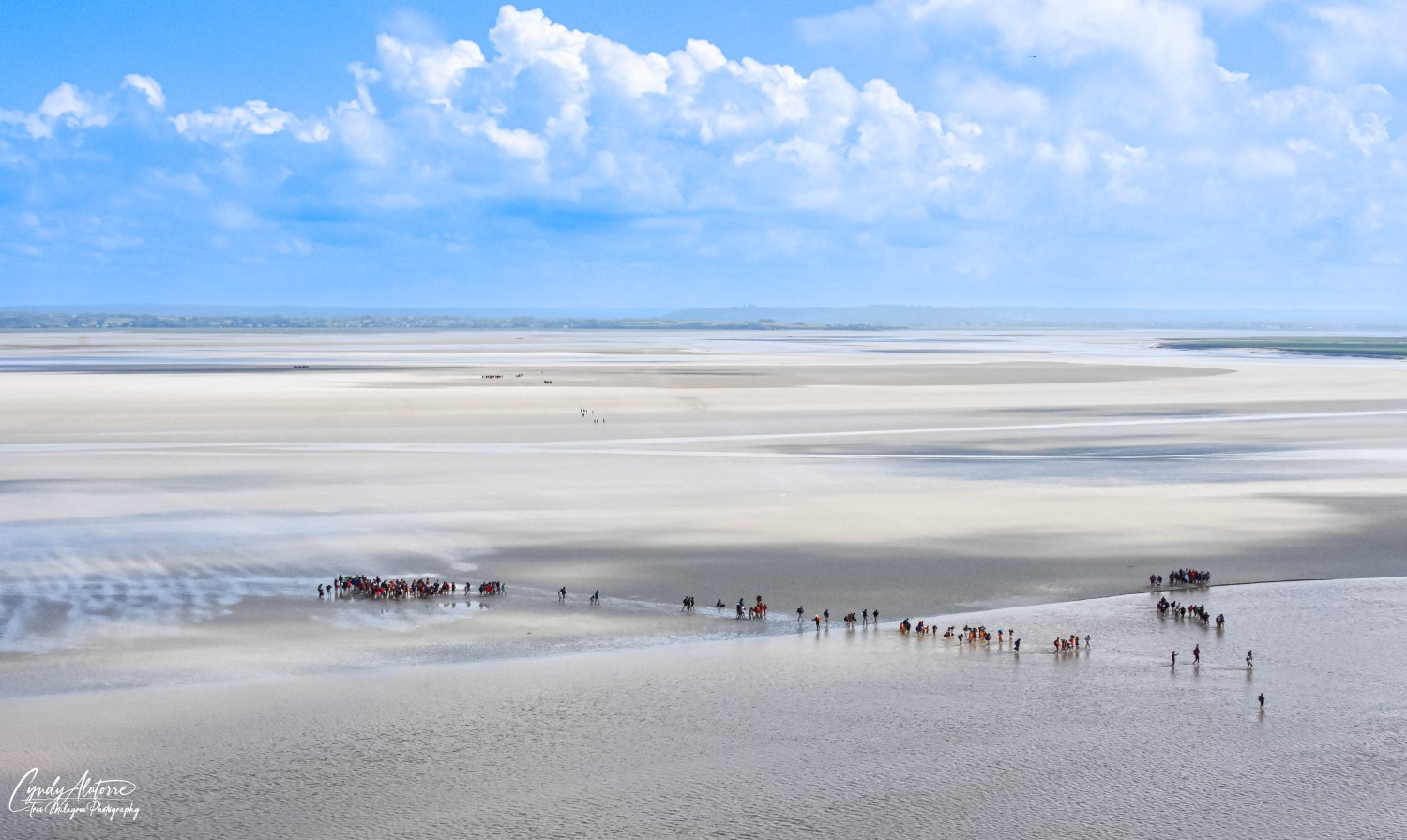
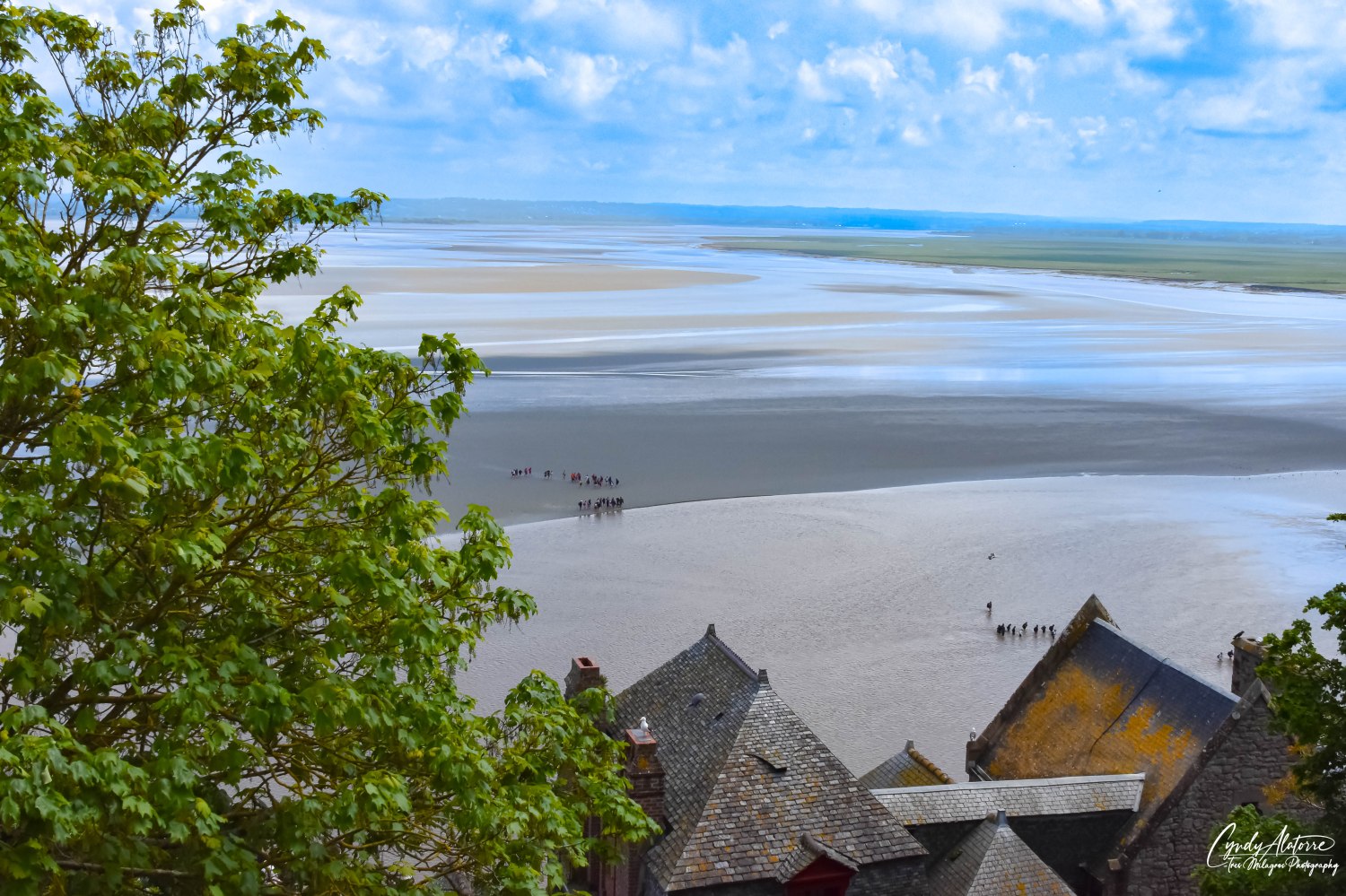
Are you wondering why an abbey would need to be so large and heavy? During the 10th century, Mont Saint Michel had become a renowned Benedictine monastery known for its center of learning. It was subjected to attacks from the King of England, especially during the Hundred Years’ War therefore, needed to create an immense and impenetrable wall that would fortify the island. Powerful tides both exposed and protected this abbey and at times would cut Mont Saint Michel off from the mainland due to high tides, and still does even to this day. To address this issue, a newly designed walkway and road was built on stilts in 2014 and allows continuous access to Mont Saint Michel while allowing water to flow freely around the island.

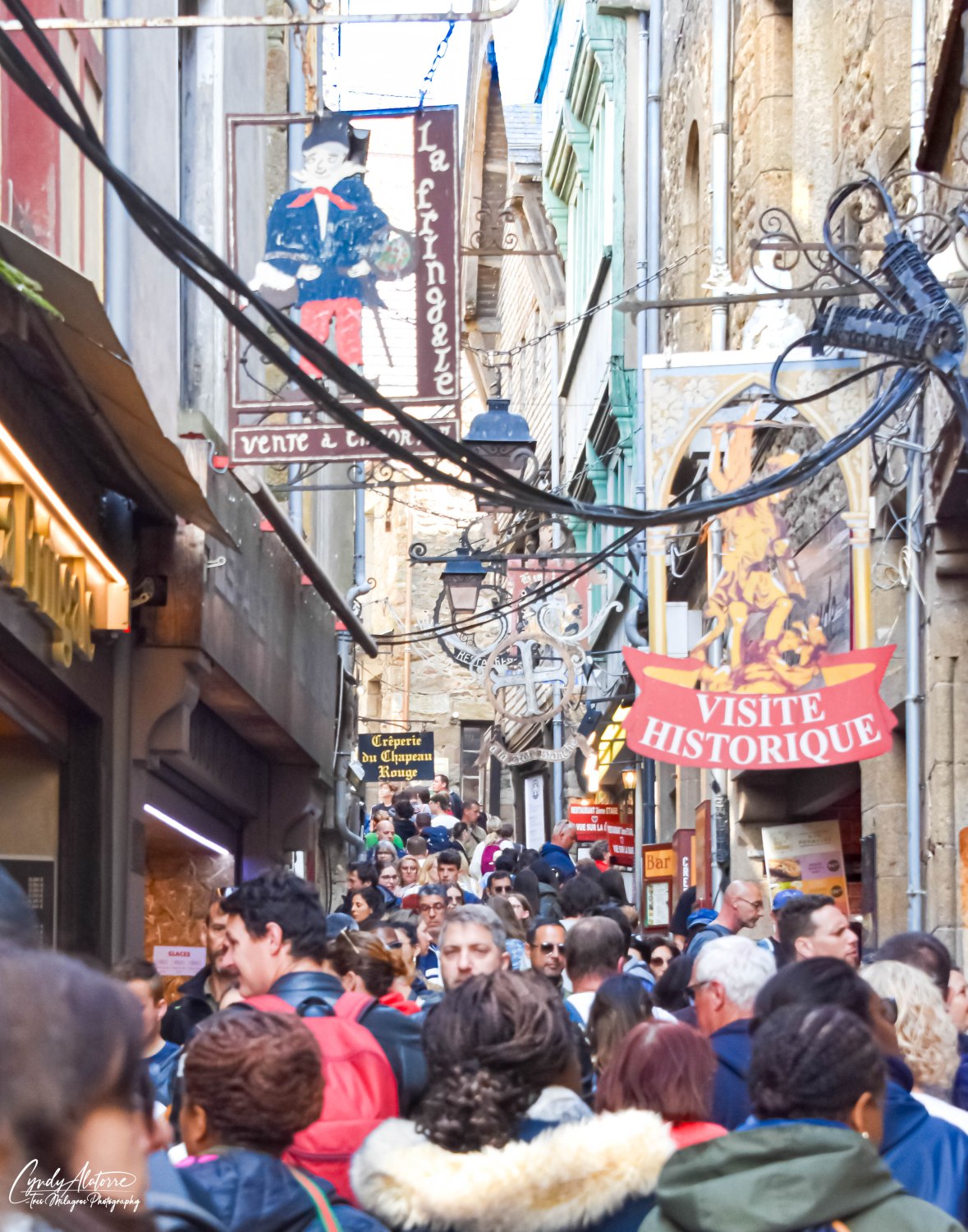
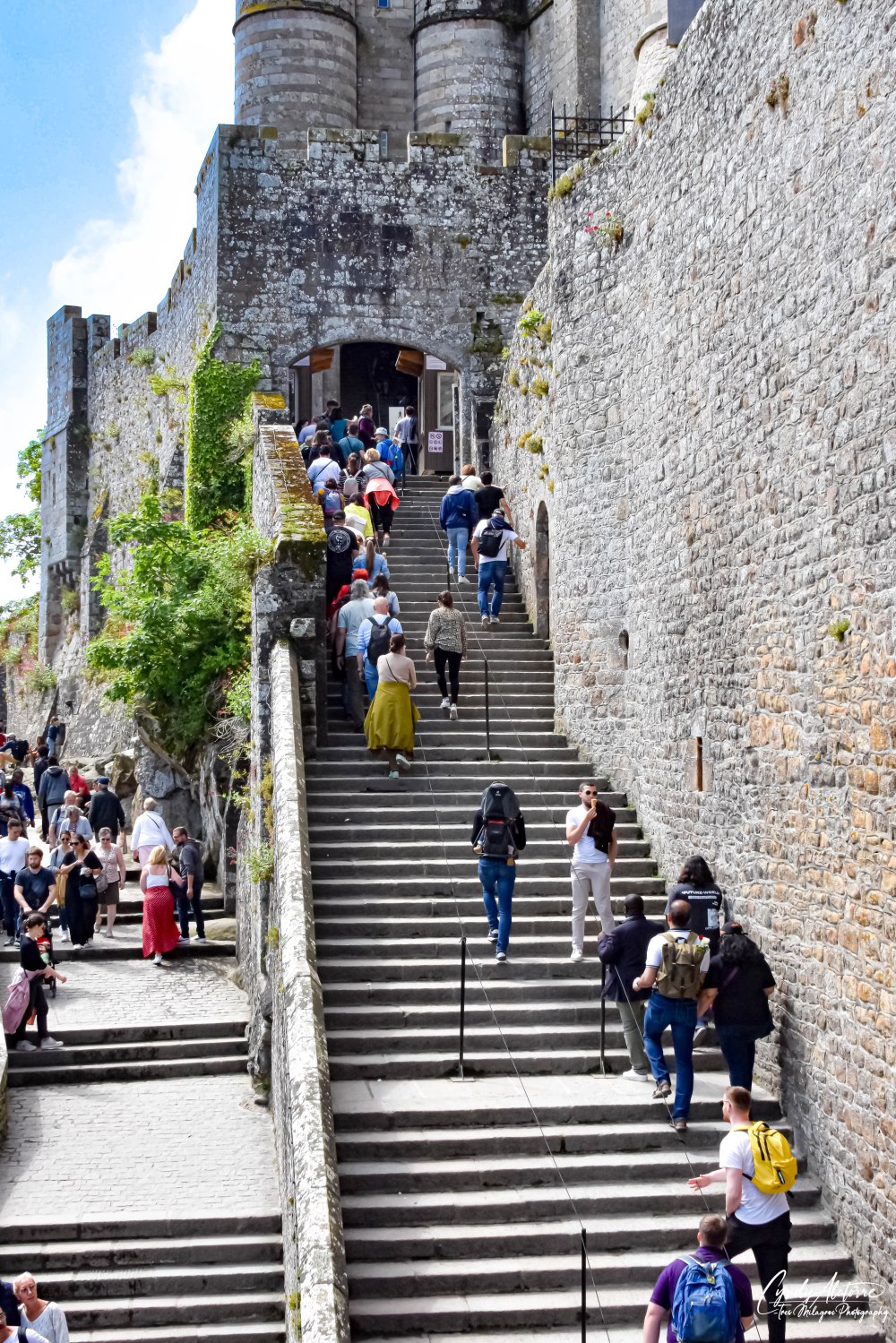
Needless to say, it is a magnificent and impressive place of worship and history. Being able to walk in the abbey, rooms and halls as well as churches, you can get a sense of what life must have been like in medieval times, which was hard, cold and brutal. Walking up the 350 steps, 200 in the Grande Rue, then around 150 inside the abbey, will definitely give you a workout but the views and ability to see the various areas of Mont Saint Michel and surrounding areas are worth it and 3 million visitors a year proves it. 

With its staggering views, it is definitely one of Europe’s most unforgettable and sacred sites and continues to be a place of worship, education, and pilgrimage. It is another monumental and historical place within the gem of Normandy.  For myself, Mont Saint Michel was like no other church or basilica that I have been to and its longevity, history and sense of sacredness was majestic.  Below is a video link of Mont Saint Michel to provide a visual sample of the magnificence and grandiose of this holy site.

So Archangel Michael was right in his visions to Aubert, Bishop of Avranches.  He just had to trust the angel and act on faith: “ Build it and they will come”.  Thankfully the archbishop listened to the angel’s request to build Mont Saint Michel and who knows how many more will come to visit or complete their pilgrimage here. But one thing is for certain. If Mont Saint Michel has lasted this long, then perhaps it’ll be here for another 1000 years.

Until next time, we’ll keep moving on and see where we go via El Camino Thru My Lens.

Video of mont saint michel

Featured

“Port Winston” ~ Arromanches, France

What influences you to decide where to go when traveling? Is it time, money, visiting family or friends? Or do you just throw a dart at a map and go where it lands? Now that is a true adventurist!  For me, it can be little of all the above, but to be honest, this trip to Normandy has been on my bucket list. Both of my grandfathers served in World War II, one in Europe and the other in the South Pacific and their service during the war has always peaked my interest to learn more about the historical events and places involving World War II.

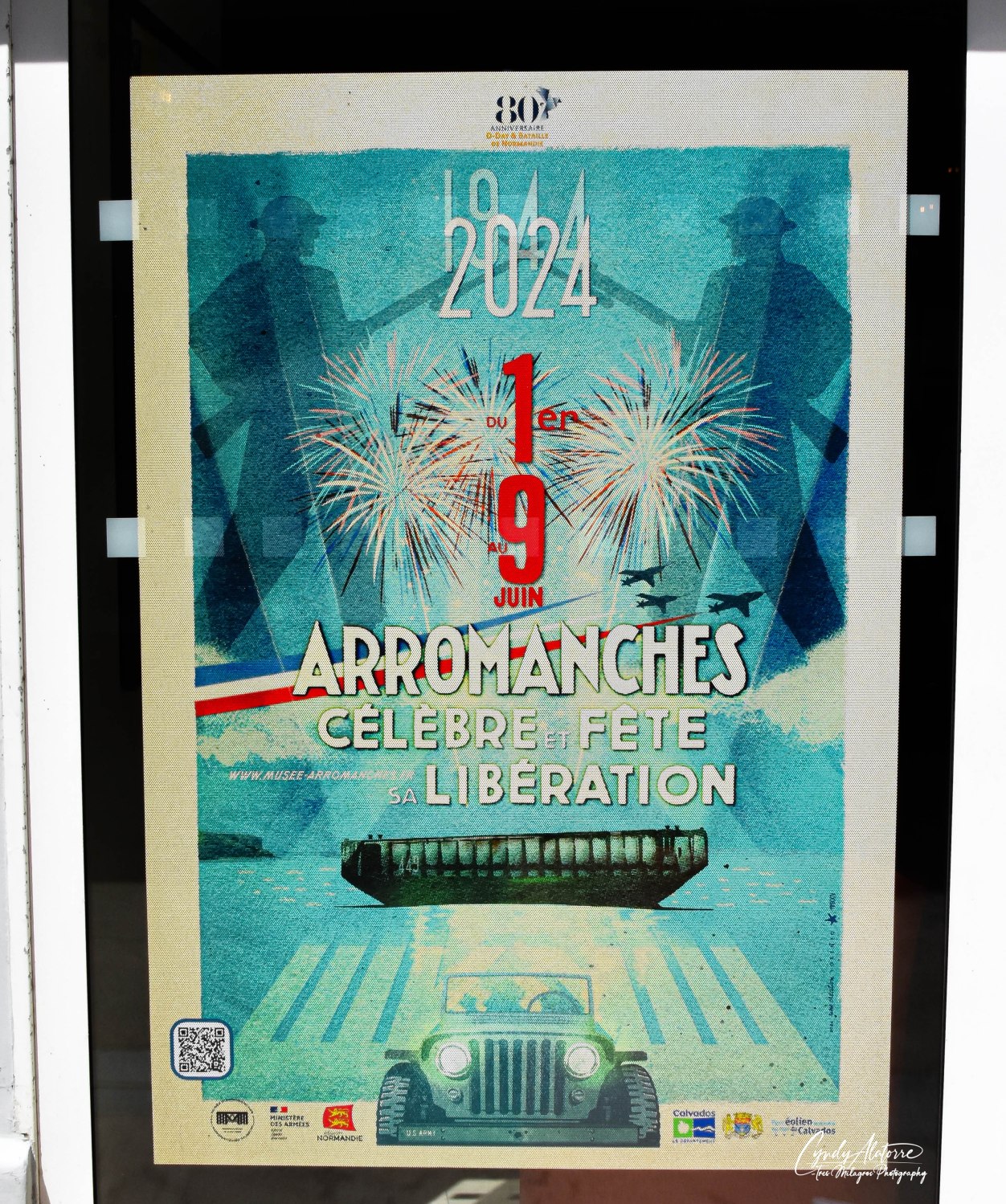
Some time back, I had read about the Normandy region with its beautiful countryside, its local culture and how it played such an important role and changed the tide in World War II and it got my attention. Throw in that I really enjoyed France on previous trips and it was a no brainer…we were going to Normandy.  The 80th anniversary for D-Day is quickly approaching (June 6th), and I wanted to educate myself before I went and so the research started.  I did my homework and read the Stephen E. Ambrose book, “D-Day”, researched other documents as well as watched “Band of Brothers”, “Masters of the Air” and “Private Ryan” and any other documentaries I could find about World War II.  I would soon find out how much more there was to learn and was enlightened about these cities and their role in changing world events. 

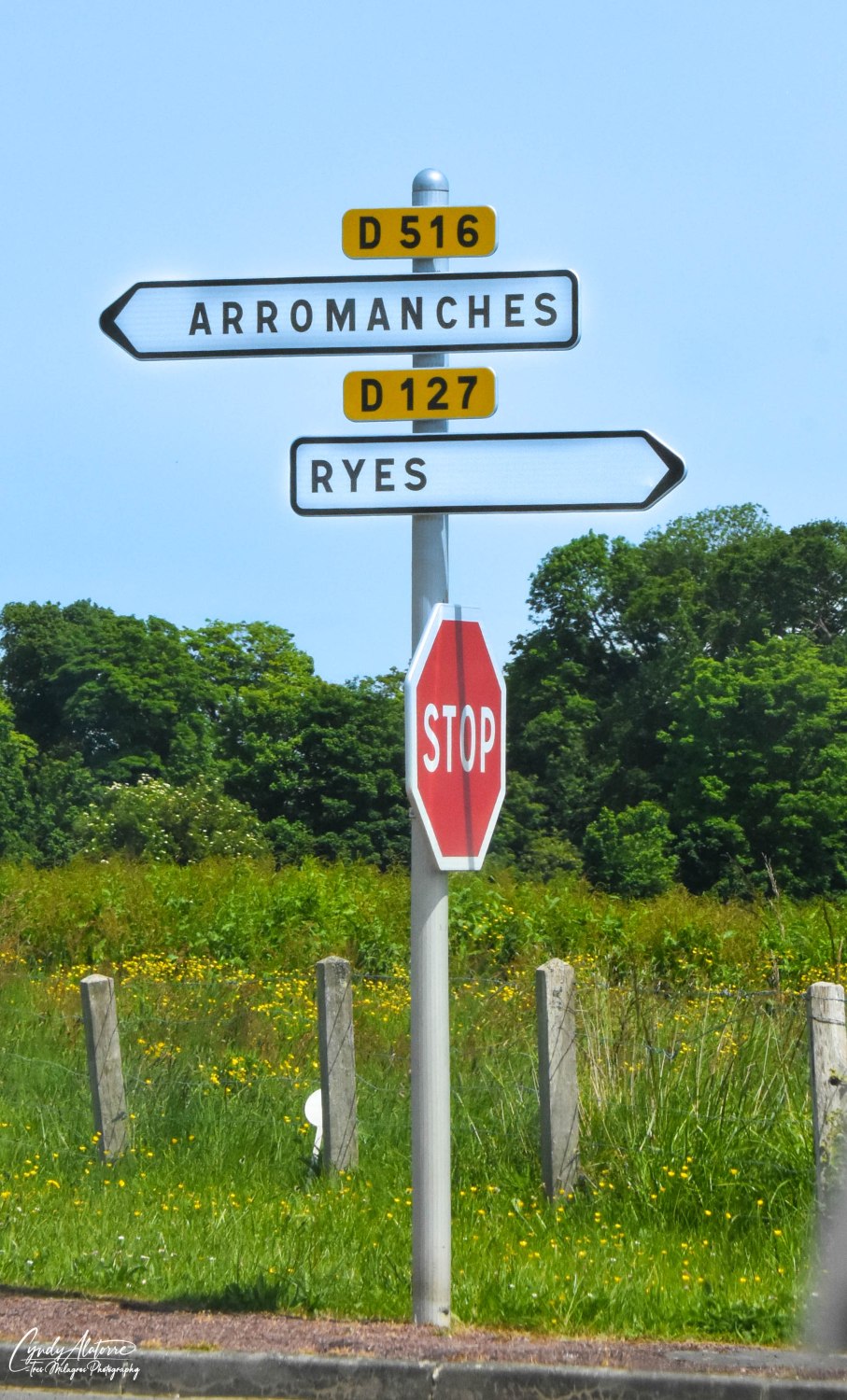
Once we got settled in our home base in Bayeux, it was time to go out and start exploring. Located 20 minutes or 13.2 km from us, our first stop was Arromanches, France or as it’s known “Gold Beach”. On June 6, 1944, as Allied forces landed on the beaches of Normandy to begin the liberation of  France, British and Canadian forces were landing on the beaches at Arromanches to secure this crucial site.  The allied forces needed two ports to off load their supplies to support this massive effort and the nearby deep-water ports of Cherbourg and Le Havre were occupied by the Germans, who would strongly defend these areas. 

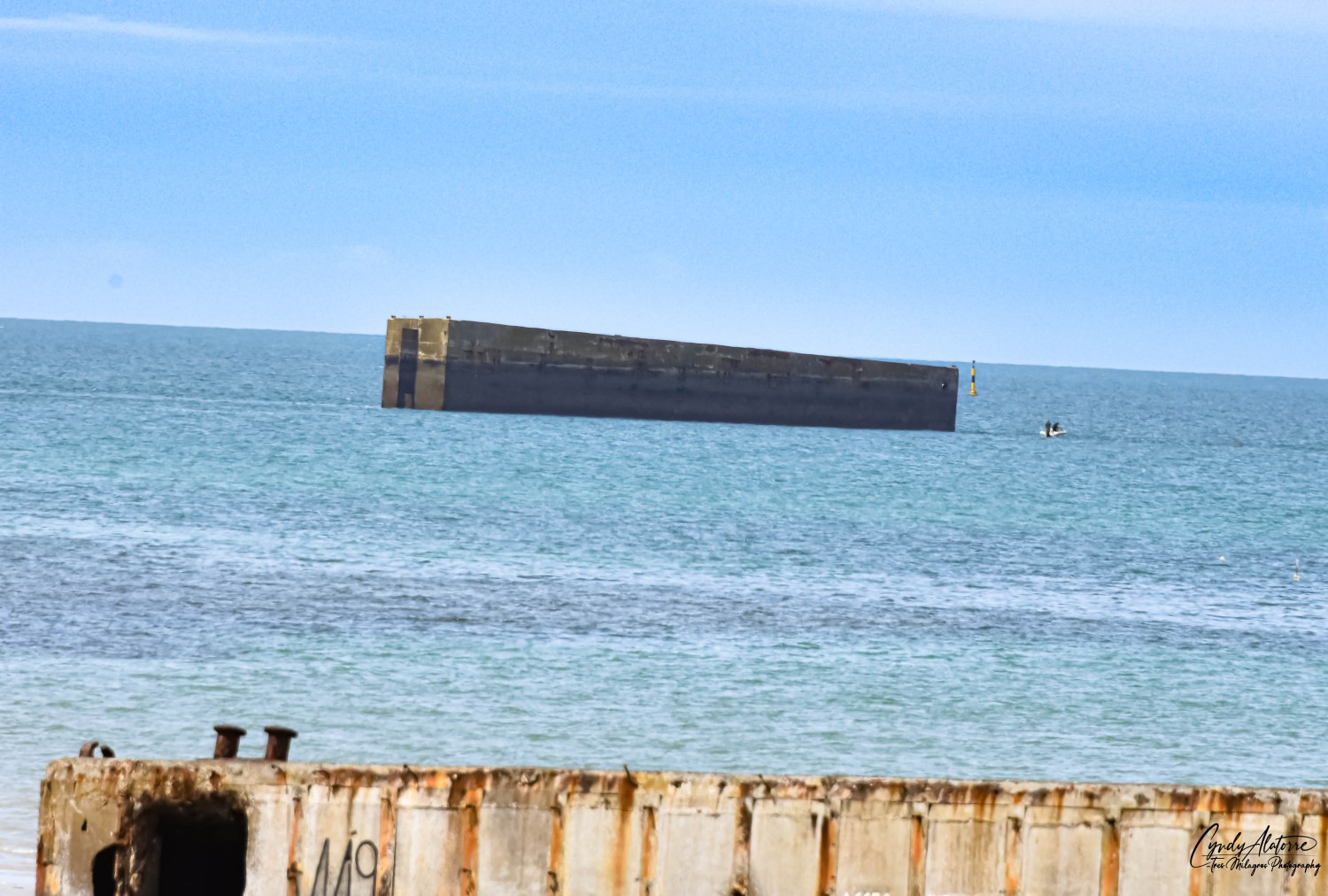
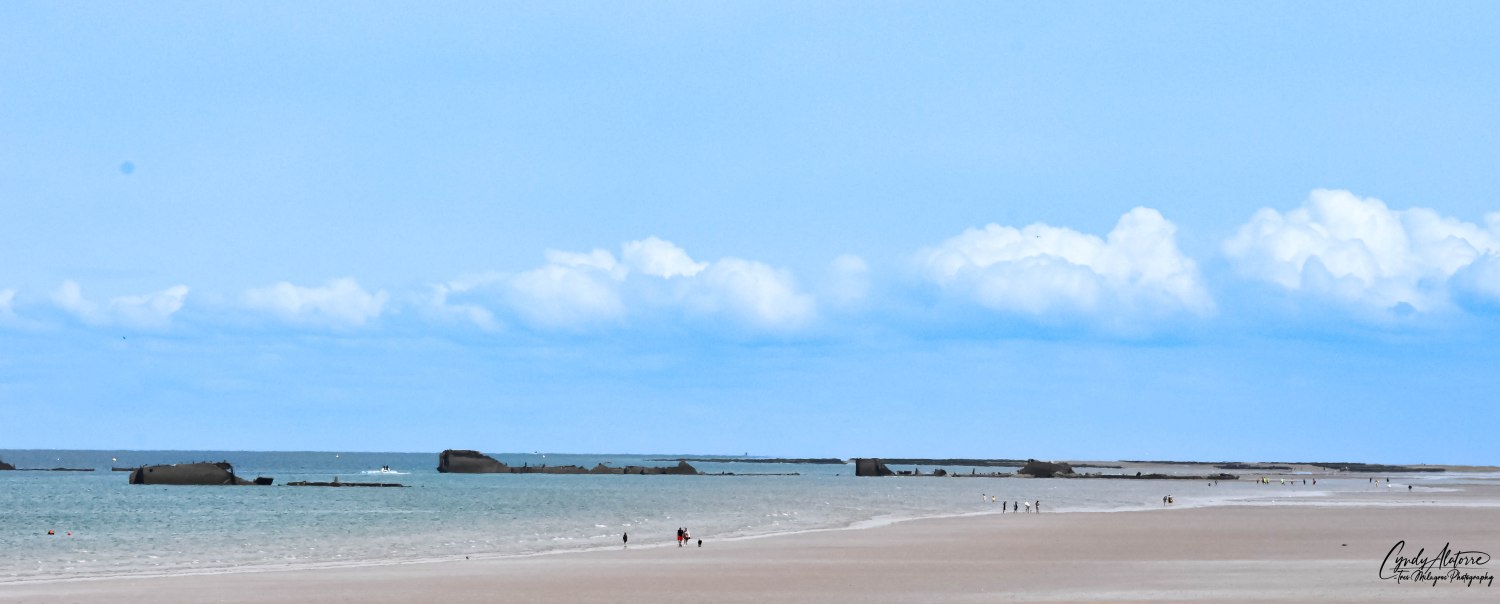
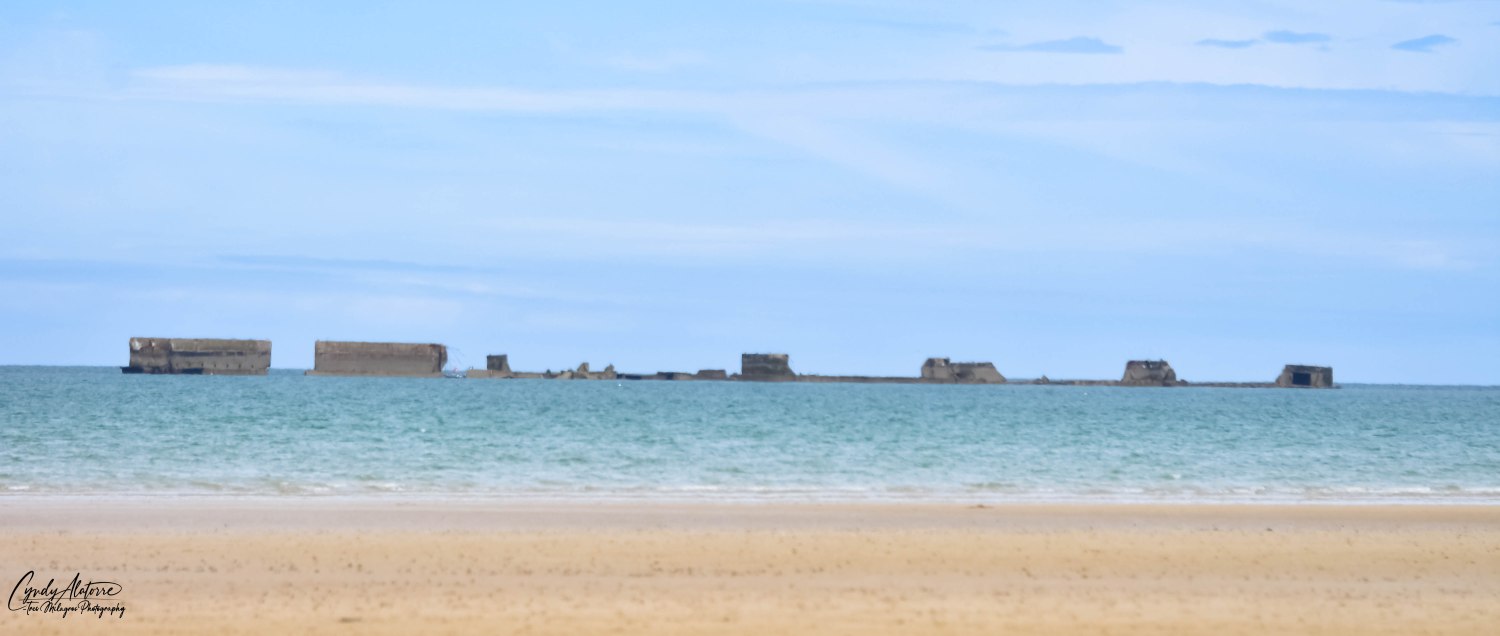
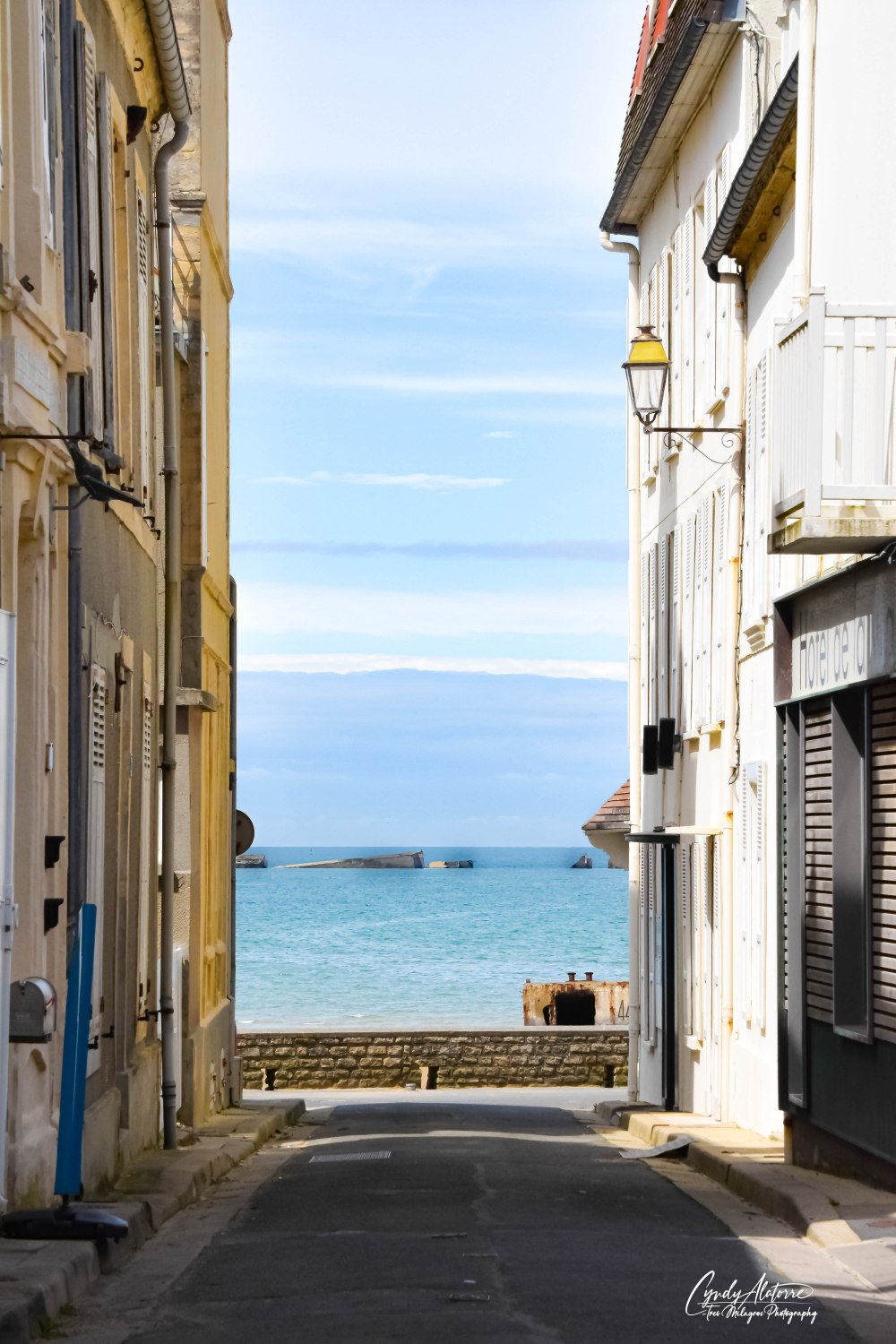
Arromanches, was chosen to be one of two ports that the allied forces would use to bring supplies to support this massive operation and became known as “Mulberry Harbor B”.  A similar port was constructed in Saint-Laurent-sur-Mer and was named “Mulberry A”, however, it was destroyed shortly after D-Day in a storm. To say that the construction of these man made ports was an enormous and remarkable engineering feat is an understatement.

The idea of a floating harbor came from British prime minister Winston Churchill, who knew creating a harbor at sea was preferable to attempting to seize a well defended port. All of the necessary elements were there to make this happen as Arromanches was mostly untouched by the bombing on D-Day, its close proximity to the other allied forces and flat beaches would make it quick and easy to construct. 

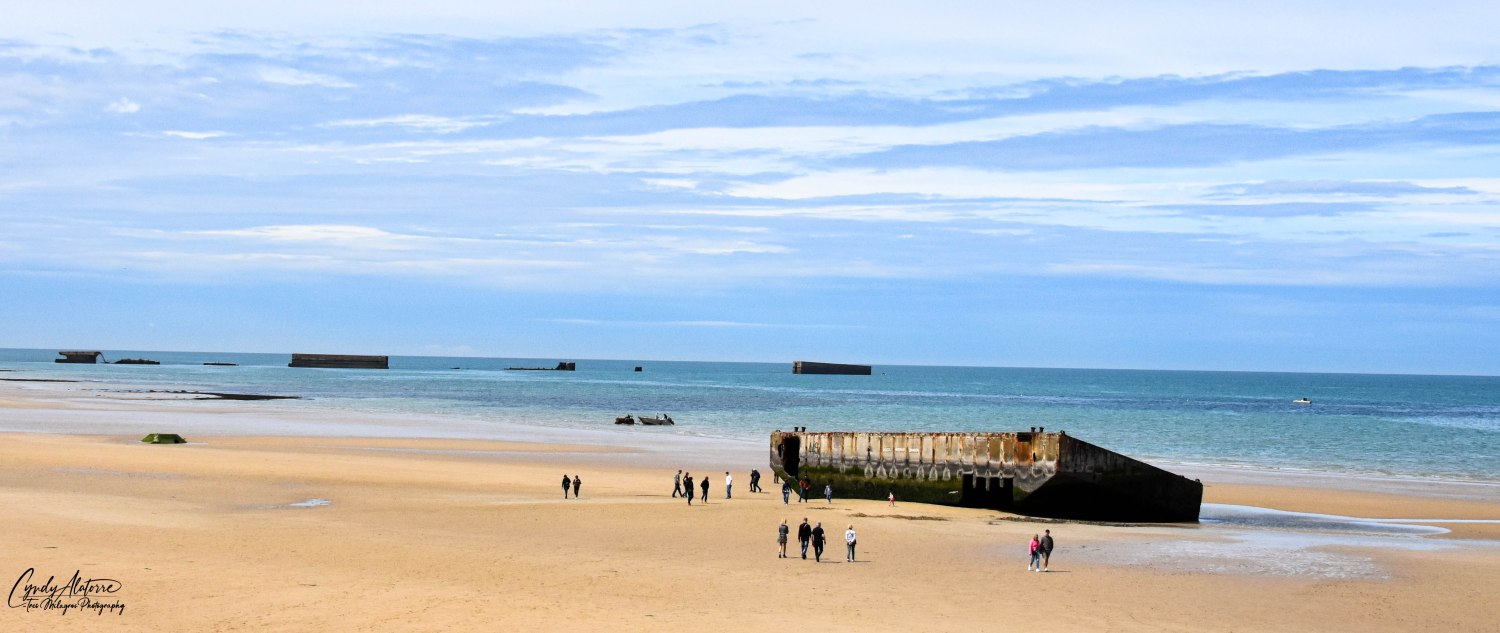
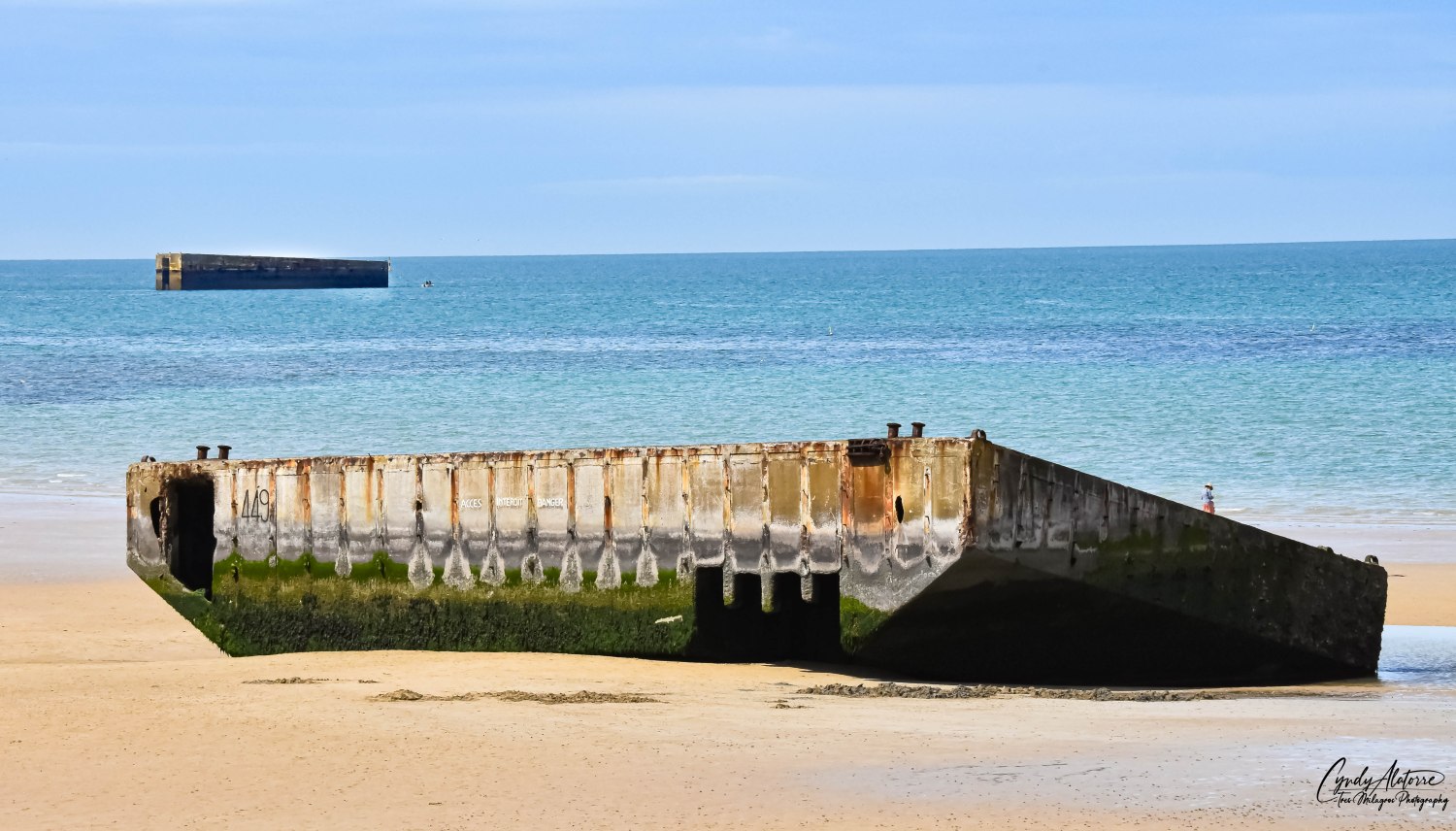
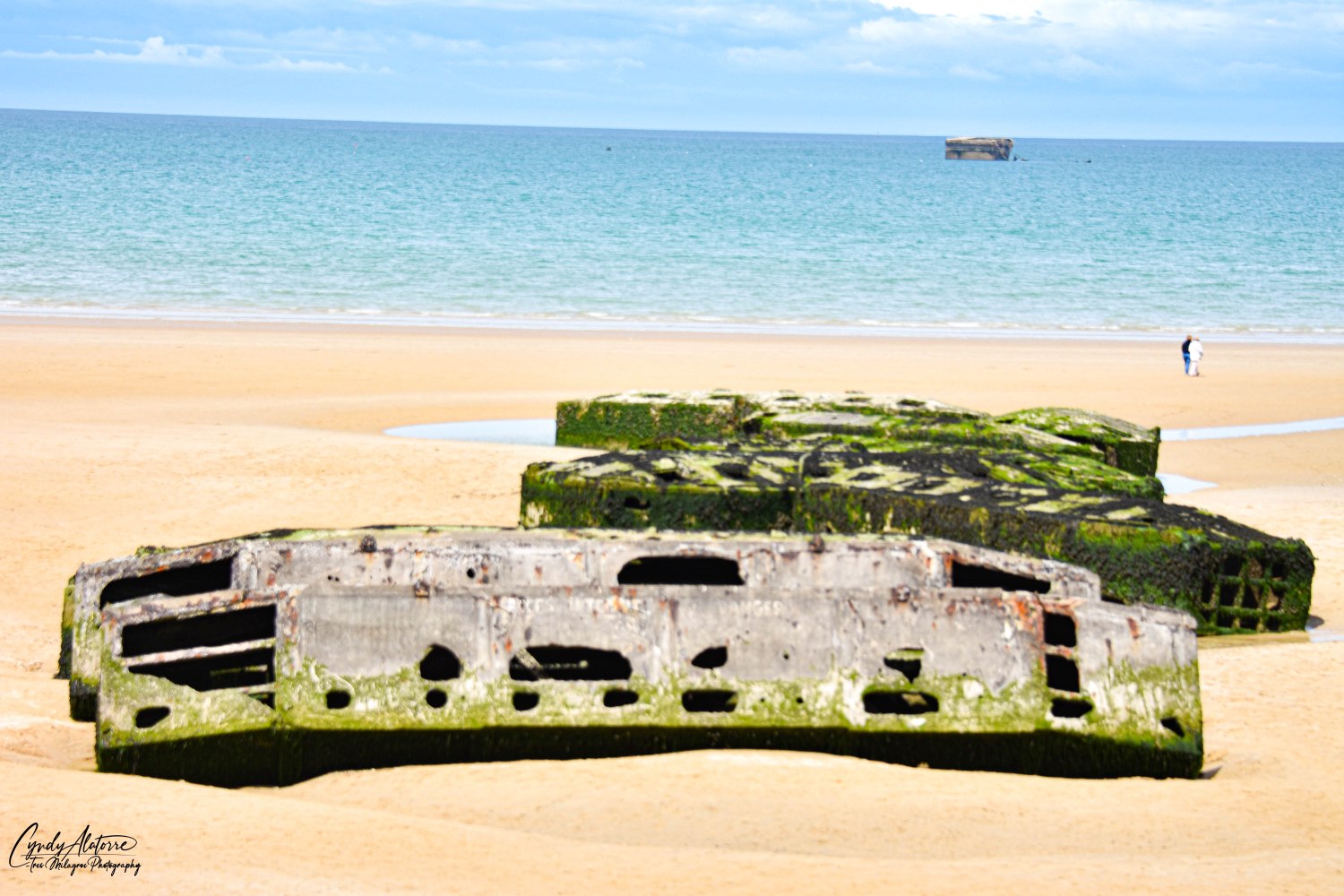
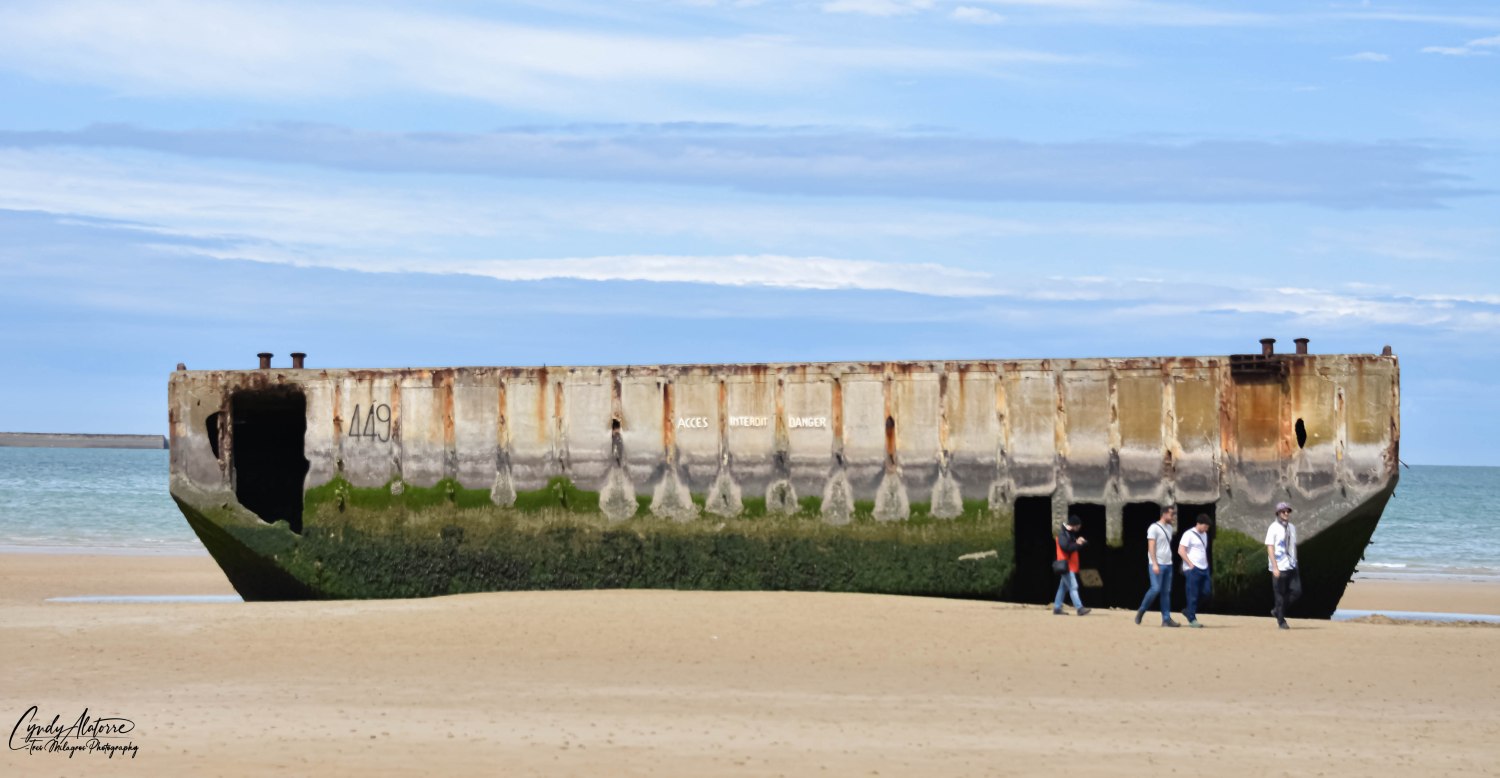
British engineers designed these portable harbors in complete secrecy between 1943-44 and utilized 50,000 workers across the British Isles to construct these harbors. As you will see in the photos that follow each of these sections were large, weighed 6,000 tons a piece and were 60ft high, 204ft long, 62ft wide.  In total approximately 250 of these large sections were used to construct the two harbors and each one was towed across the channel by boat to use in the construction of the harbor.  Can you imagine designing these large floatable sections then transporting approximately 250 of them across the English channel over to France?

It was thought that “Mulberry B” would be used for three months however, it proved to be an efficient and significant hub for the allied forces and was instead utilized for approximately five months. During its time in service a staggering 2.5 million men, 500,000 vehicles and four million tons of supplies arrived via the port at Arromanches.  In a nod to Winston Churchill for his valiant leadership and conception of this idea, the Mulberry harbor B became known as Port Winston.

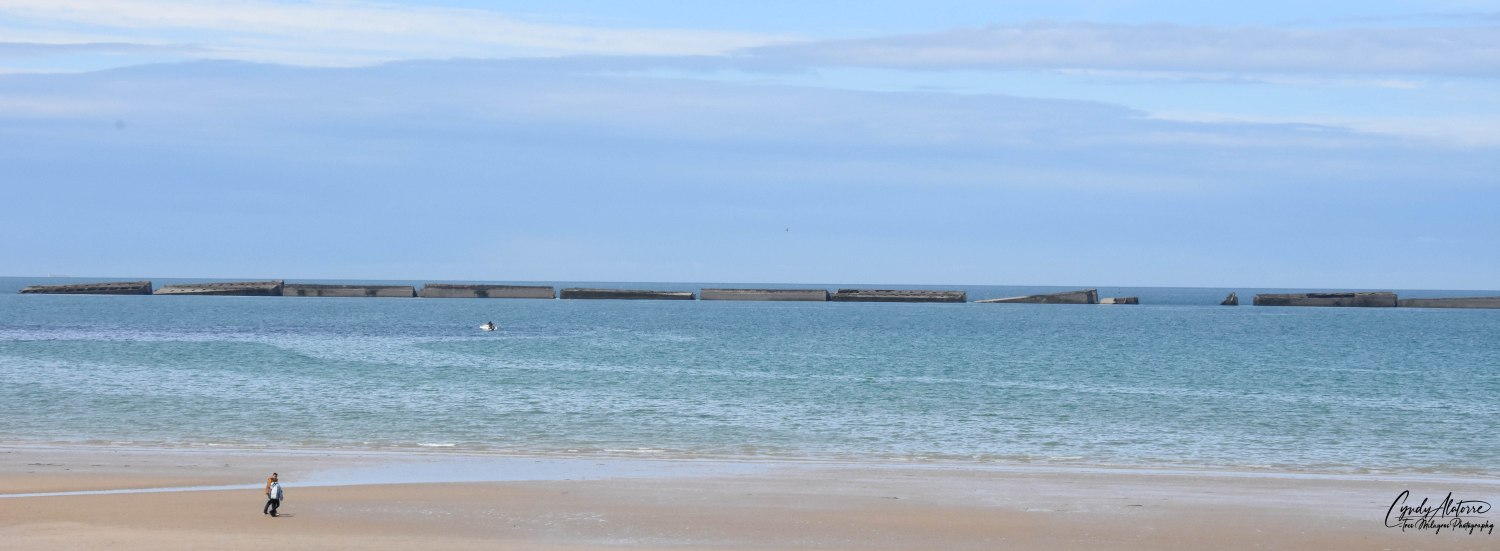
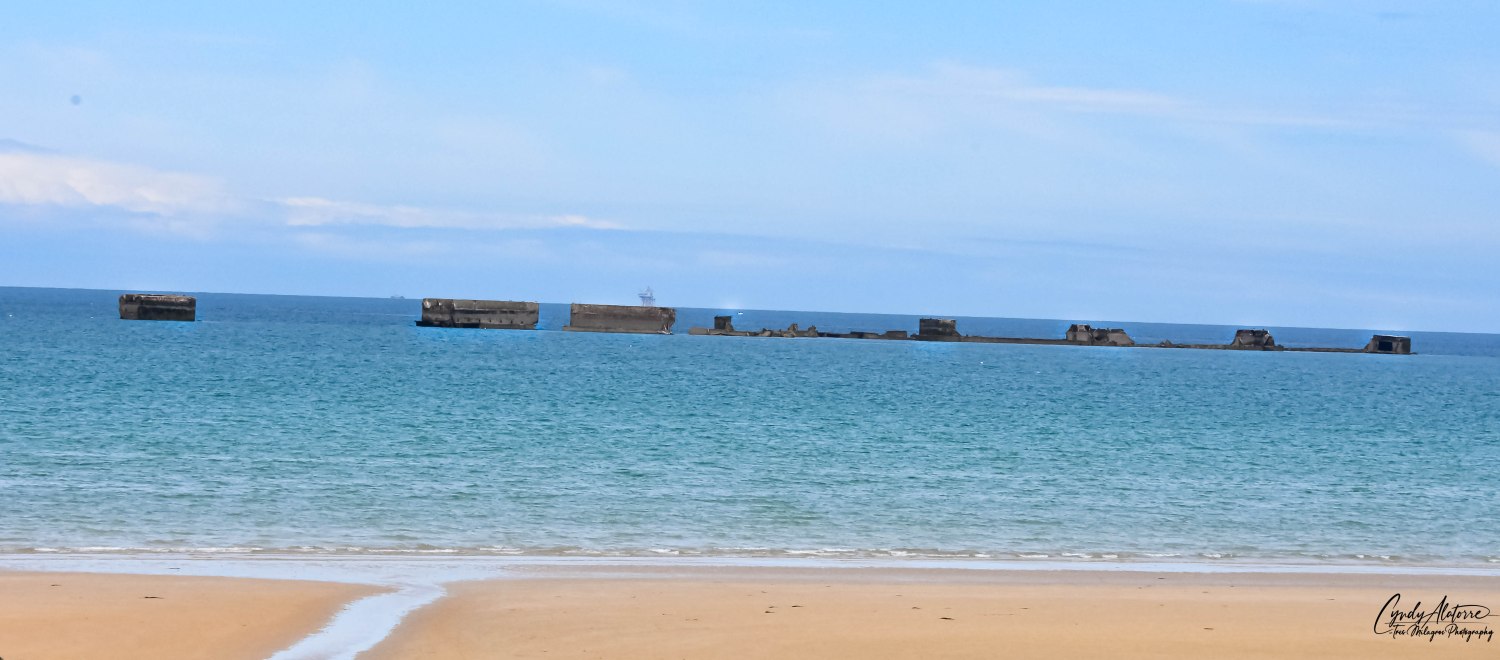
Sometime after the war, several units were towed to different locations for other projects while a good number of them still remain at Gold Beach and serve as a breakwater for the area and natural monument to educate future generations and remind them of what occurred there. When looking at the pictures that will be at the end of the post, notice how small some individuals walking by them are and it’ll put their size in perspective. And note how many are still visible and that a good number are still lurking below in the water.

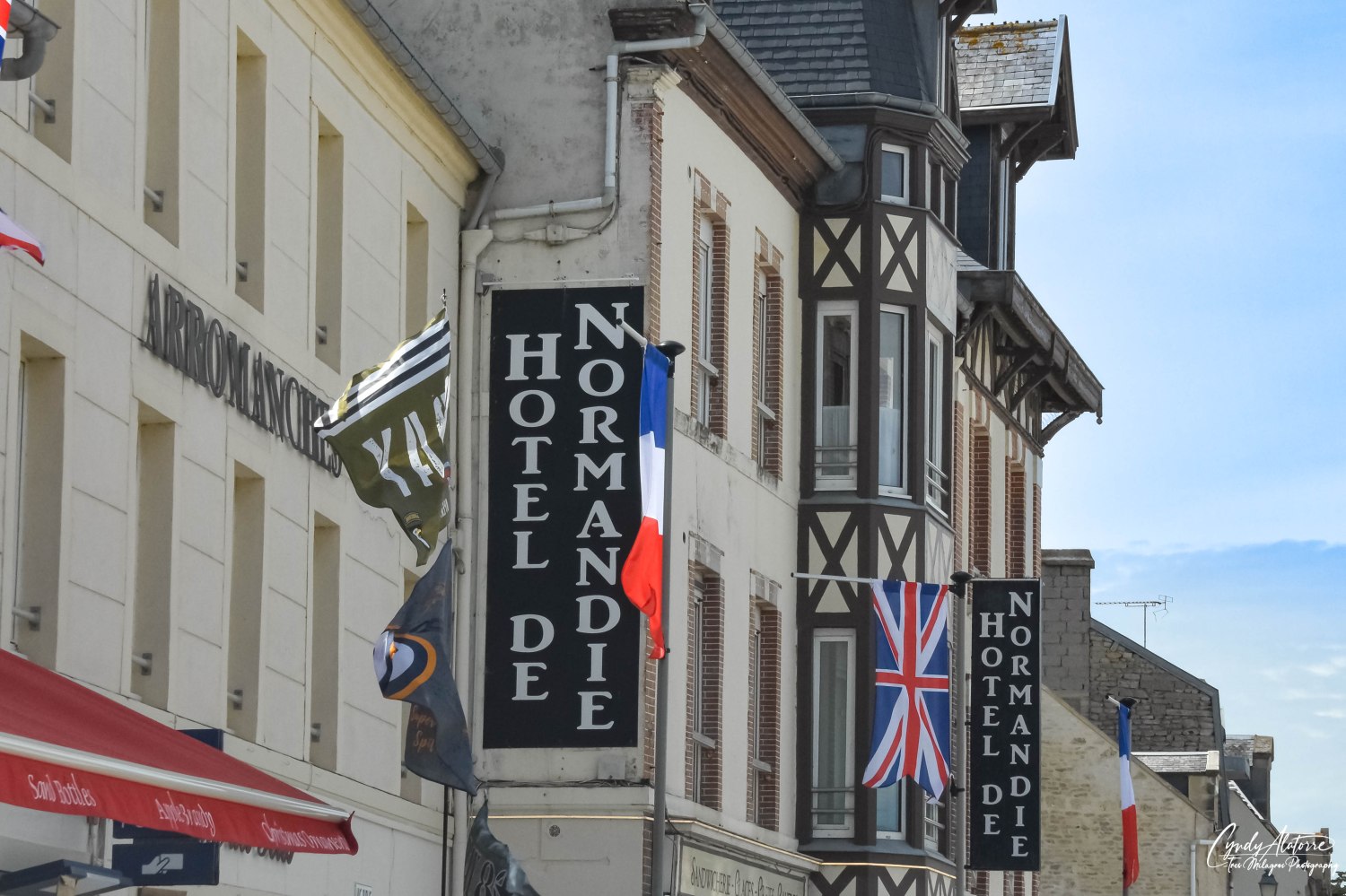
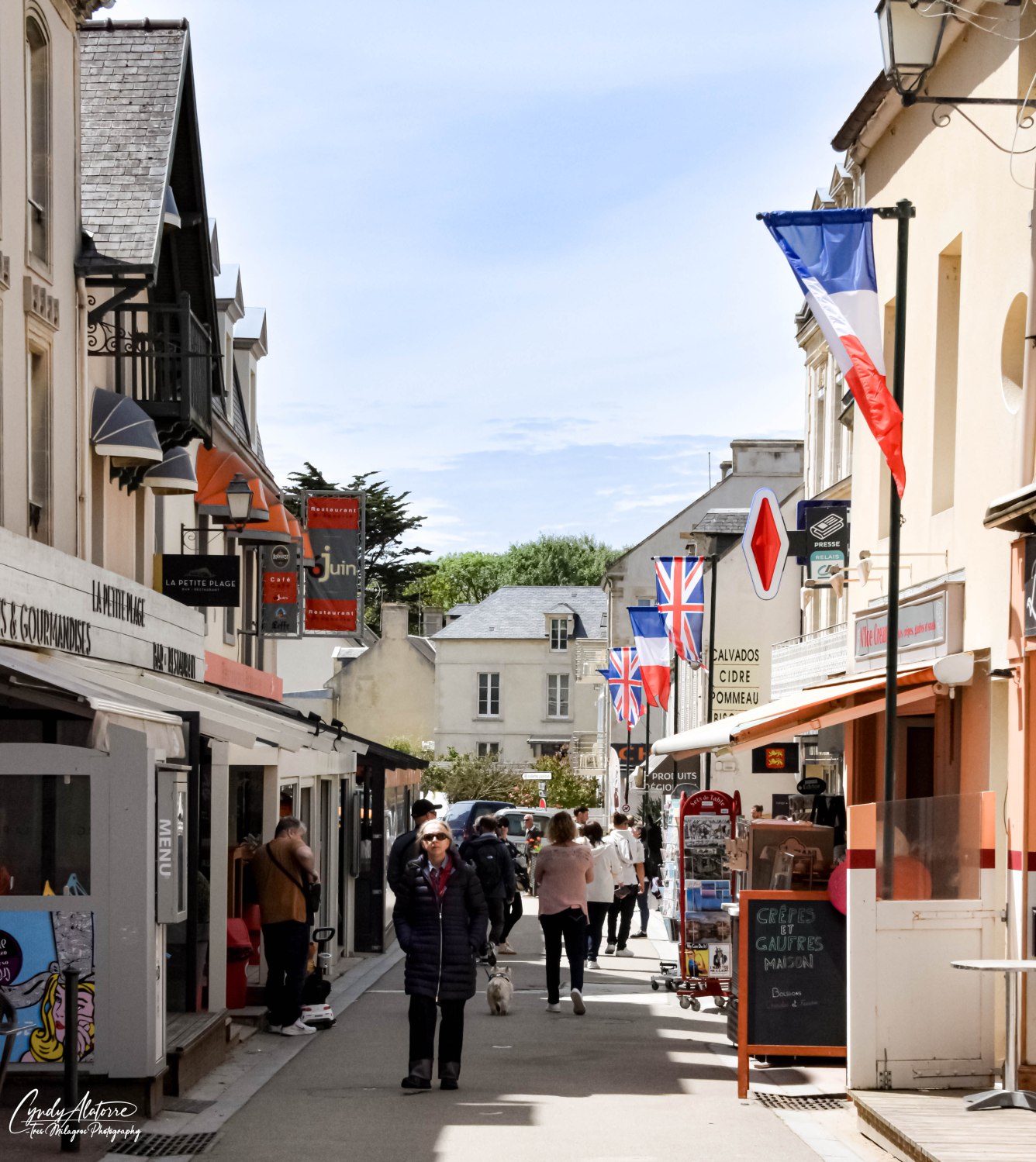
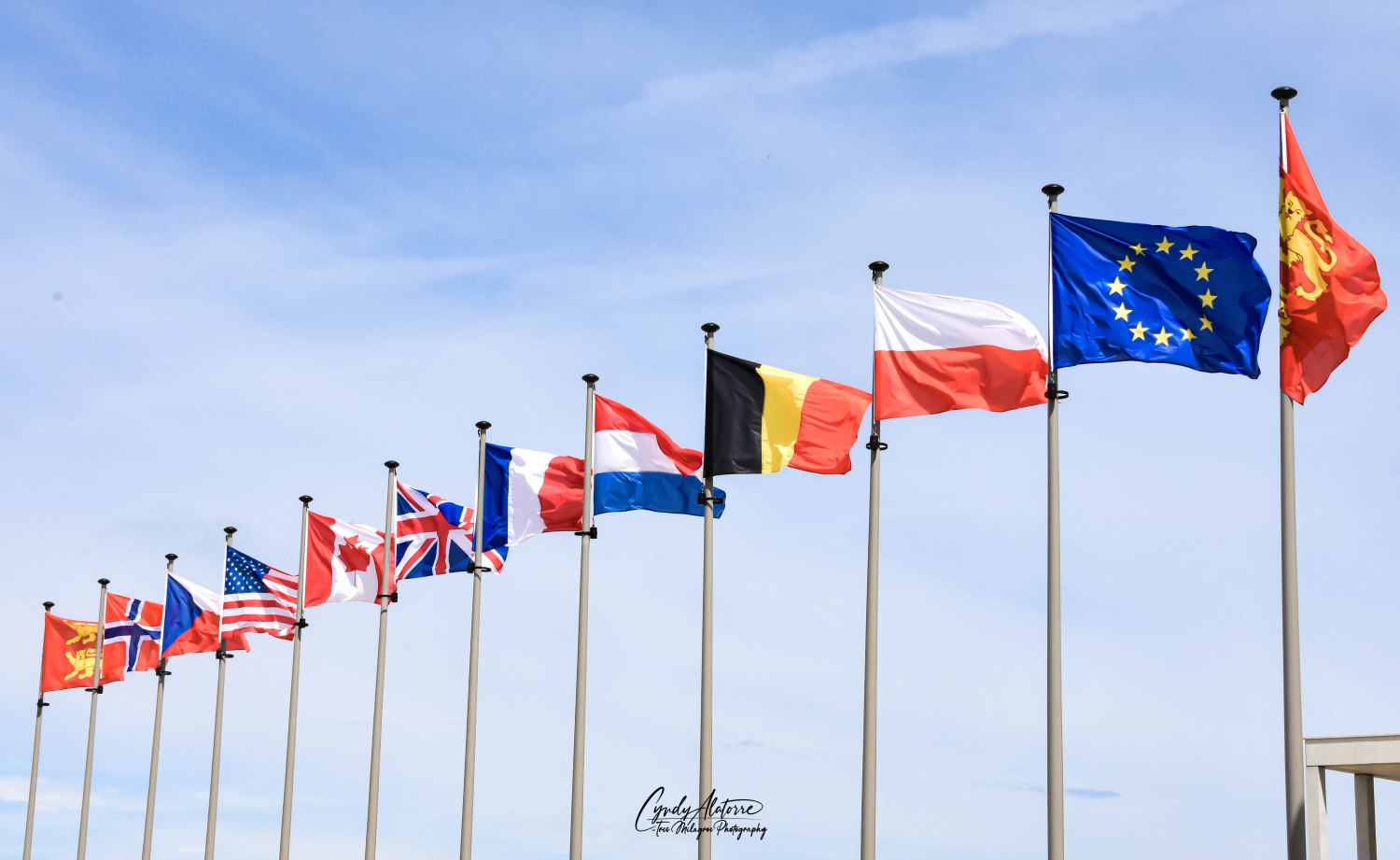
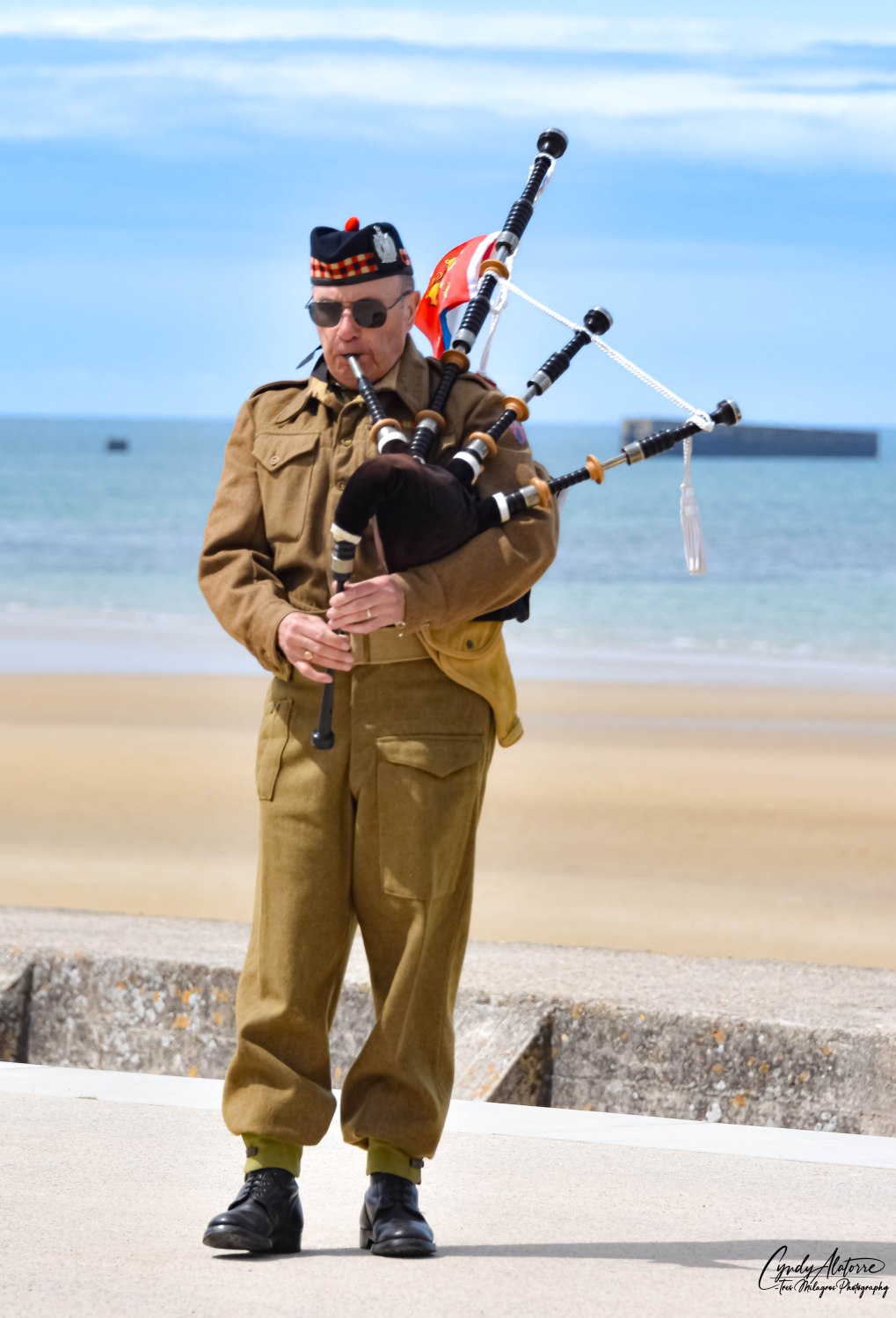
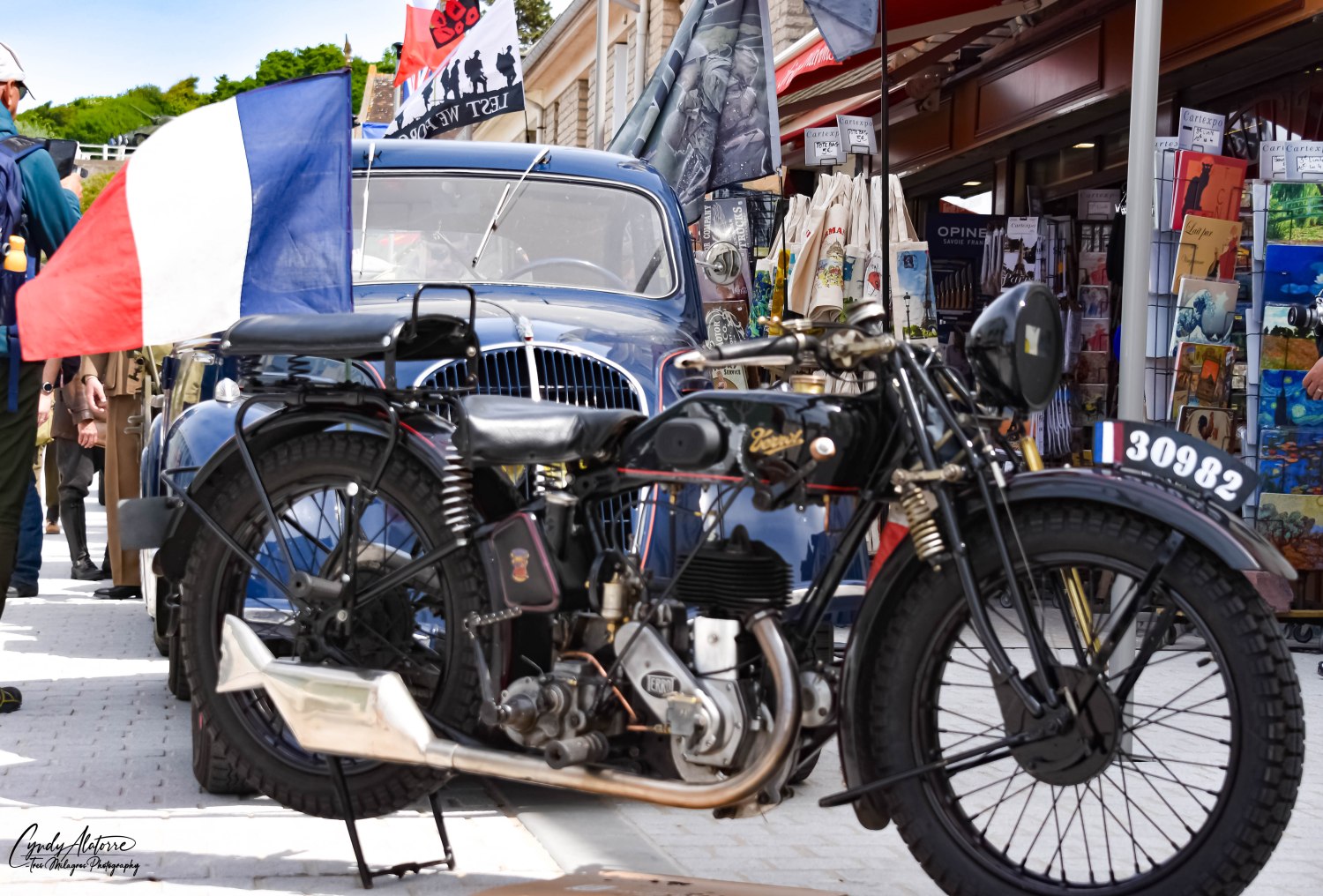
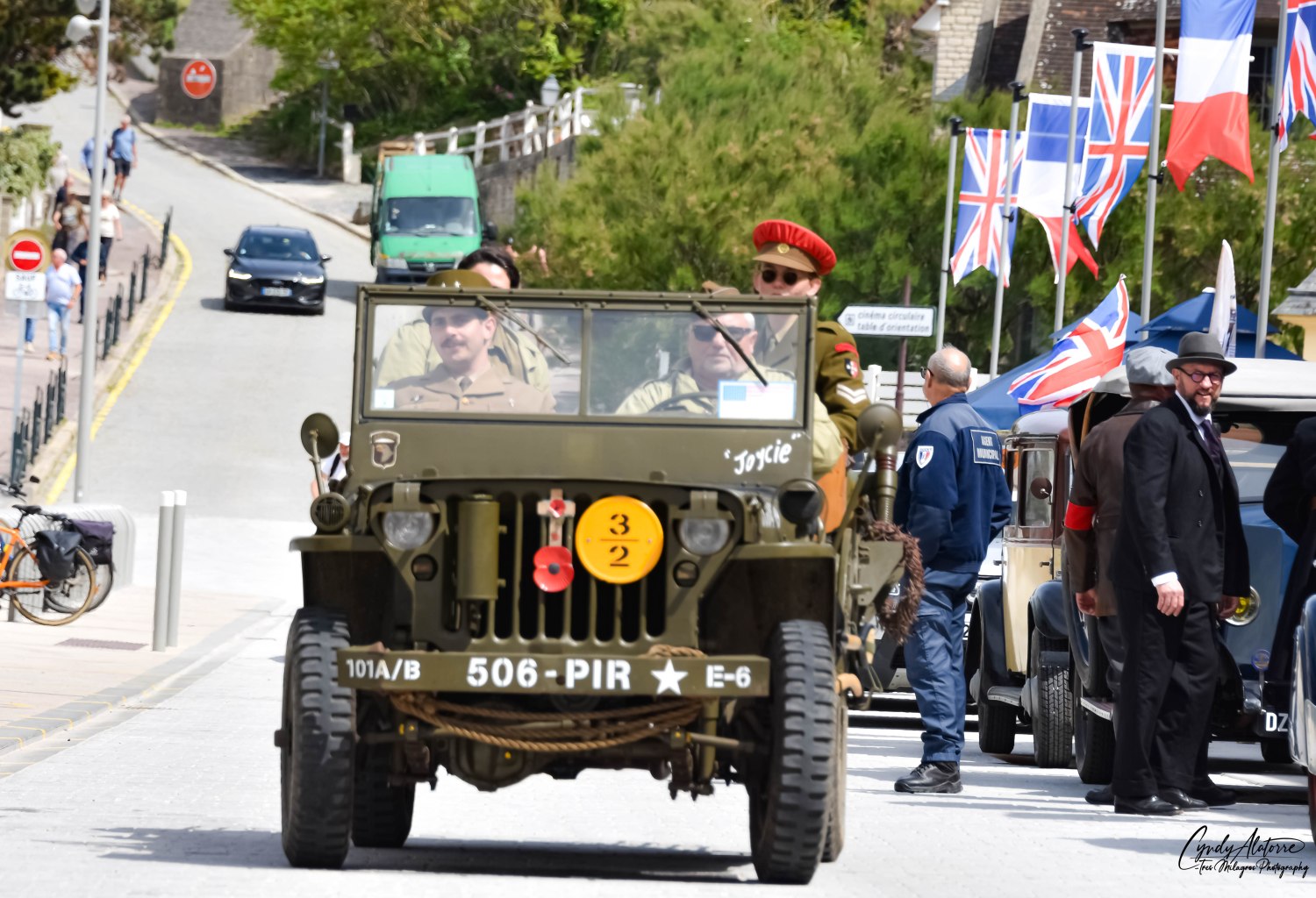
Now fast forward almost 80 years later and as you drive into this proud shore community you can see that it has not forgotten it’s past nor the sacrifices made by so many for the greater good of all. Navigating through the city streets, you are met with homes that proudly fly the American and French flags and some that also include the British and Canadian flags too. Imagine the fourth of July in your neighborhood and seeing a good number of flags being flown. Arromanches does the same thing but all year round. 

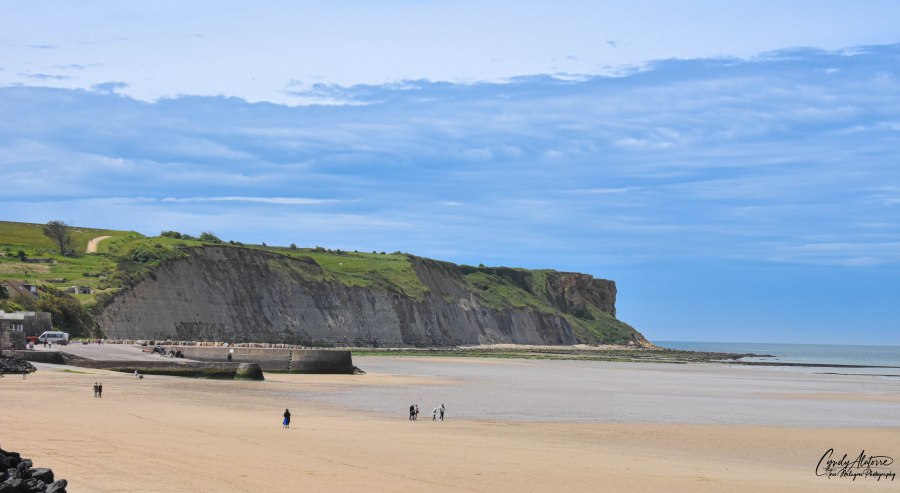
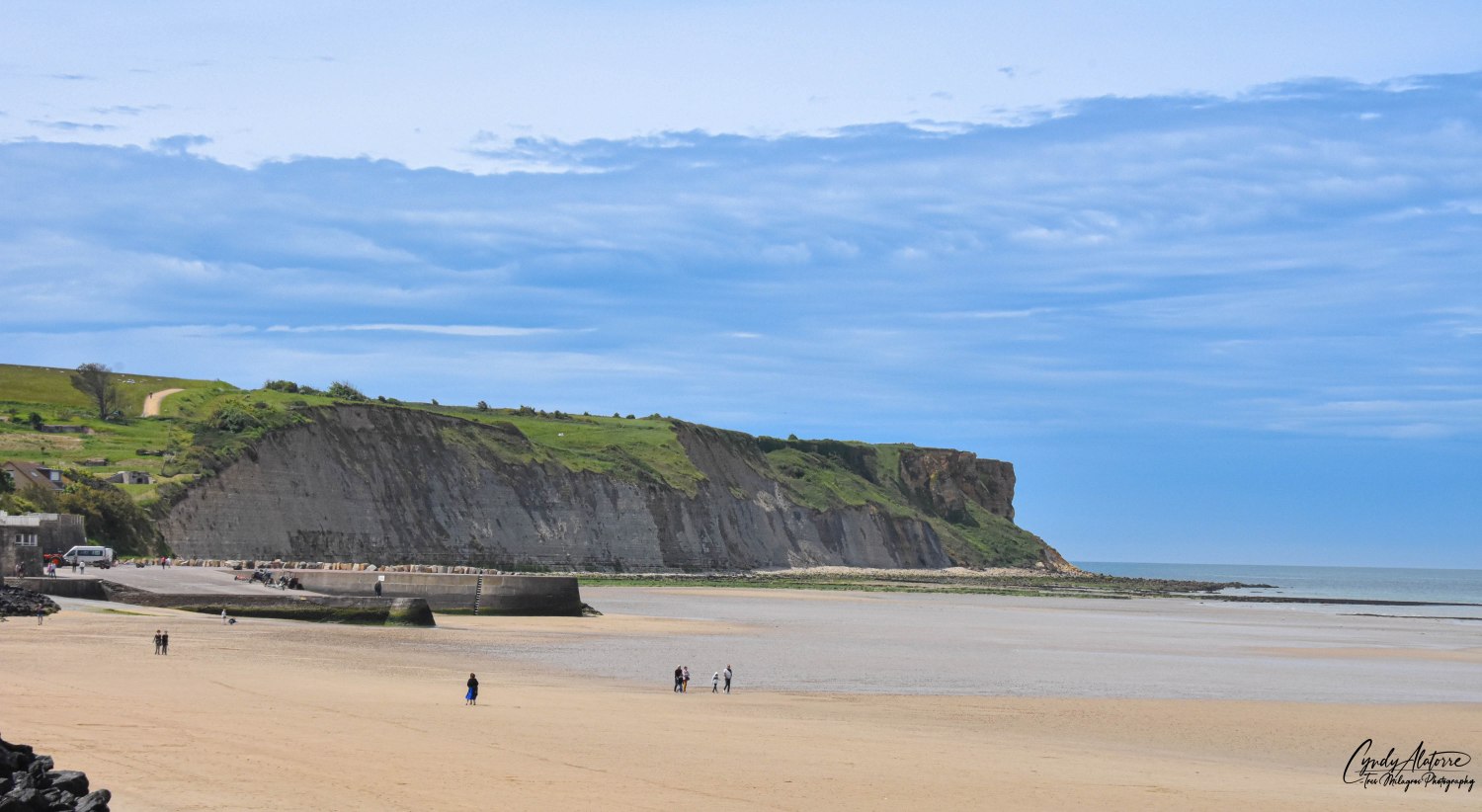
Despite all its somber history, Arromanches is surrounded by beautiful and scenic cliffs. While walking on the generous beach landscape, you can stroll on the shore and appreciate the beauty of the coastline, feel the cool sea breeze blowing against your face or take in the historical weight of this area. The drive through the scenic countryside is very appealing and it is probably a stark contradiction to how the landscape might of looked some eighty years ago on D-Day.  Like it’s neighboring towns, Arromanches has it place in history and contributed to one of the greatest invasions that changed the course of World War II.

So once again, traveling has proved to be one of my best teachers. I am appreciative to the local residents who graciously welcome visitors to their small town, grateful for the opportunity to be able to see this and other historical places that changed history and lastly thankful for those who keep telling the story of Normandy so that we can avoid the same mistakes and hopefully not have history repeat itself again.

Until next time, we’ll keep moving on and see where we go via El Camino Thru My Lens.

Featured

“Bienvenue en France!” ~ Caen /Bayeux

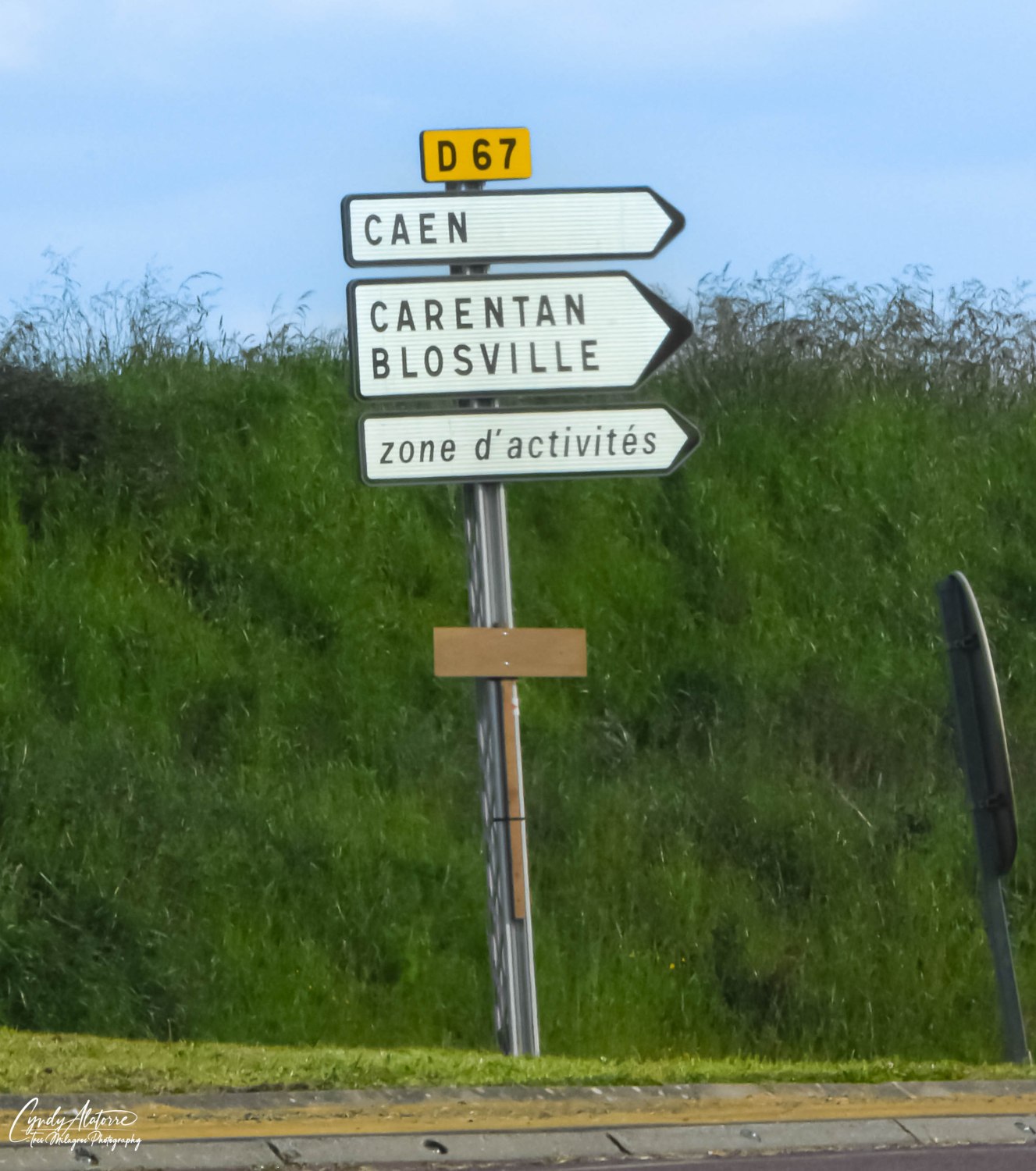
Our travels continue and we now find ourselves in France. First stop is Normandy. It is one of 13 regions within France and located in the Northwestern part of the country with many small towns within its area. The city we first visited was Caen. Rich in history and culture it is best known for its significant role during World War II, especially in the Battle of Normandy following the D-Day landings. 

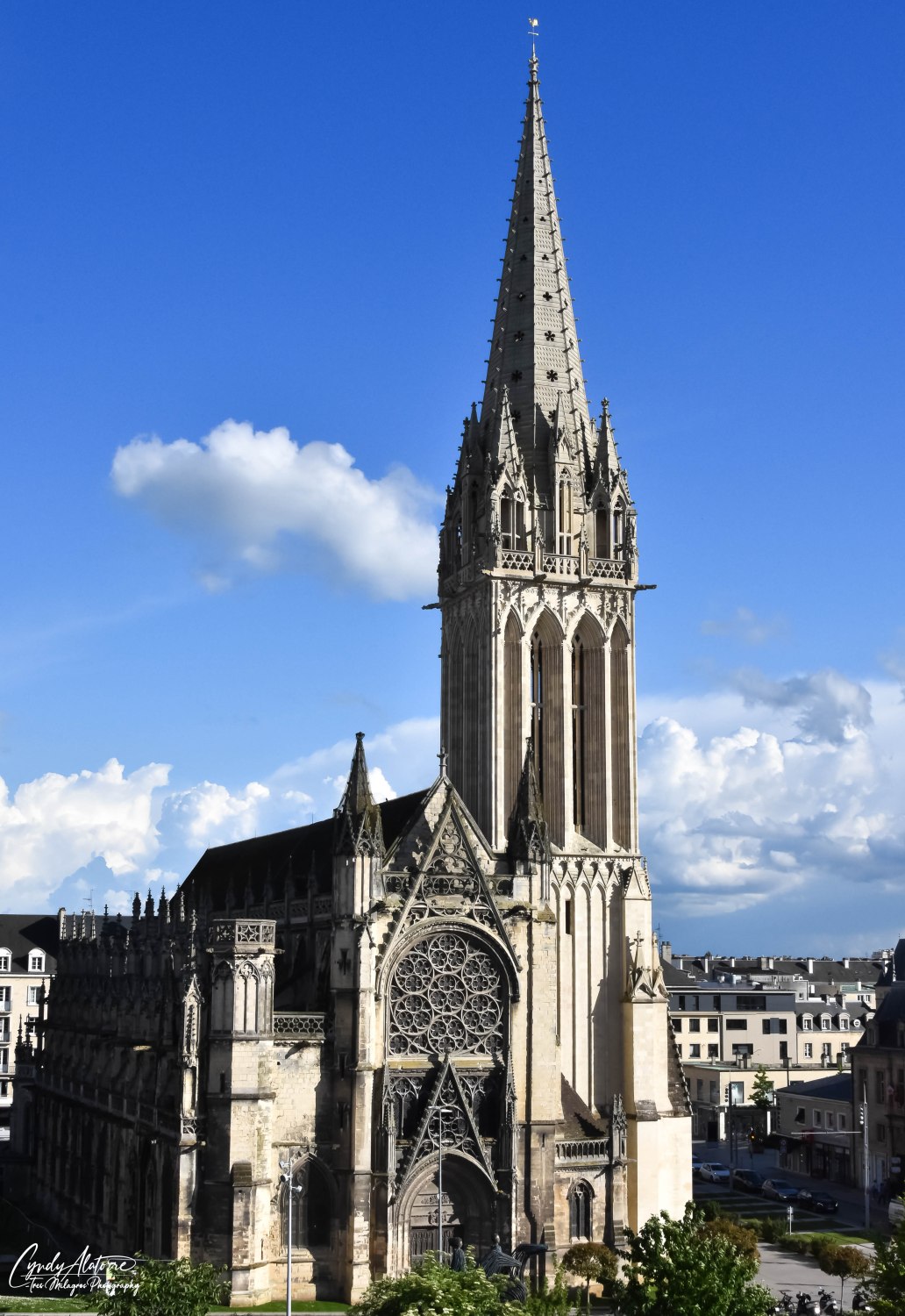
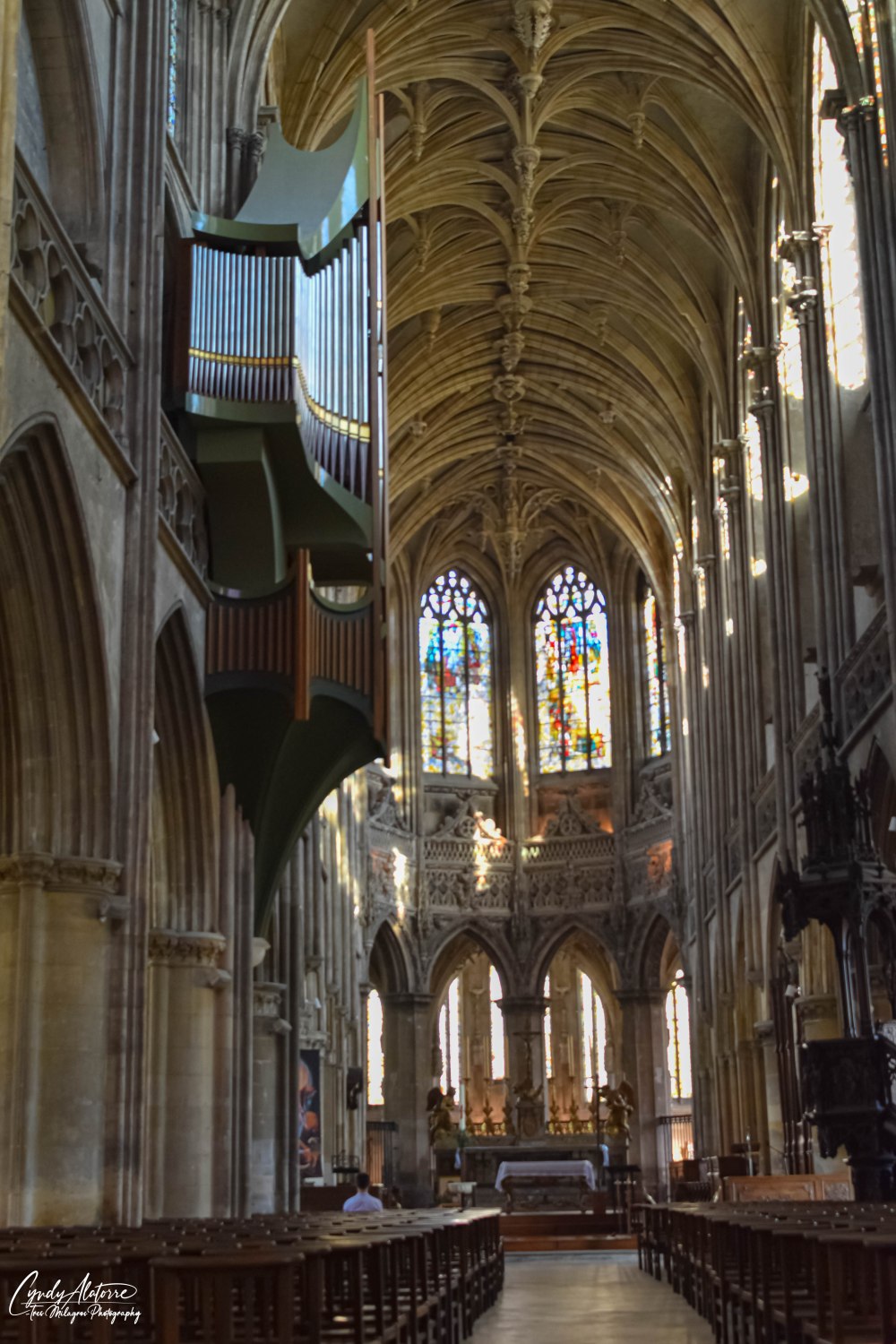
Some of its historic landmarks include the Château de Caen, a castle built by William the Conqueror in 1060 as well as two other Abbey’s (also built by William) and gothic church Église Saint Pierre that was built in 1134 and is considered one of the oldest parishes in Paris. The cityscape is an architectural mixture of medieval and modern buildings, which is a testimony to the extensive rebuilding efforts after World War II. 

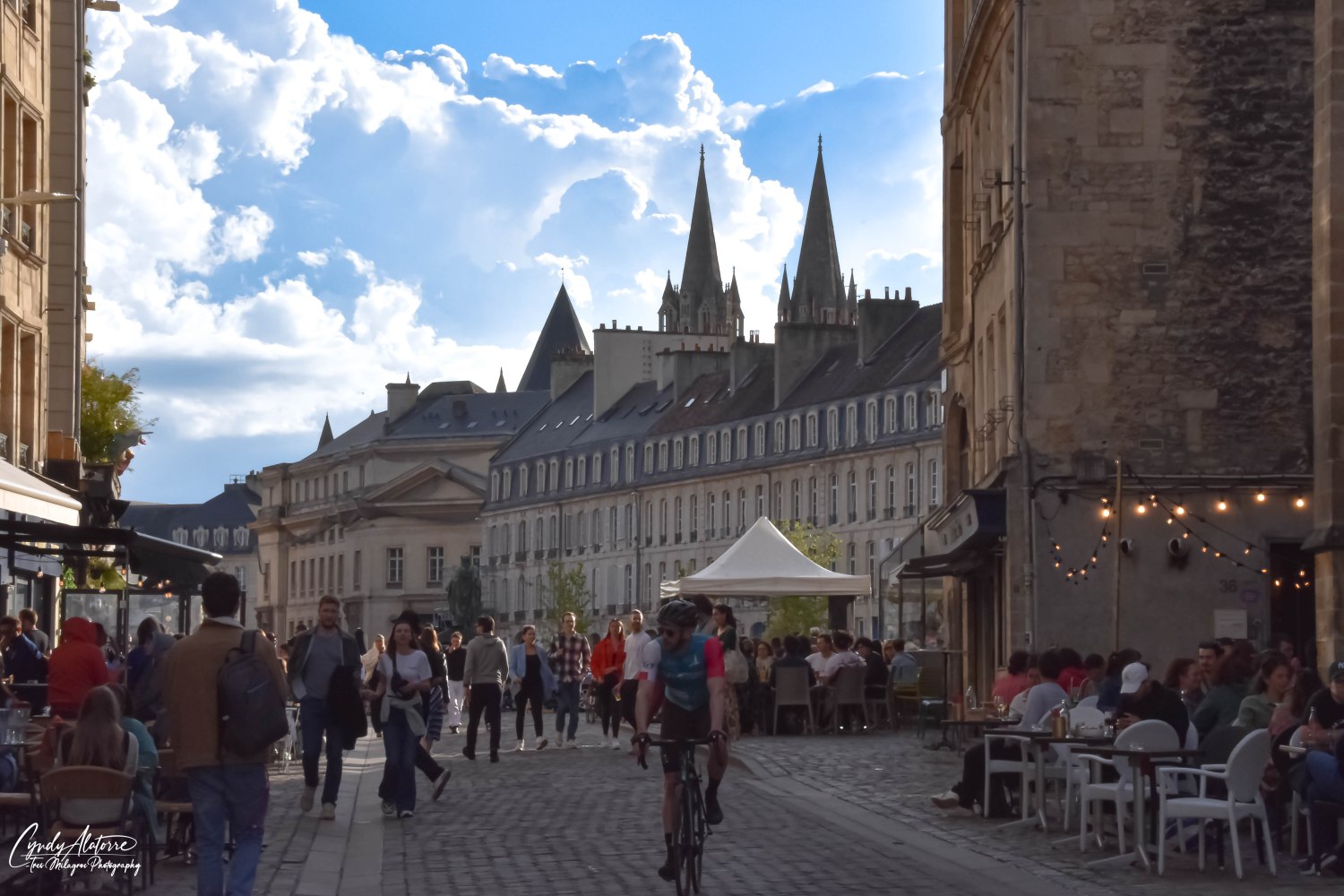
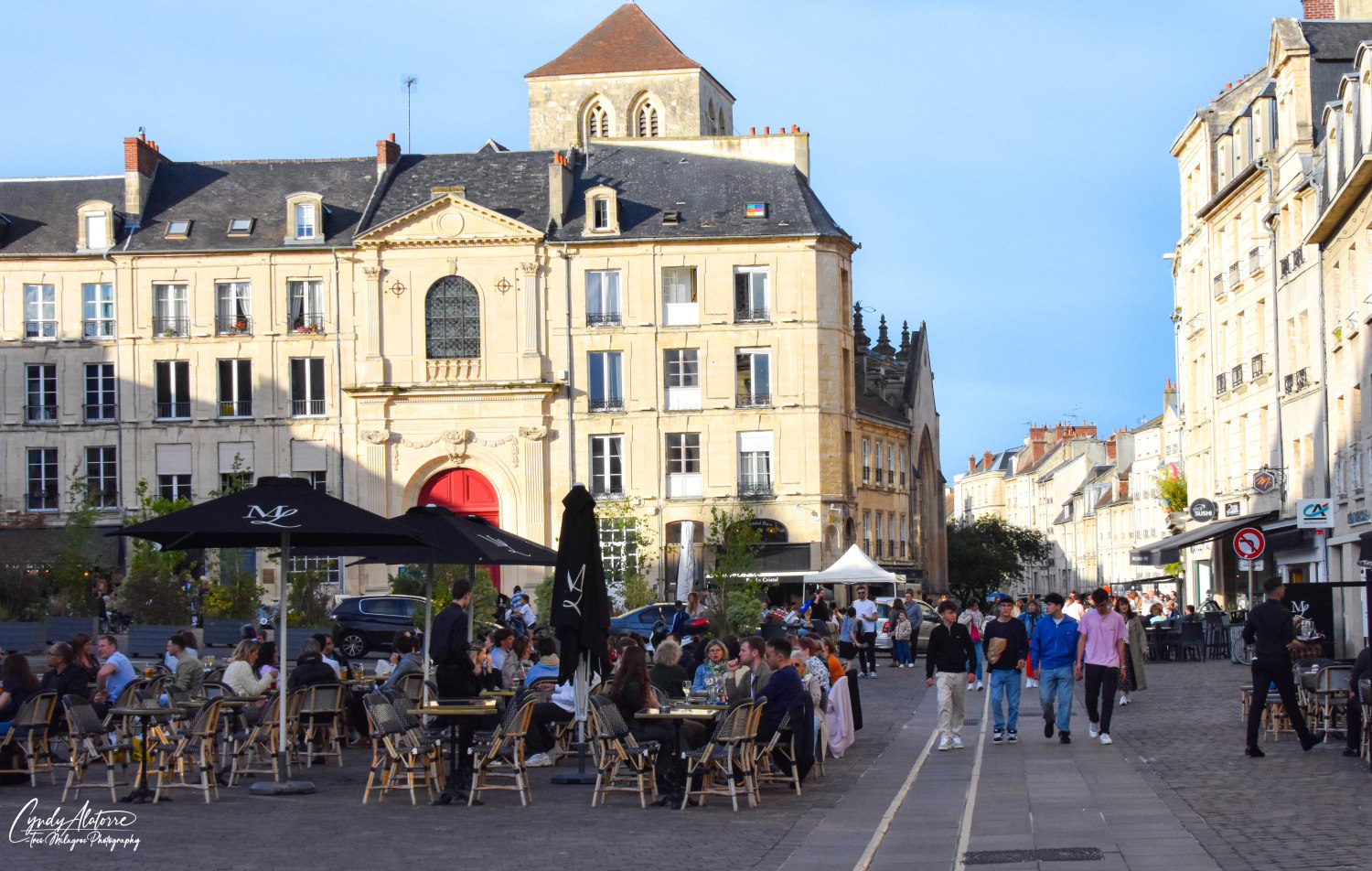
During the day the city is slower paced than Paris but still active with people coming and going through their day at work and completing their daily task. But in the evening, it gets its second wind. The restaurants in these historical building and town squares came alive with people gathering to enjoy a meal together and socialize under decorative strings lights that hung above them on a recent beautiful May evening. As before, I observed and enjoyed seeing people spend time with others and I have to say I hardly noticed any phones in front of them. They genuinely were in engaged with the person(s) they were with. Seeing all these people sitting outside or in the restaurant, we couldn’t resist and had to join them. So we had a delicious dinner, enjoyed the nice environment and of course I partook in the European custom after my meal and had a café americano. What a life.

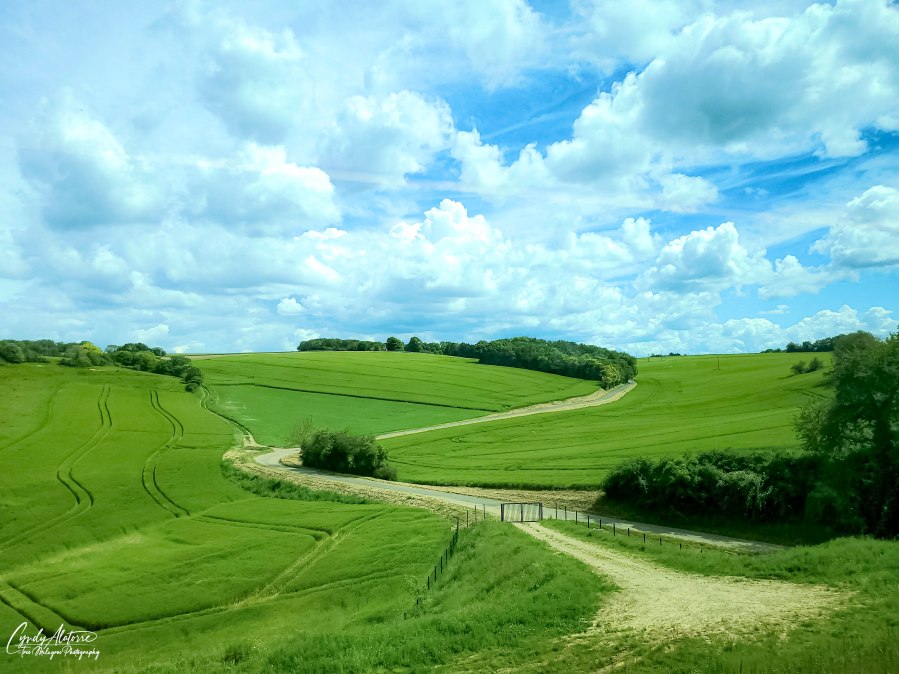
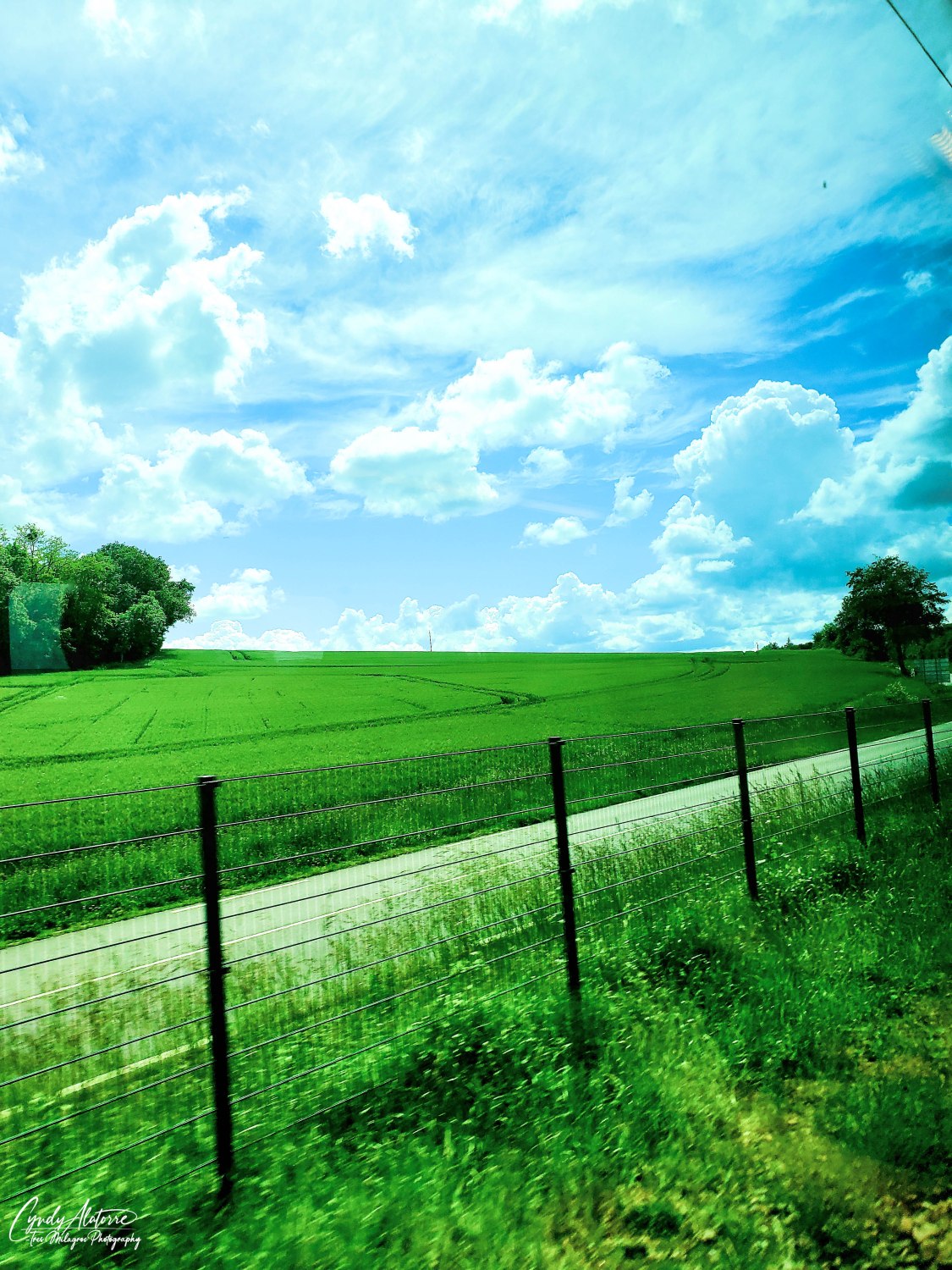
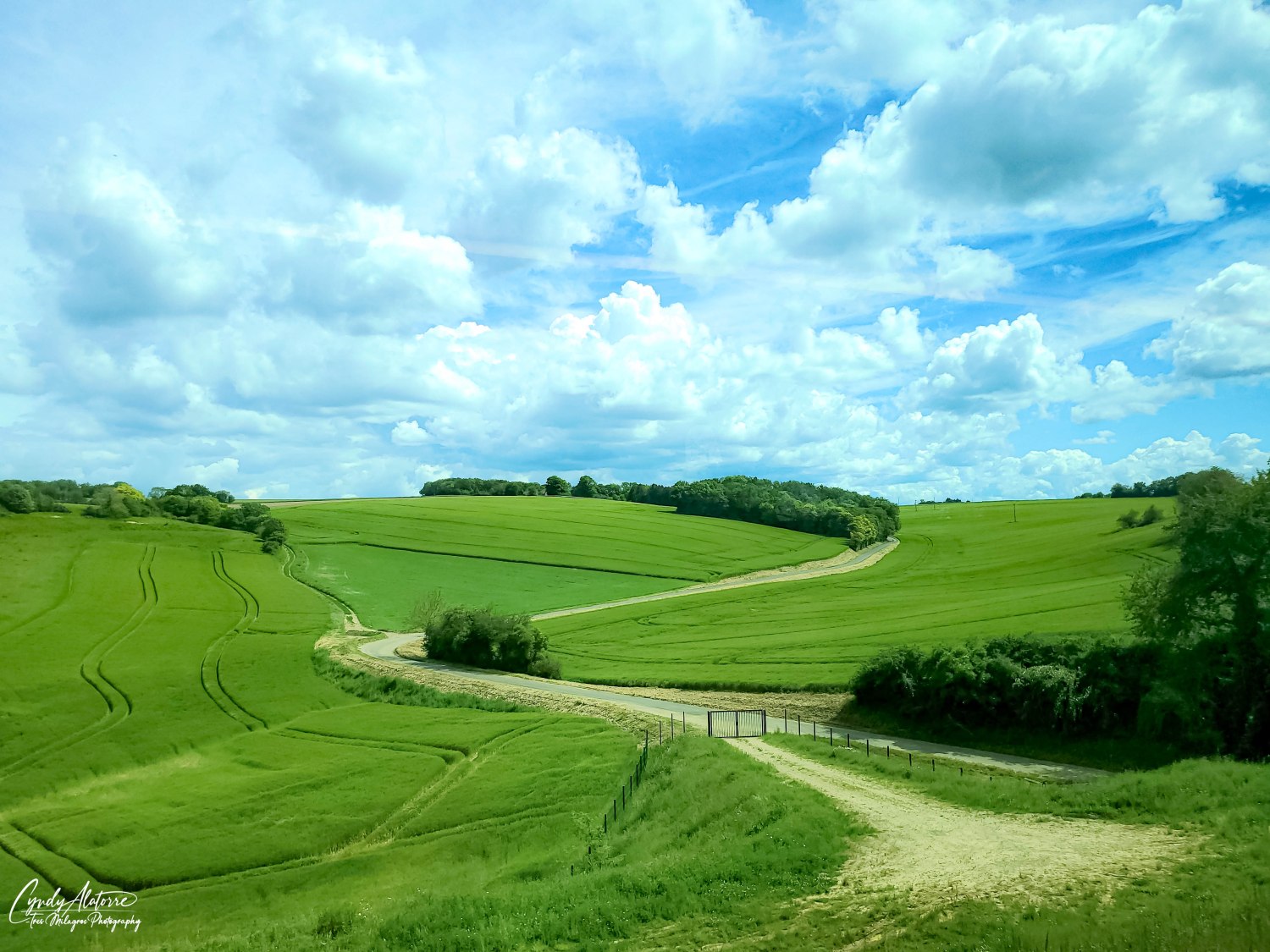
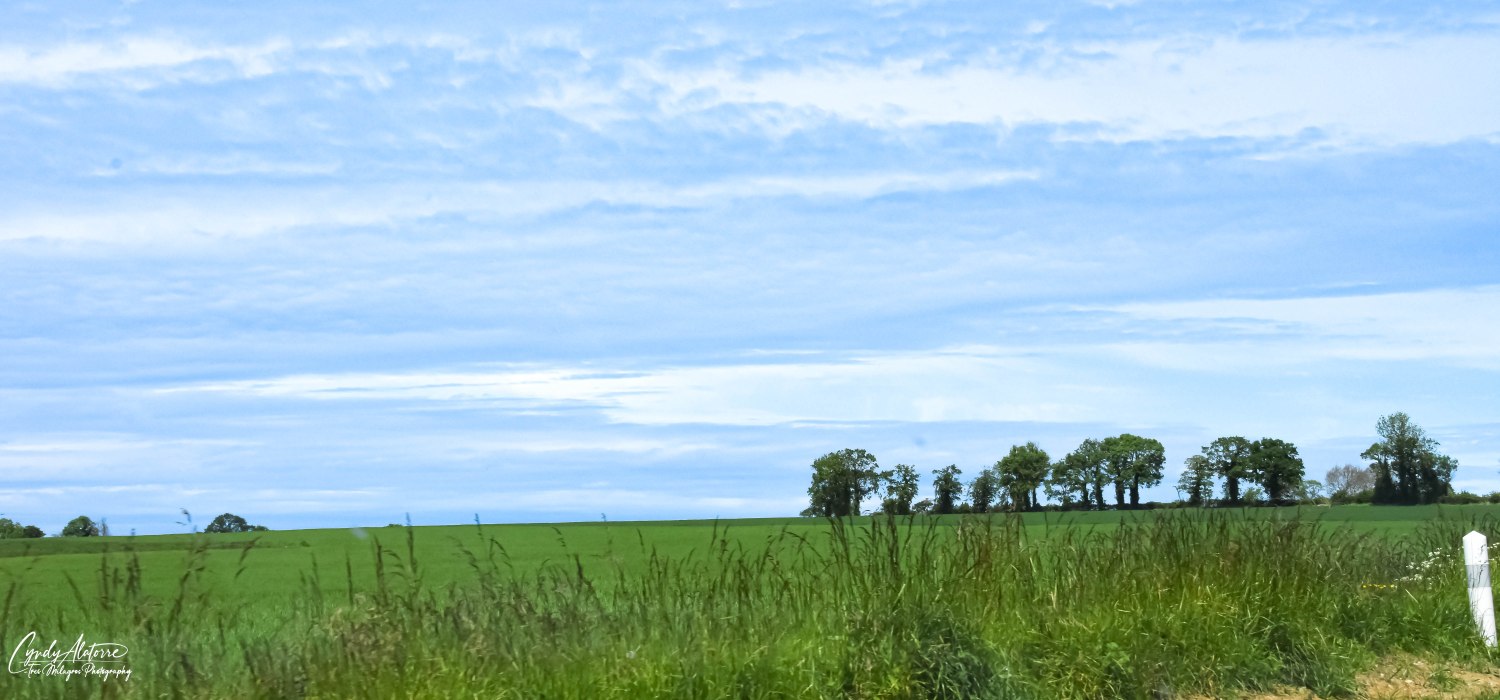
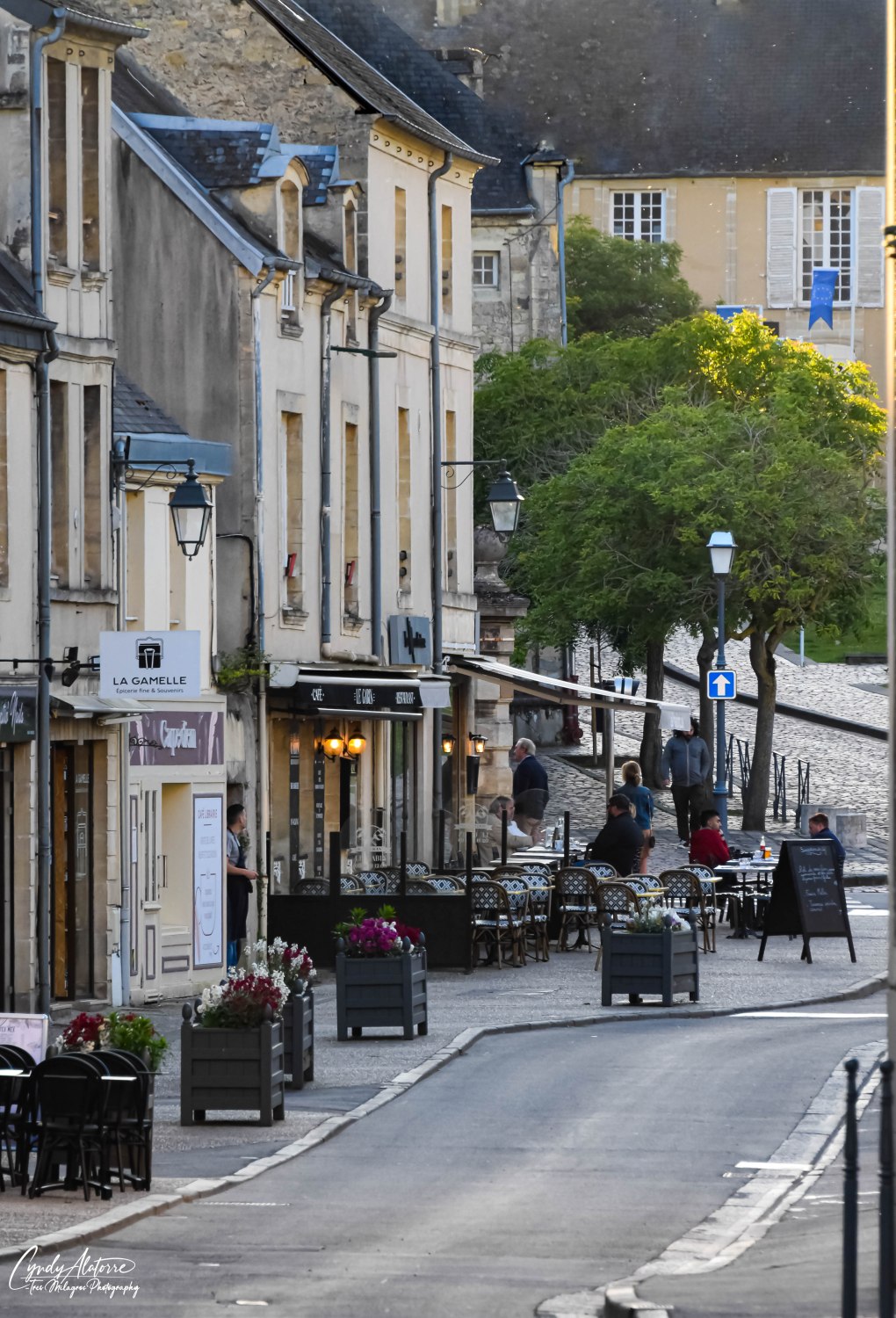
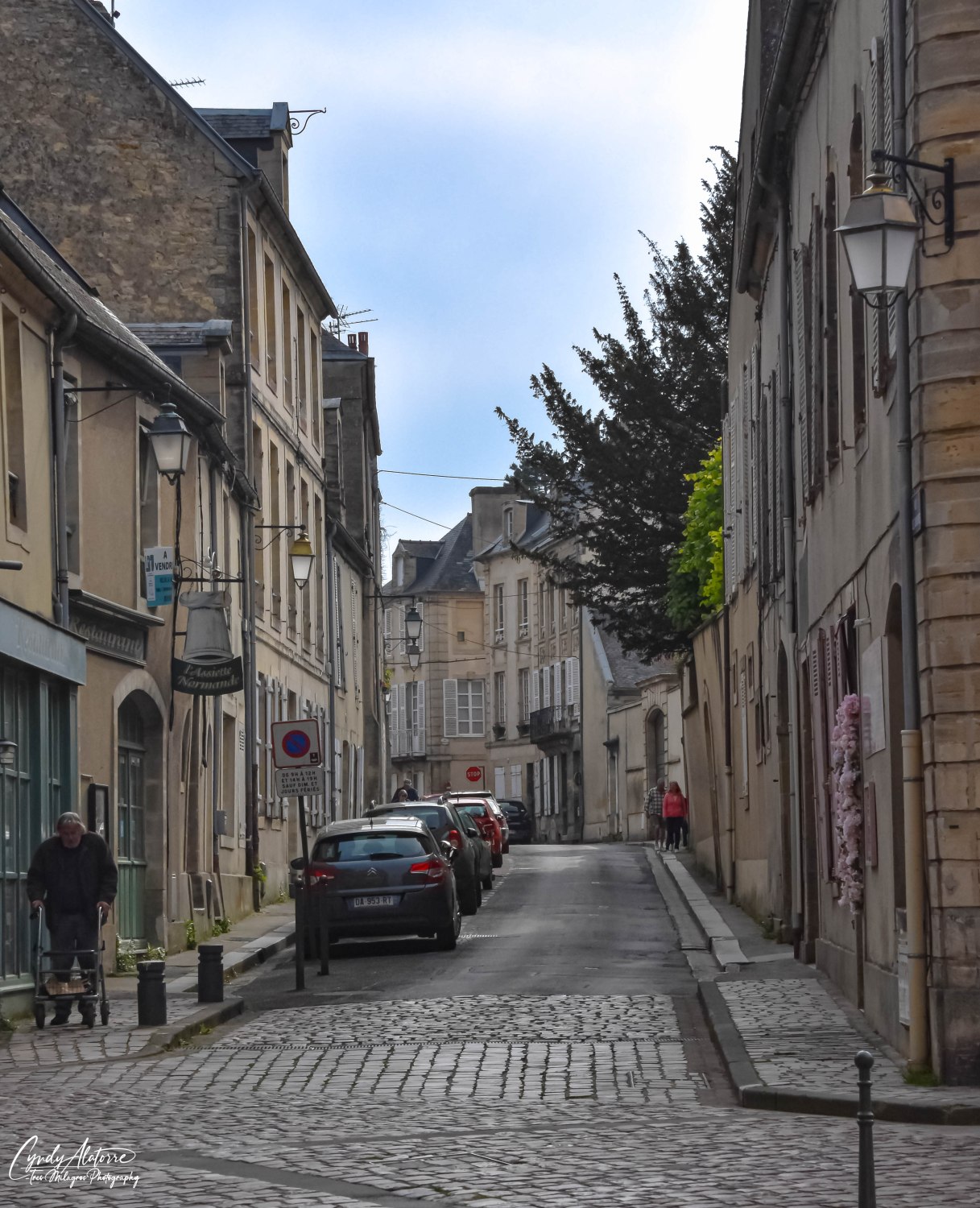
Our next stop the following day was the town of Bayeux, about 30 minutes West of Caen. Living in an urban environment, a person does not realize how much we become acclimated to city noise and visual pollution until we leave it.  Driving through the inviting and beautiful landscapes on our way to Bayeux, we saw lush green fields, open spaces, trees, flowers and houses that probably were built in the mid to late 1800’s. And did I mention about the cows in the fields? Yes, even the cows looked happy too!  It was a nice reset and what a gift to be able to enjoy this aesthetically pleasing countryside. 

Similar to Caen and other towns within Normandy, Bayeux has a rich history and was heavily involved in the Battle of Normandy following D-Day during World War II.  Bayeux was one the first towns liberated during the D-Day invasion and was not bombed at all, thanks to the actions of the French Resistance and other individuals who informed the allies that the Germans had left the city. With its proximity to the landing beaches, Bayeux became a transit hub for both soldiers, civilians and supplies. 

Bayeux also has its own claim to fame in that it houses the famous Bayeux tapestry. Hand stitched over a 1000 years ago and nearly 70 meters long (approximately 230 feet long), it was made to visually document and explain the events of the Battle of Hastings and William the Conqueror’s battle for the kingdom of England for all of his subjects to see. Viewing this artifact leaves a person impressed and amazed to think of the monumental effort of time and talent it took to create this artifact. Even more impressive is the fact it is still intact and in such good condition.

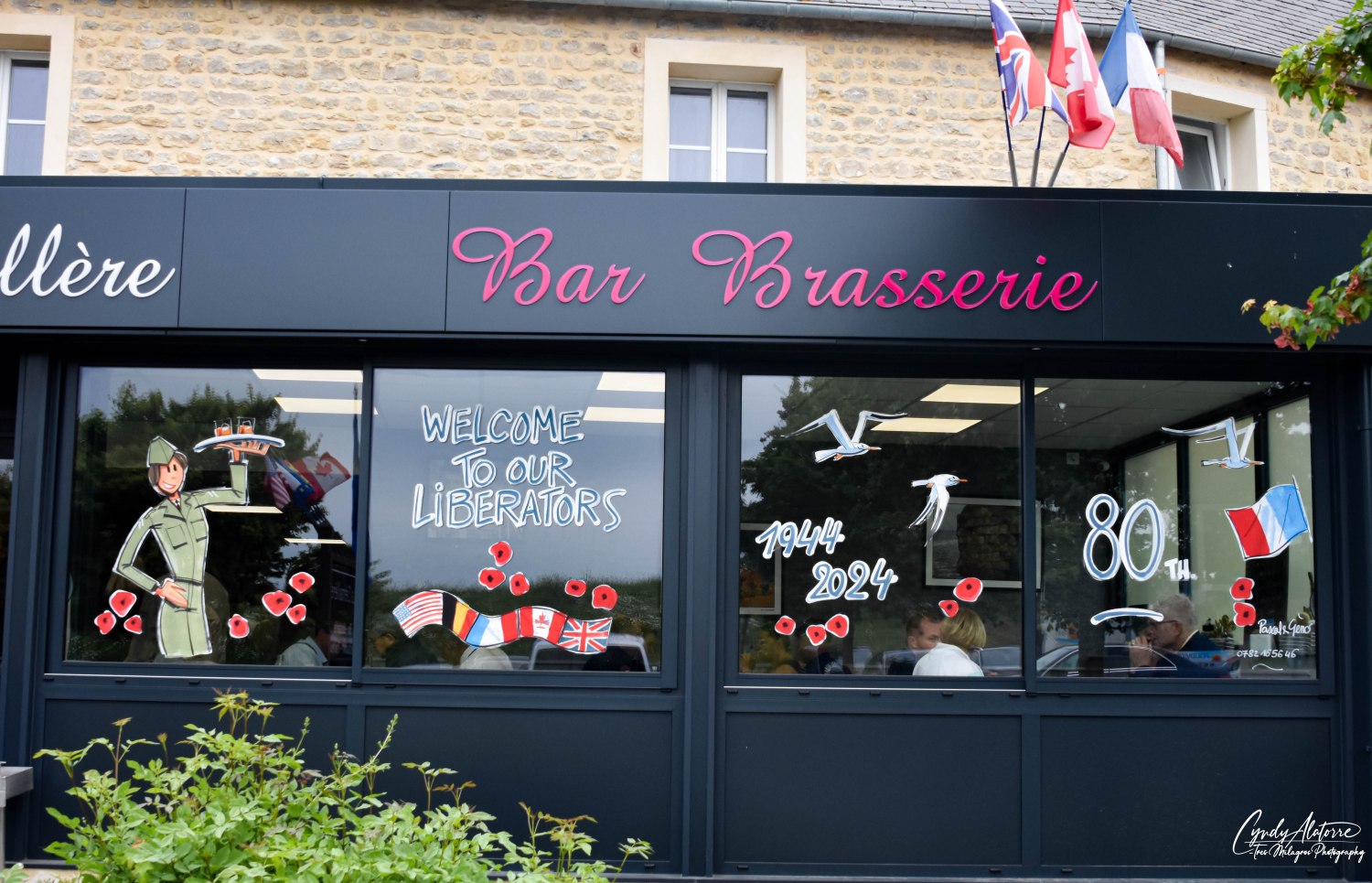
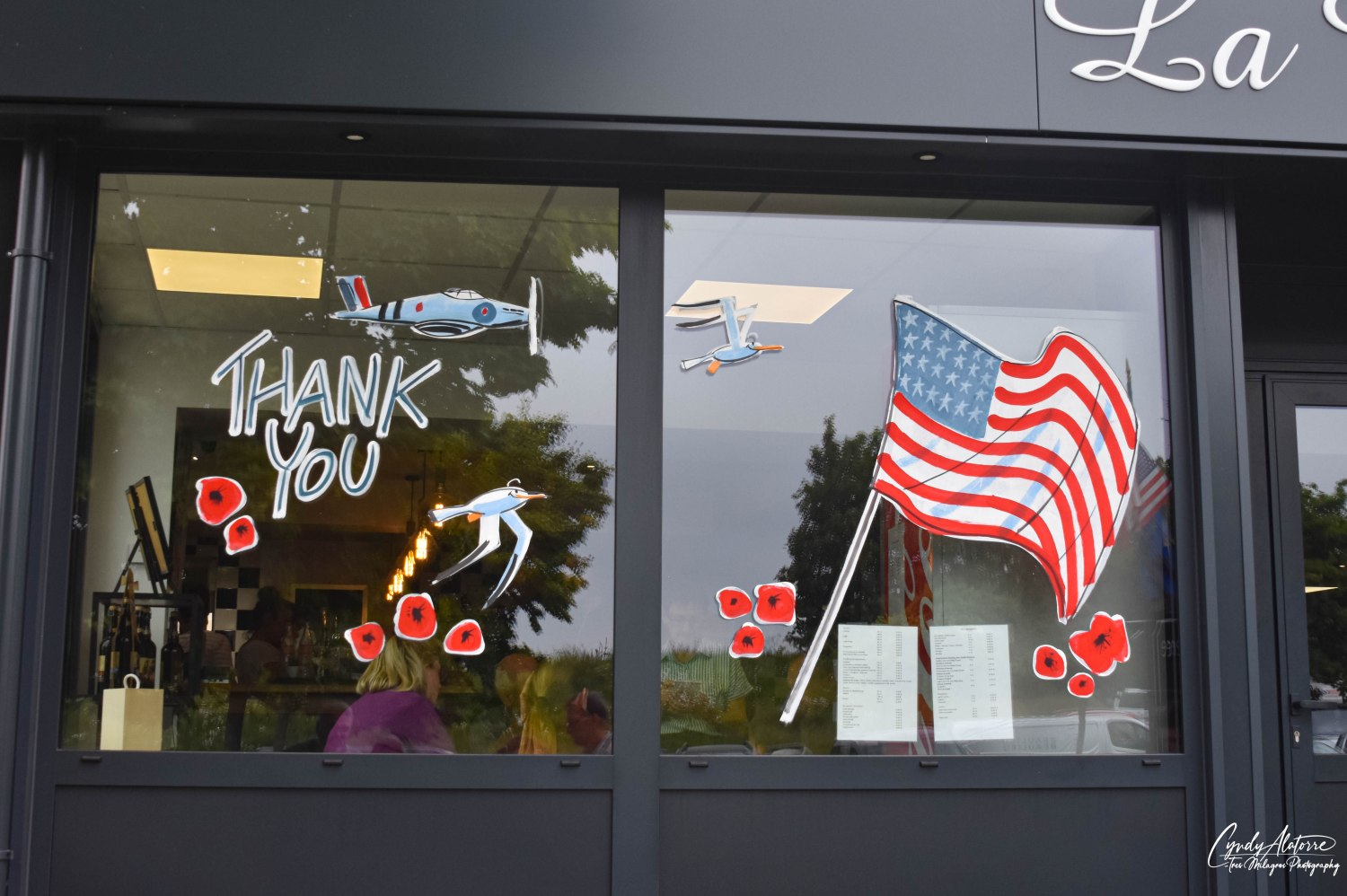
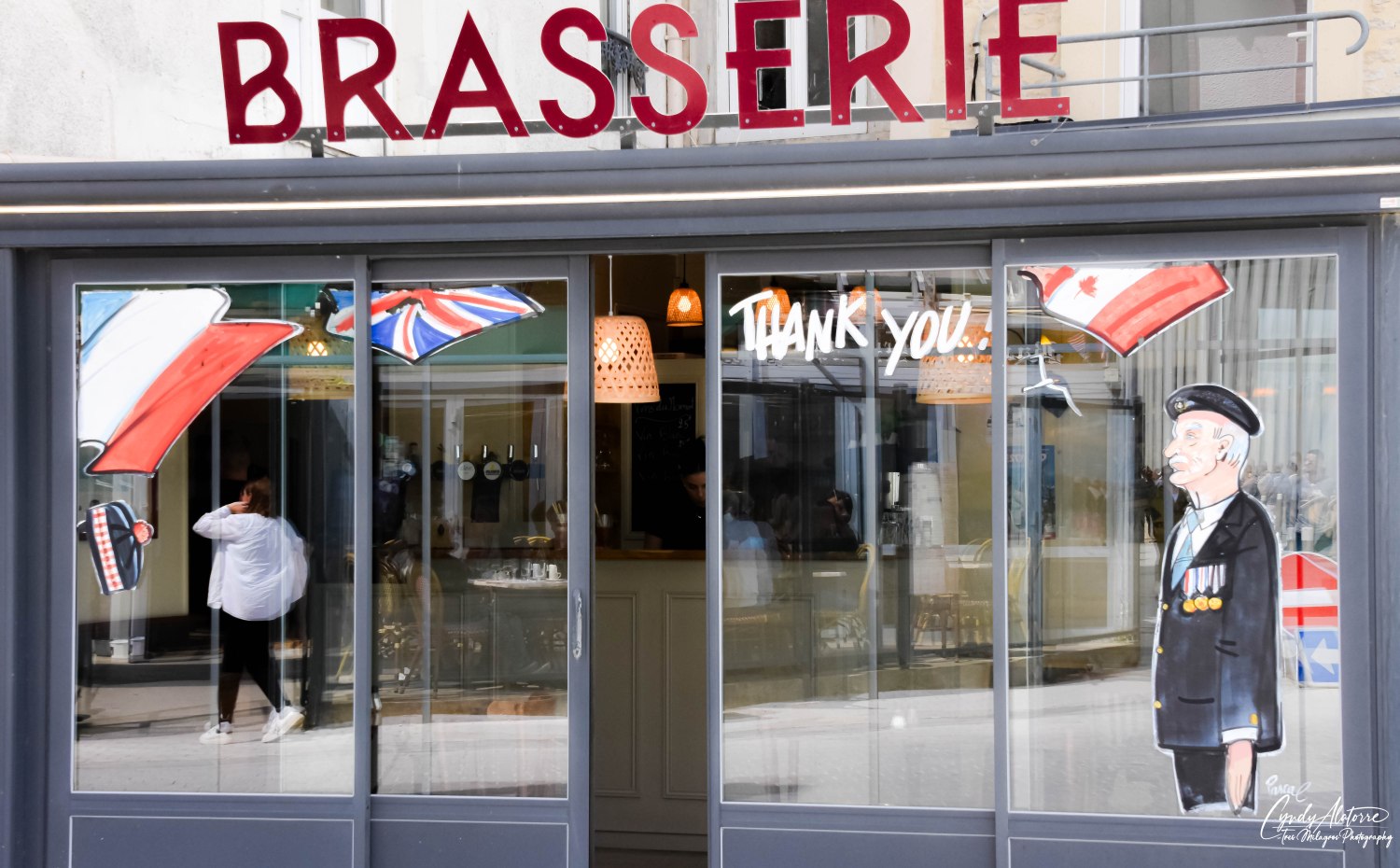
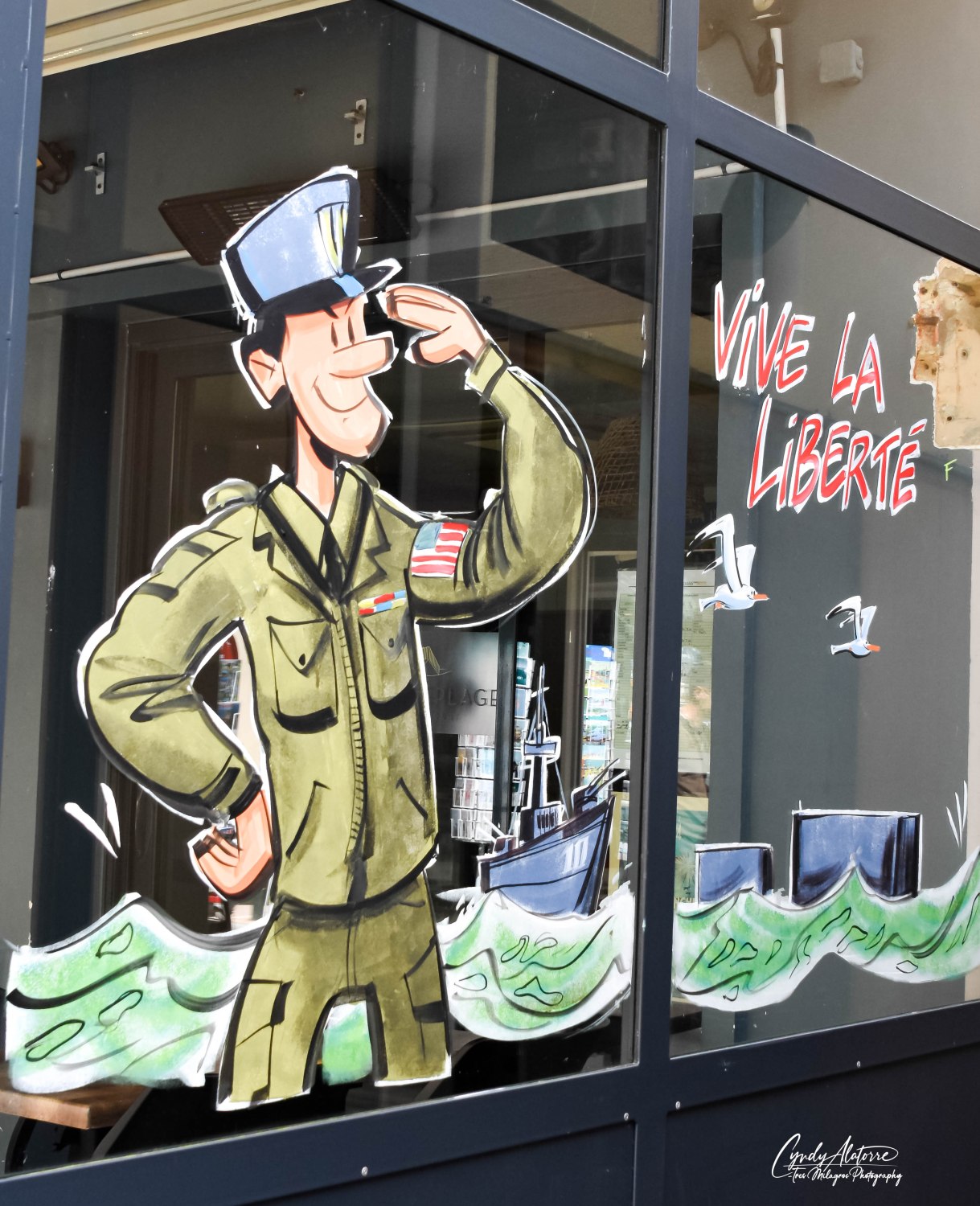
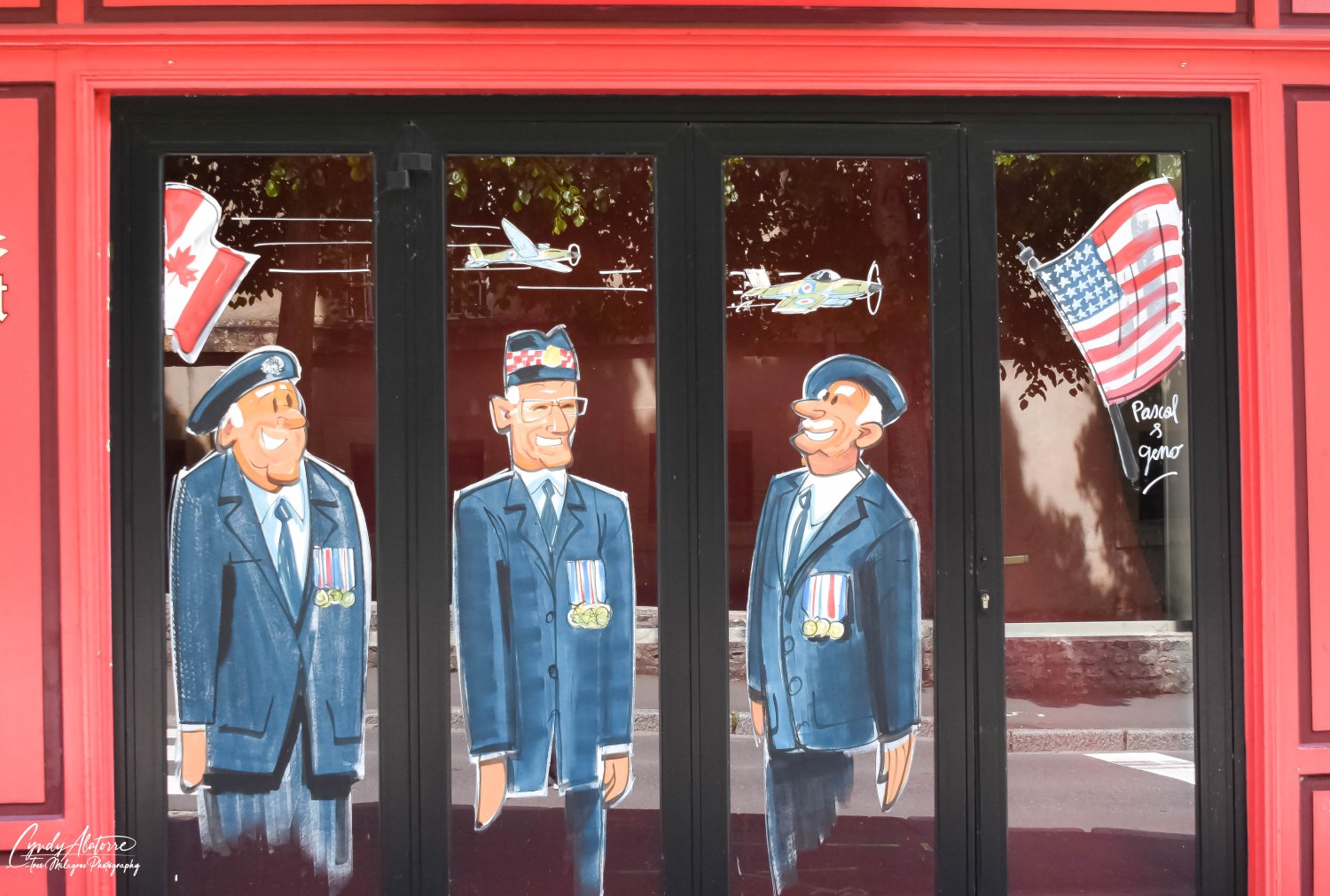
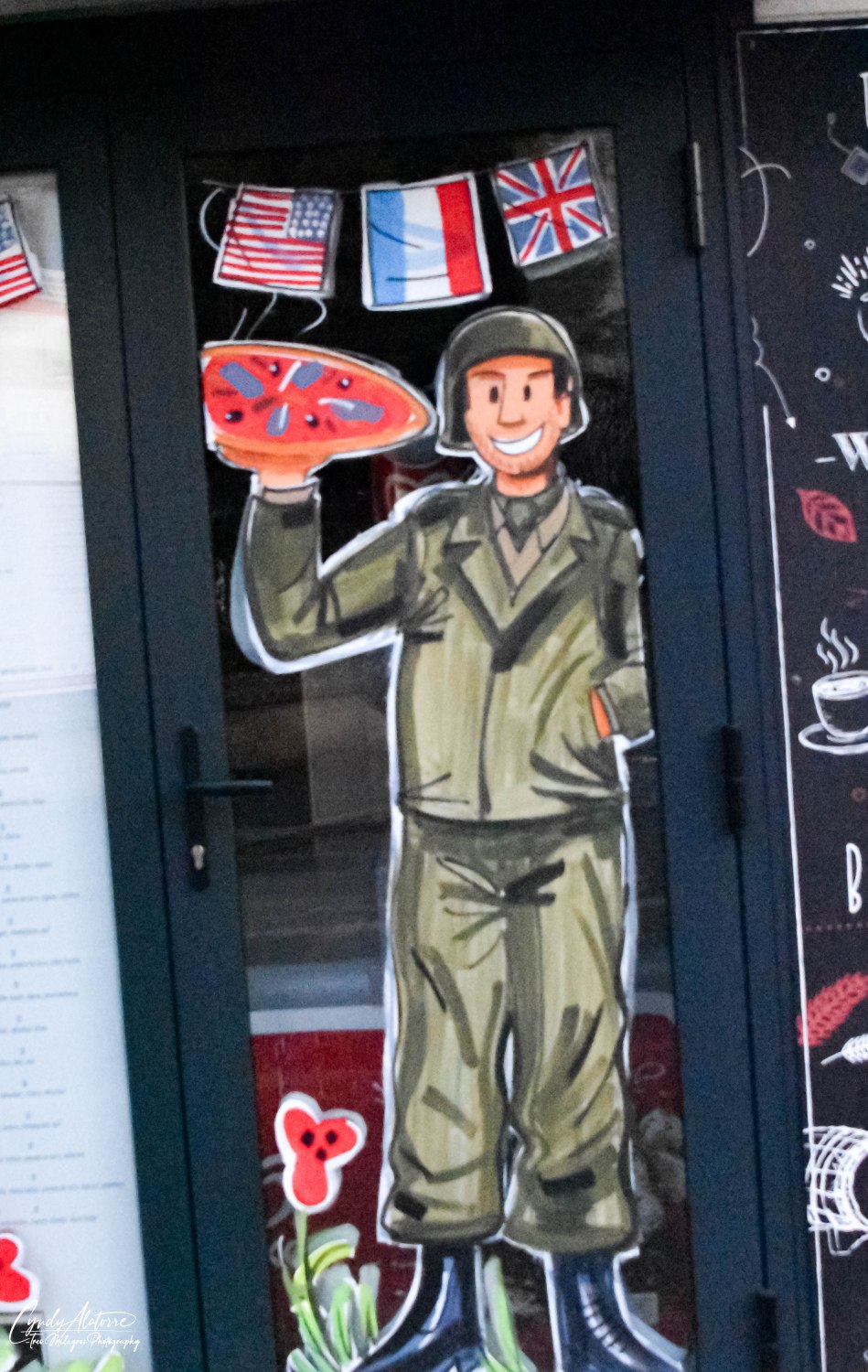
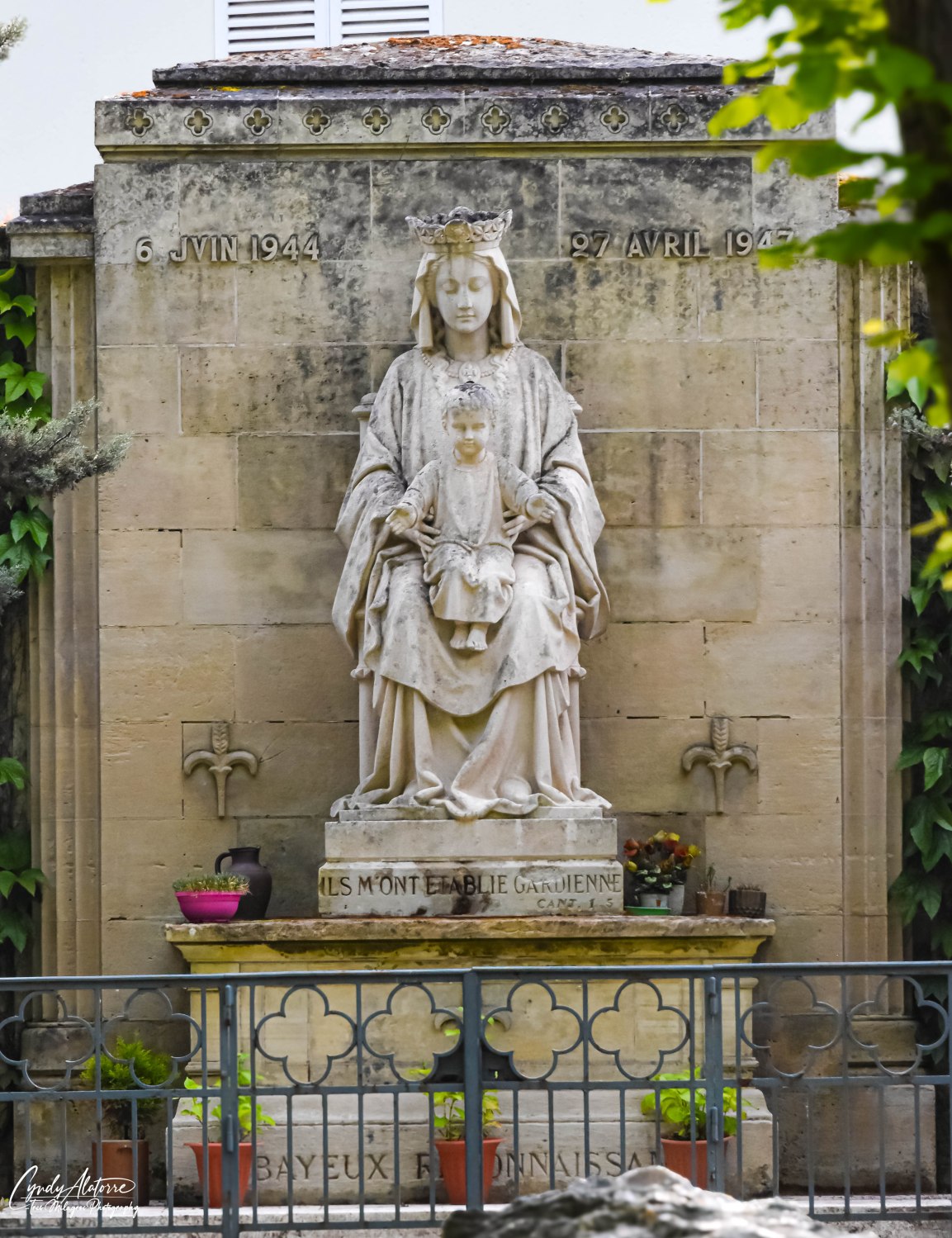
Another thing that we noticed throughout Bayeux was the colorful painted characters of American and British soldiers on the business window, commemorating the upcoming 80th anniversary of D Day and welcoming and thanking these veterans and guests that will arrive in the next few weeks. These paintings consist of flags, military figures and red poppies and had me curious to the confirm the significance of the red poppy. 

While in a small local shop (Boutique Coquelicot), that sold many pretty items with red poppies on them, I began to talk with the cashiers, named Elsa and Silla. Both ladies were welcoming and shared that the red poppy is a symbol of both remembrance and hope for a peaceful future. They went on to explain that these small red flowers are worn as a show of support for the Armed Forces community and that the troops were walking through them during the invasion. How interesting to think that while these tragic events were unfolding this small but simple flower would still be growing and making its presence known in the devastated landscape of the battlefields. They still can be seen today and we saw yellow and red poppies growing along the roads and fields as we drove around the countryside.

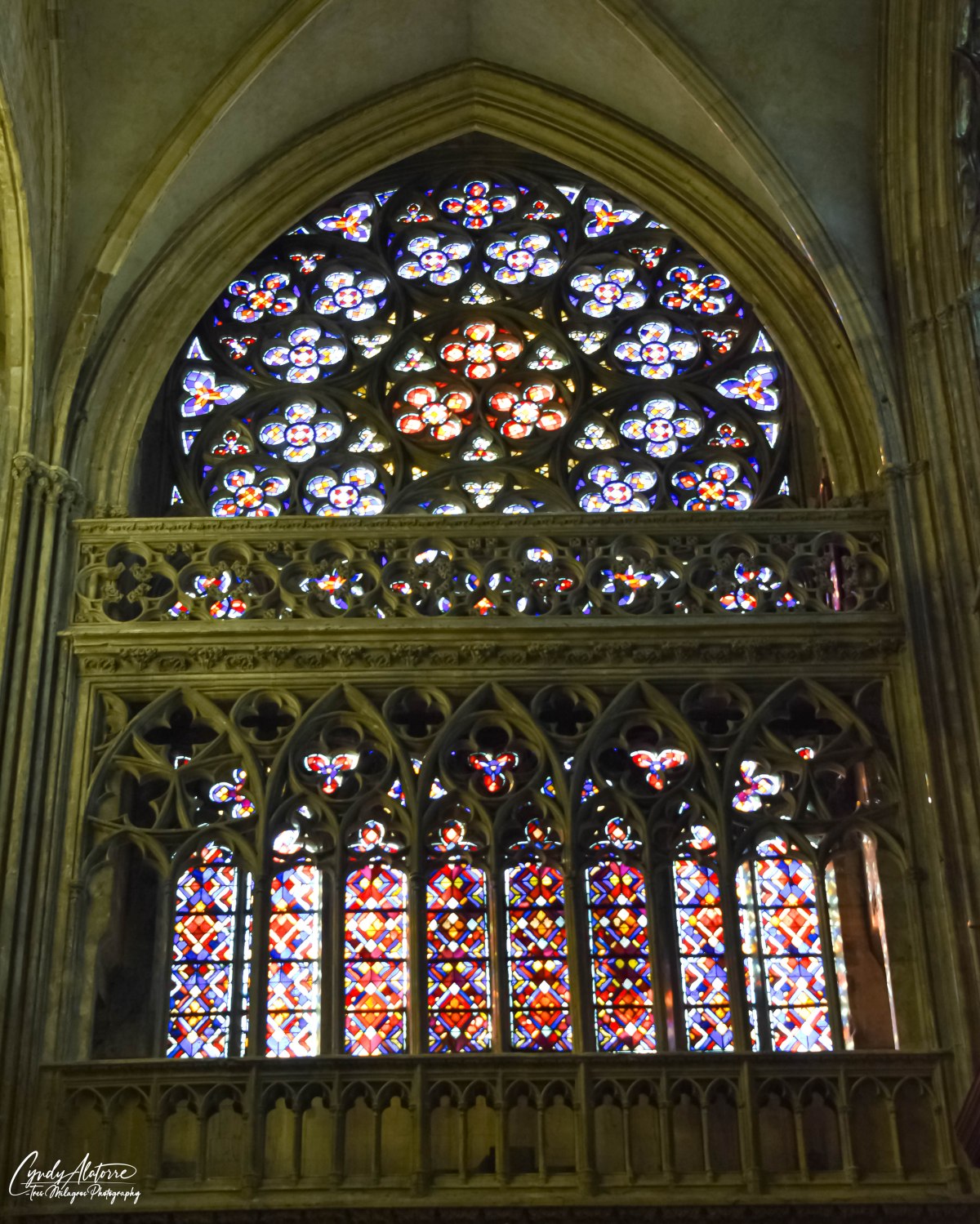
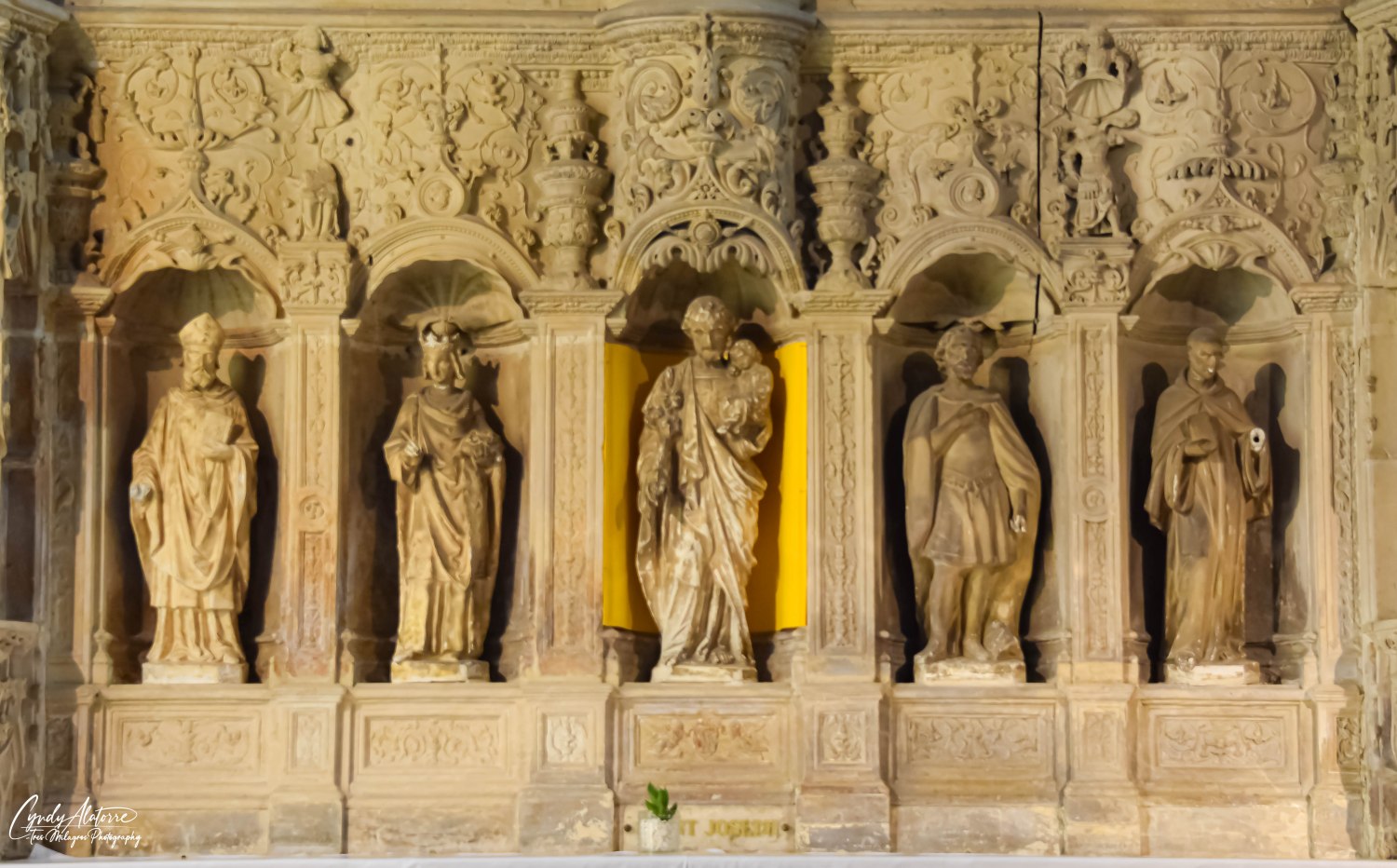
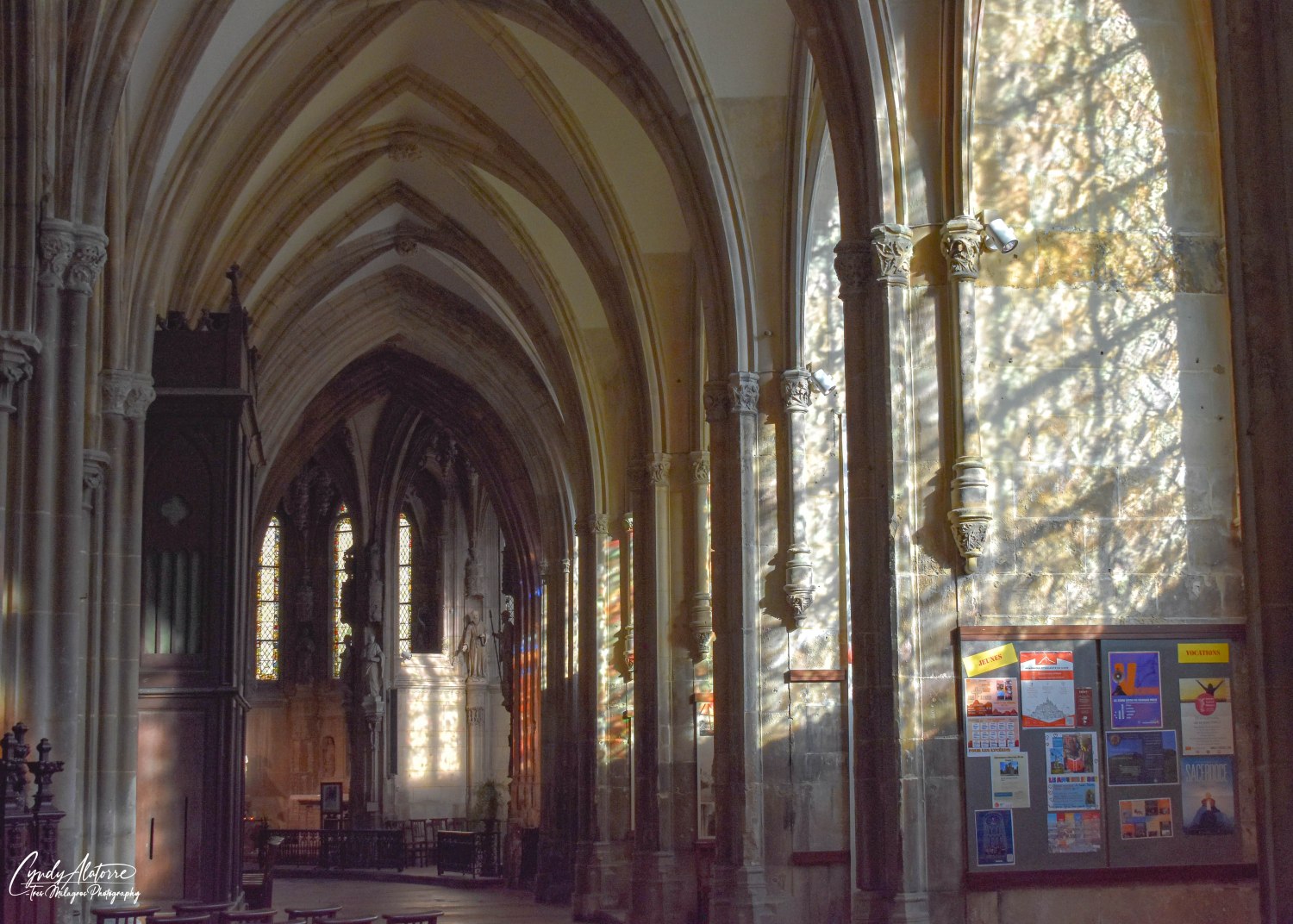
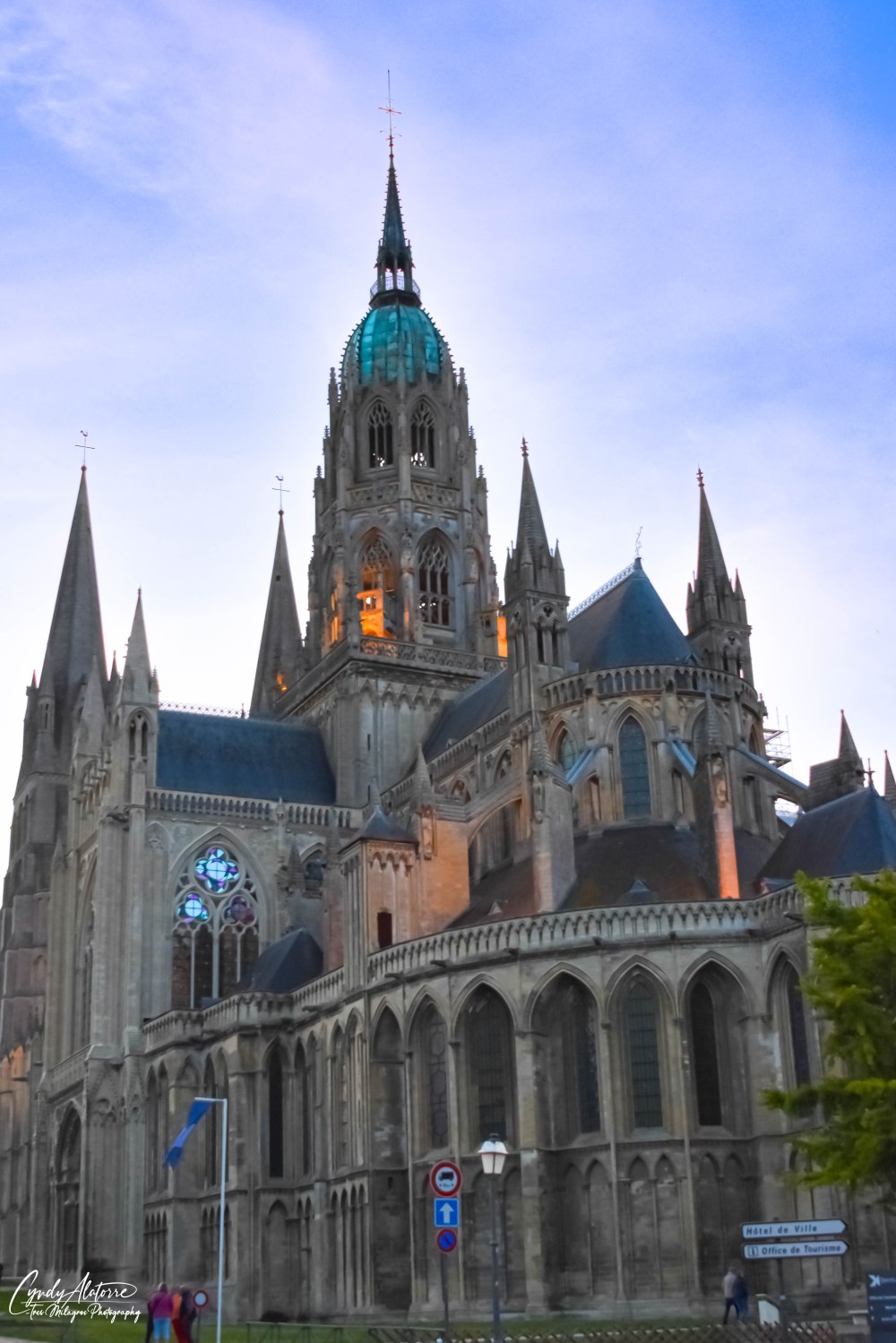
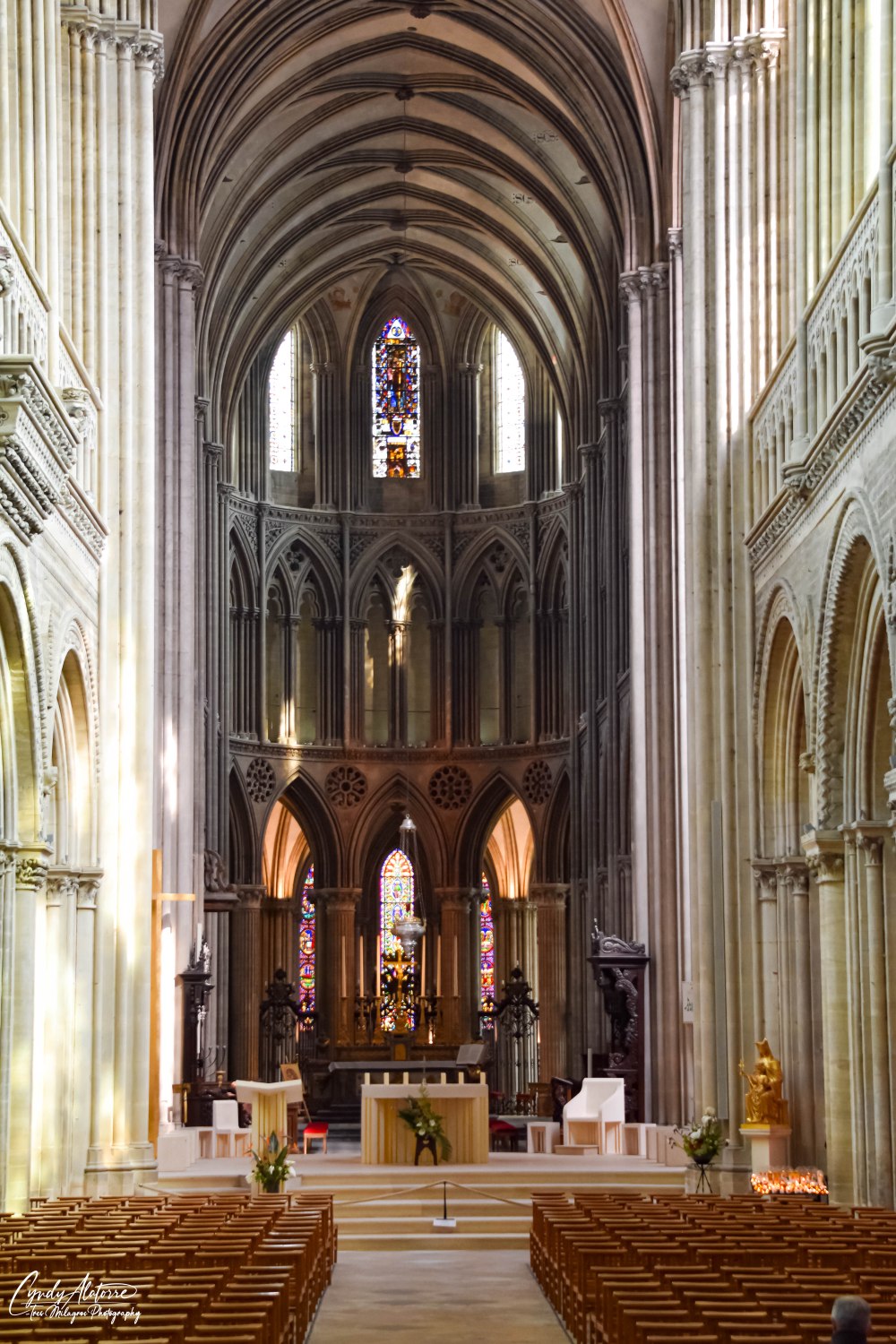
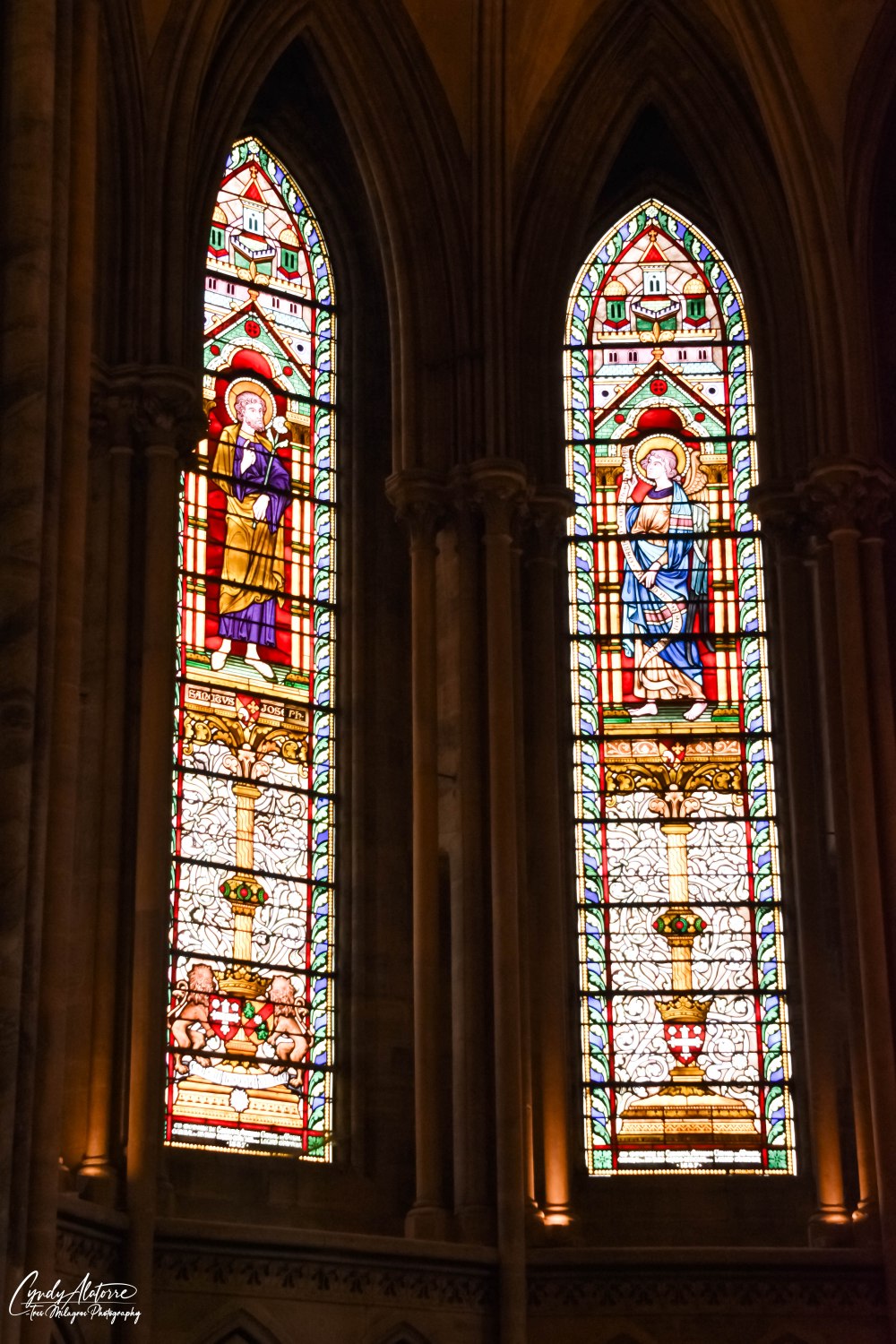
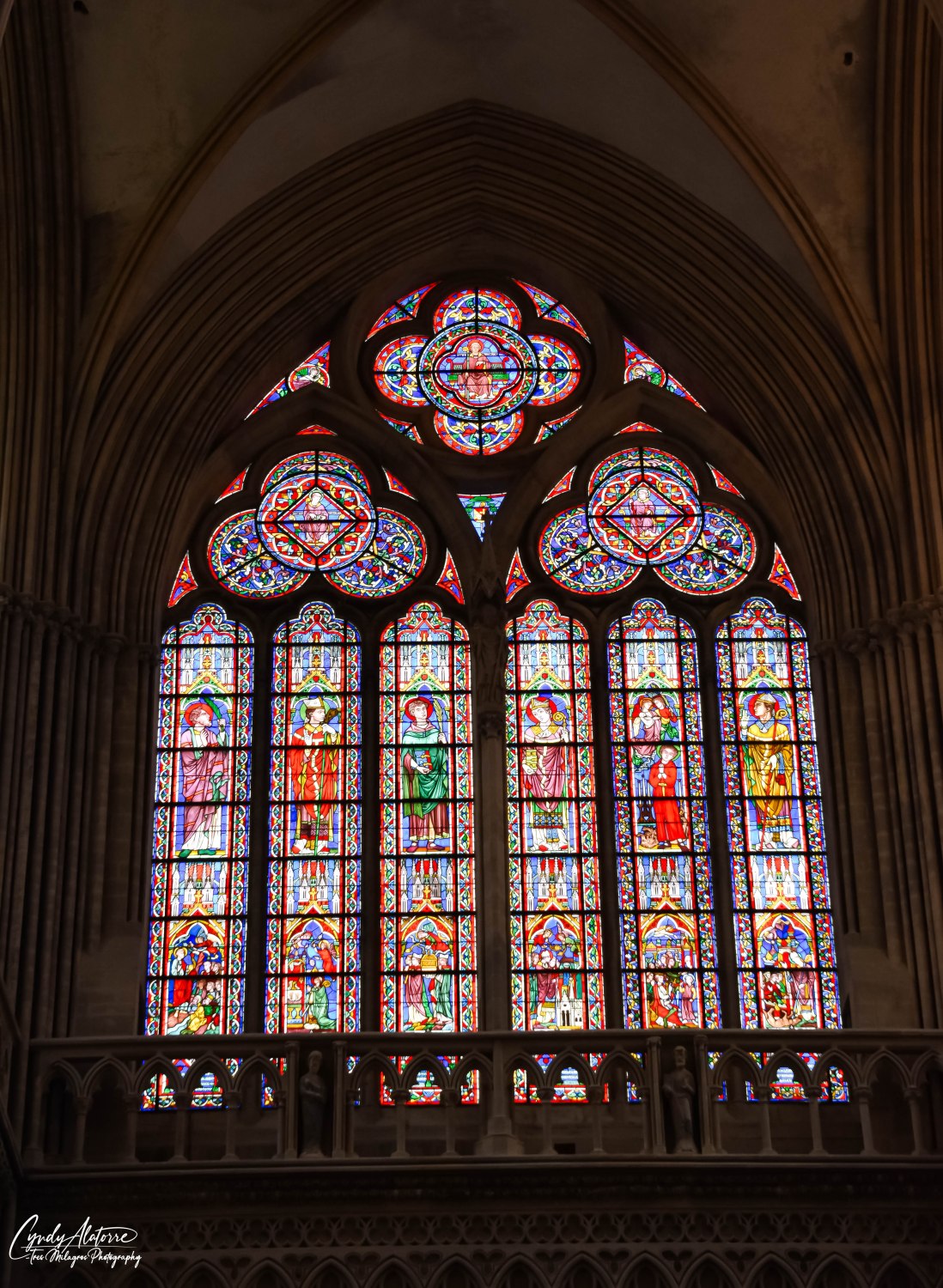
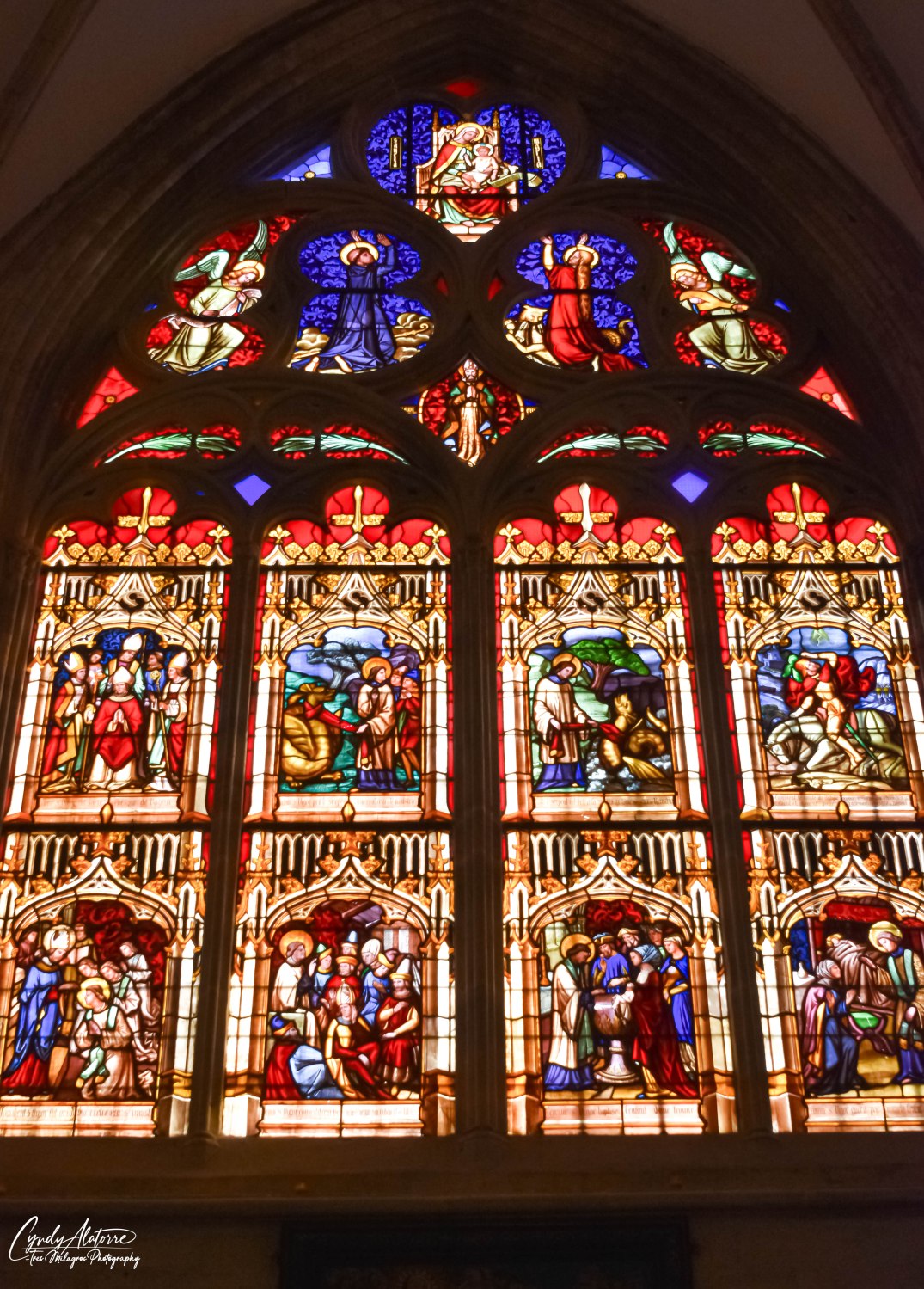
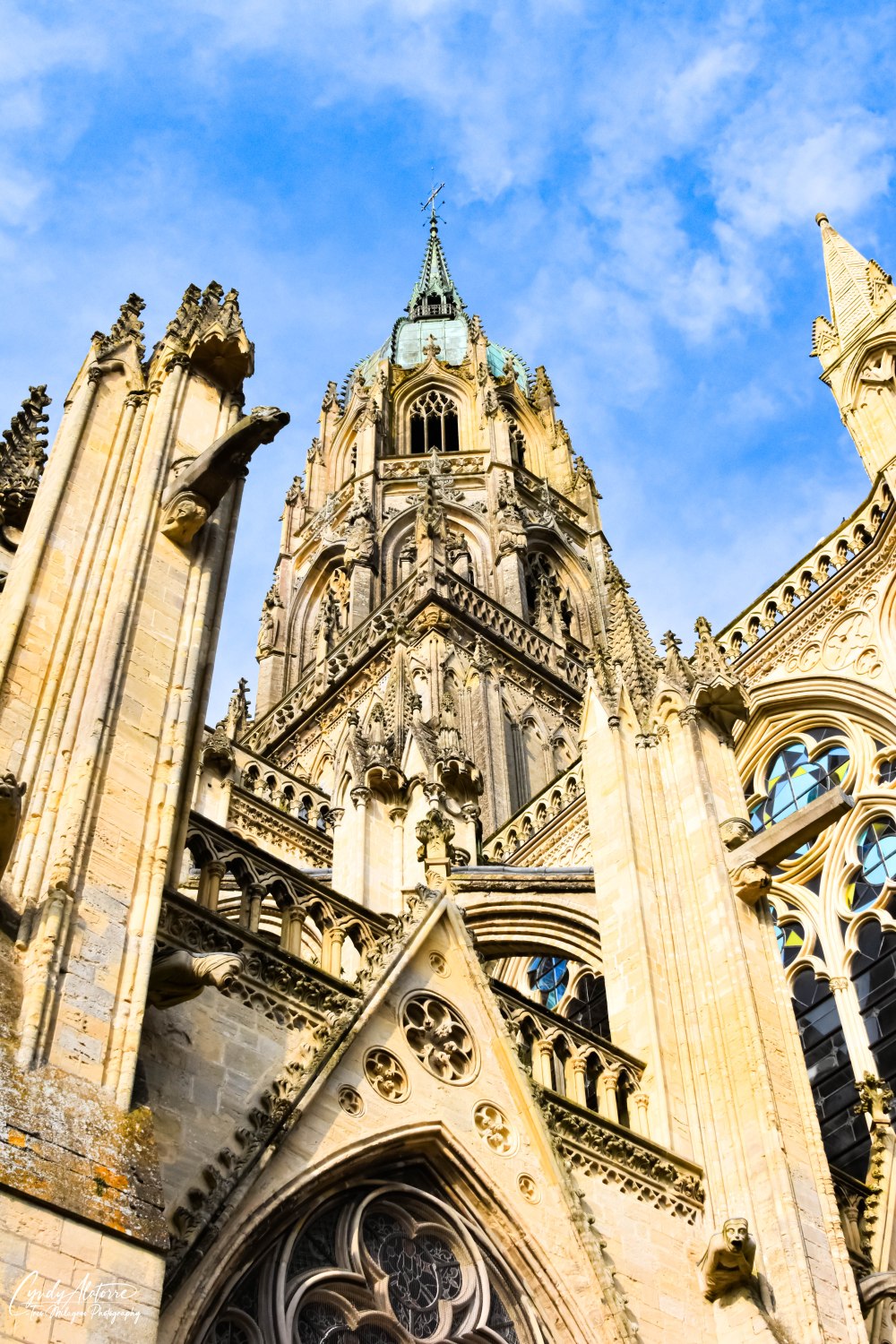
As with many other cities, it is home to a beautiful structure, the Cathédral de Notre-Dame de Bayeux, and it is striking. With its stained glass windows, tall arch ceilings, statues and other paintings, a person can get enveloped in how ominous yet sacred it is. Just imagining the amount of manpower and time it took to building such a special and beautiful structure, a person can appreciate it even more. 

Caen and Bayeux were definitely great stays and we really enjoyed their history (tapestry, D-Day, cathedrals), slower pace, and how centrally located it was to all the other neighboring towns. It definitely is on the list to come back and visit. So for now we say “Au Revoir” to these two cities as we get ready to move on to the next adventure and visiting several of the D-Day landing sites.

Until then, we’ll see what comes our way via El Camino Thru My Lens. 

Featured

“Keep Calm and Carry On” ~ London

“Keep Calm and Carry On” is a message that the British are familiar with, especially during World War II. The British government promoted this slogan to encourage their citizens that they needed to persist in the face of challenge.  And persist they did. But now that phrase has taken on a new life since it’s rediscovery in the 2000’s and it still rings true today for many Brits, hence why the phrase has been embraced so much.  

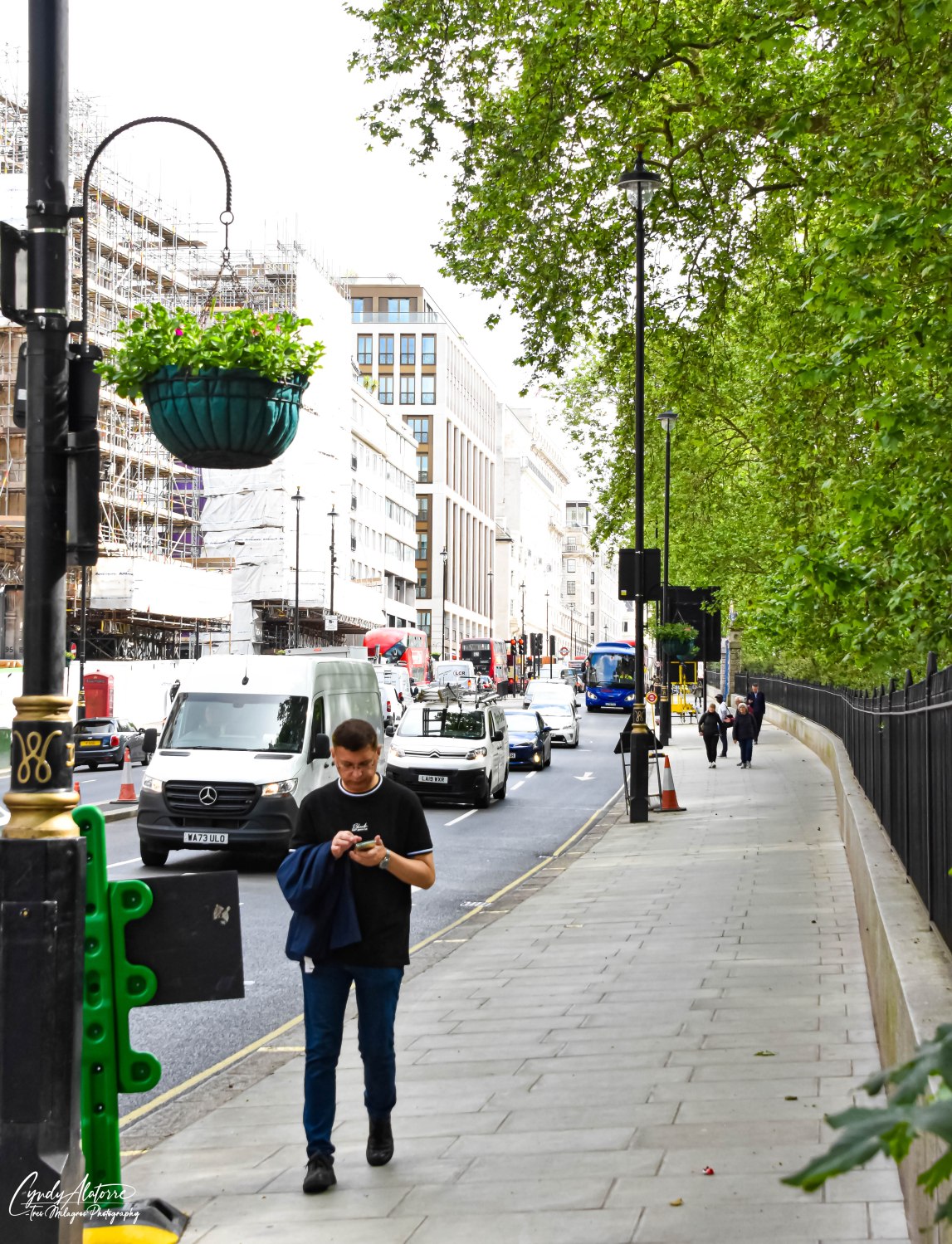
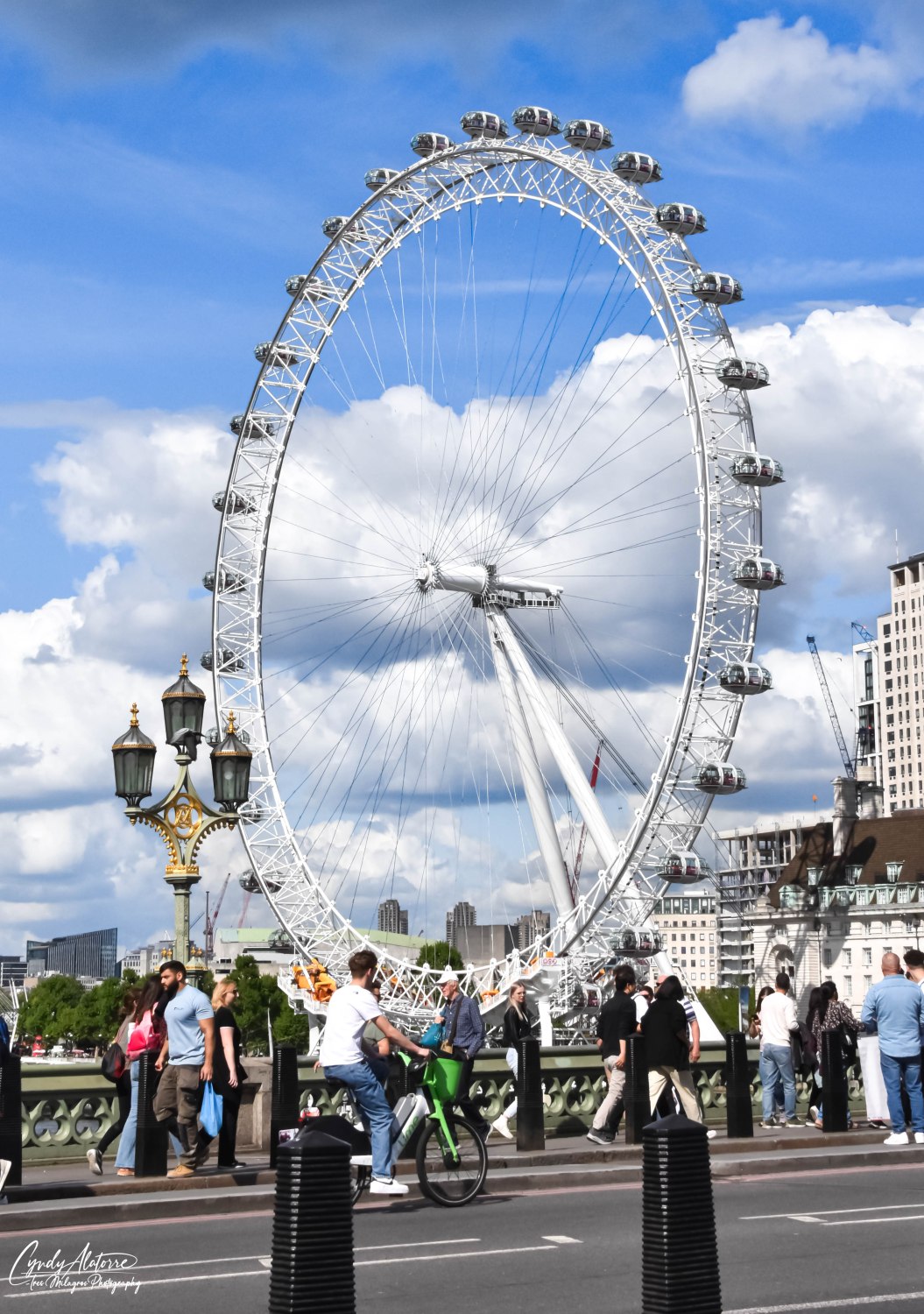
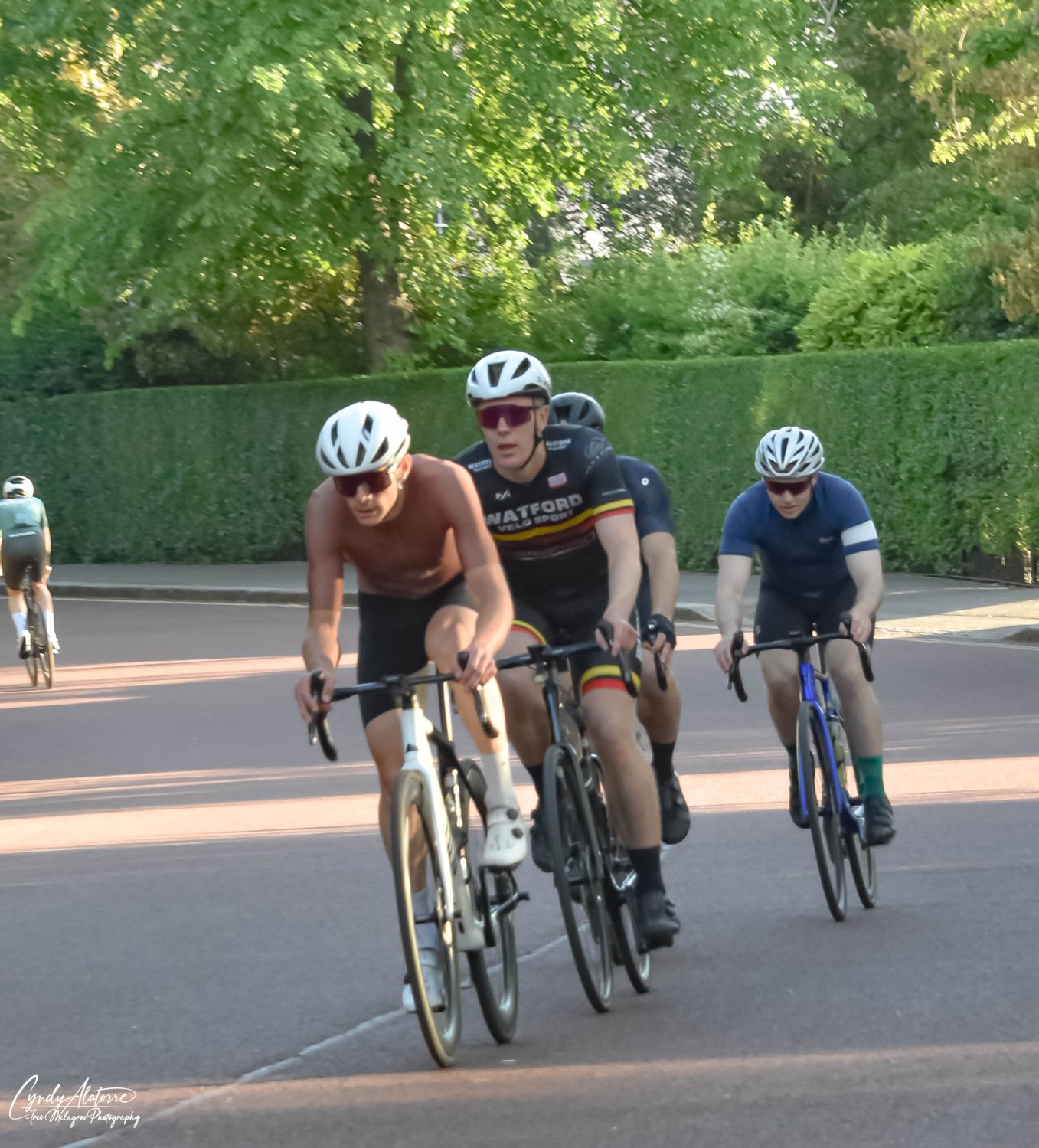
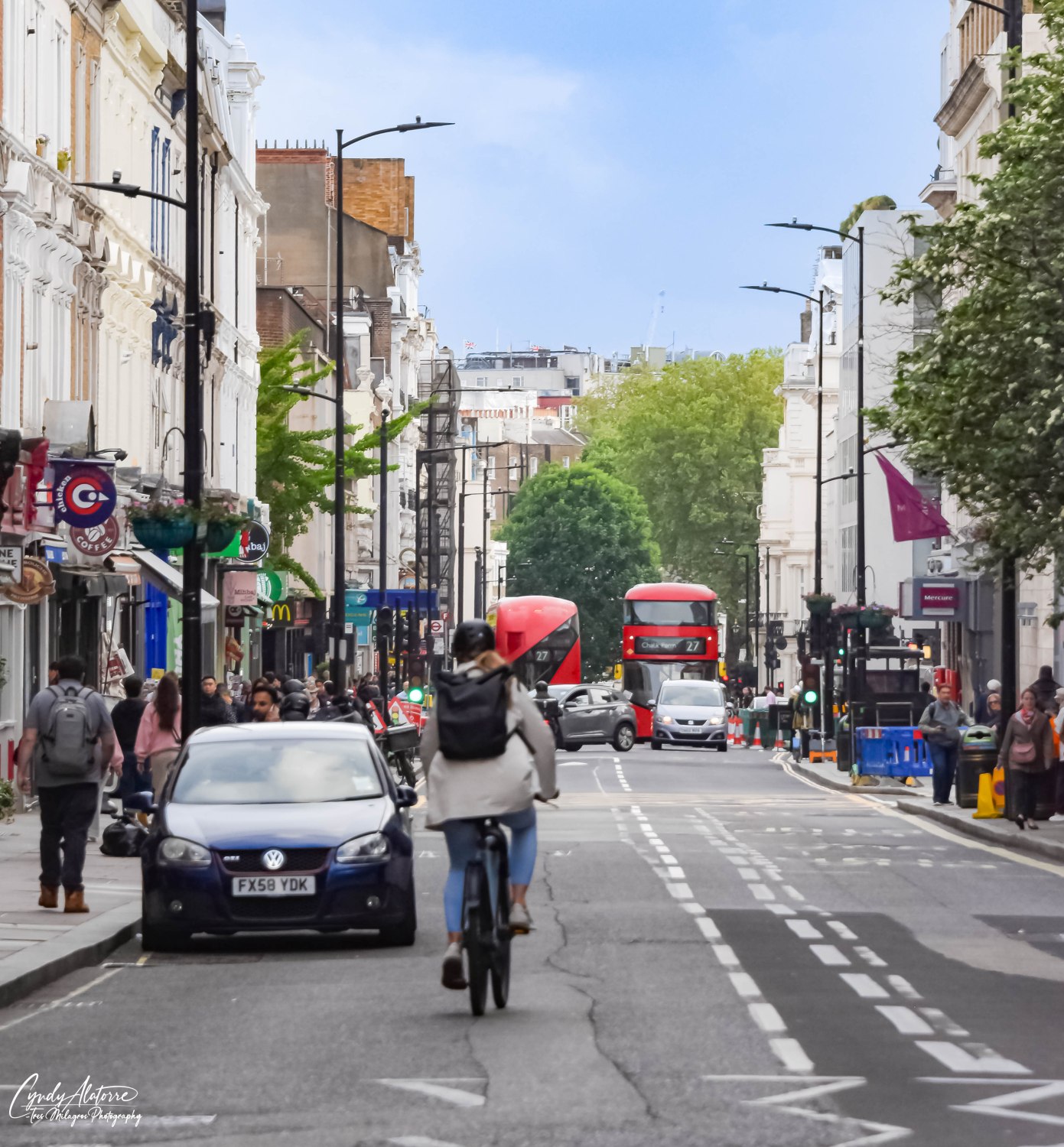
Spending time in London has been active, insightful and broaden my perspective.  This city is a melting pot of many people and cultures with many moving parts. To watch cyclist ride their bikes so fluidly along with traffic, see others jumping on and off the red double decker buses with easy, or utilizing the underground (aka: subway for us non-natives) like nothing, while walking briskly without colliding with one another person impressed me. And the fact they did it “calmly and just carried on” without skipping a beat took my admiration to another level.  

The energy in this city is vibrant and infectious. I would find myself watching these fellow Brits to learn and embrace how they managed this so effortlessly. Most importantly, I had to remind myself not to go down the wrong side of the street as the rules of the road are opposite than those back home. But aside from these observations that I’ve mentioned, I became aware of how the Brits take time to enjoy themselves. 

The British like to get together with their friends or family and what better way than to do it than go to the local pub and have a pint.  Wherever we went in the city, we would find pubs or restaurants around late afternoon buzzing with people, talking, laughing and having their preferred libation. And somewhere in between all of this, they would be watching a soccer game on the telly and cheering their favorite team on or perhaps giving their own “perspective” on what that player should of done to not have missed that goal.

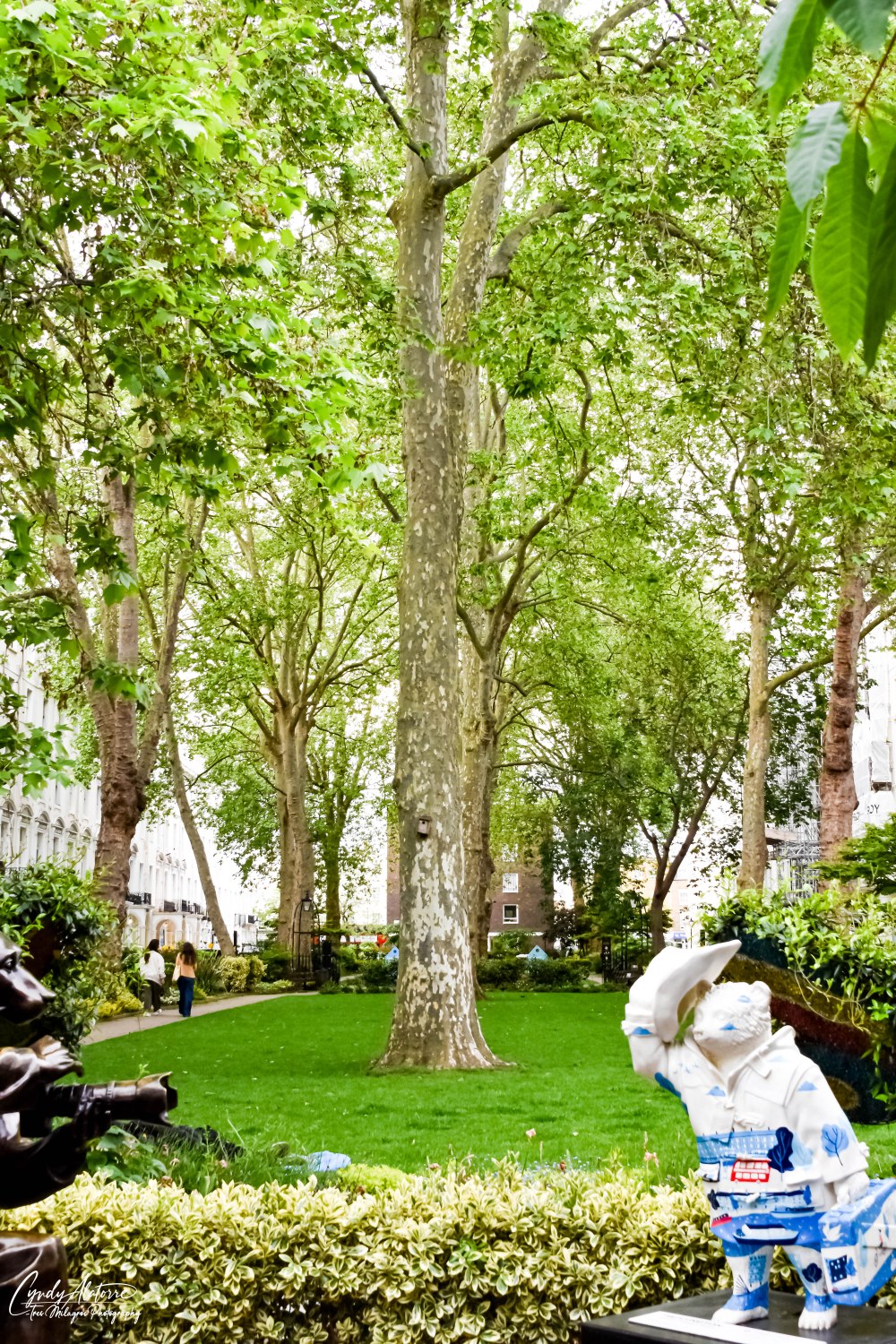
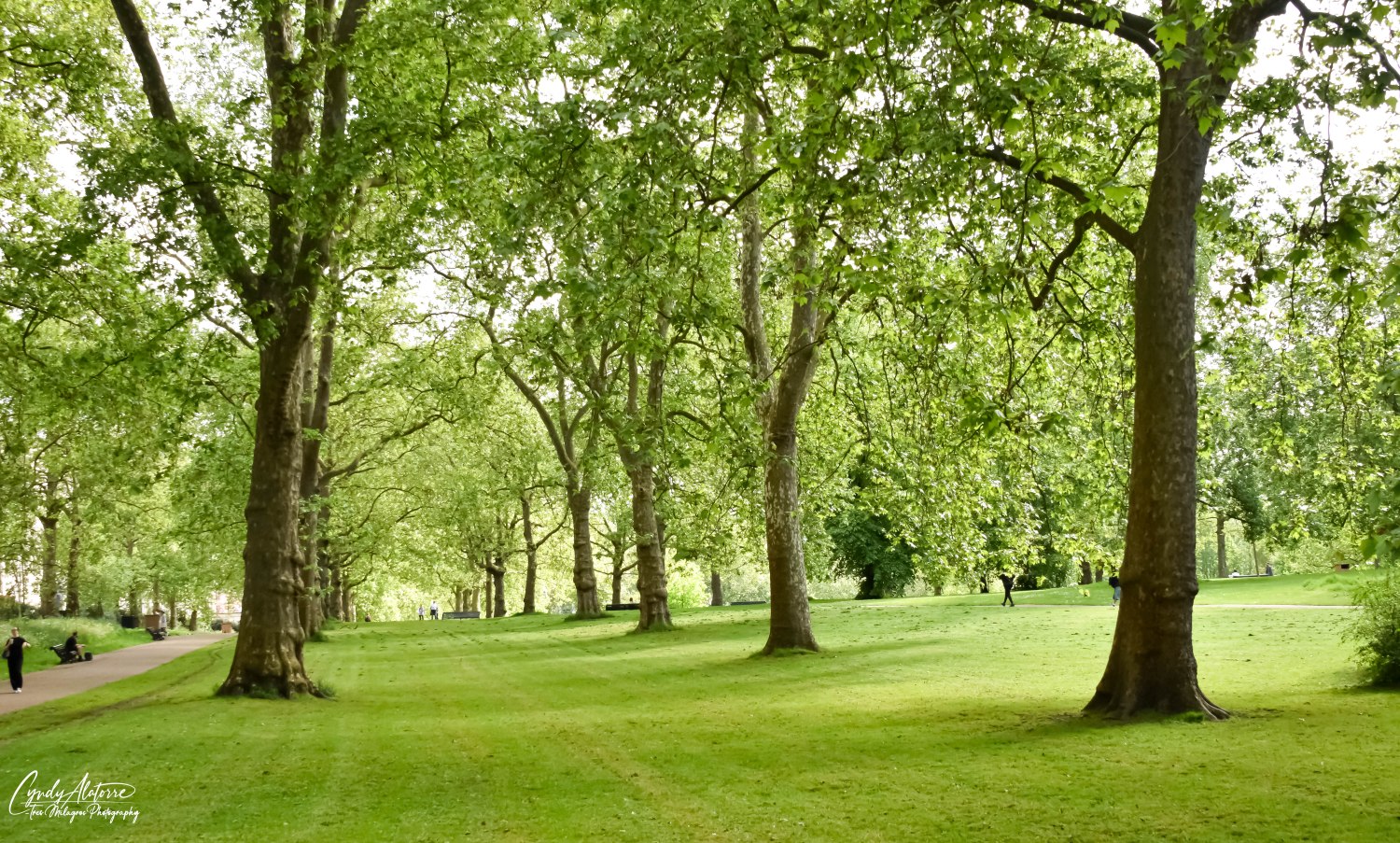
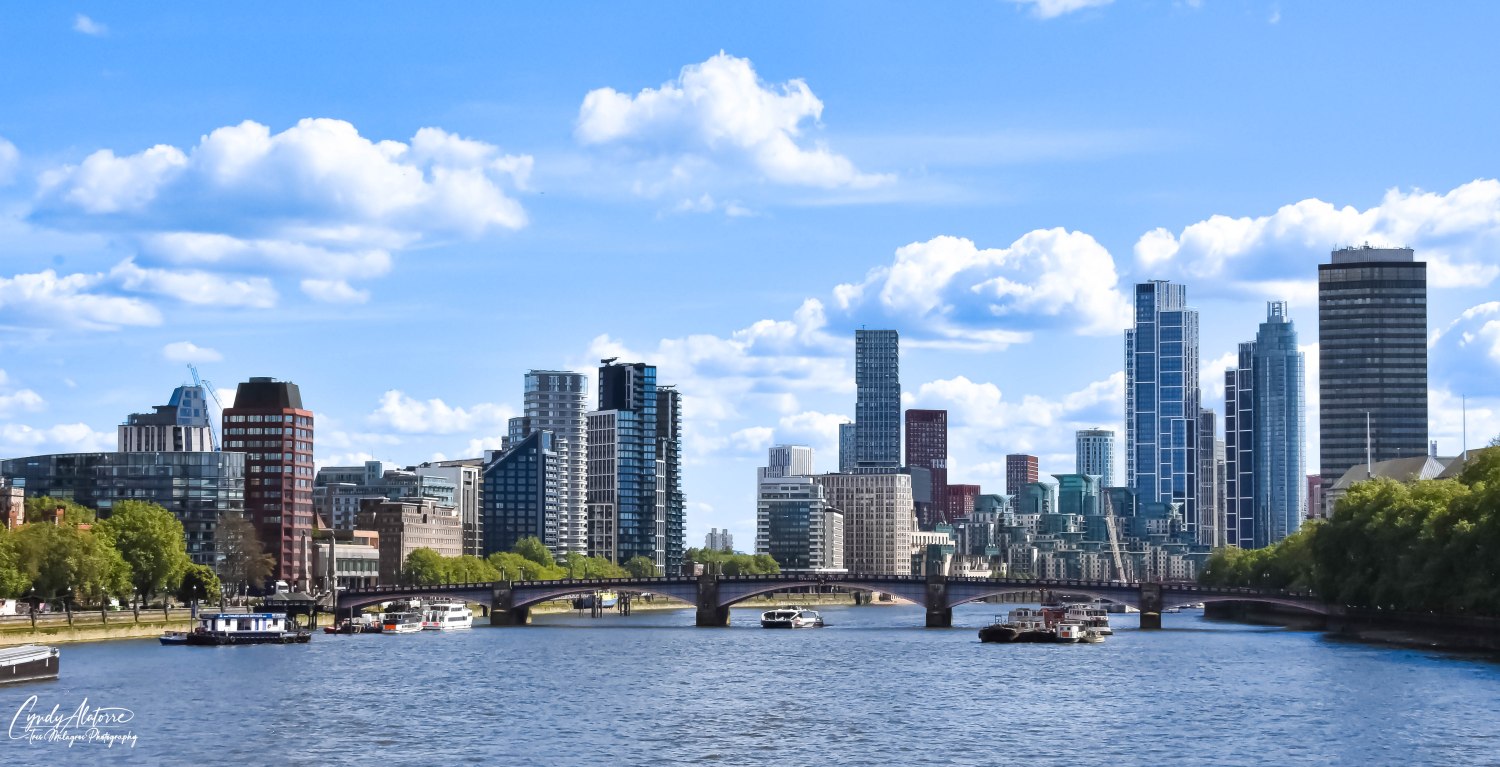
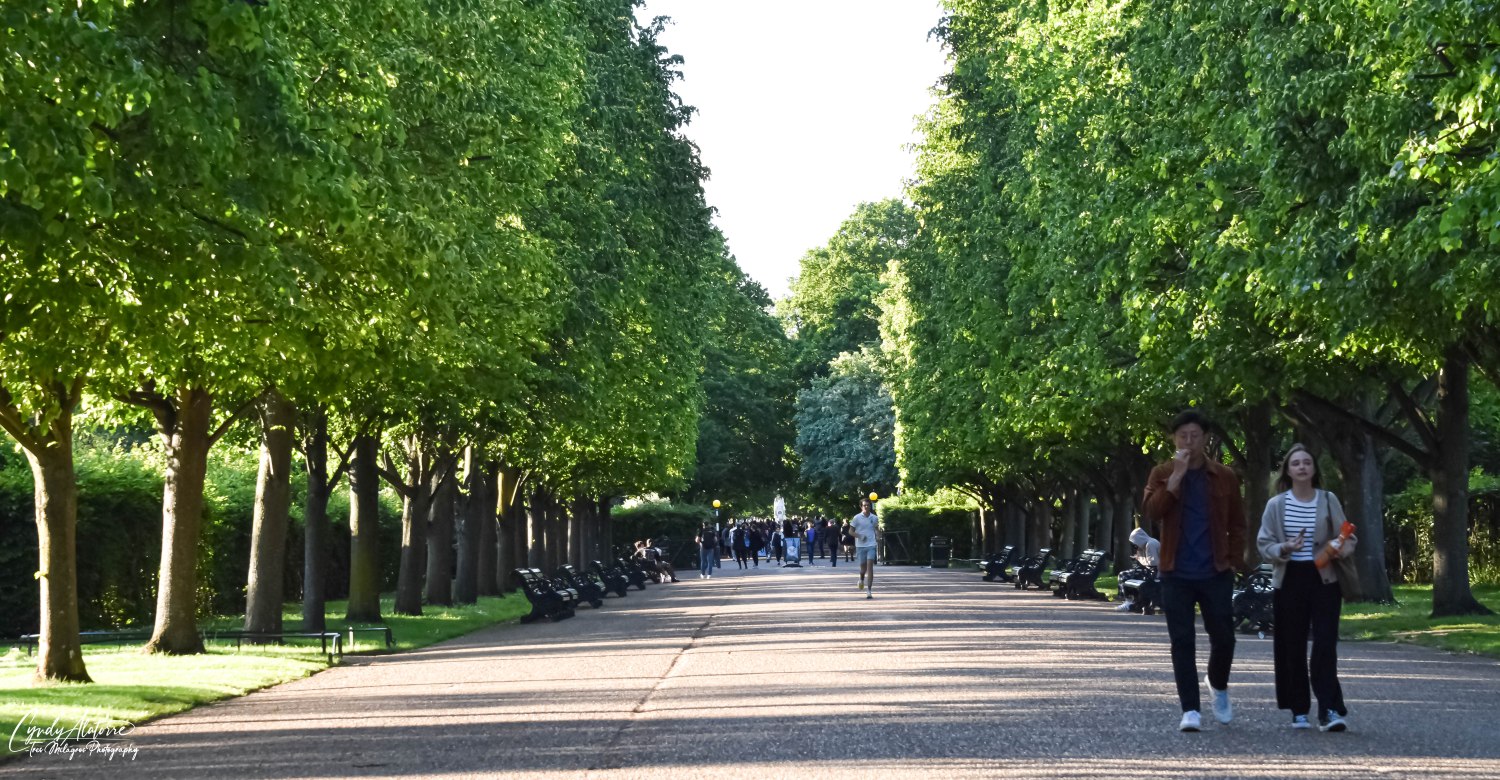
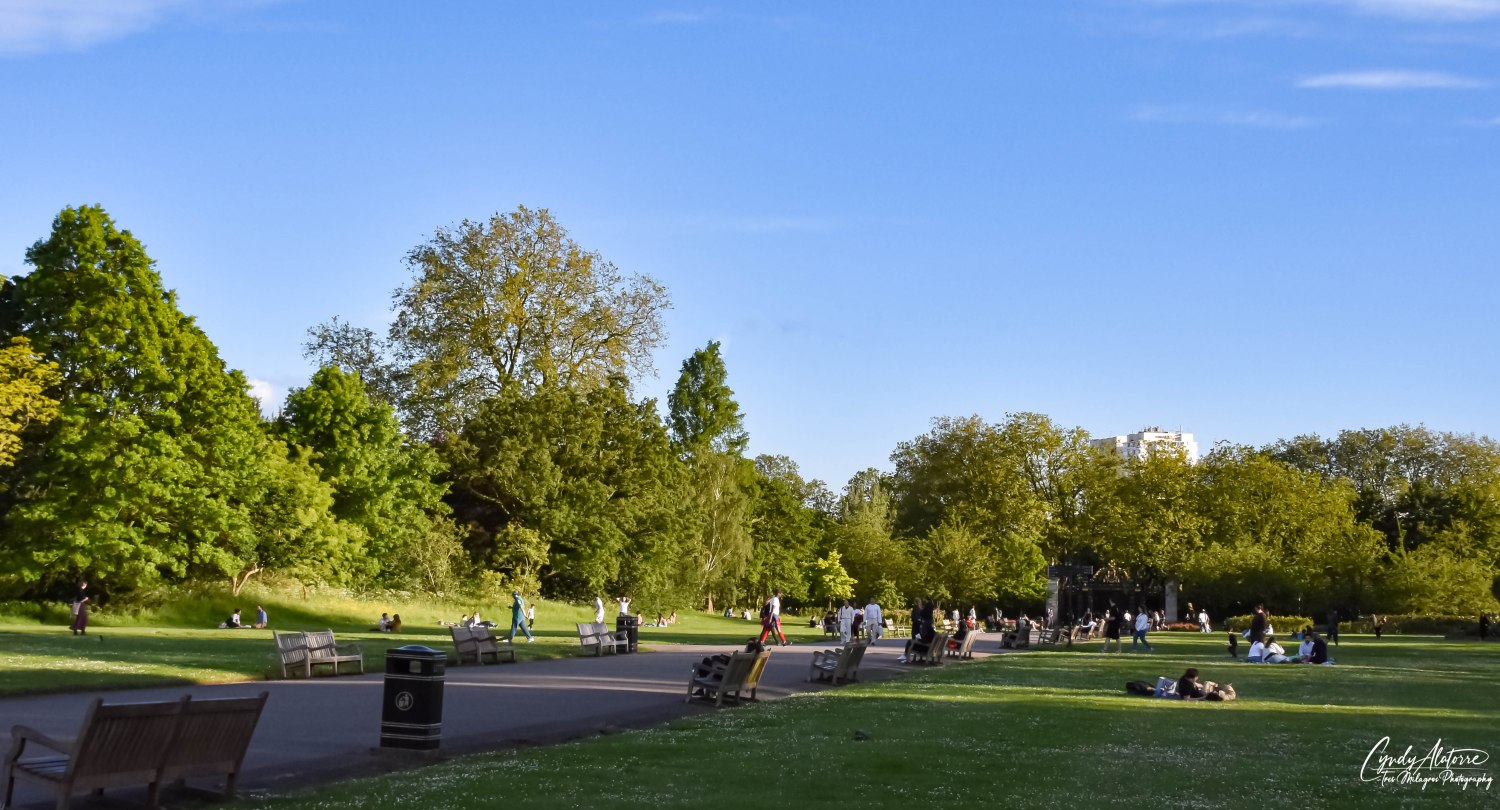
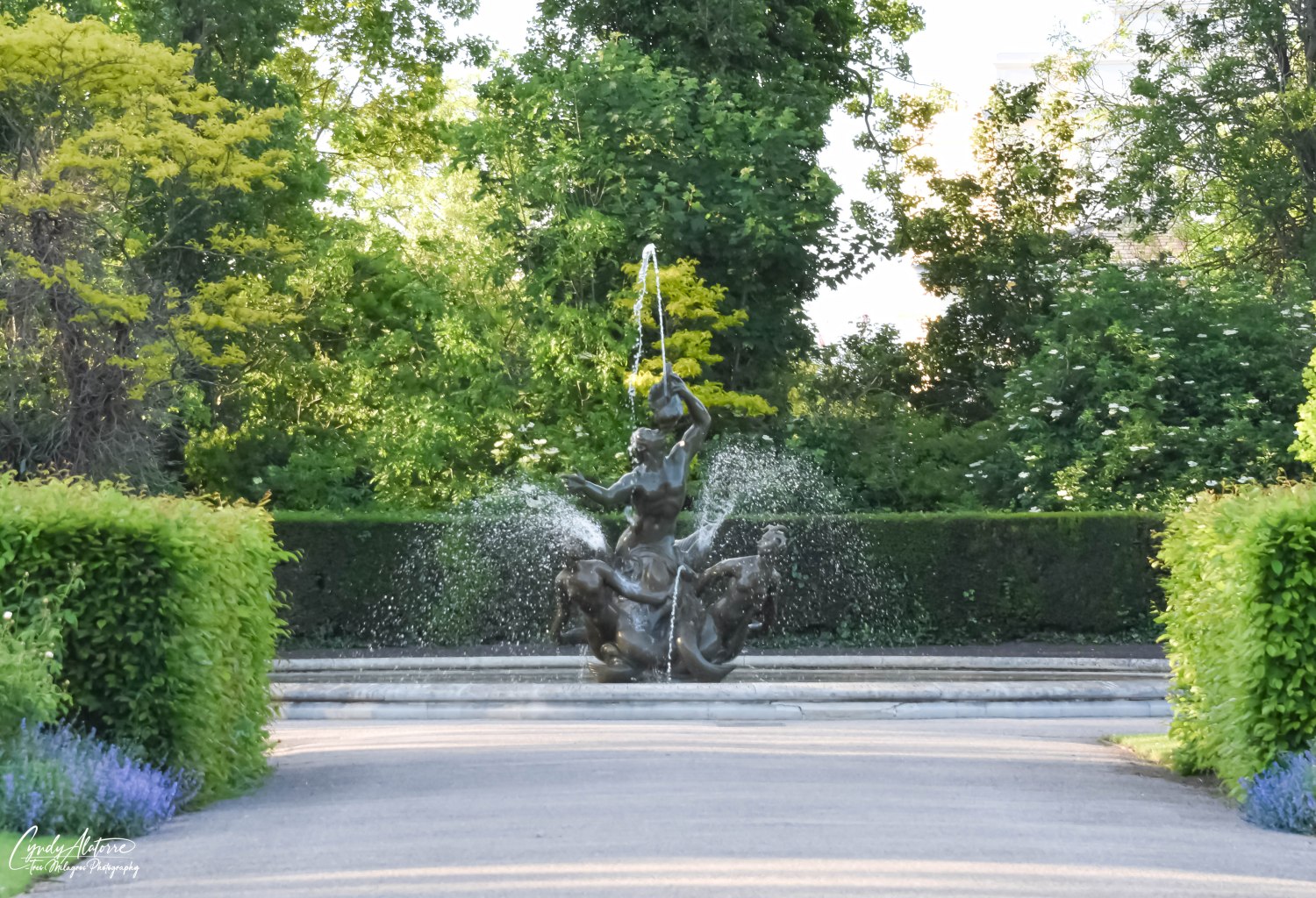
As I mentioned in my previous blog, London has some of the most beautiful parks and the British don’t waste anytime enjoying them. From early in the morning until closing time, the citizens of London were on the move in these parks, walking dogs, jogging, talking with a friend or family member or just taking a nap. And I can’t blame them as these parks are just beautiful and so welcoming and easily accessible. Perhaps it was the fact that people were taking a moment to slow down, socialize and make time for one another that left a good impression on me. It was good to see that feeling of community visible again on a larger scale. 

So if you have the opportunity to visit this lovely city, do it. Come see and feel the pulse of London and learn about it’s great history, see it landmarks and experience it’s lifestyle.  And should something not be going your way or you’ve had a day like no other, remember to take some advice from our friends across the pond and take a deep breath and just “Keep Calm and Carry On”.

Until next time, we’ll see what comes our way via El Camino Thru My Lens 

Featured

Let’s Go/Vamonos!

 Bags are packed, passport in hand and now it’s time to go!  That’s right..it’s time to go on another adventure and see some new sights as well as to visit some favorites.  Like a kid at Christmas, my excitement to go and travel AGAIN was something that I’ve been looking forward to for the past few months and now it has finally arrived.  So your wondering, “Where are you going? “ Good question!  

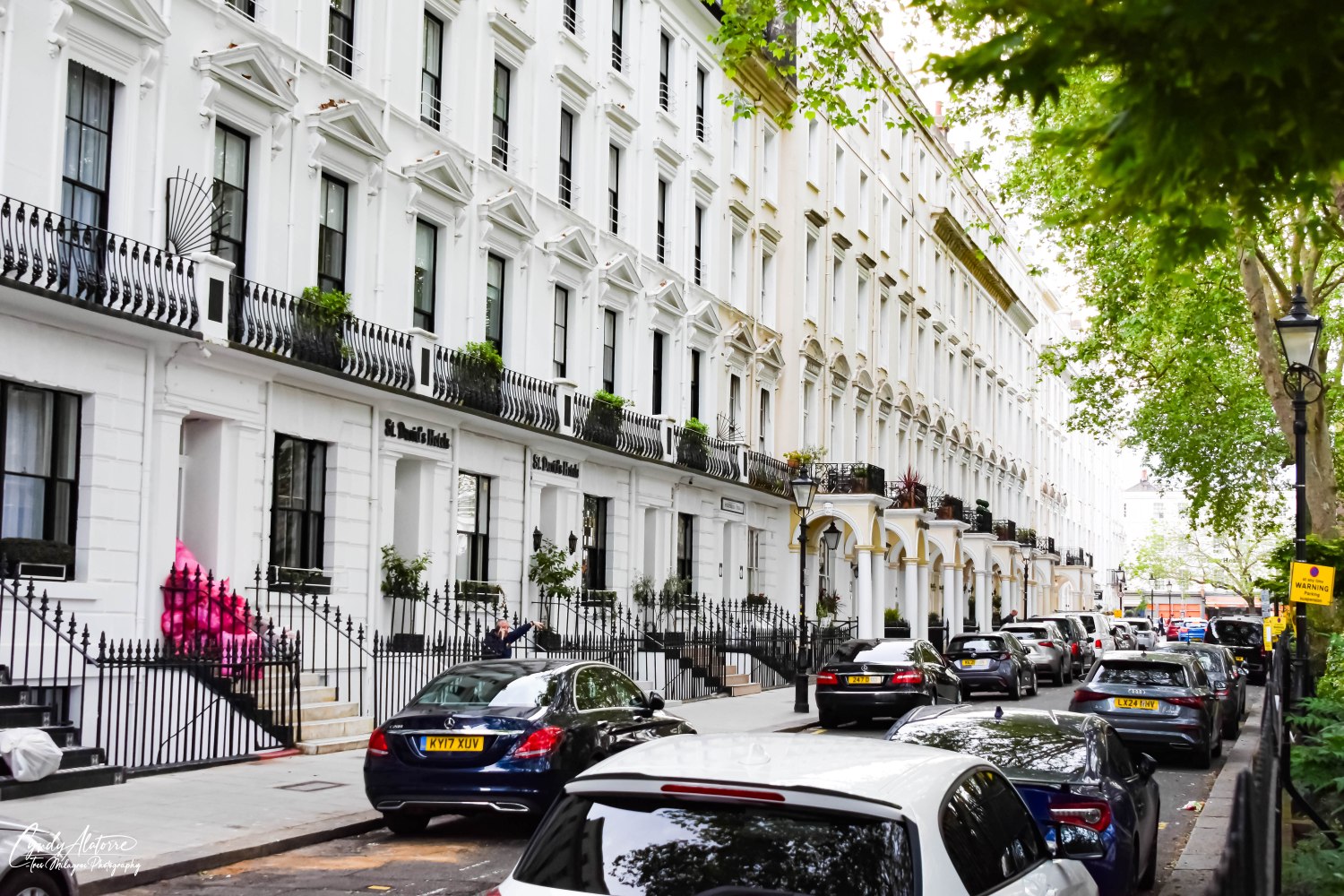
Well, I’ll first say that we’ve already gotten on the plane and now are in the beautiful city of London. What a great place to start our trip.  It’s a cosmopolitan city with so much history,  places to explore, and cultures living collectively together.  After a 10 hour flight over the pond, we were welcomed with beautiful weather and felt ready to go out and explore. Jet lag? What’s that?! Yes, I hear you laughing but not to worry as half a day was spent in the sunshine and a good night sleep got us up and running up to speed the next day. 

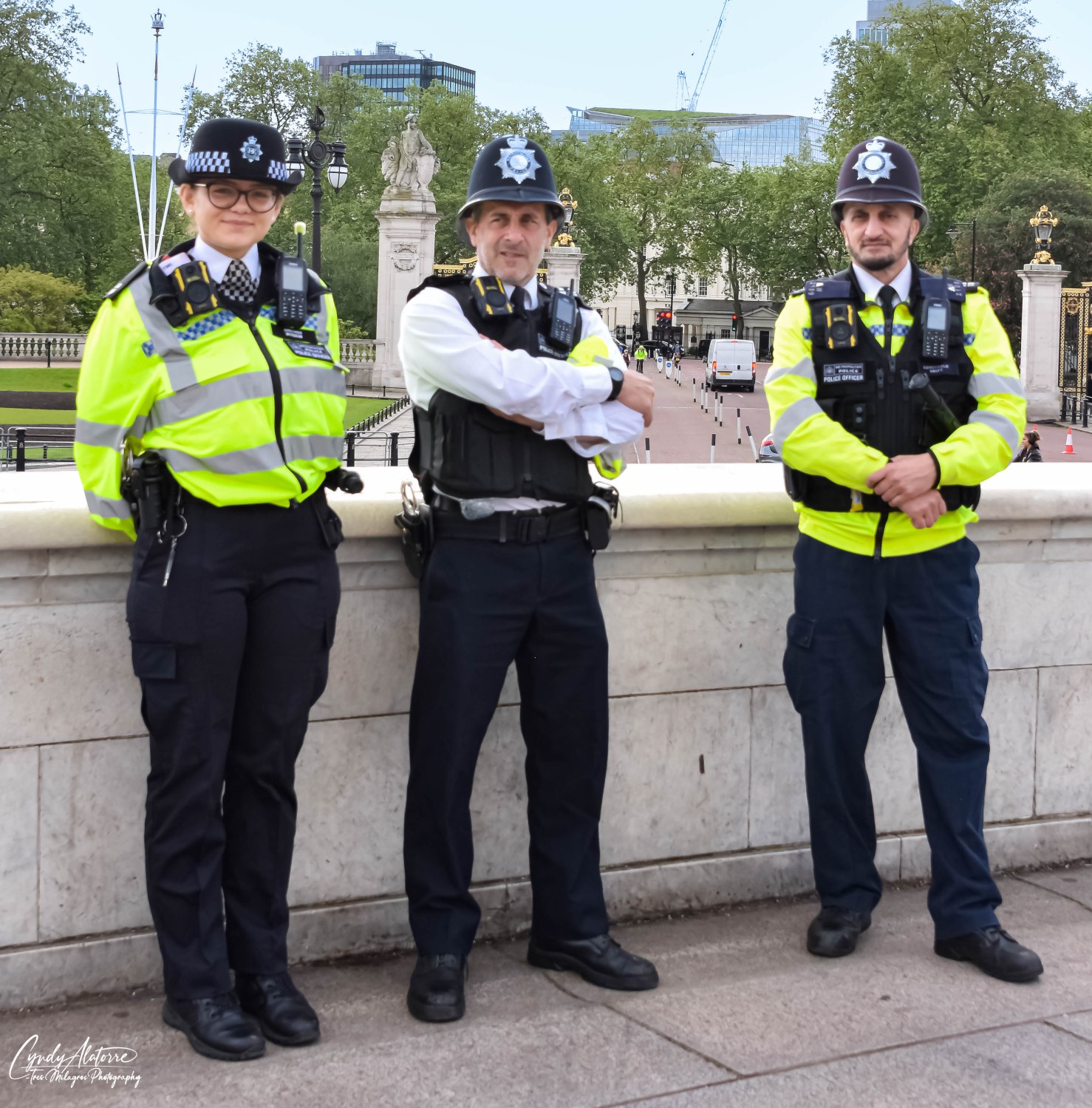
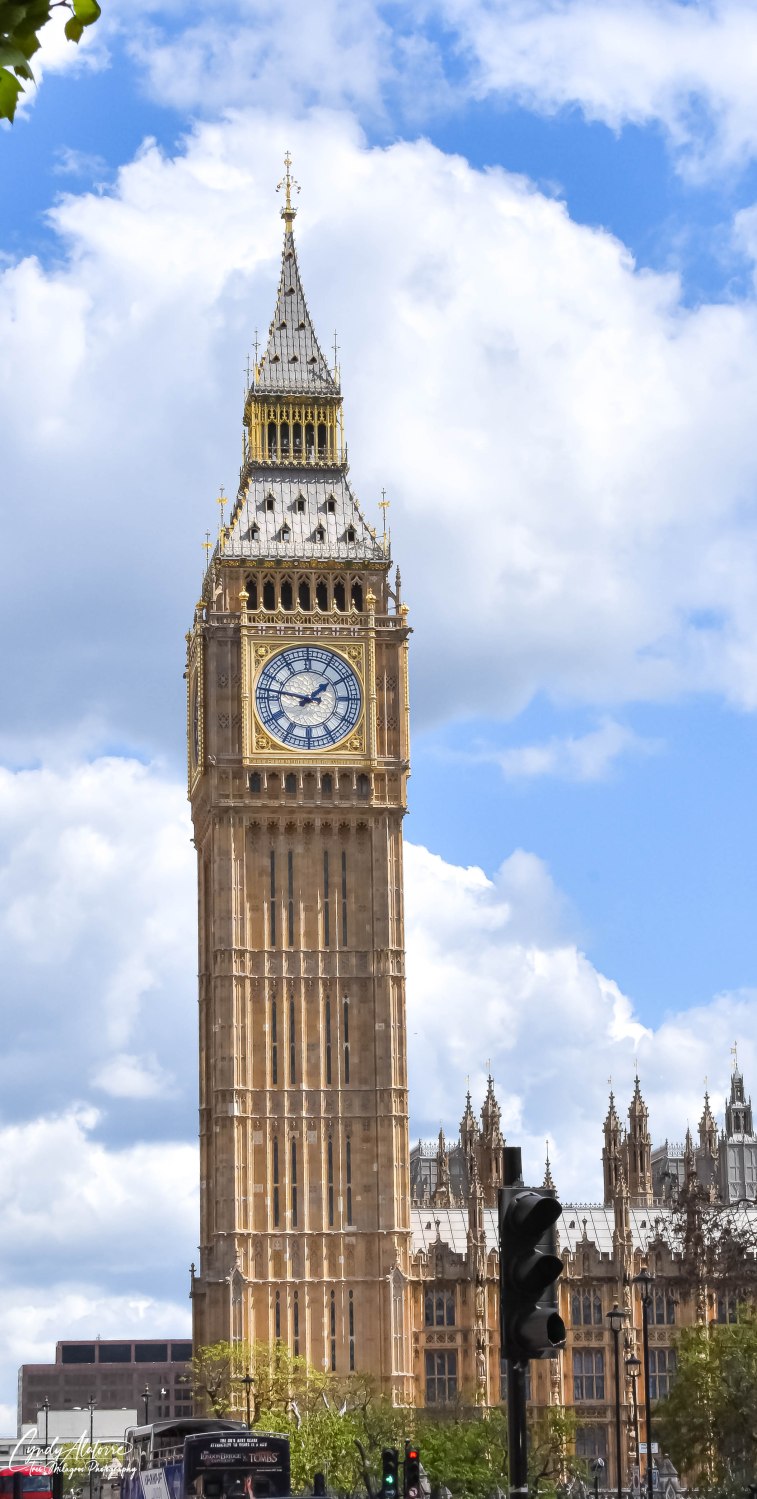
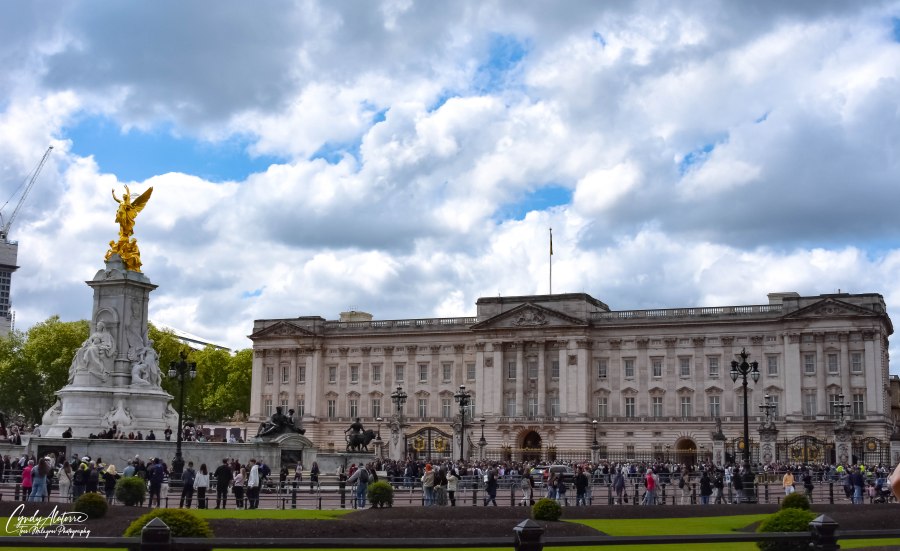
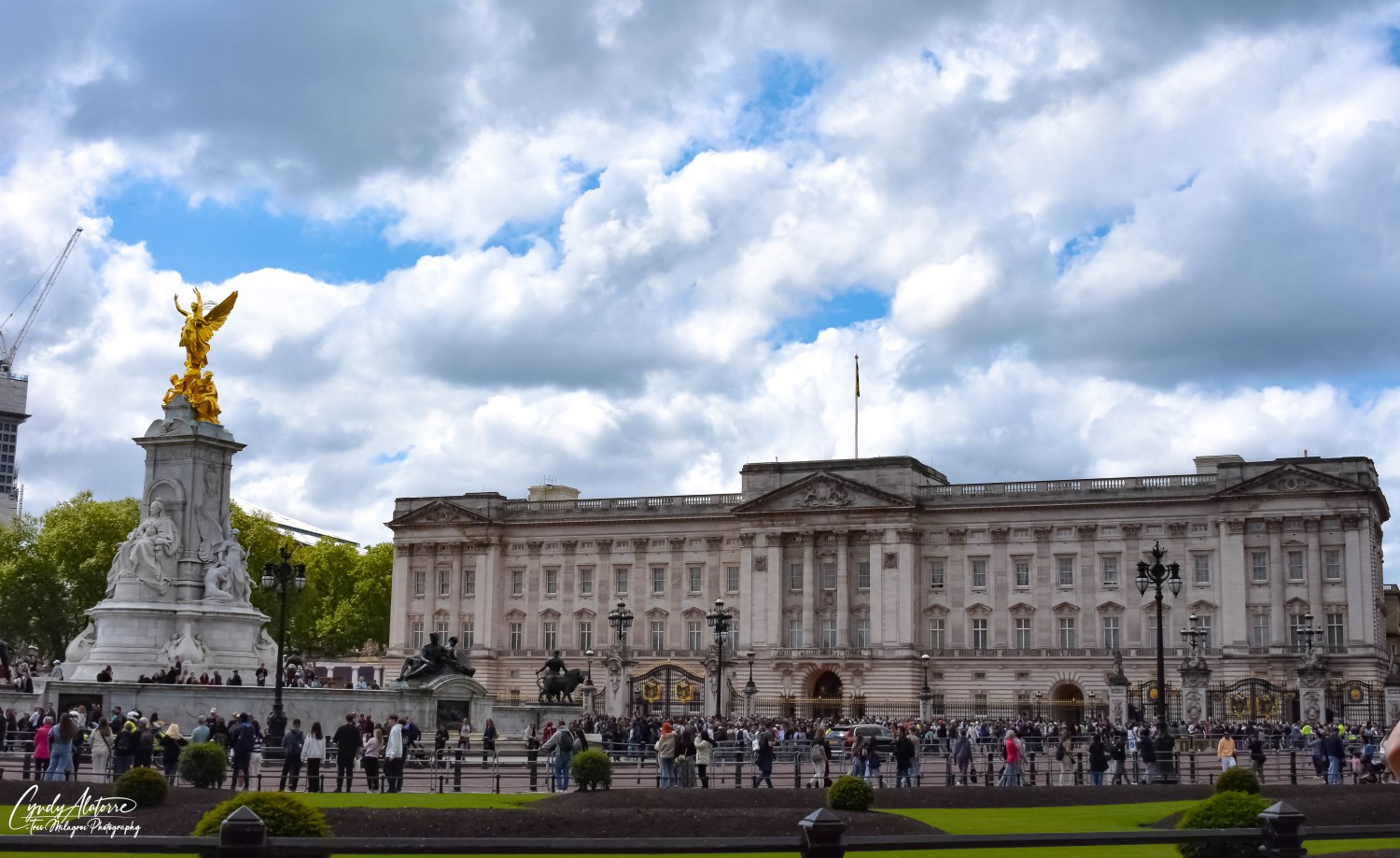
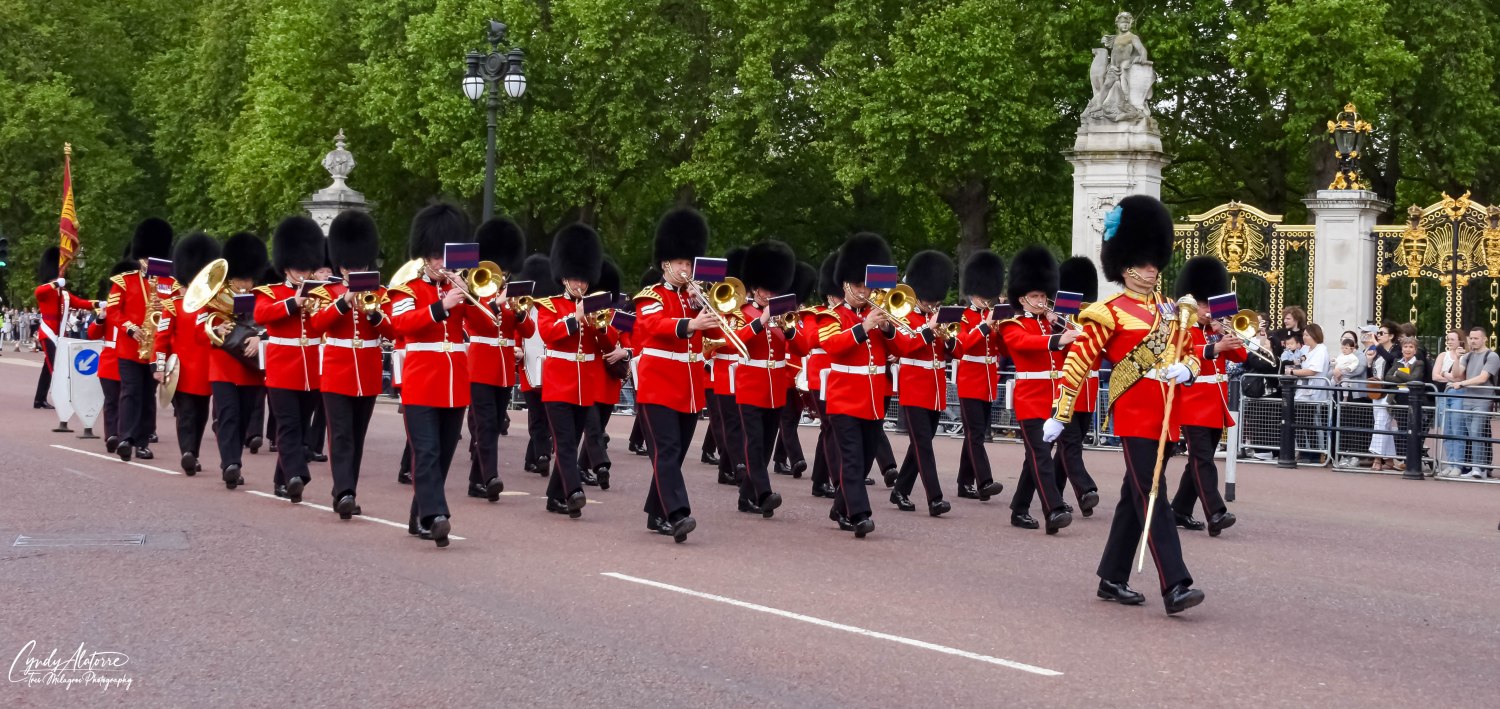
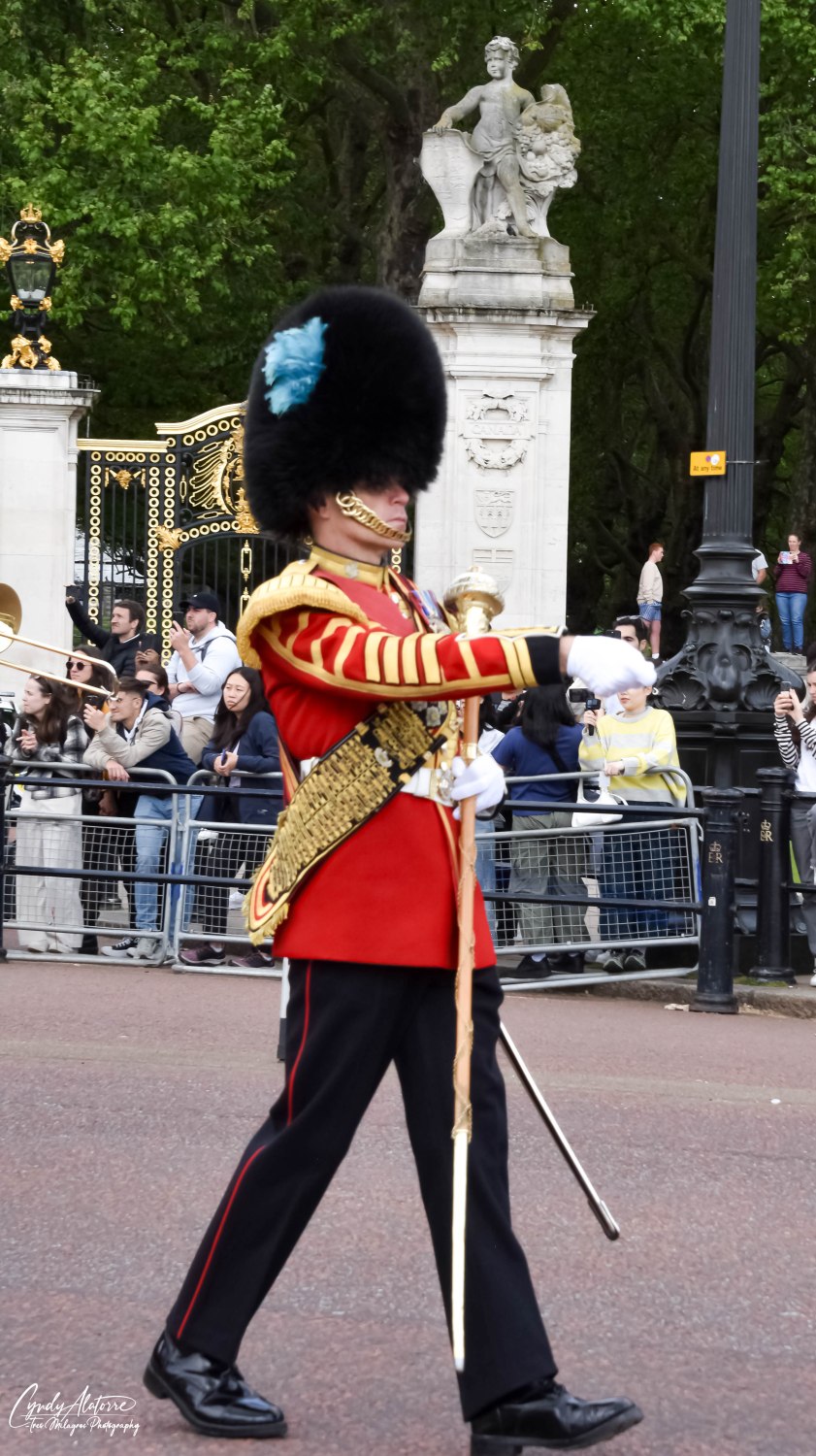
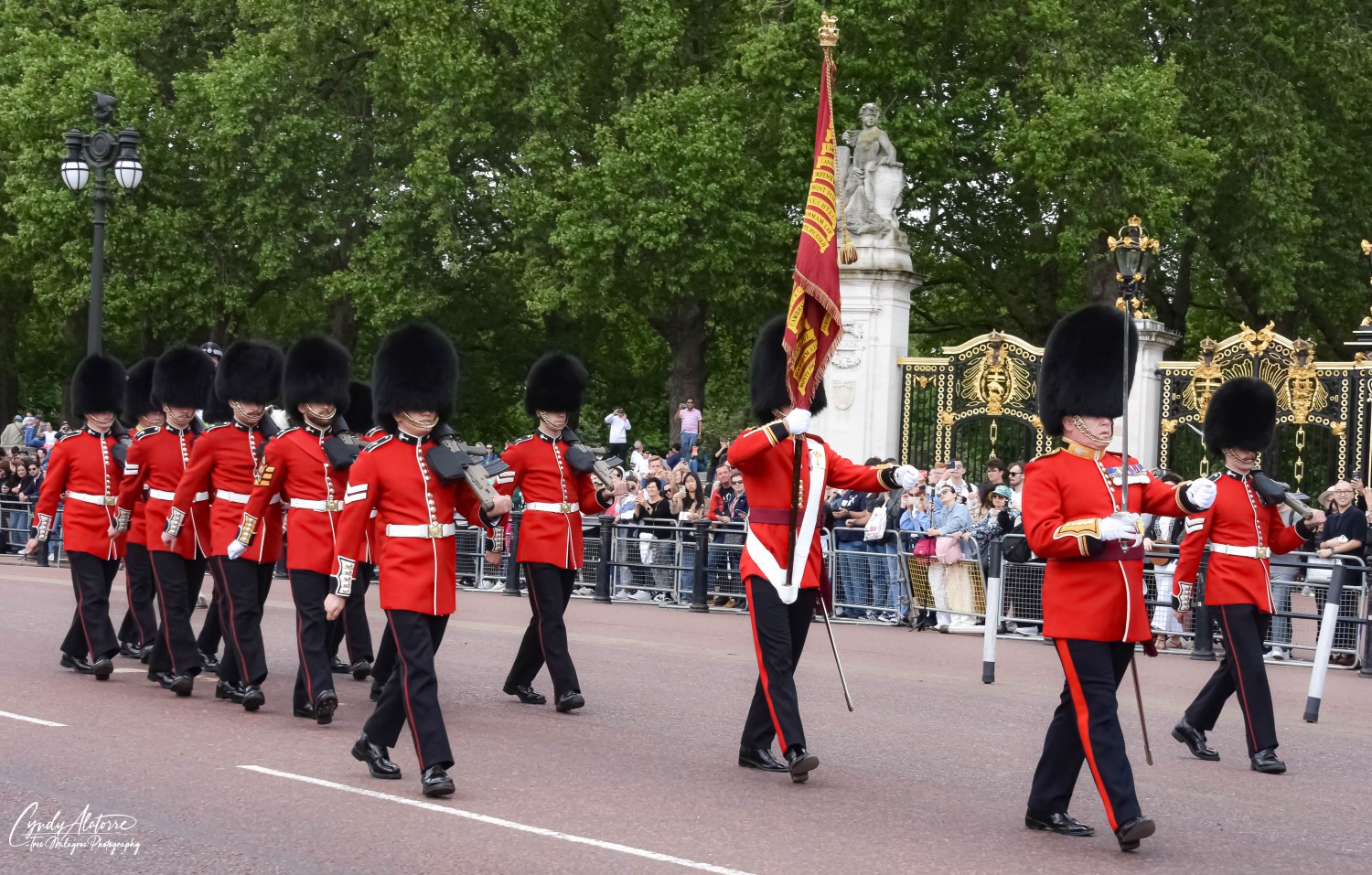
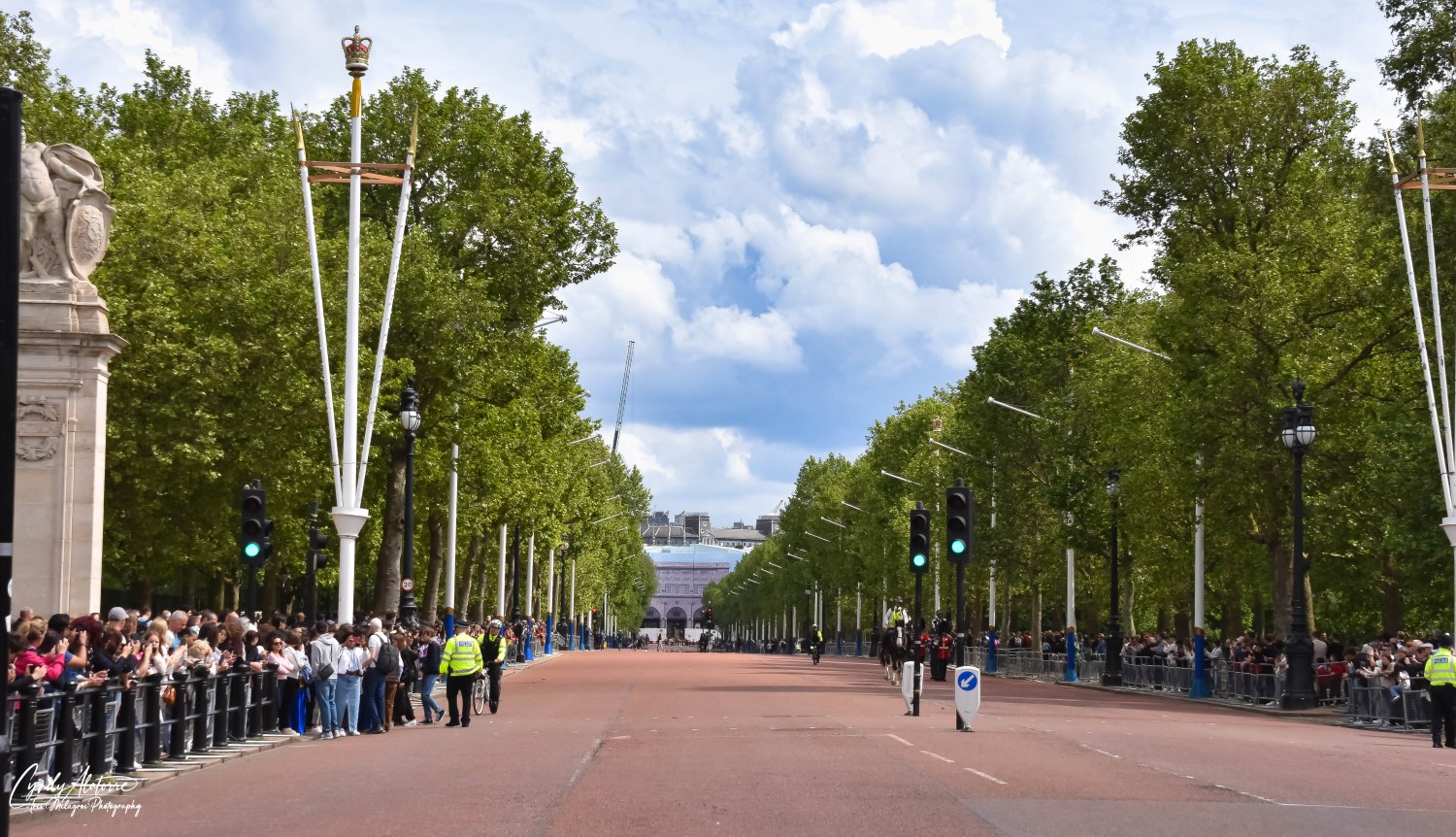
First off, London has some of the most beautiful parks. The Royal Park system encompasses ten parks throughout the city which covers a total of over 5,000 acres. These historic parklands are just amazing and provide beautiful green landscapes throughout the city, but I’ll touch on that more in depth in my next post.  With a list of things to see and do, it seemed like a good idea to start off with a visit to Buckingham Palace for the changing of the guard

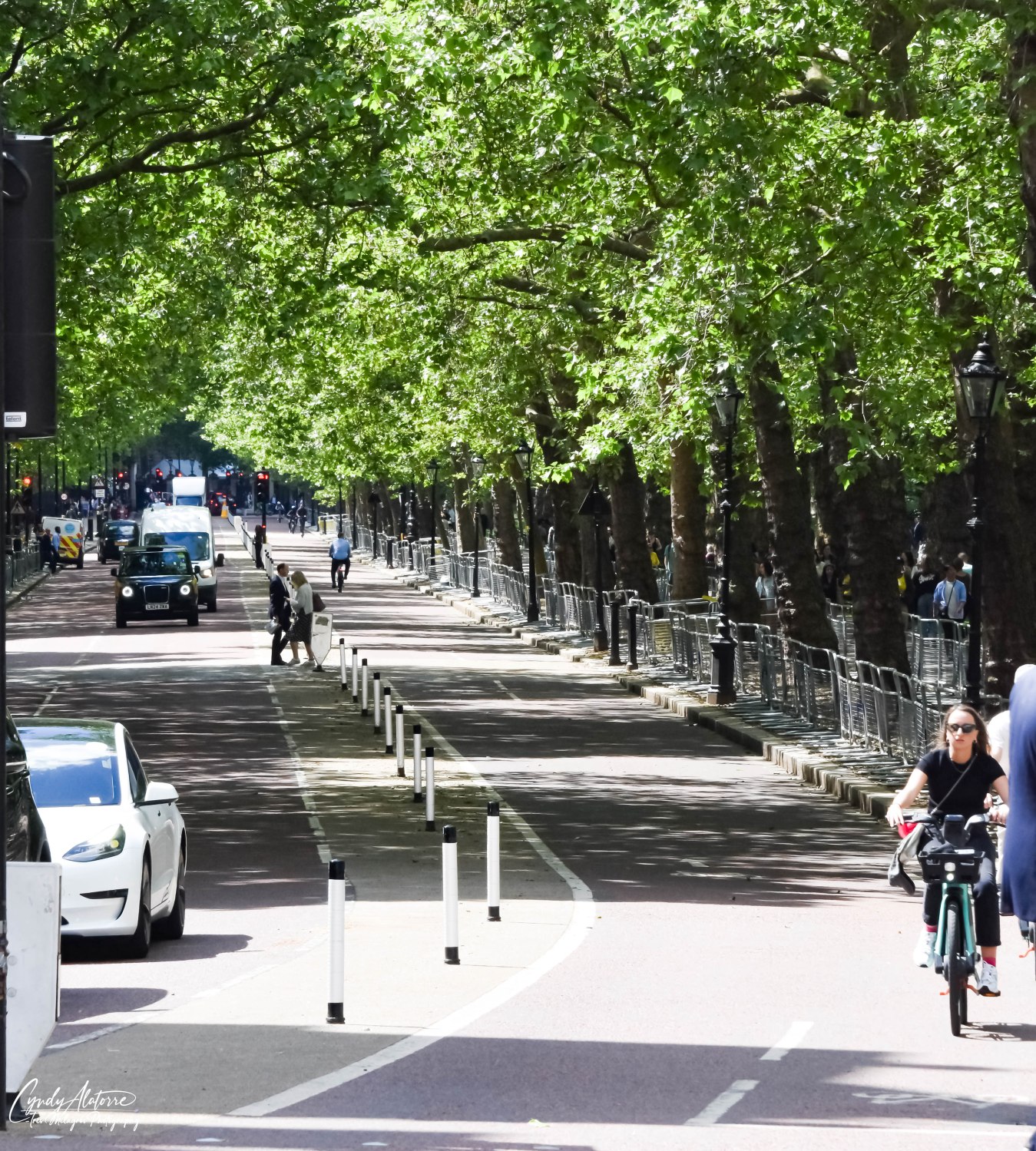
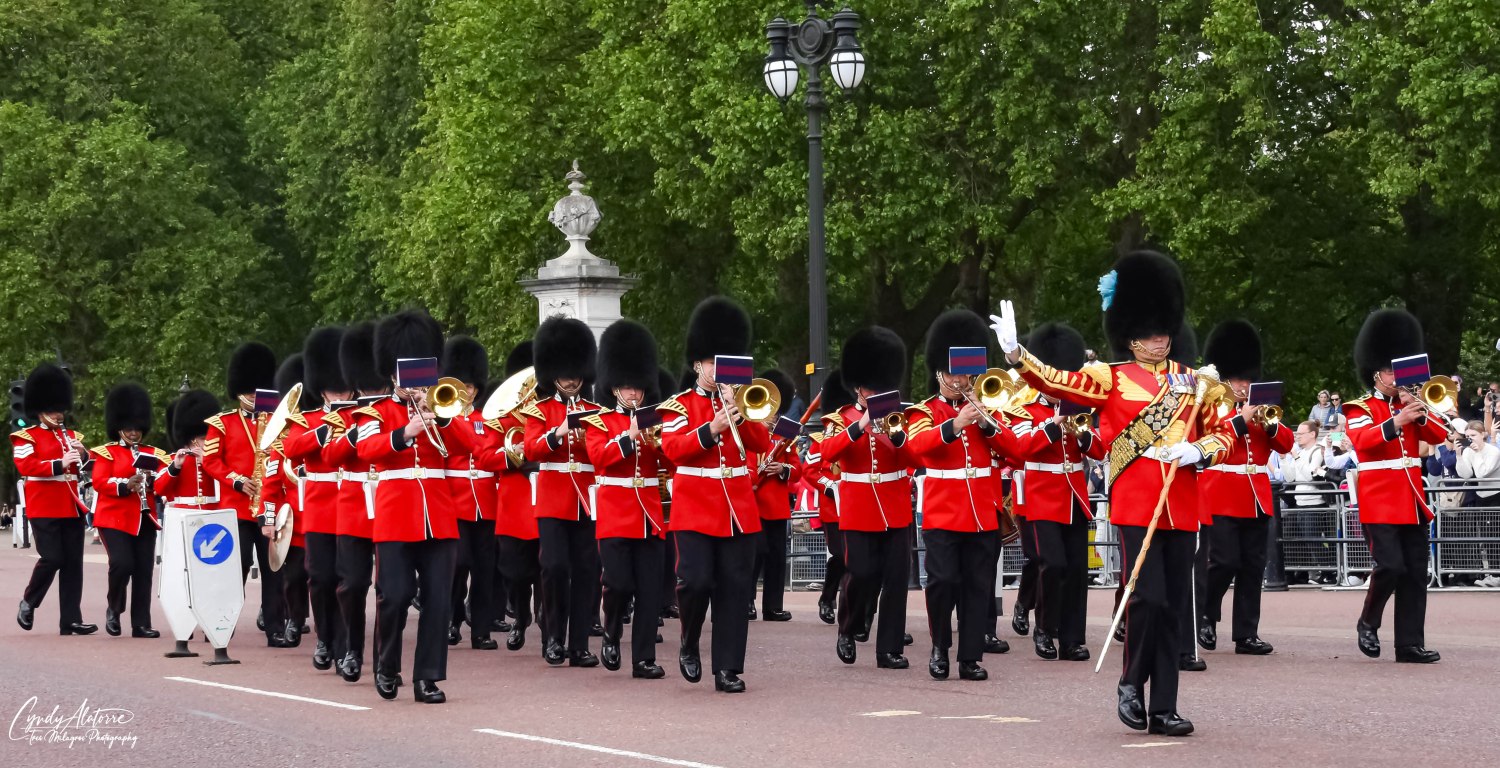
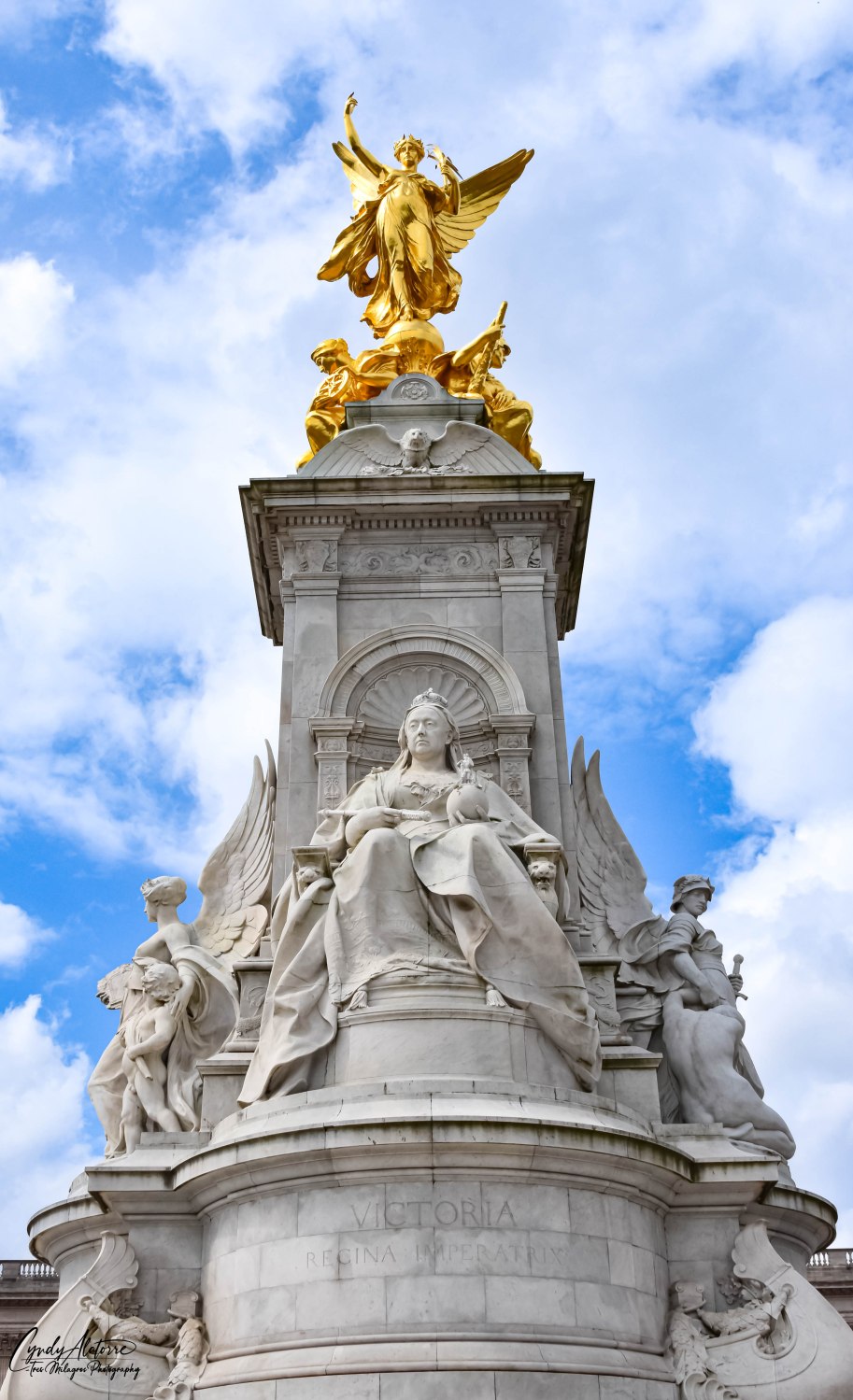
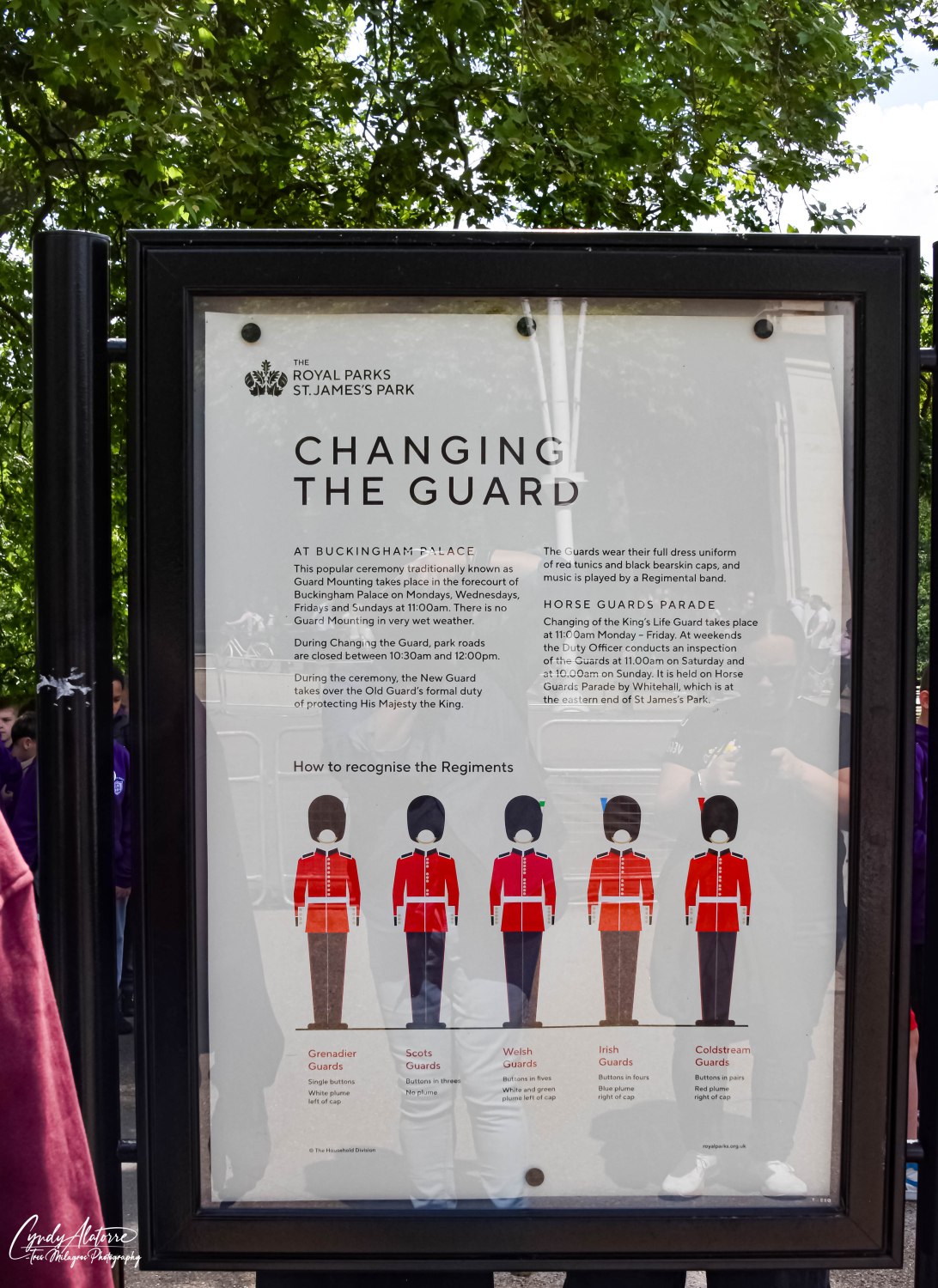
 This traditional ceremony dates back to the reign of King Henry VII and has been performed at the palace since Queen Victoria began her residence there in 1837.  The exchange occurs behind the gates of the palace and the Royal Air Force and Queen’s Guardsmen bands performed for the crowd after the exchange took place. Once they completed their setlist, their procession took them along The Mall,which is the primary ceremonial road located in front of the palace. Watching the Royal Air Force march in their attractive uniforms as well as seeing the Queen’s Guardsmen in their bright red and black uniforms with their large bearskin hats on was a nice showing of their traditional and contemporary military rituals coming together as one.

 And with that, the adventures of El Camino Thru My Lens on the road starts.  Below are some photos of this event and I’ll be posting more very soon to keep you posted and bring you along with me. If you have a minute, please subscribe to the blog site and stay up to date. You will get an email notifying you whenever I post a blog and you can follow and see where my lens will take me. 

 Glad you are coming along on this adventure and look forward to sharing some more photos and observations with you. And as always, feel free to comment and or let me know if you have any questions or thoughts. 

So until next time, be well and we’ll see what comes our way via El Camino Thur My lens.

 Cheers!

Featured

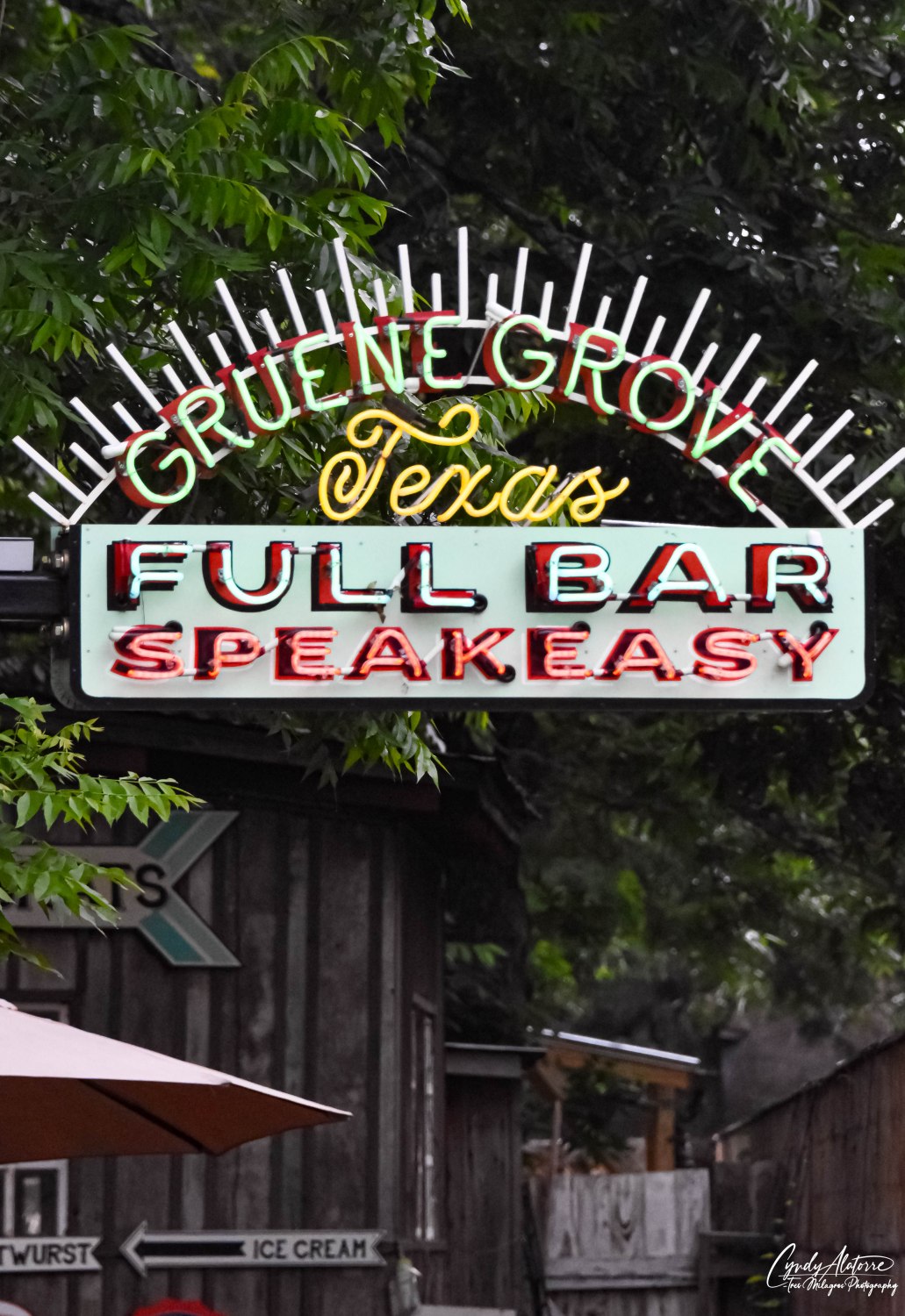
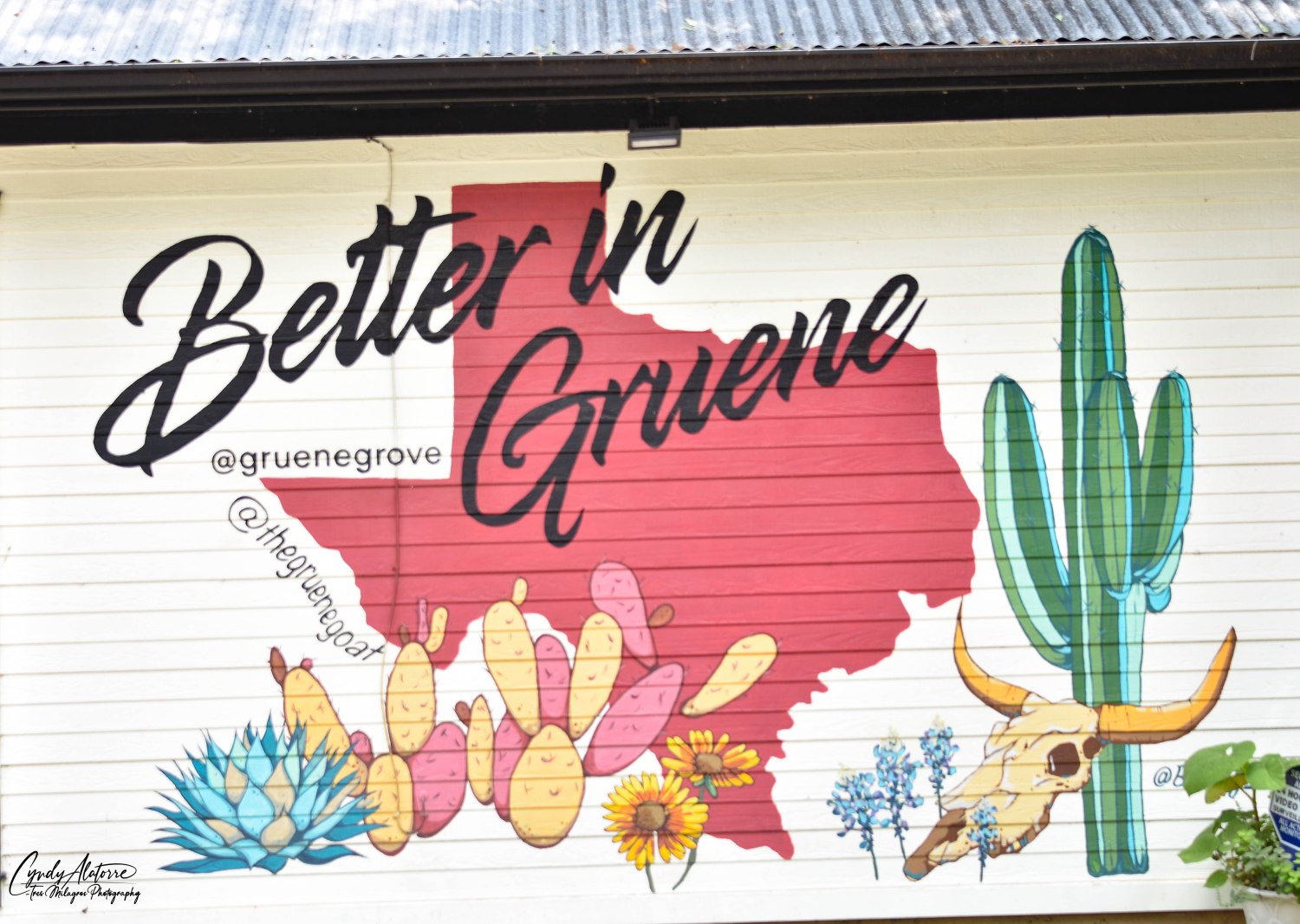
“Welcome to Gruene, Texas!”

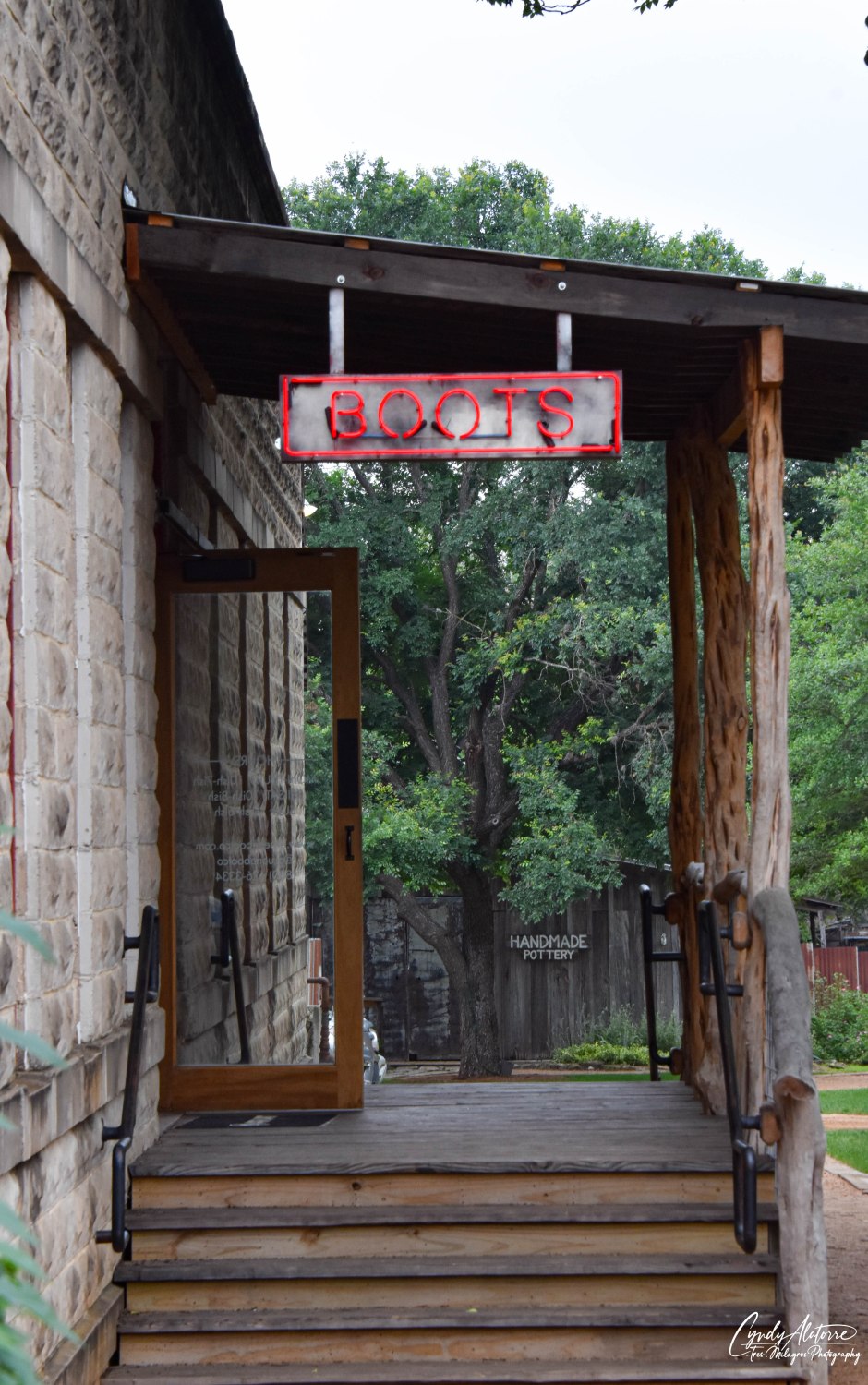
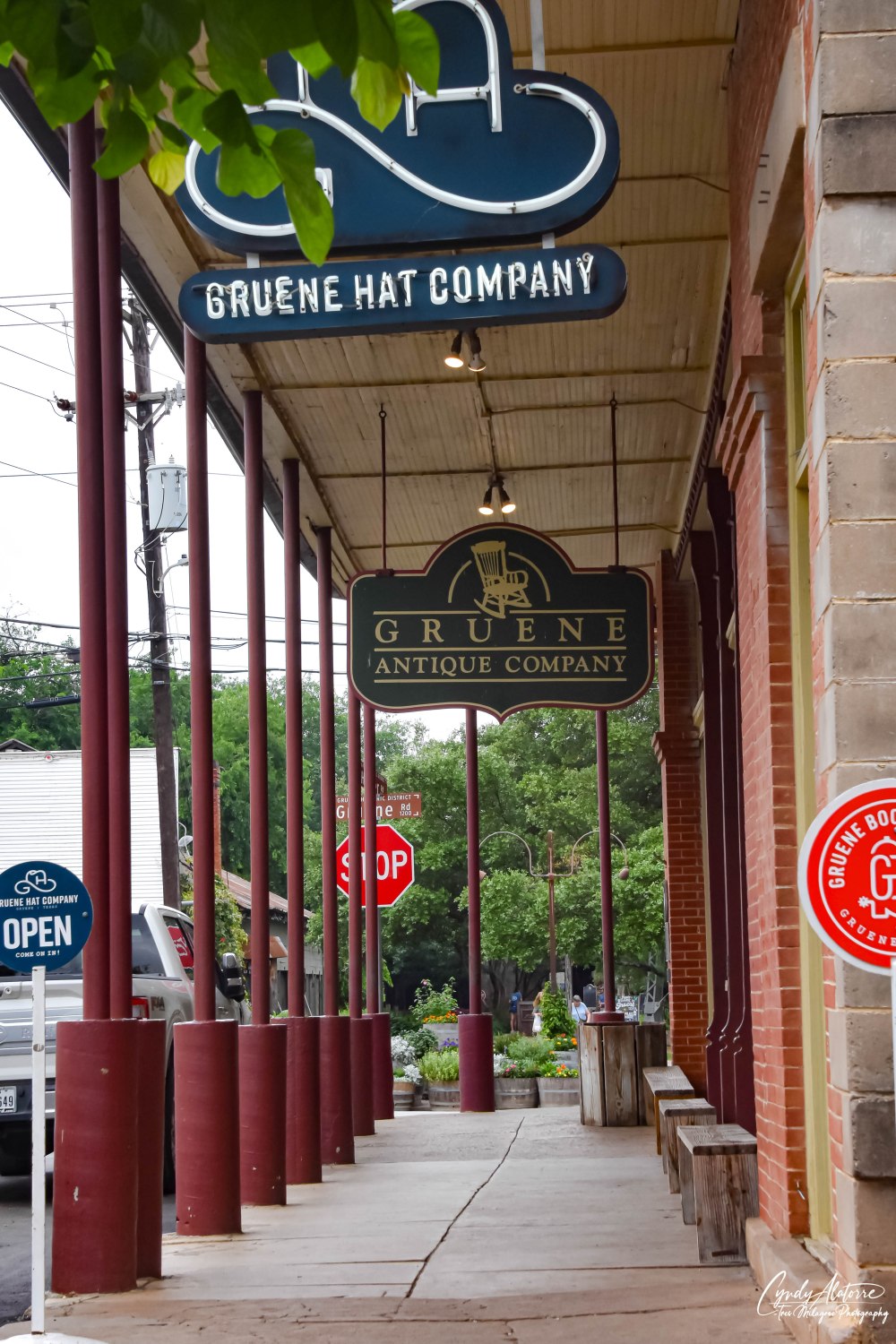
Recently I’ve found myself traveling more often to my home state of Texas and it’s always good to go back and visit. Each trip seems to feed my curiosity to go explore a new town so that I can get a pulse of the area. Gruene is a town that has been on my list so on my last trip I had some extra time and off we went! 

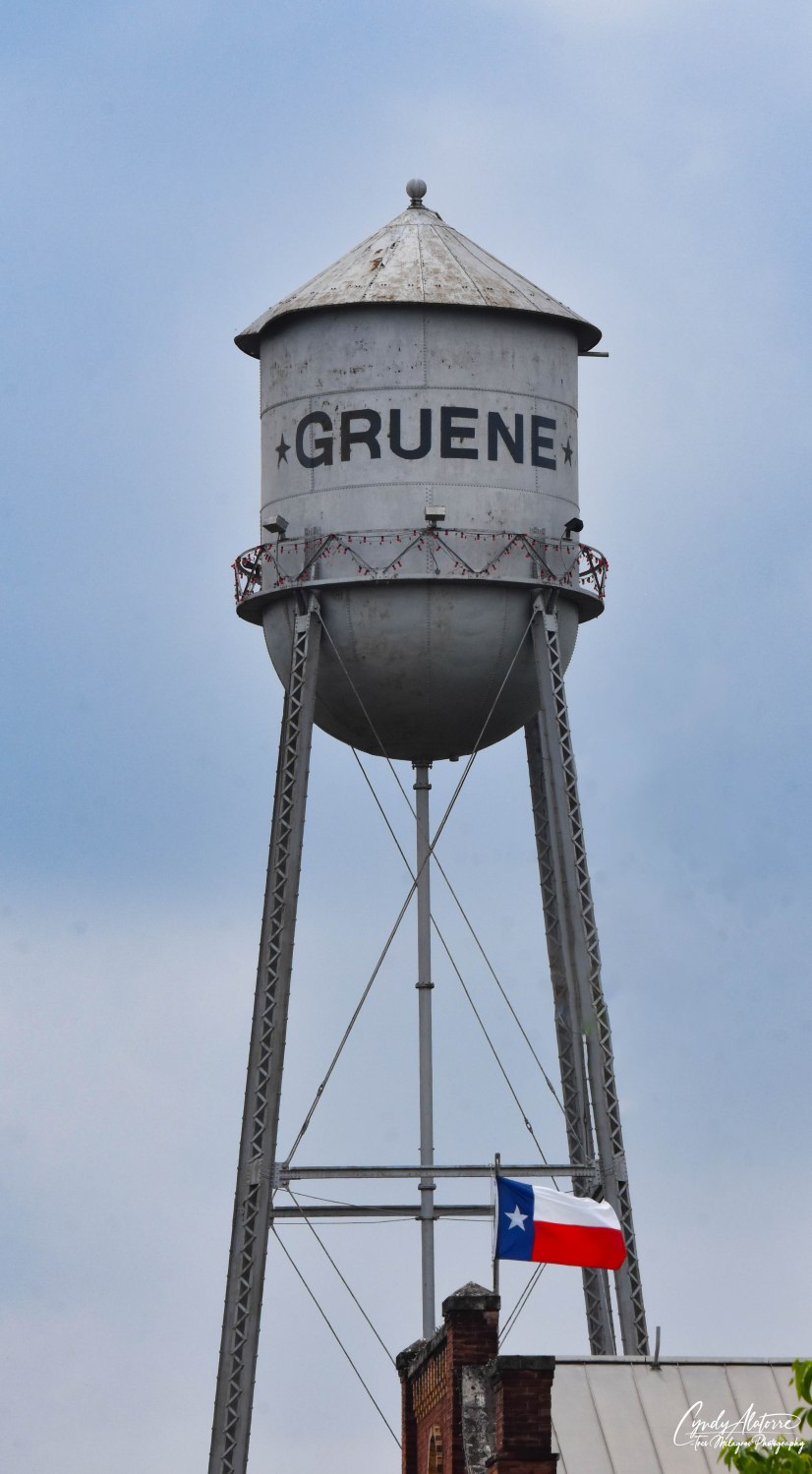
Located just North of San Antonio, near New Braunfels, this small and welcoming town was a great find. Now before I go on, I have to admit that it took me a minute and a few guesses to get the correct pronunciation of Gruene, which for the record sounds like the color “Green”.  There are a few more cities and counties around San Antonio who’s name are also of German origin and spelling, but pronounced differently than they are spelled but that’s another blog for another time. 

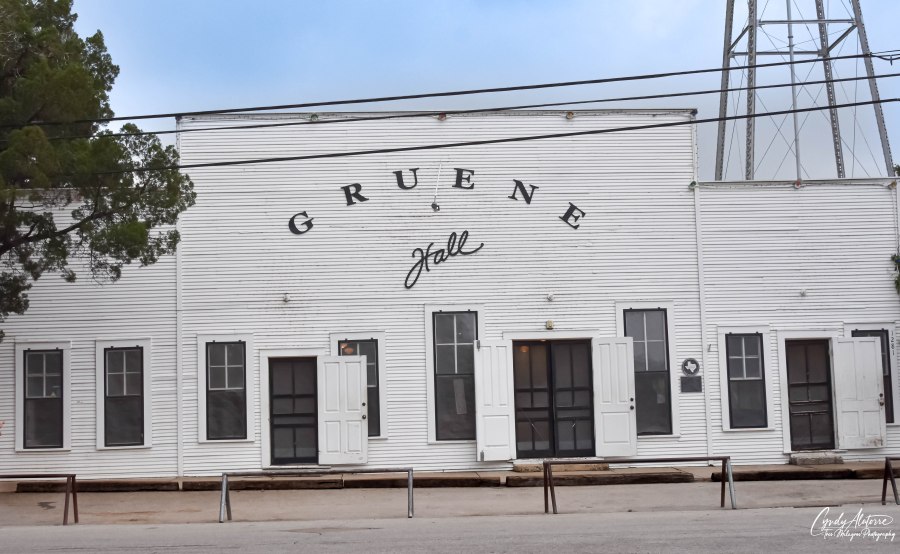
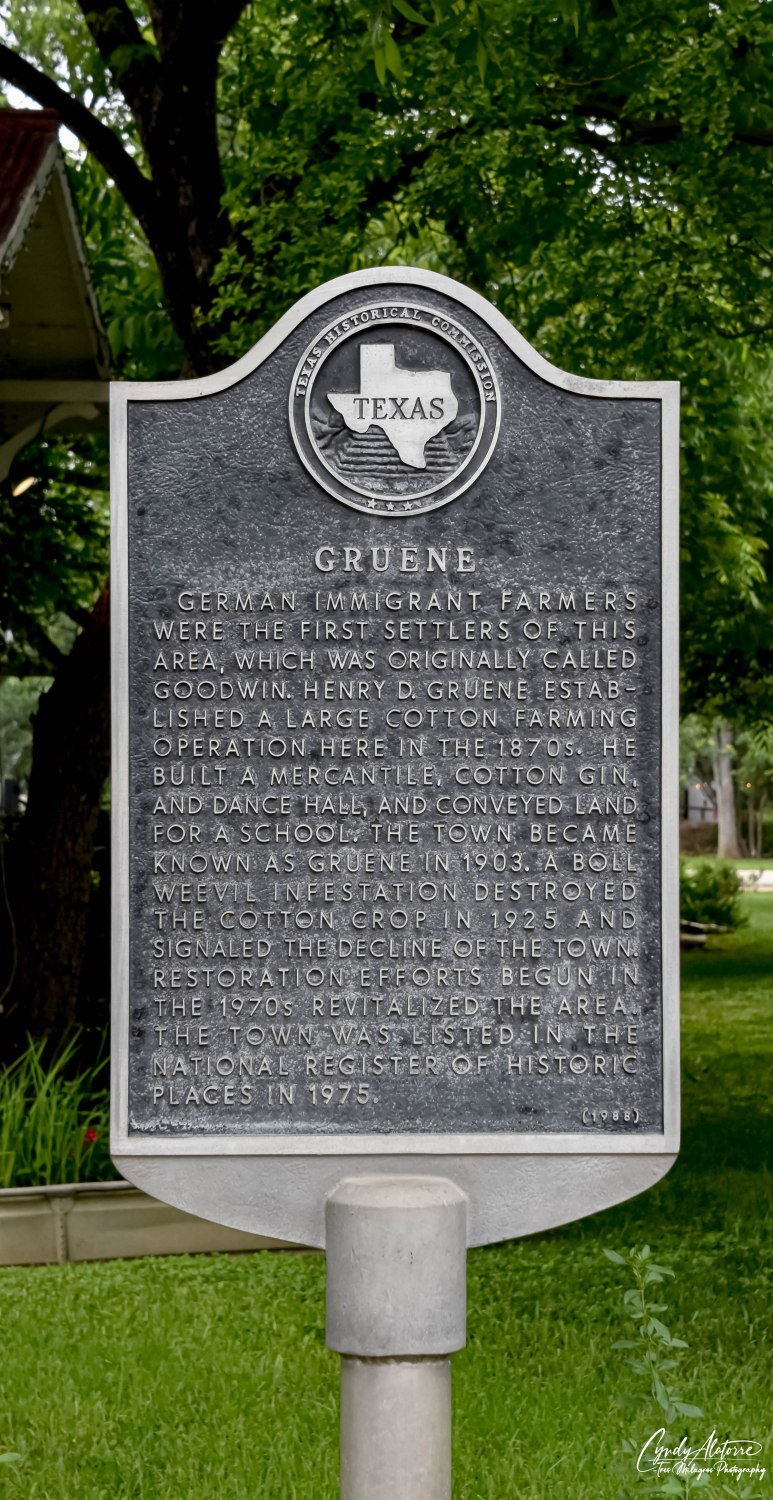
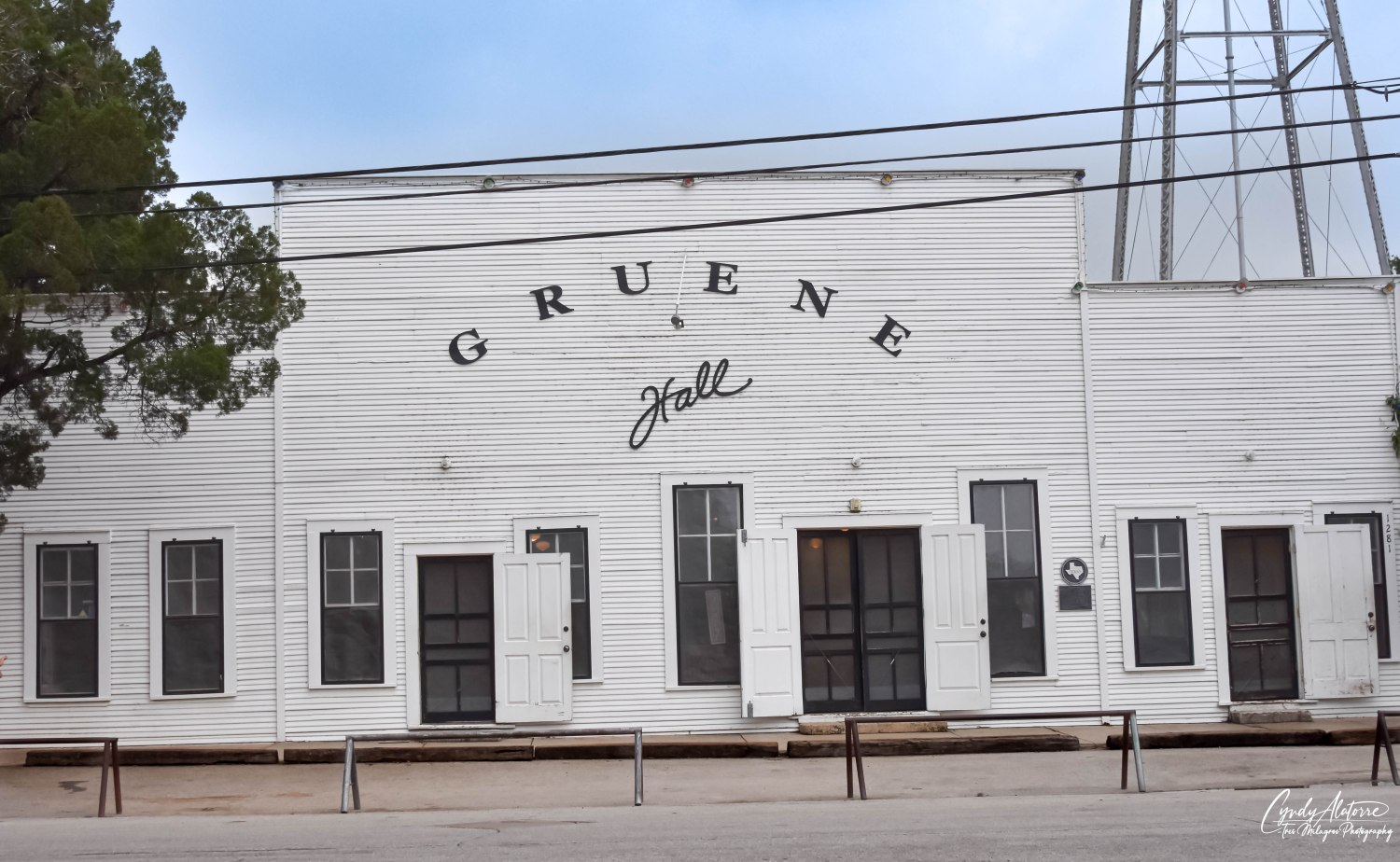
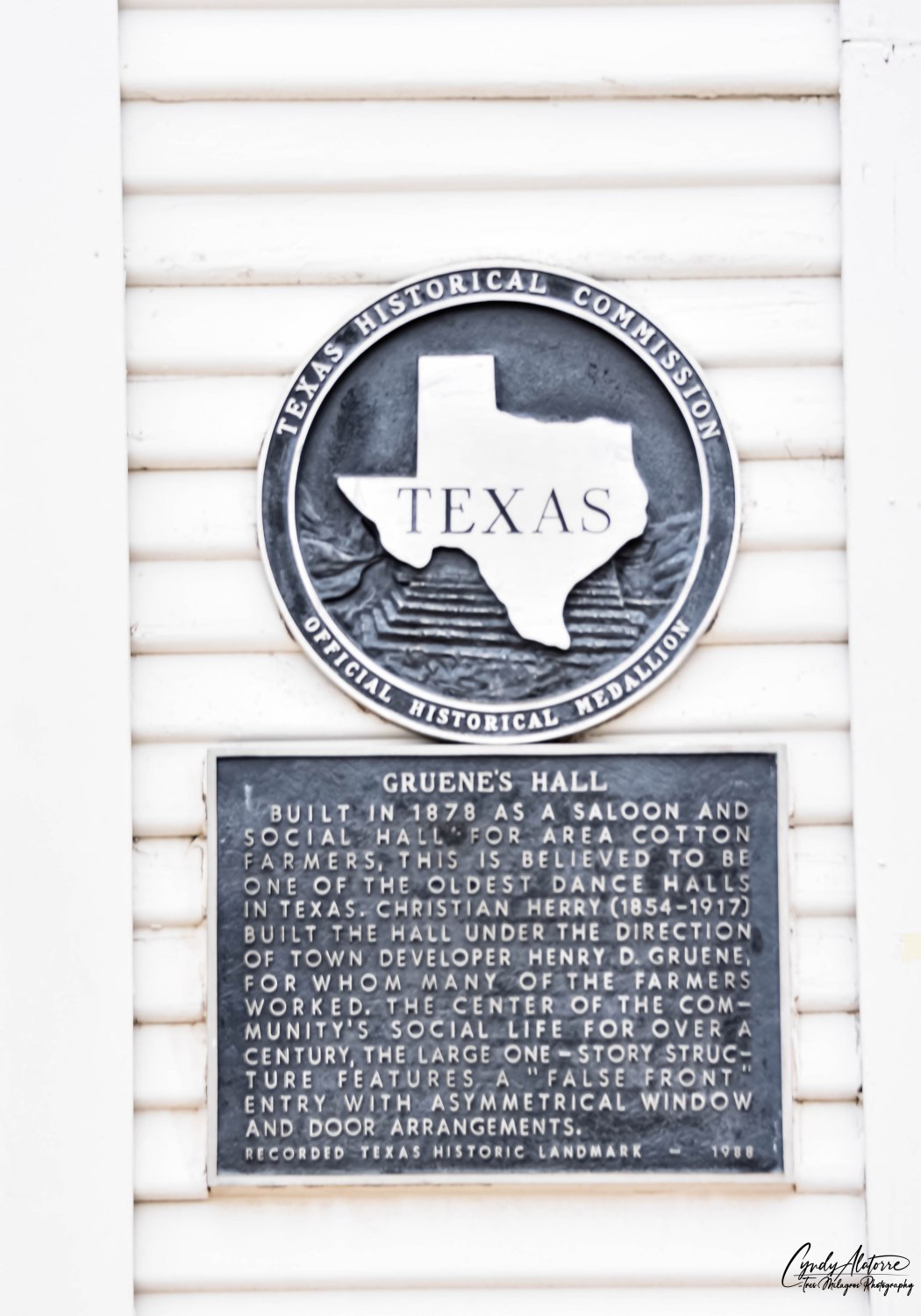
Following a two lane road and guided by the trees and banks of the Guadalupe River, you are directed into Gruene. Founded in 1878 by Henry D. Gurene, the town has gone through its fair share of good and challenging times. The town has stood the test of time with historical landmarks, like the Gruene dance hall, that still draws visitors nearly 150 years later.

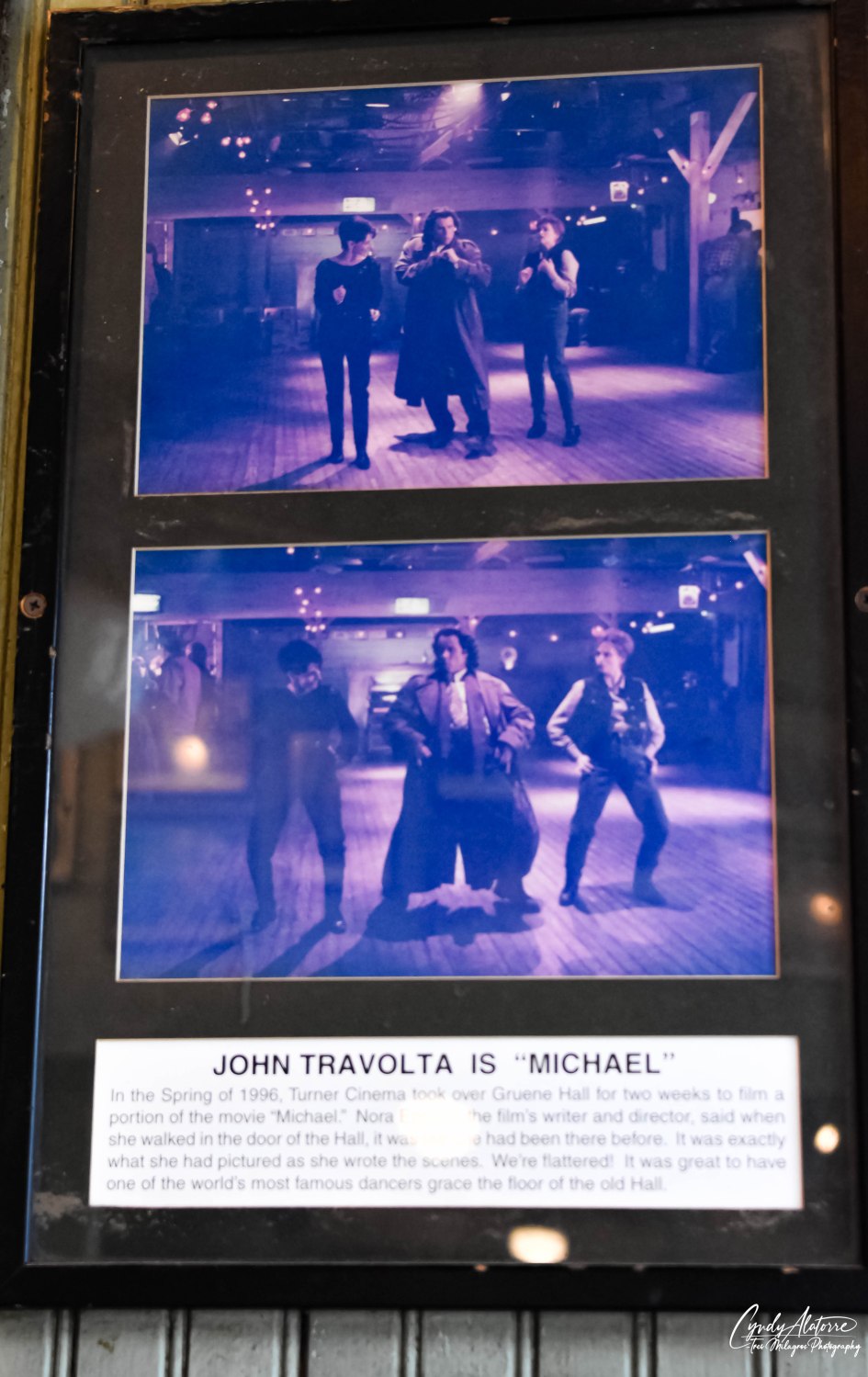
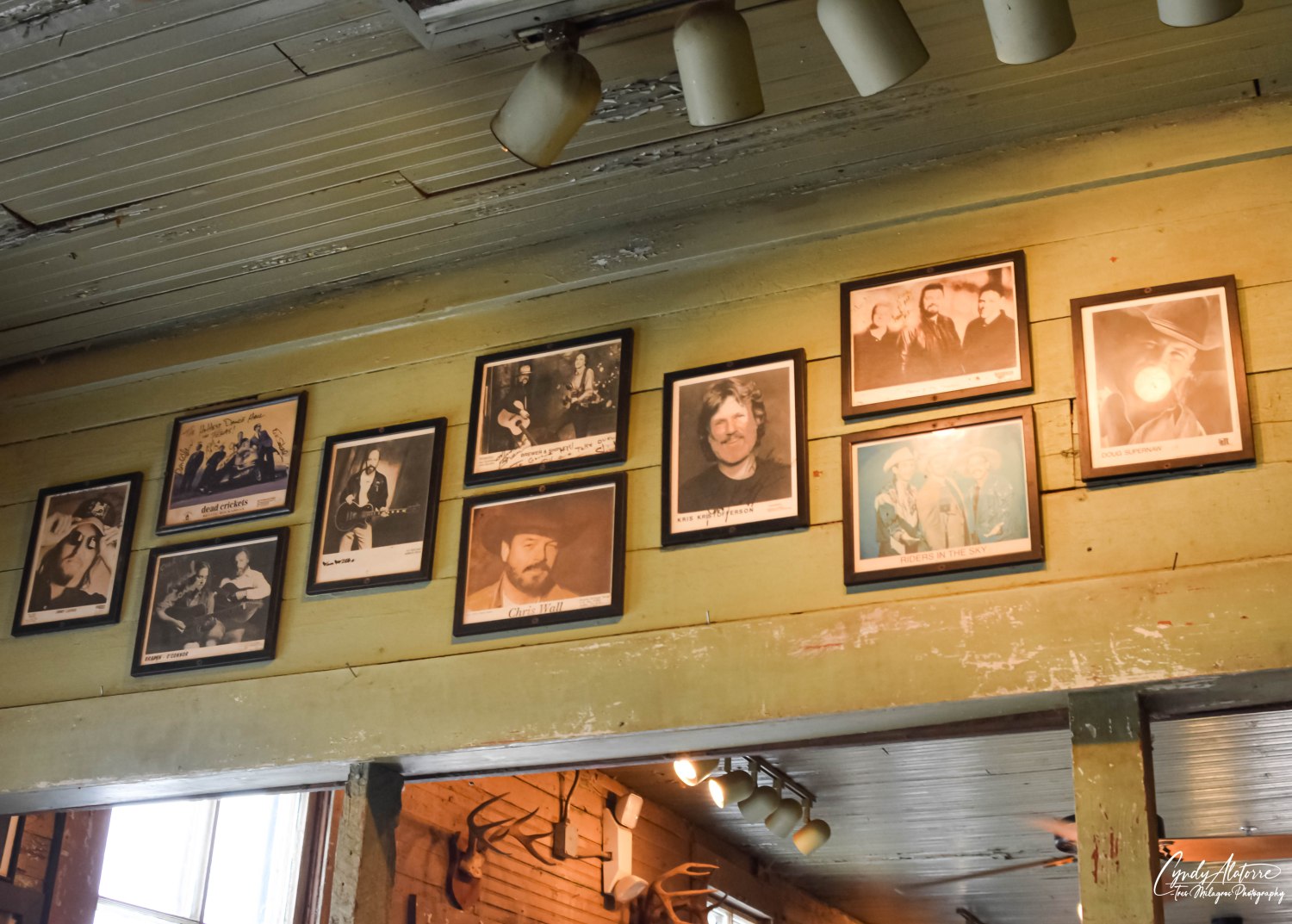
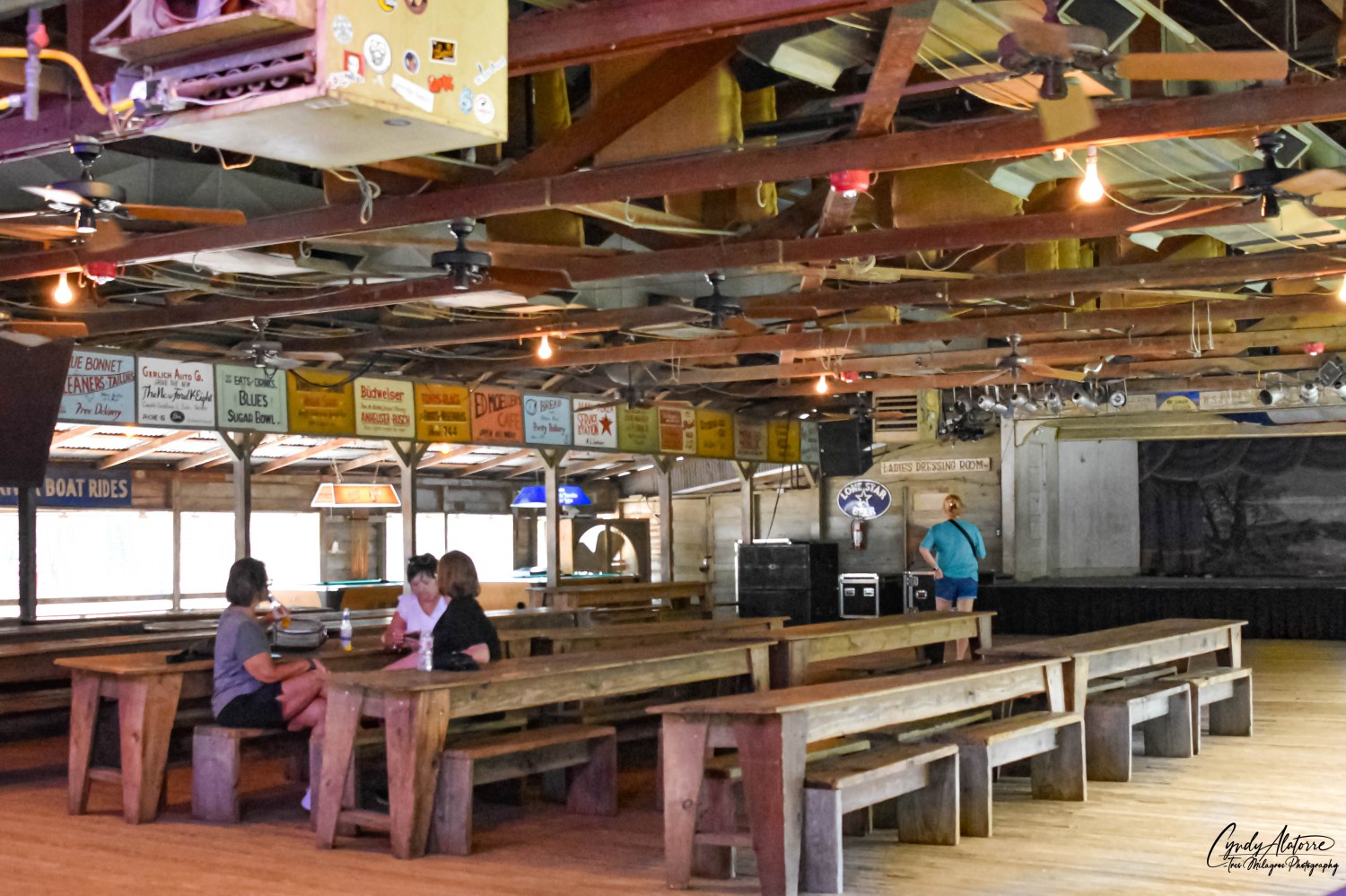
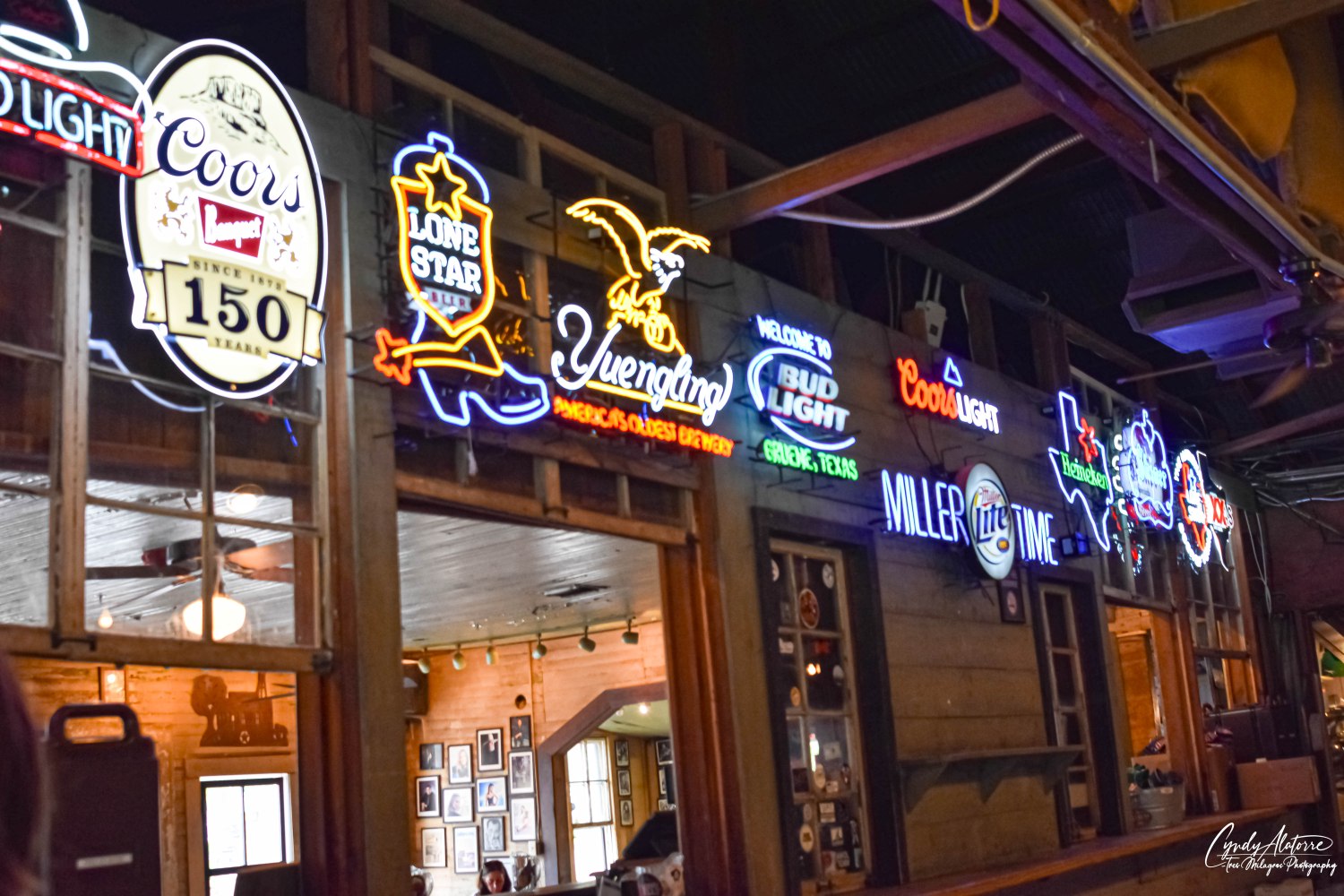
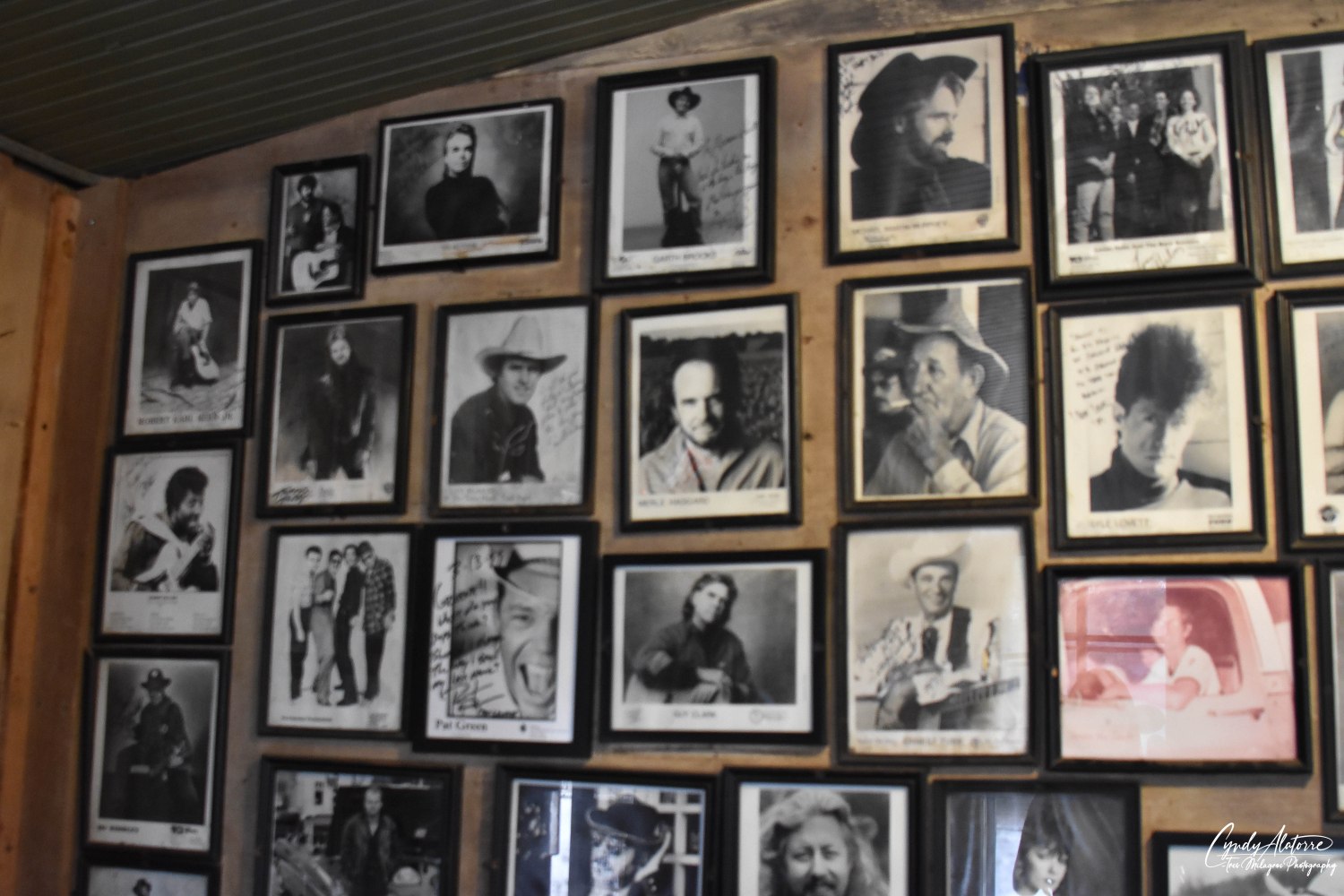
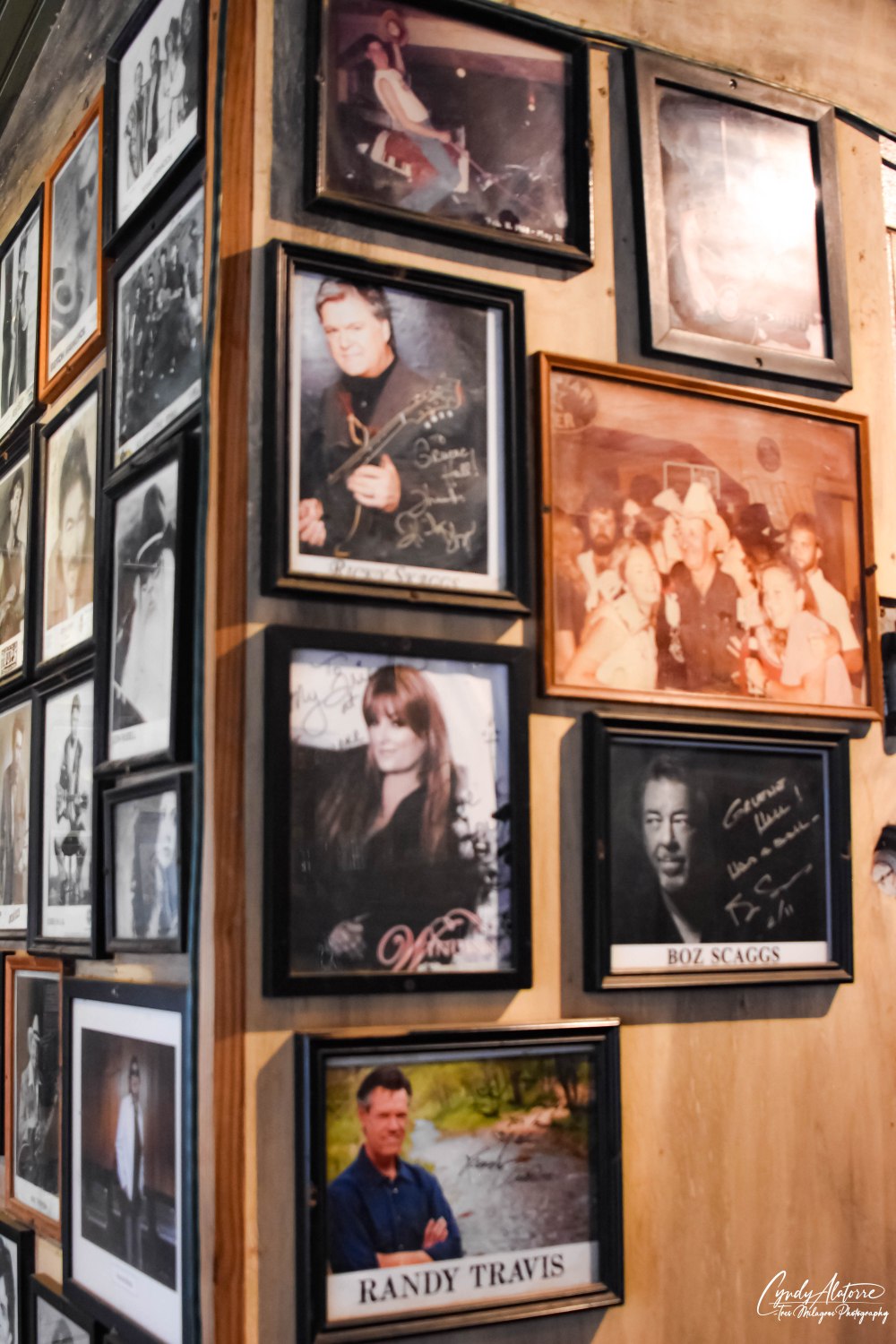
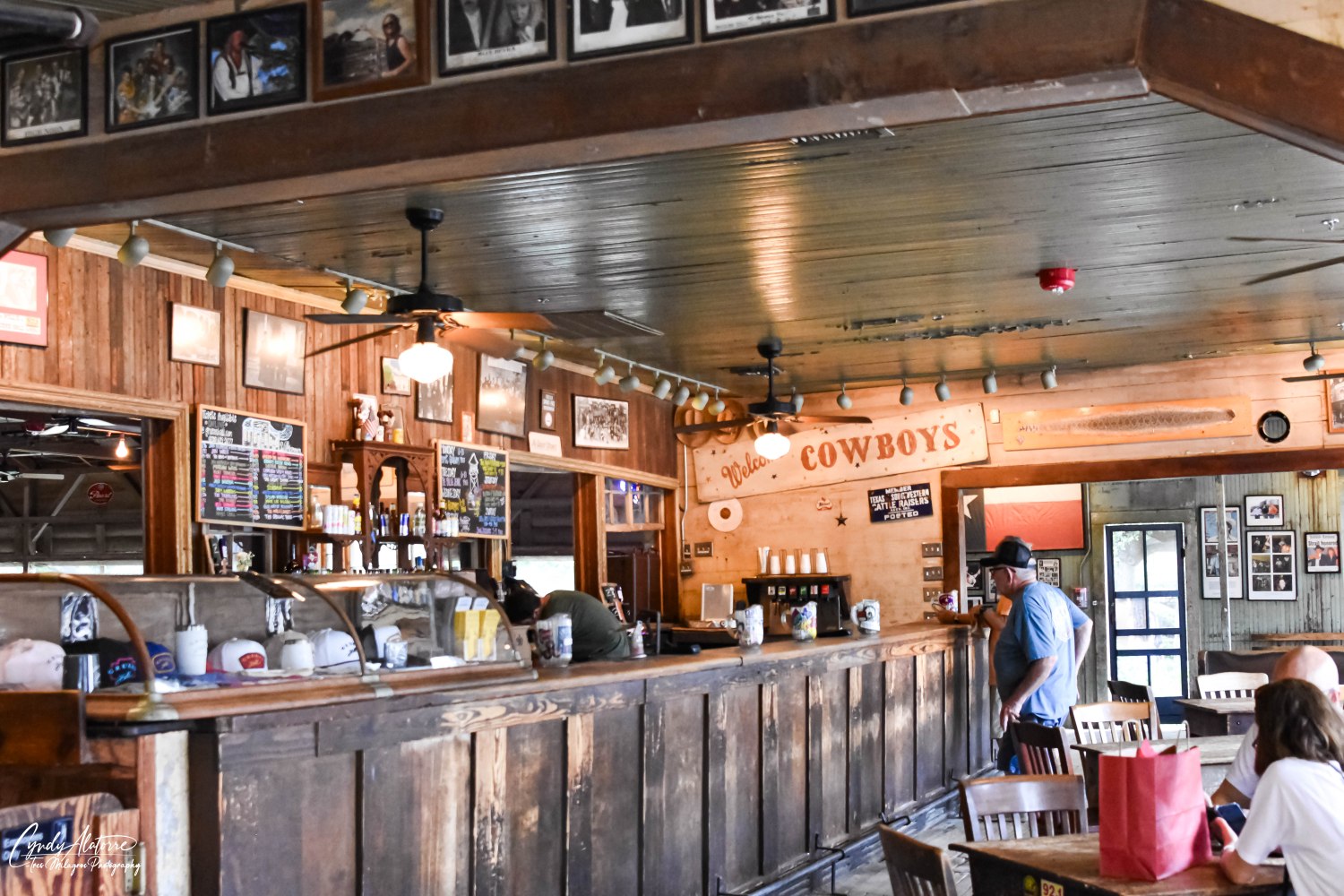
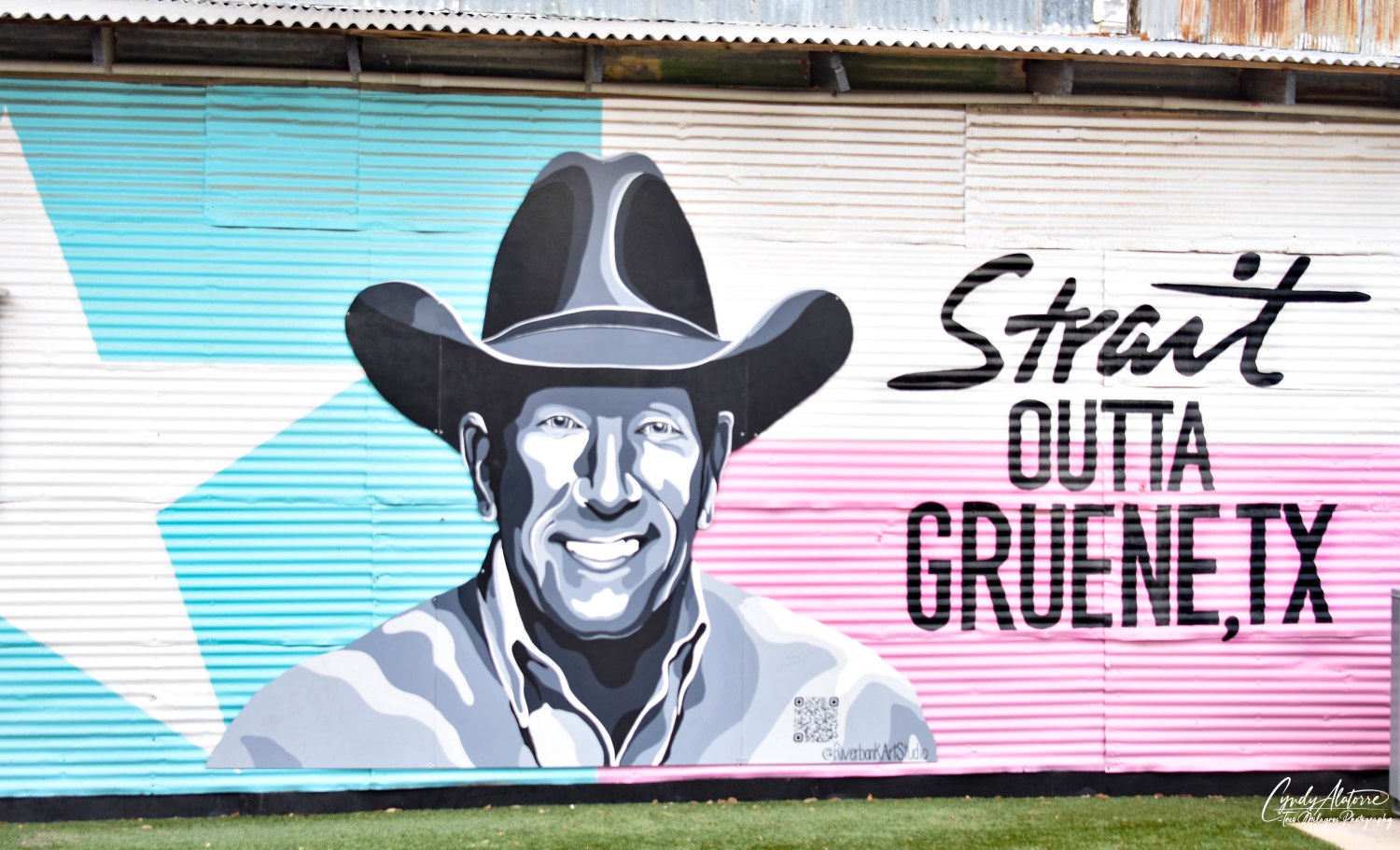
Built in 1878 the Gruene Dance Hall is the oldest operating dance hall to date in the state of Texas. Modest in its design and layout, it has hosted and been visited by many famous artist and was the home base for George Strait before he achieved fame.  Even Hollywood came and sought out The Gruene Dance Hall to film the dance scene John Travolta performed in his movie “Michael”. Entering the hall through its old wood frame screen doors, (like the ones your aunt or grandmother might have had at their home), it sparks a sense of familiarity. The building welcomes you and soon you might find yourself at the bar getting a beer and then gravitating to the wood benches and picnic tables. Screen material line the walls in lieu of glass windows and serves its purpose to keep the hall ventilated on a warm summer day or cool when the dance floor is busy with people two stepping and twirling on the dance floor.   

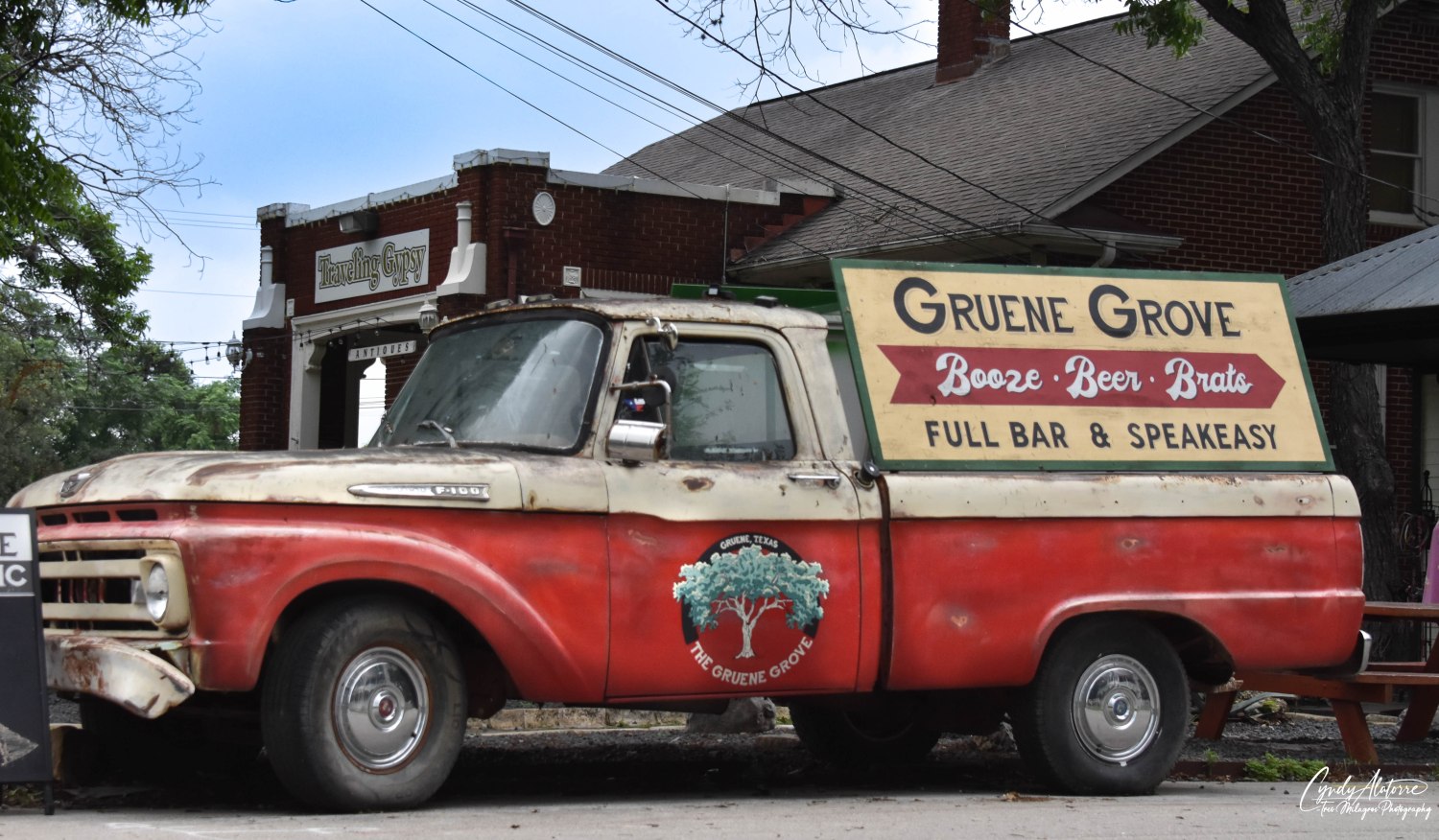
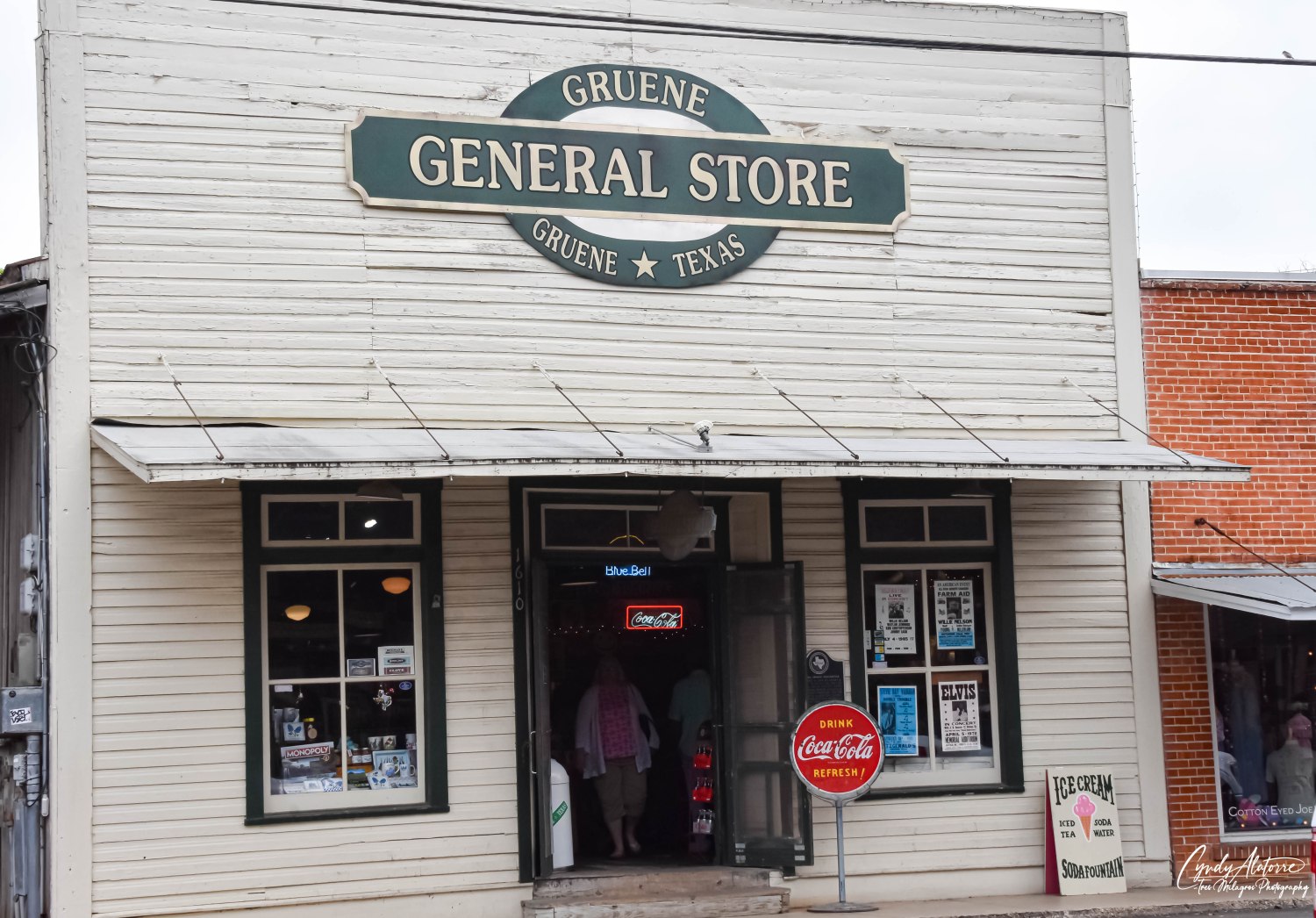
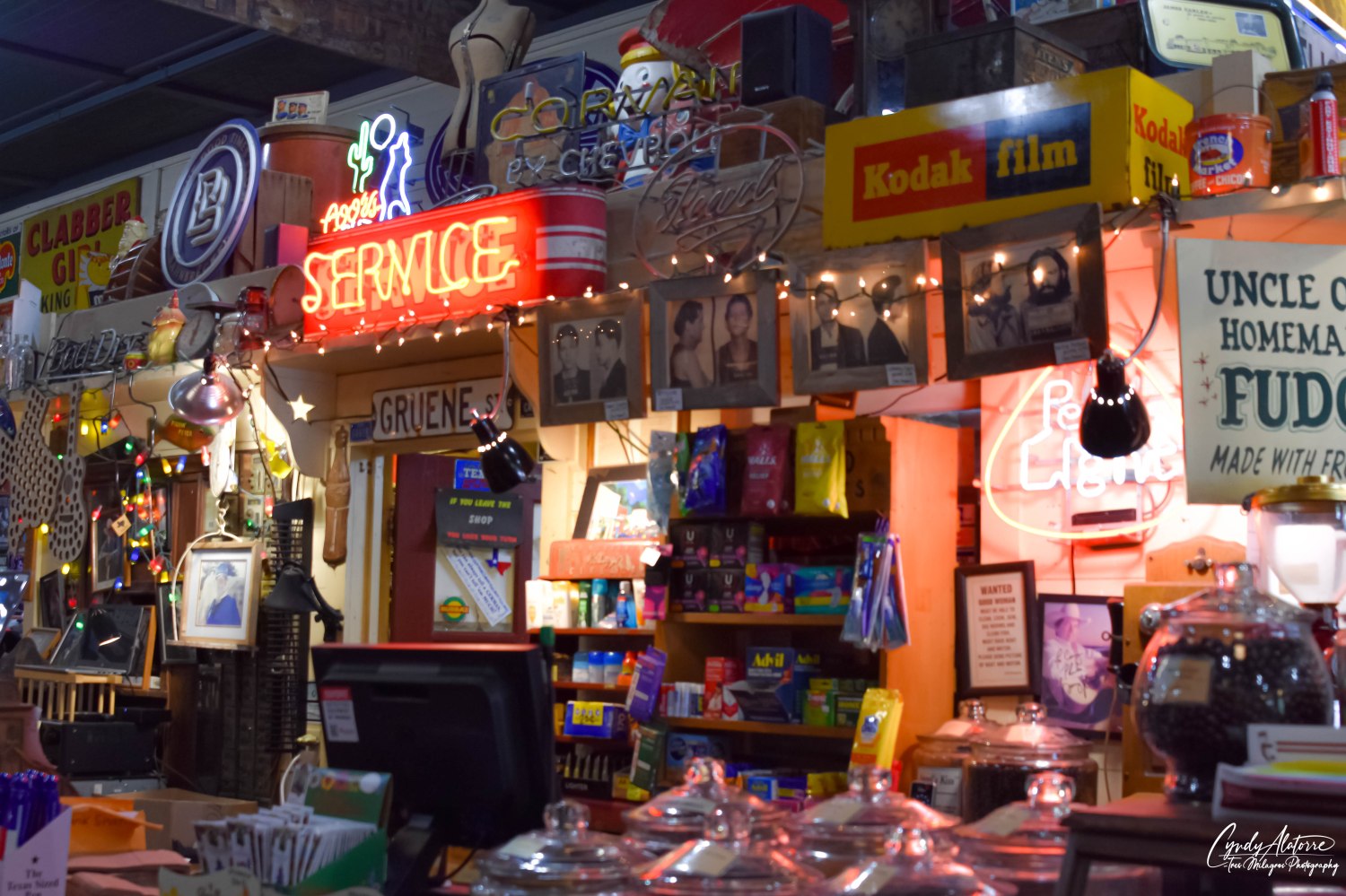
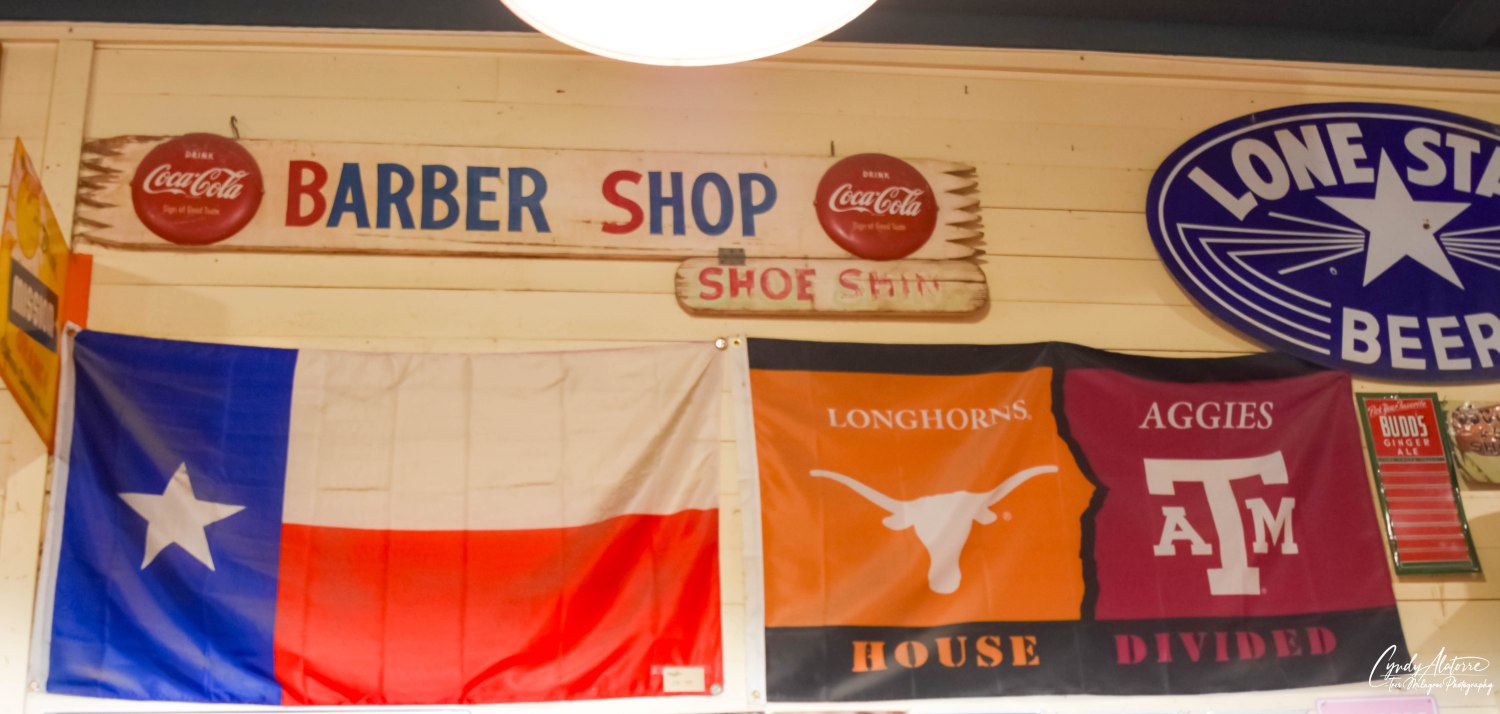
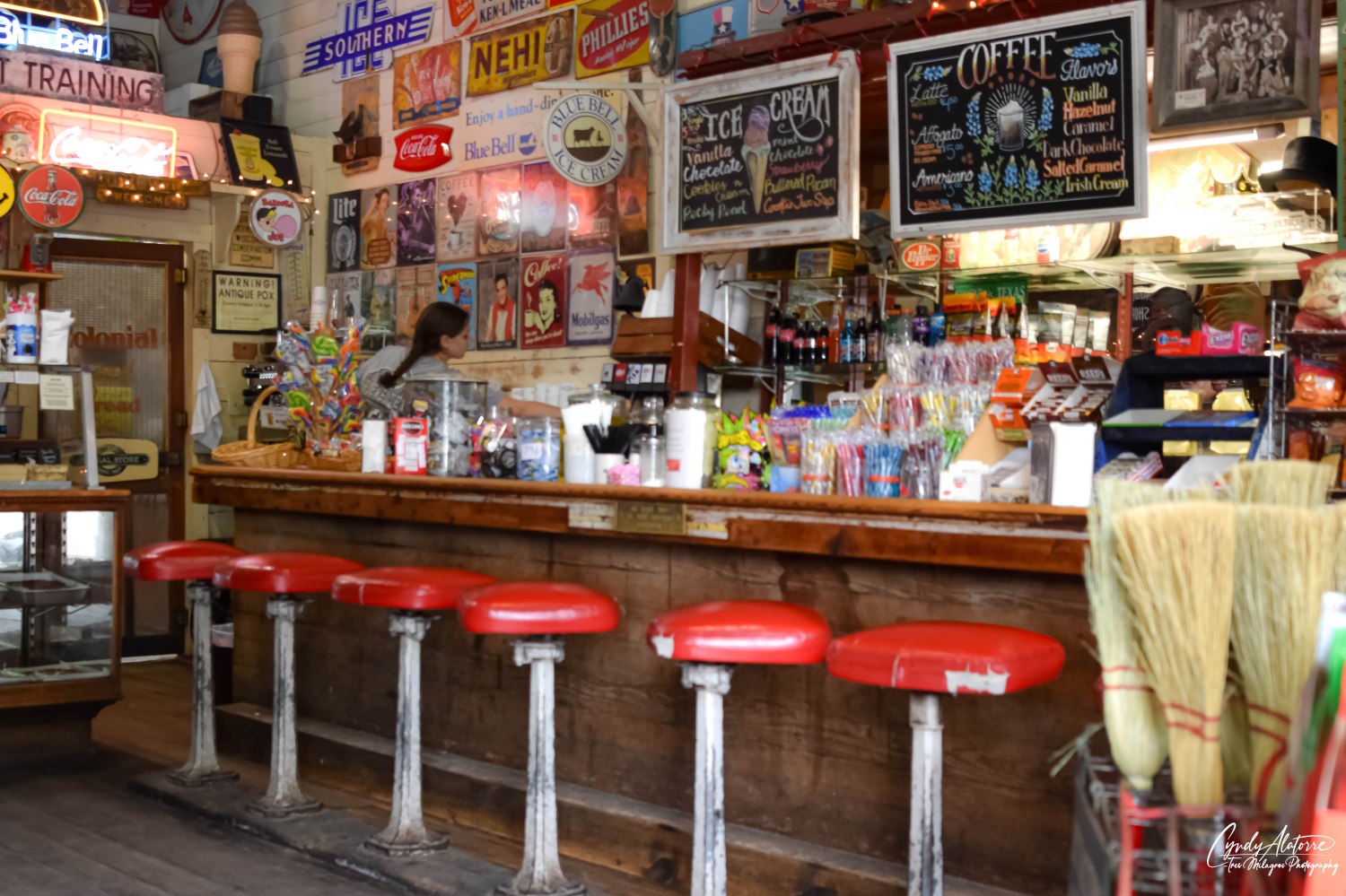
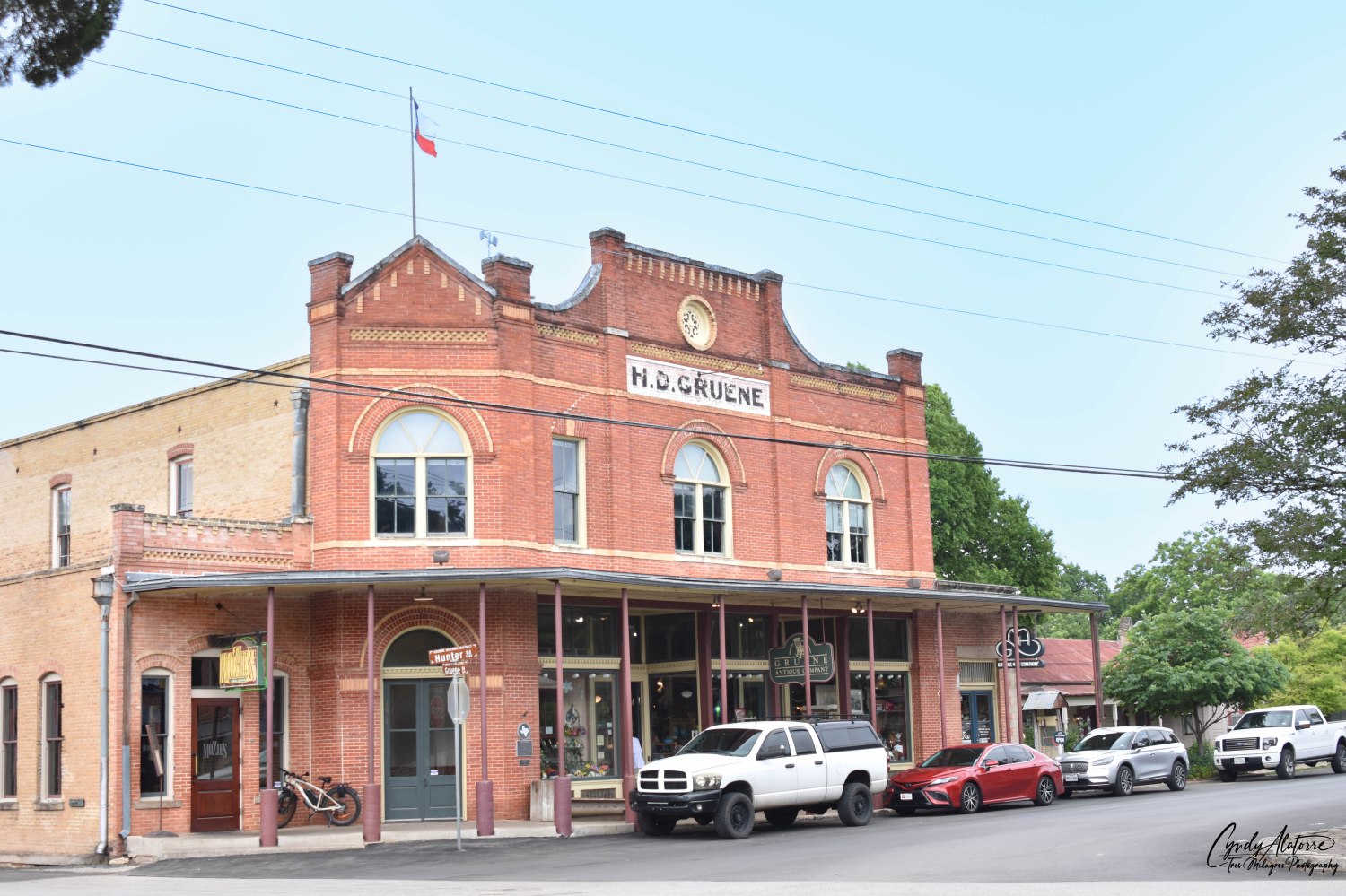
The mercantile located across the street, is tall and proud. Built of red brick, it marks the main street corner in Gruene and has proven to be a mainstay of the town. Built in 1904, it bears the name of H.D. Gruene and still operates as a mercantile. The general store across the street is a mix of store and soda fountain bar. You could almost imagine people sitting on the silver based bar stools with bright red cushioning, now cracked with age, with their sodas or shakes on top of the dark wood counter.  Various types of candy and sweets are generously displayed on the counter and you have to wonder how many conversations have occurred at that counter.

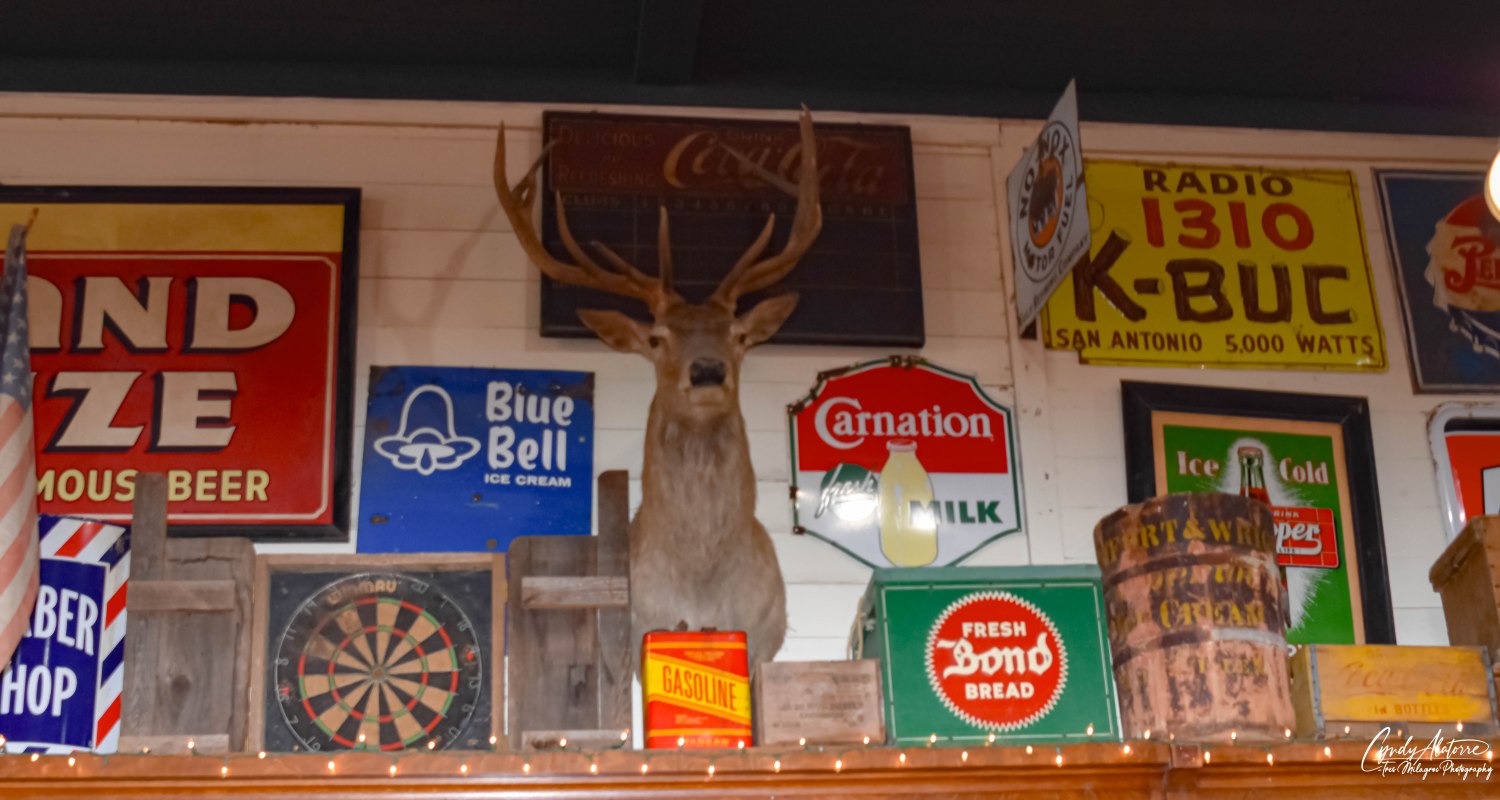
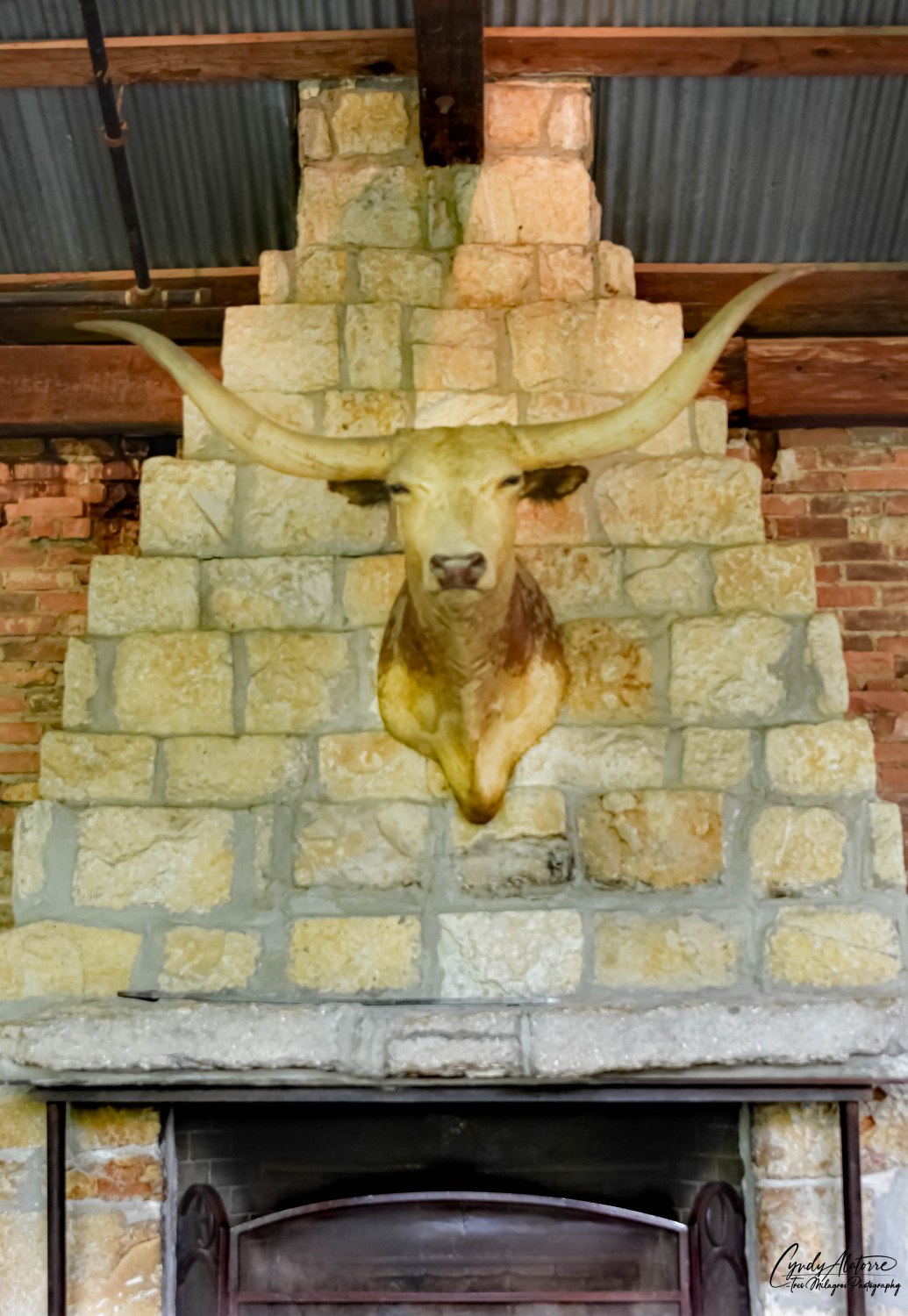
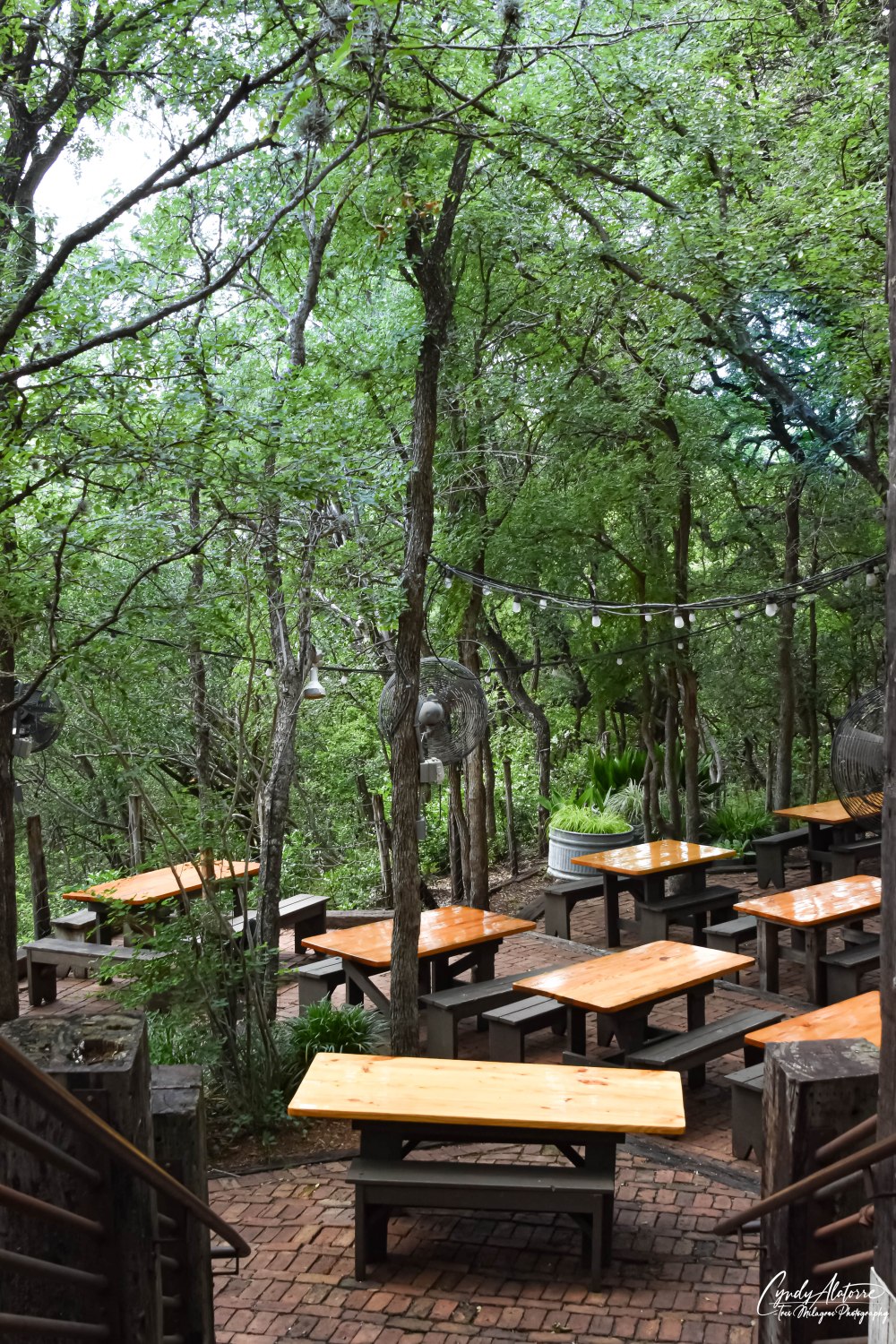
Before we ended our visit, we decided to get some lunch and ended up at the Gristmill restaurant, which use to serve as a former cotton gin. Located next to the Gruene dance hall, the cotton gin had burned down in 1922 and was refurbished into an eatery in the 1970’s. With the Guadalupe River located within a few hundred yards, patrons can eat on the outdoor patios and enjoy the sounds and view or can dine in the open aired rooms that invite the outdoors inside while paying homage to its cotton gin origins. Several rooms within the restaurant have fireplaces and a few of them have some local decor on them, like “Lupe”,  the taxidermy long horned steered head mount (who you’ll see in the photos attached), who kept a watchful eye on us during lunch.  

Gruene did not disappoint and was a nice small county town to visit. So next time you happen to be near San Antonio or New Braunfels, and are going tubing on the Guadalupe river or want to stop by to see the oldest dance hall in Texas and meet some nice folks, consider stopping by Gruene. And don’t forget to go by and visit the Gristmill restaurant and make sure you say “hi” to Lupe for me.

Until next time, we’ll see what comes our way via El Camino Thru My Lens.

Featured

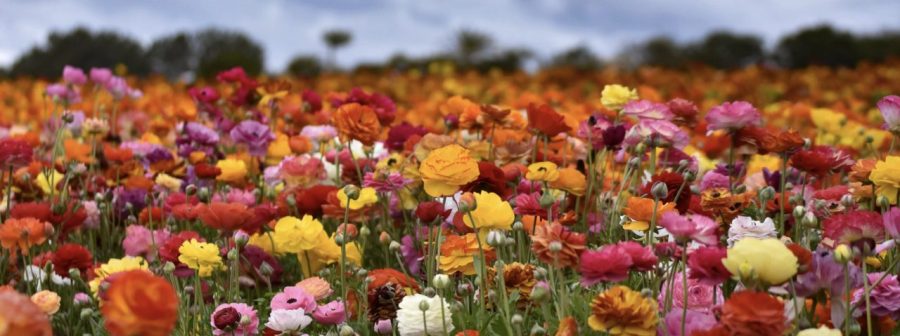
The Flower Fields in Carlsbad, CA

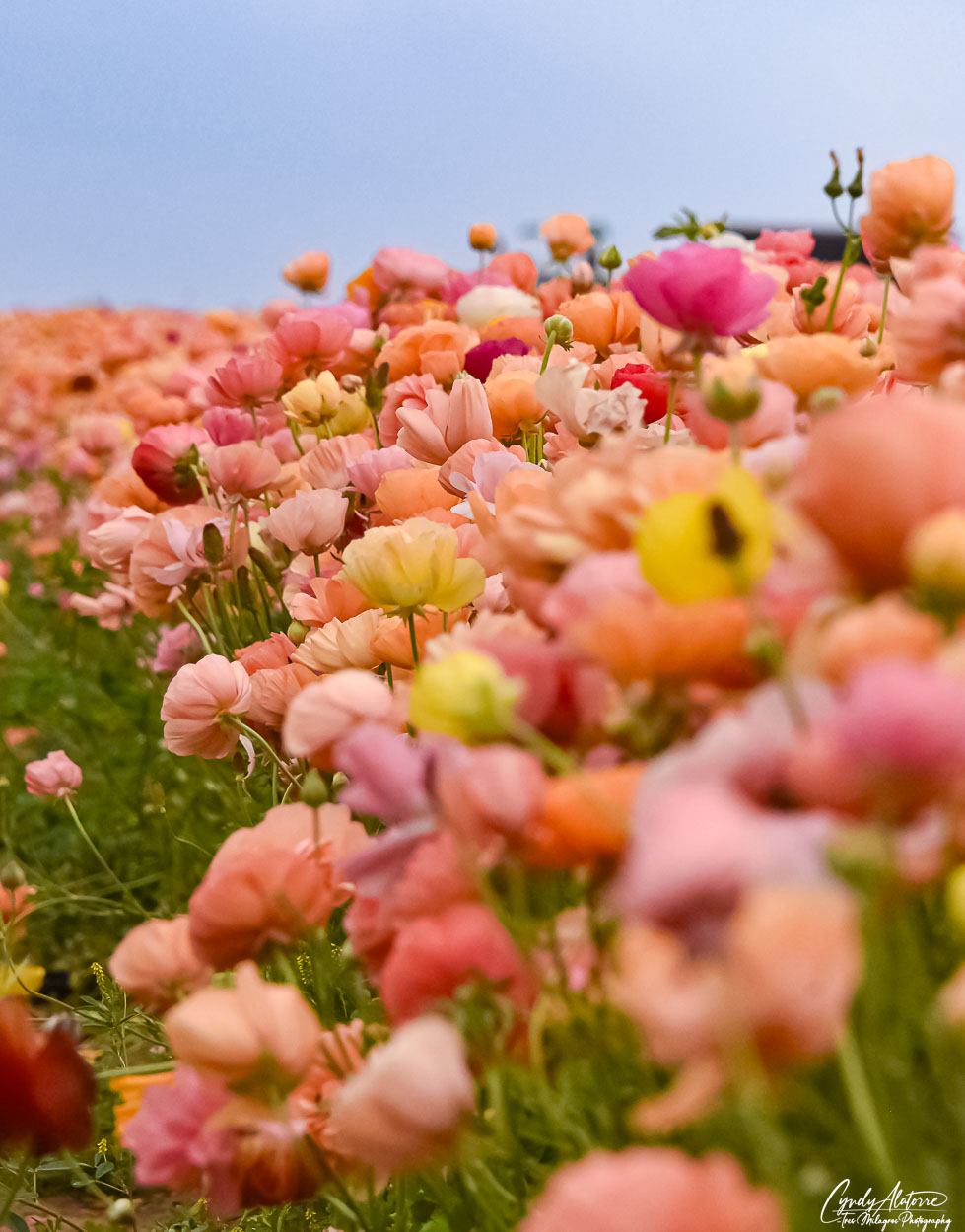
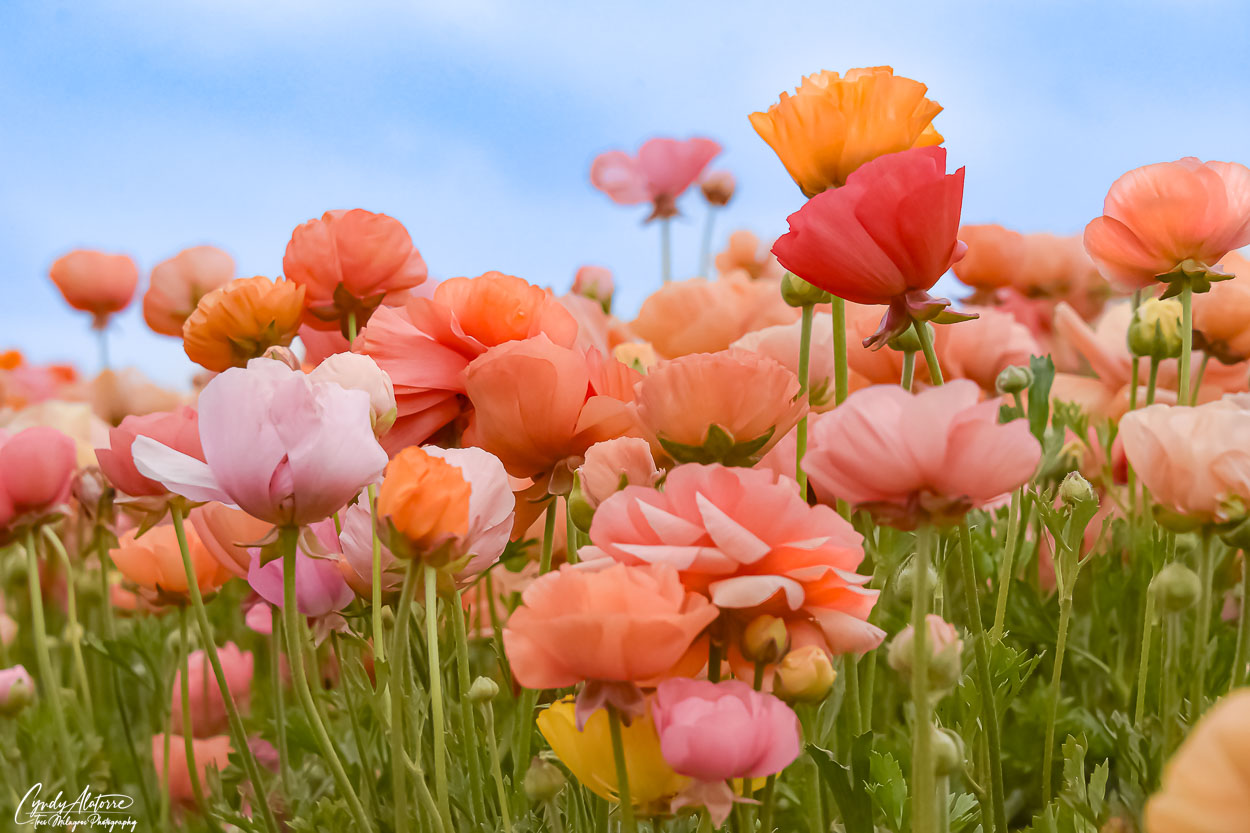
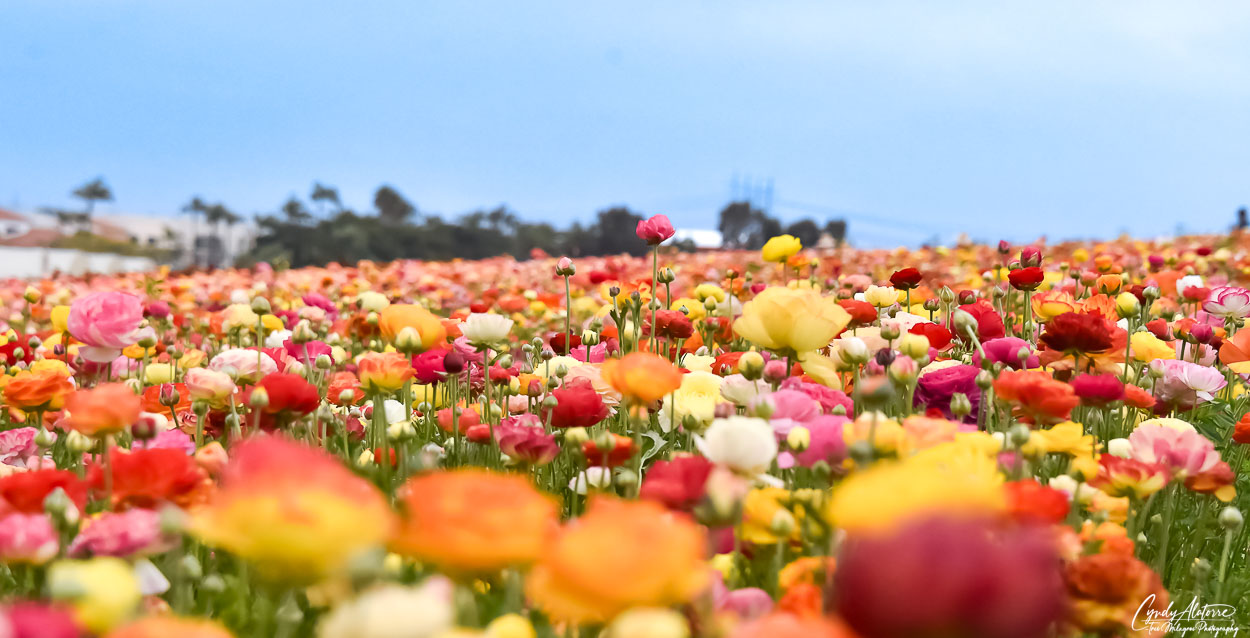
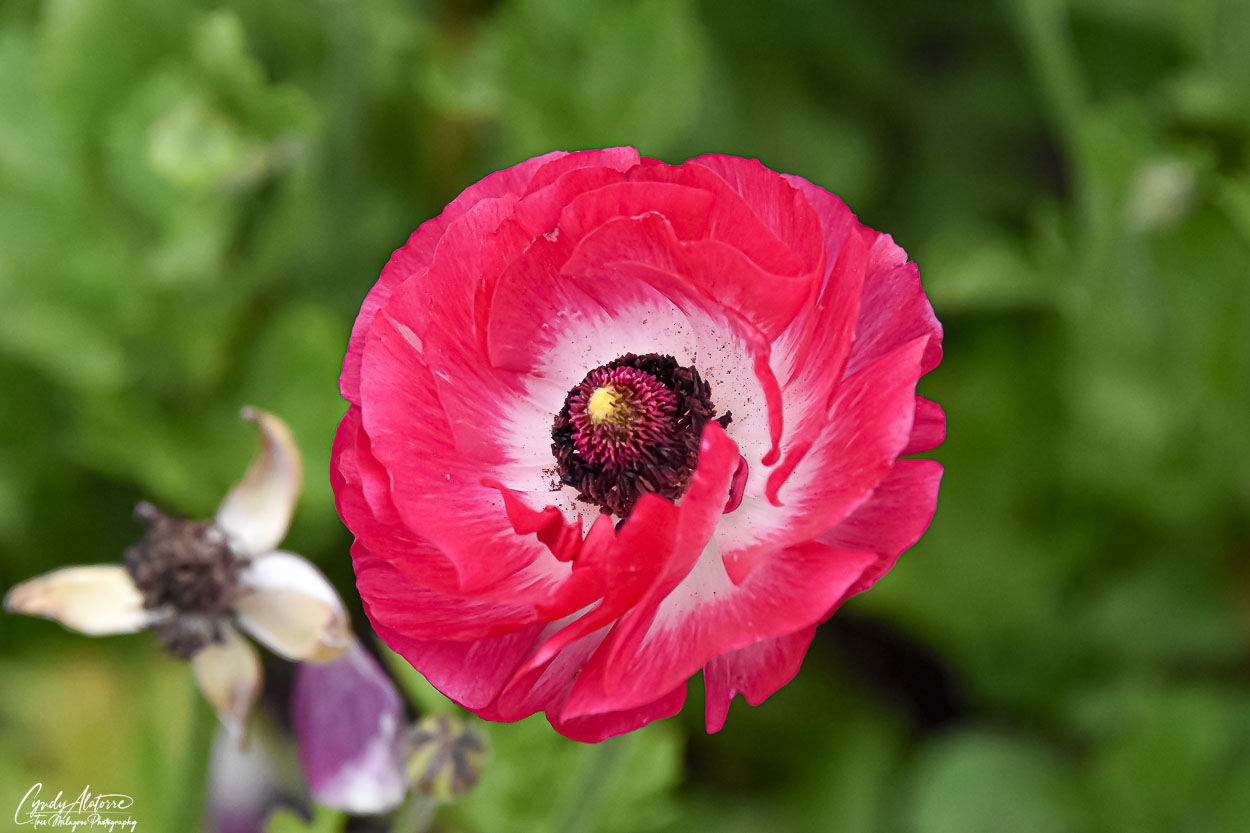
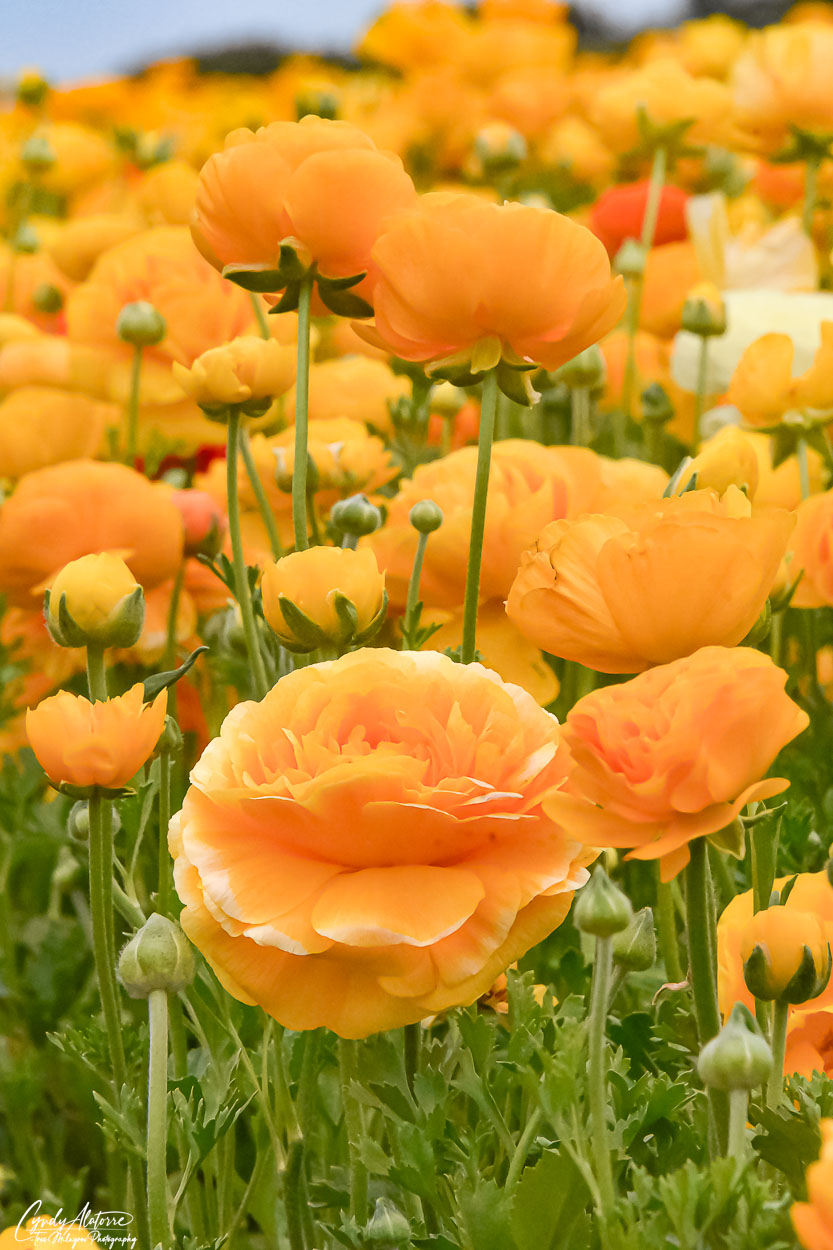
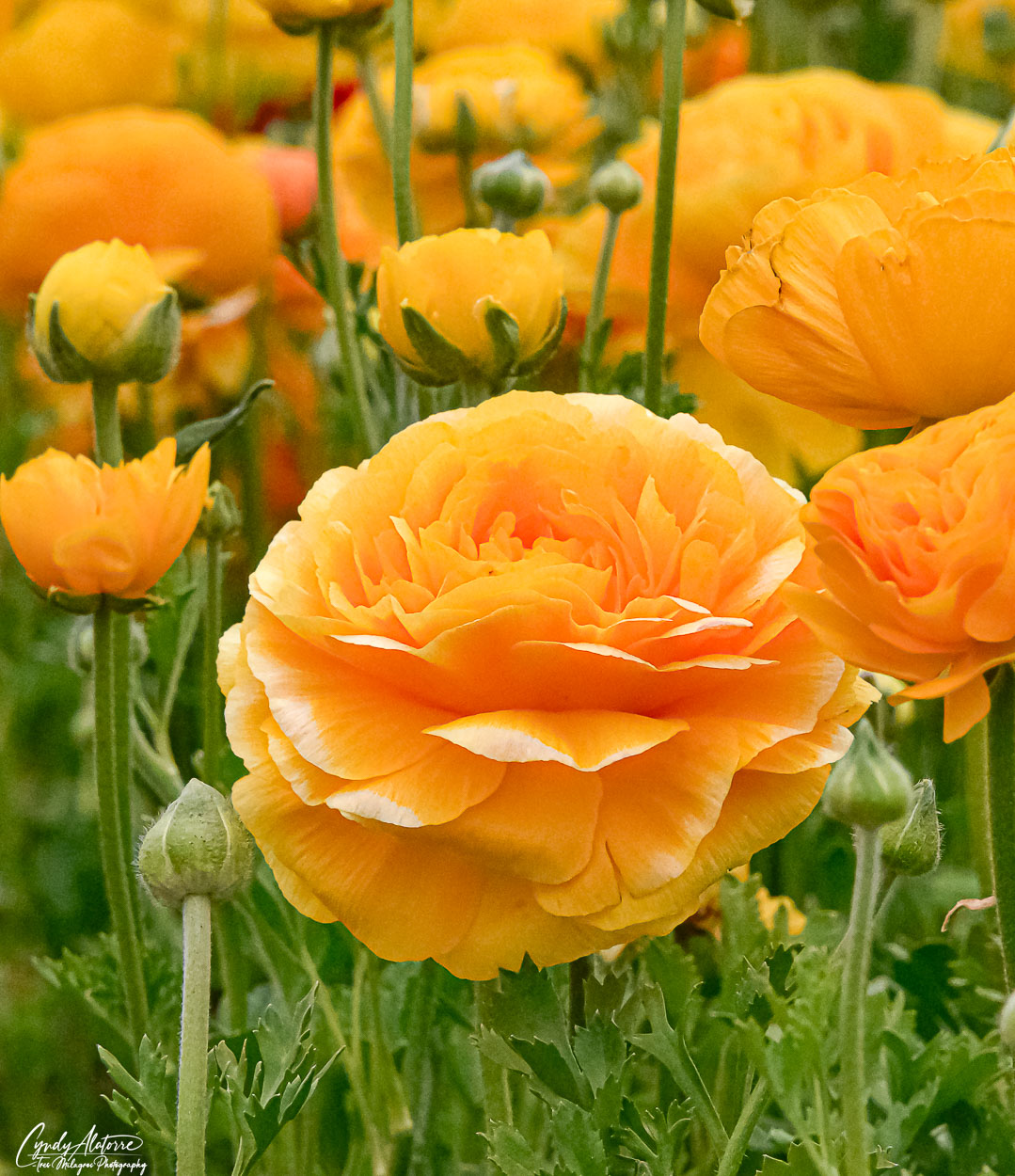
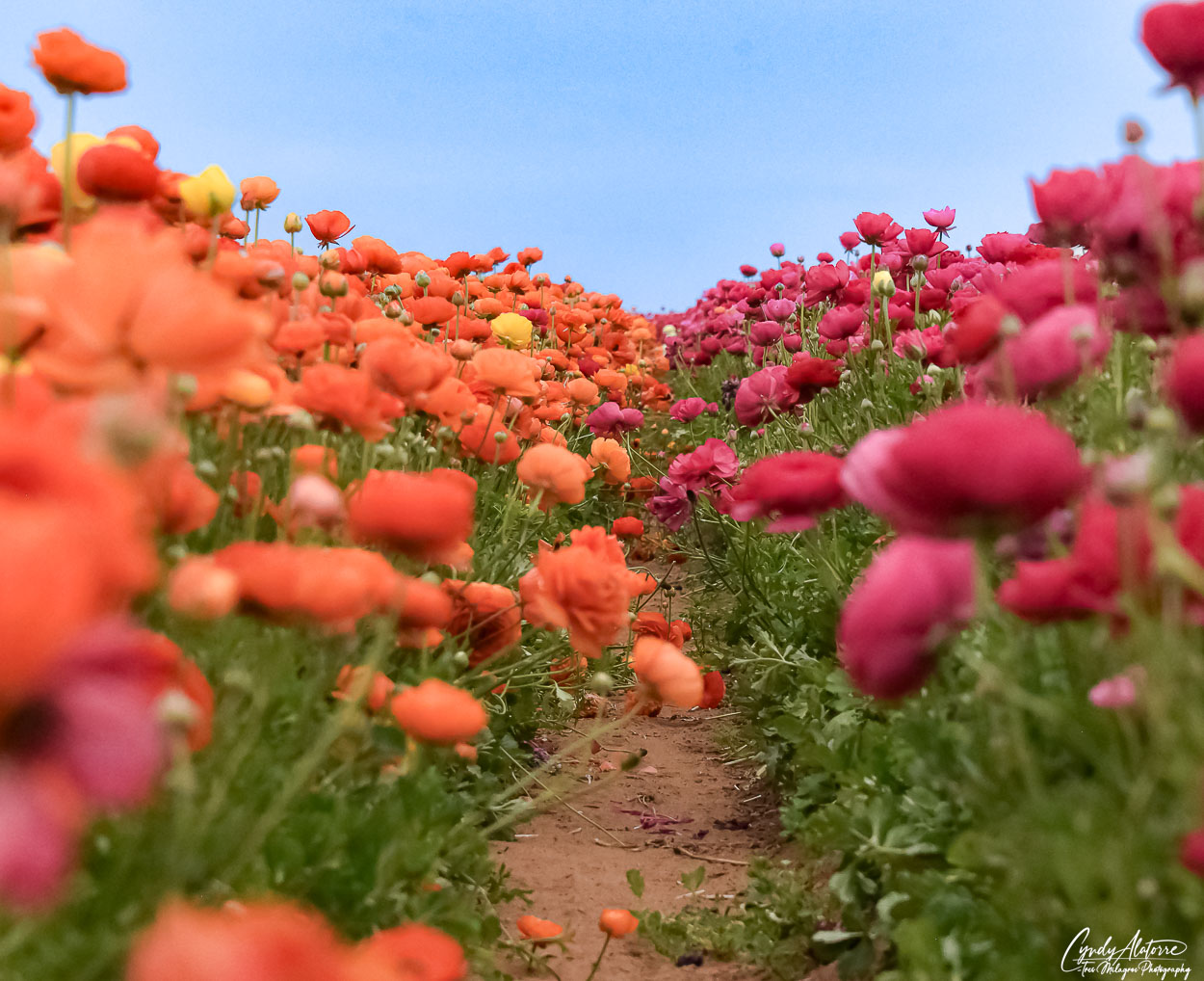
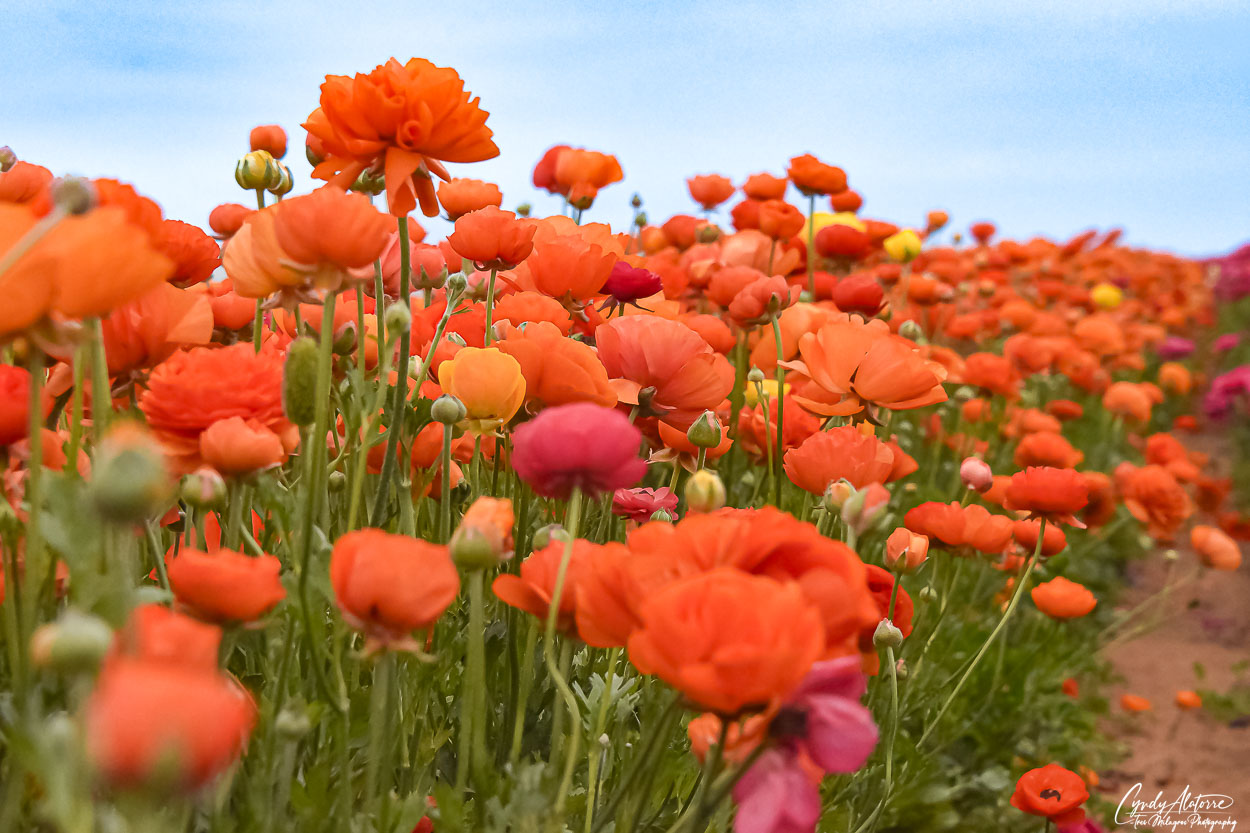
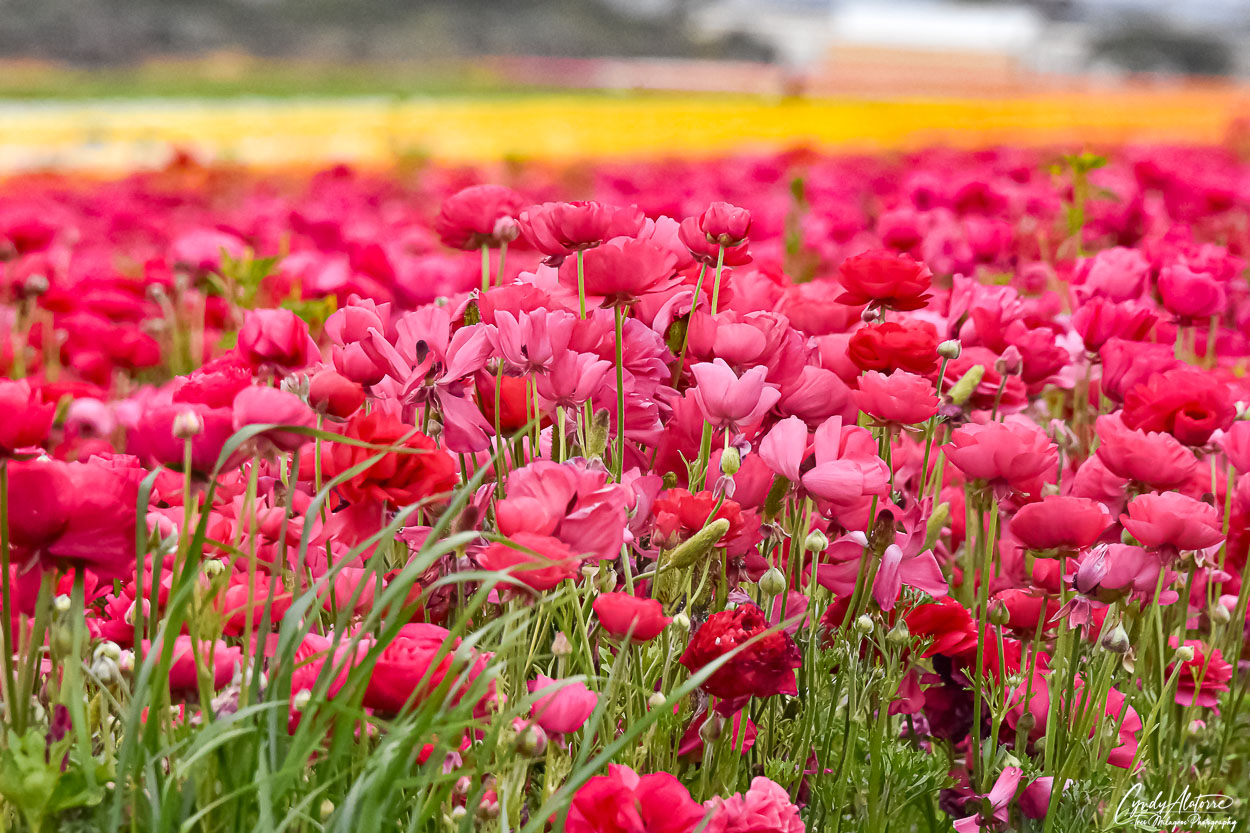
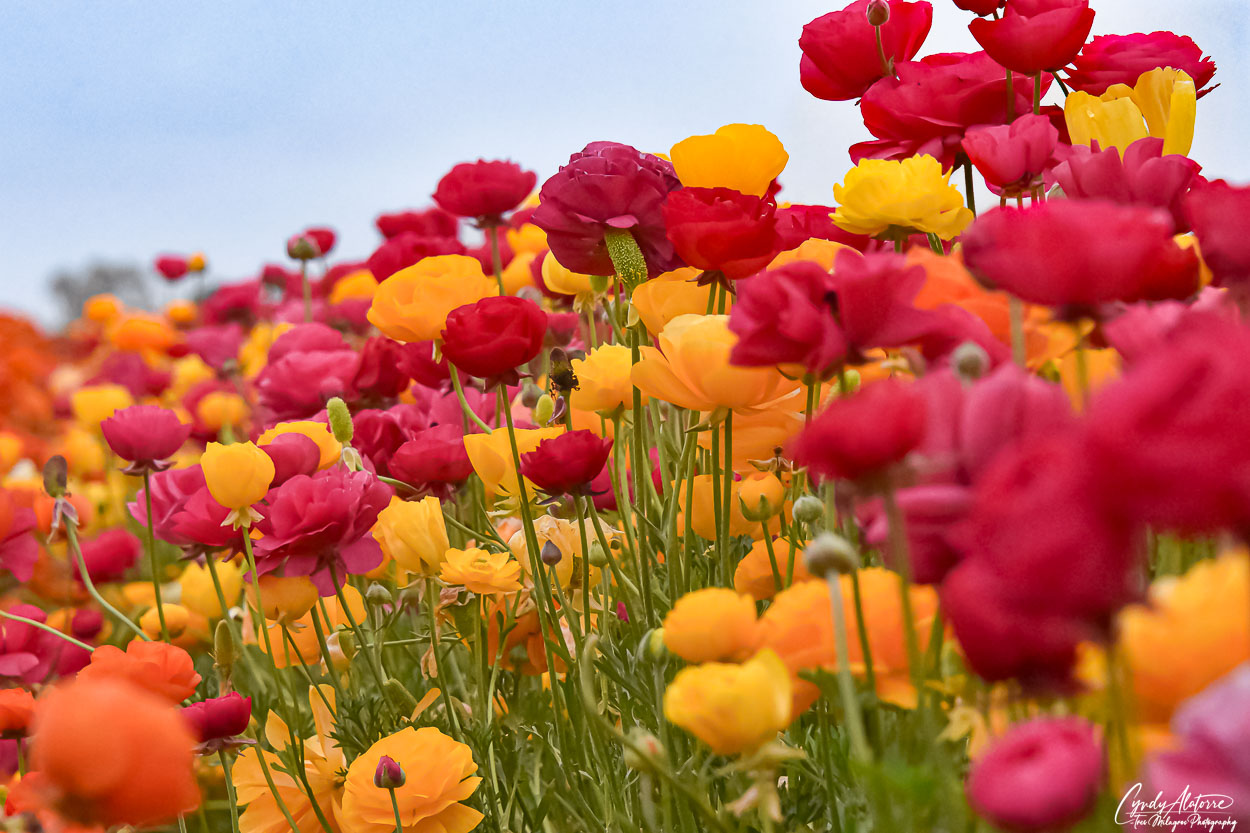
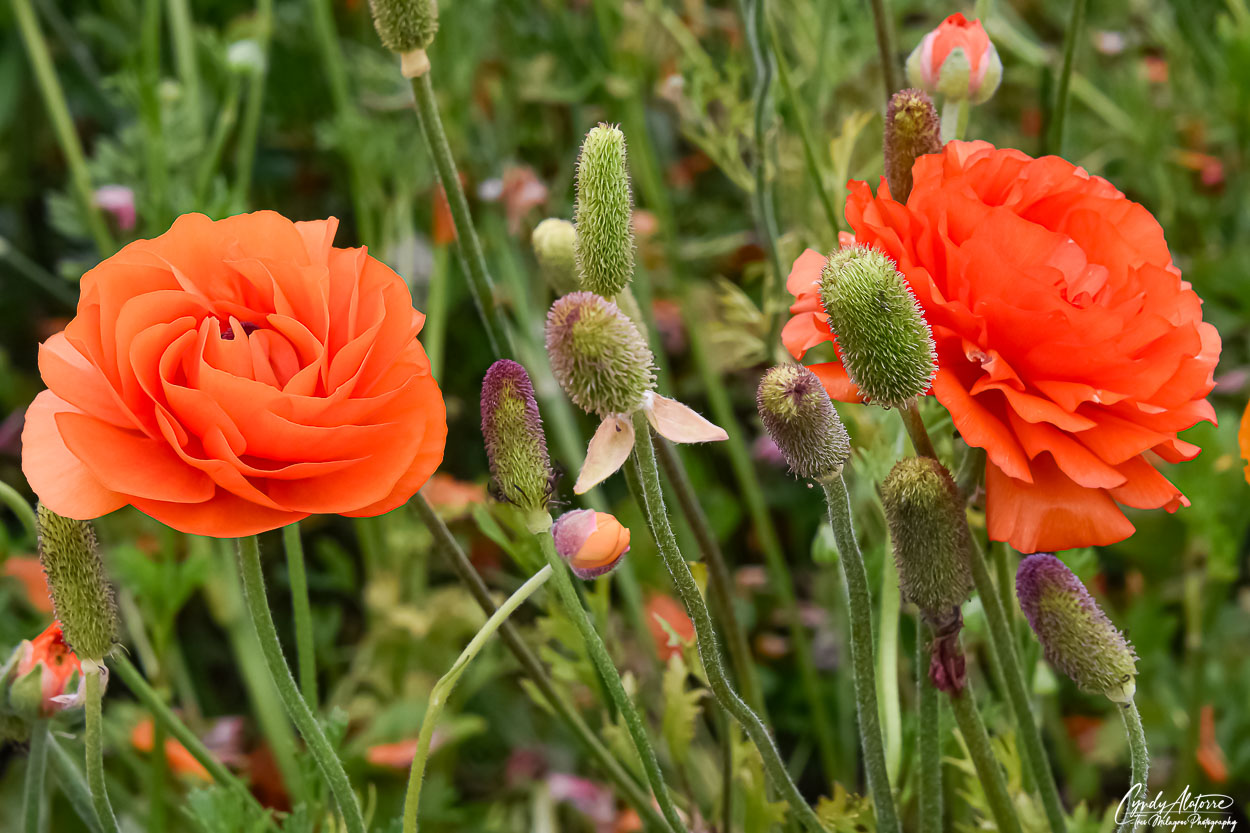
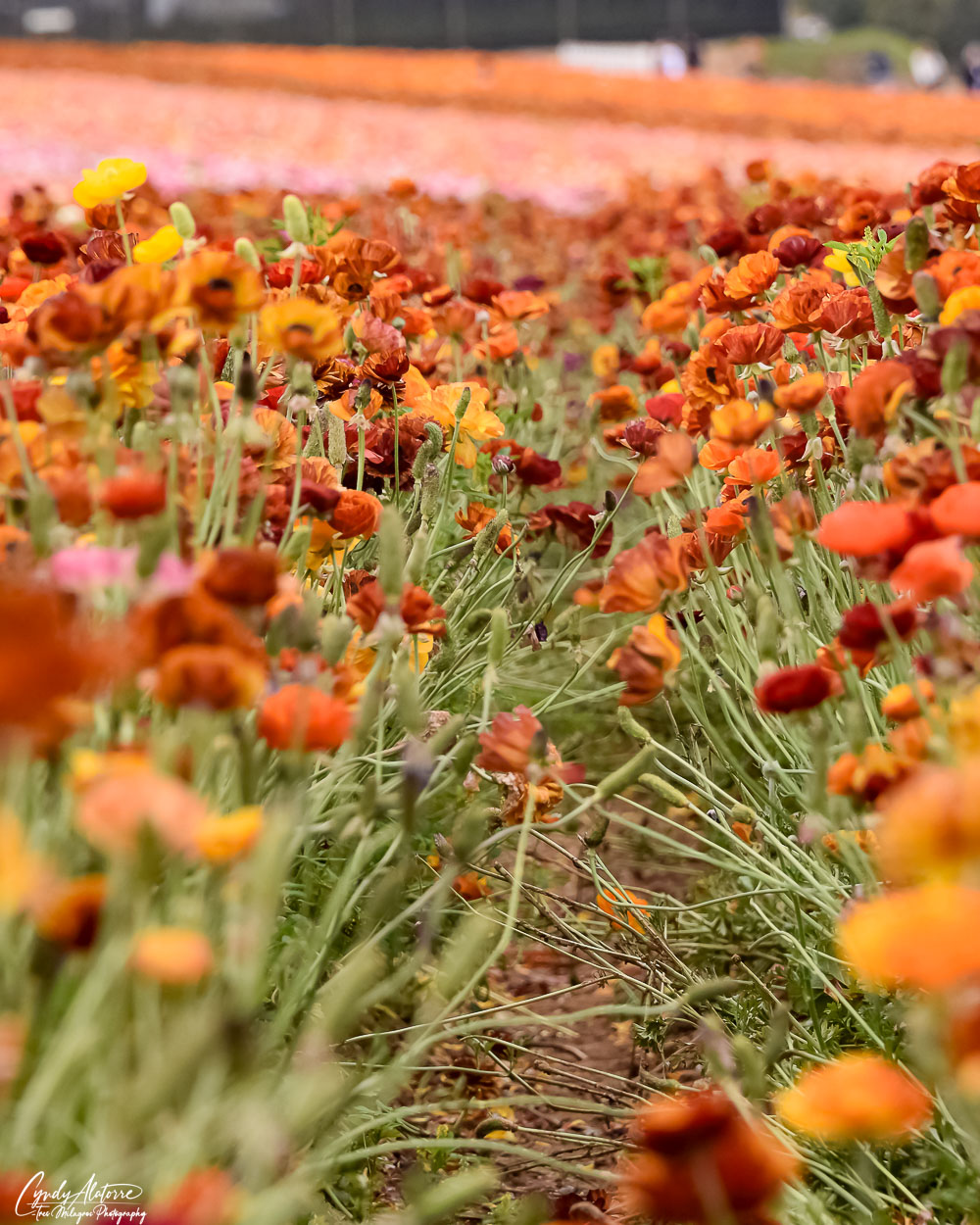
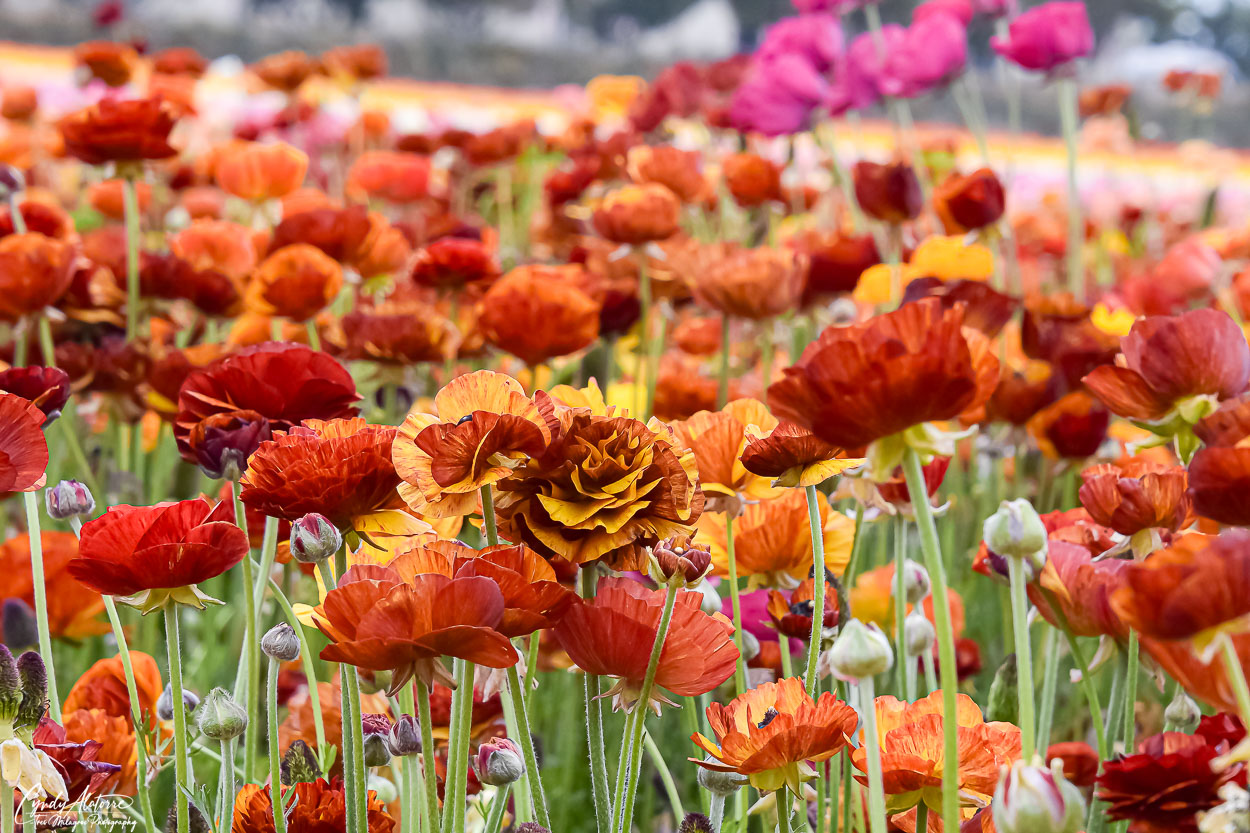
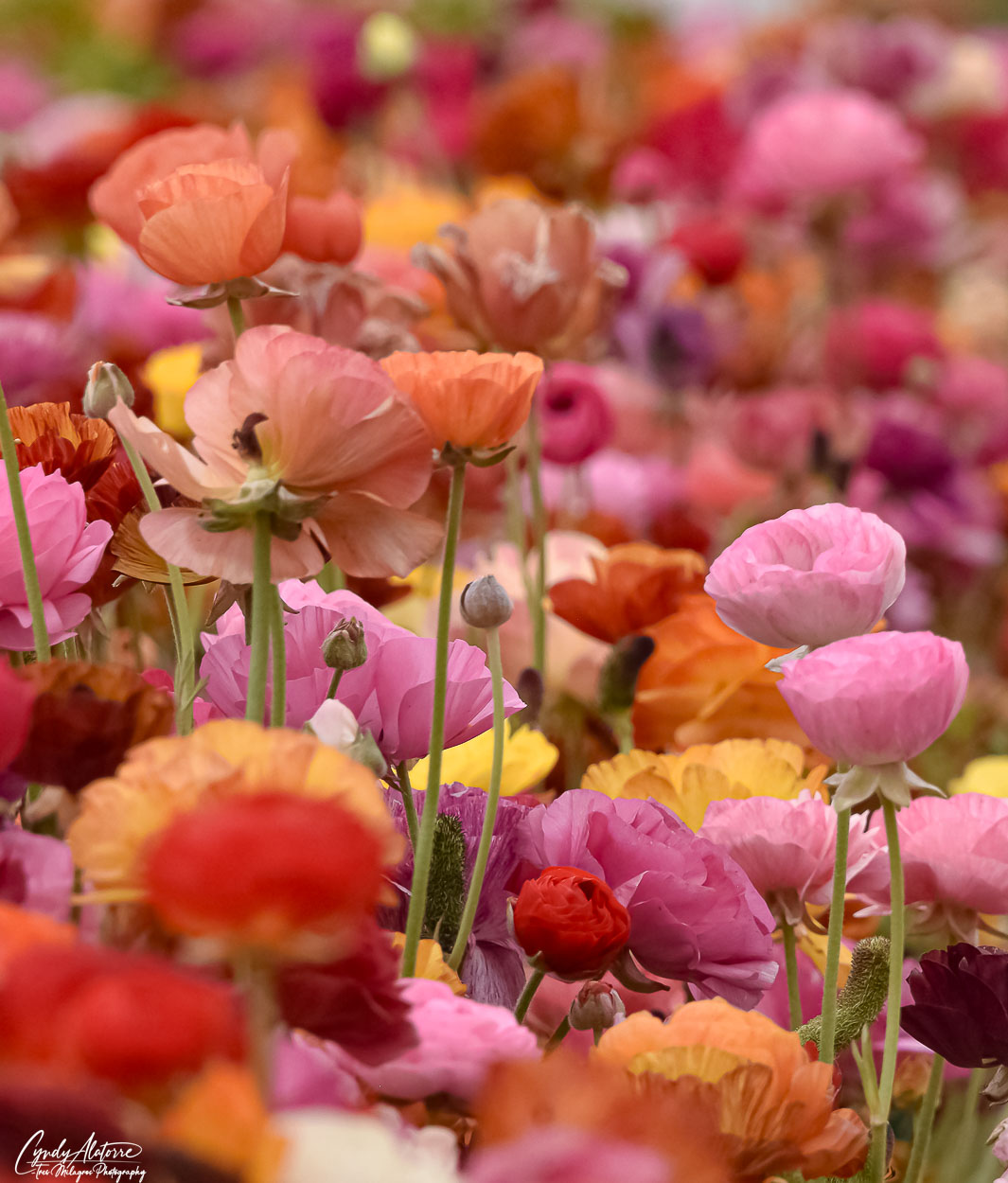
Have you ever thought about what your favorite color is? And why is color so important?  For me I have multiple favorites because as I look at it, why would I limit myself to just one?! A place that I recently visited that radiates color is the Flower Fields in Carlsbad, California. 

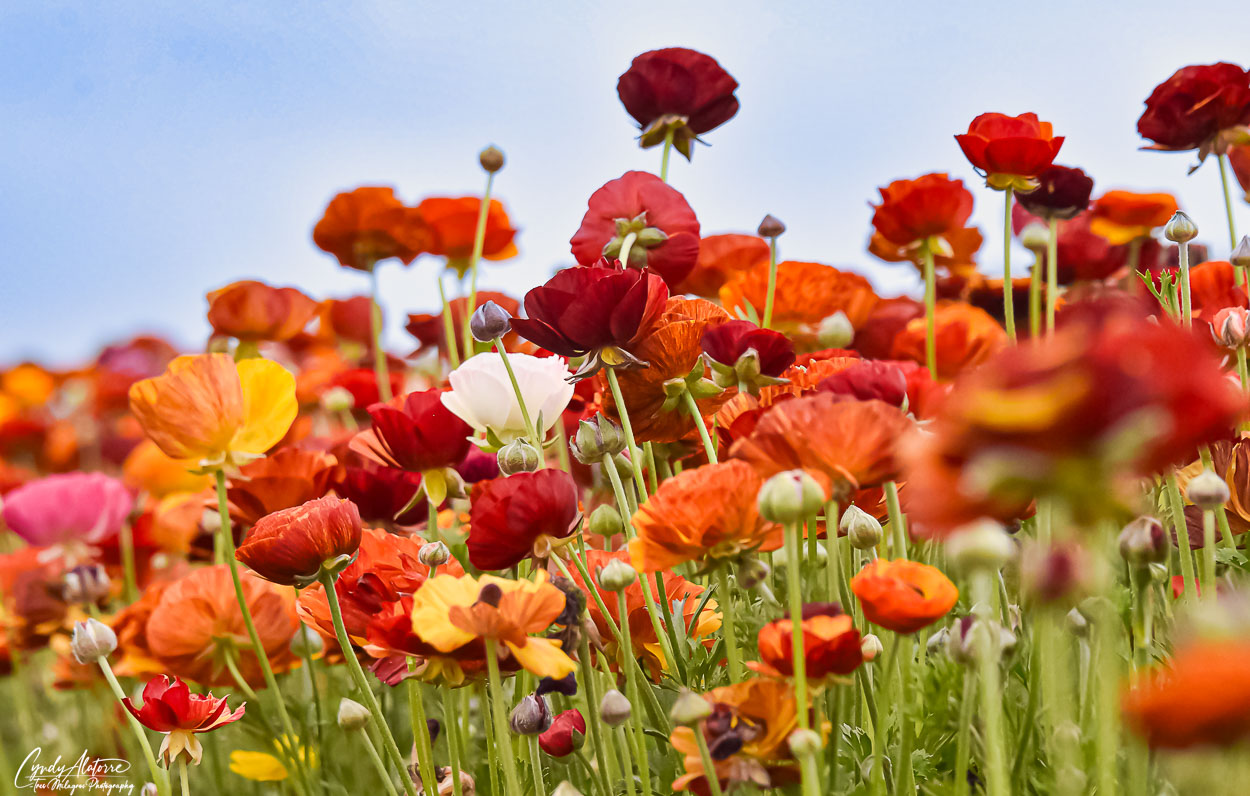
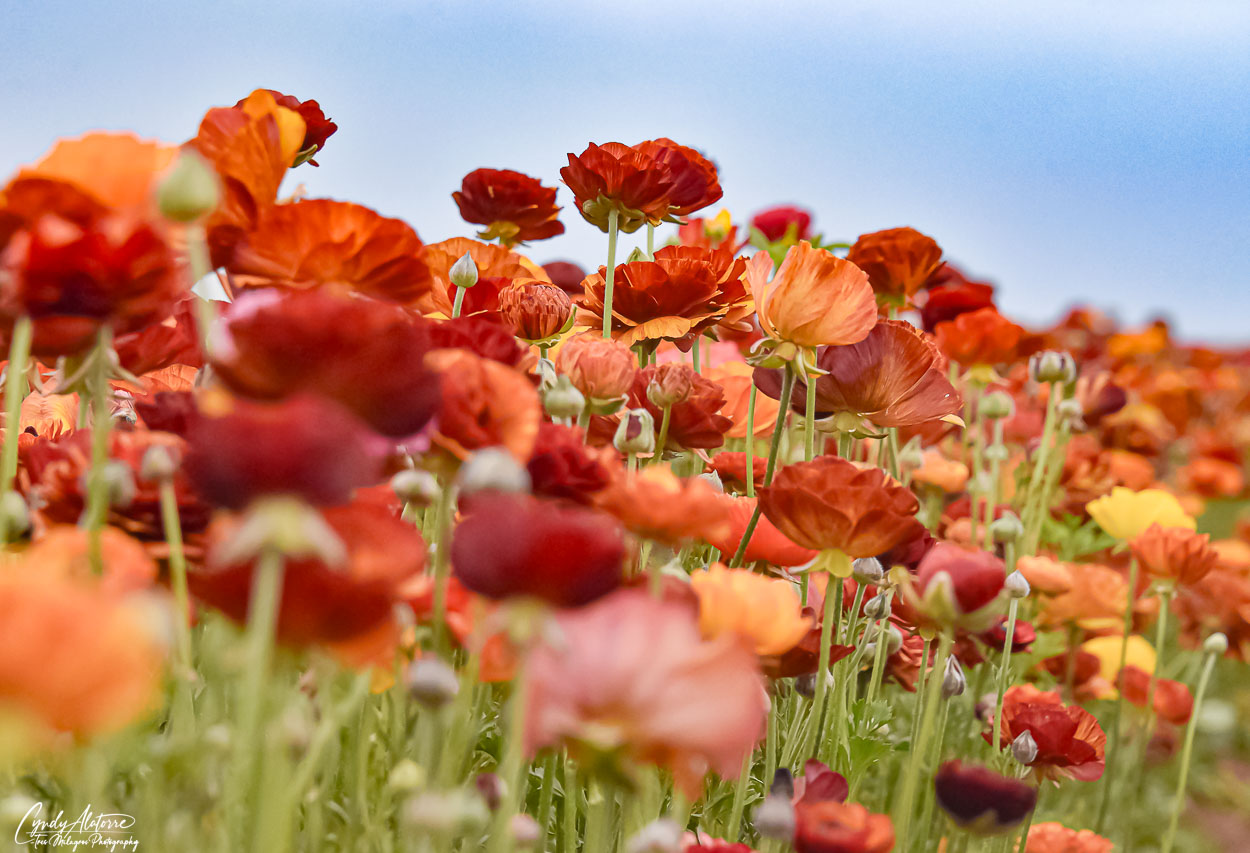
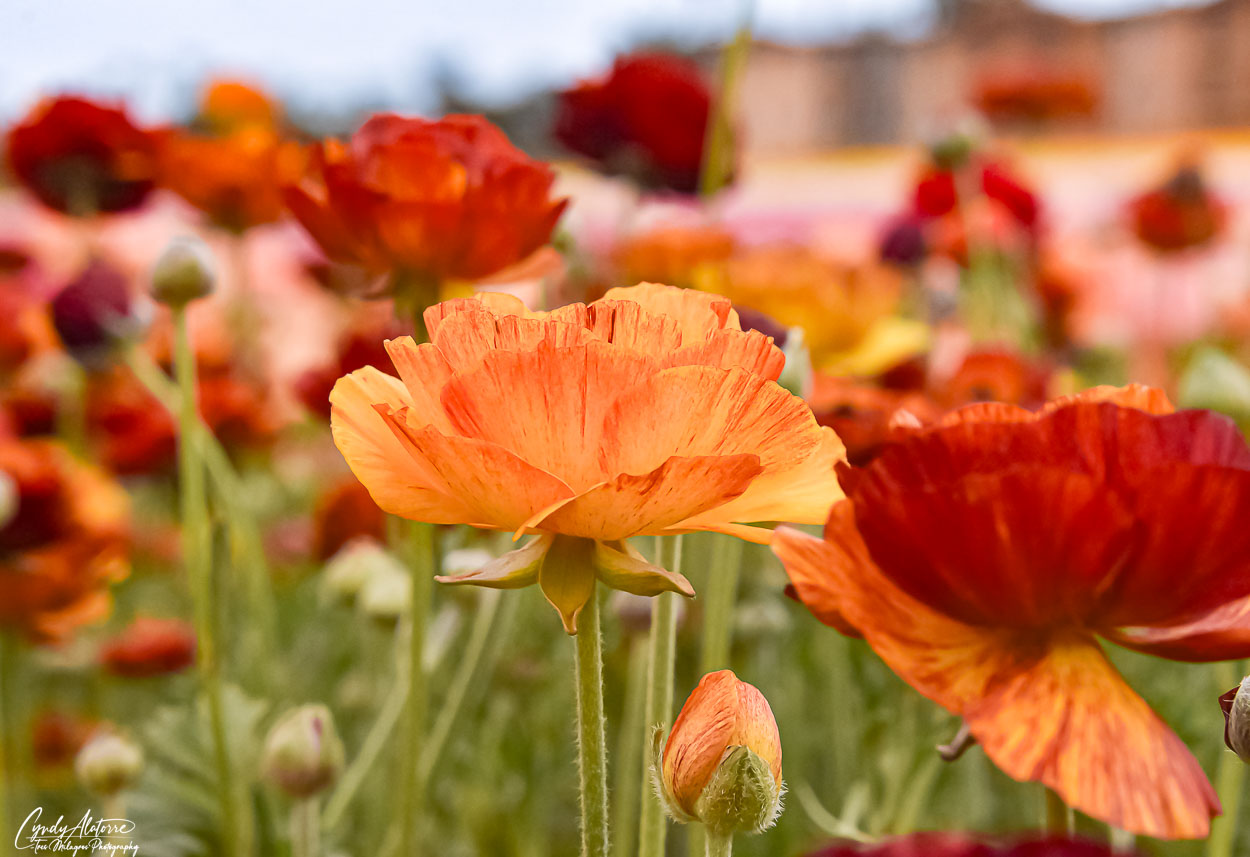
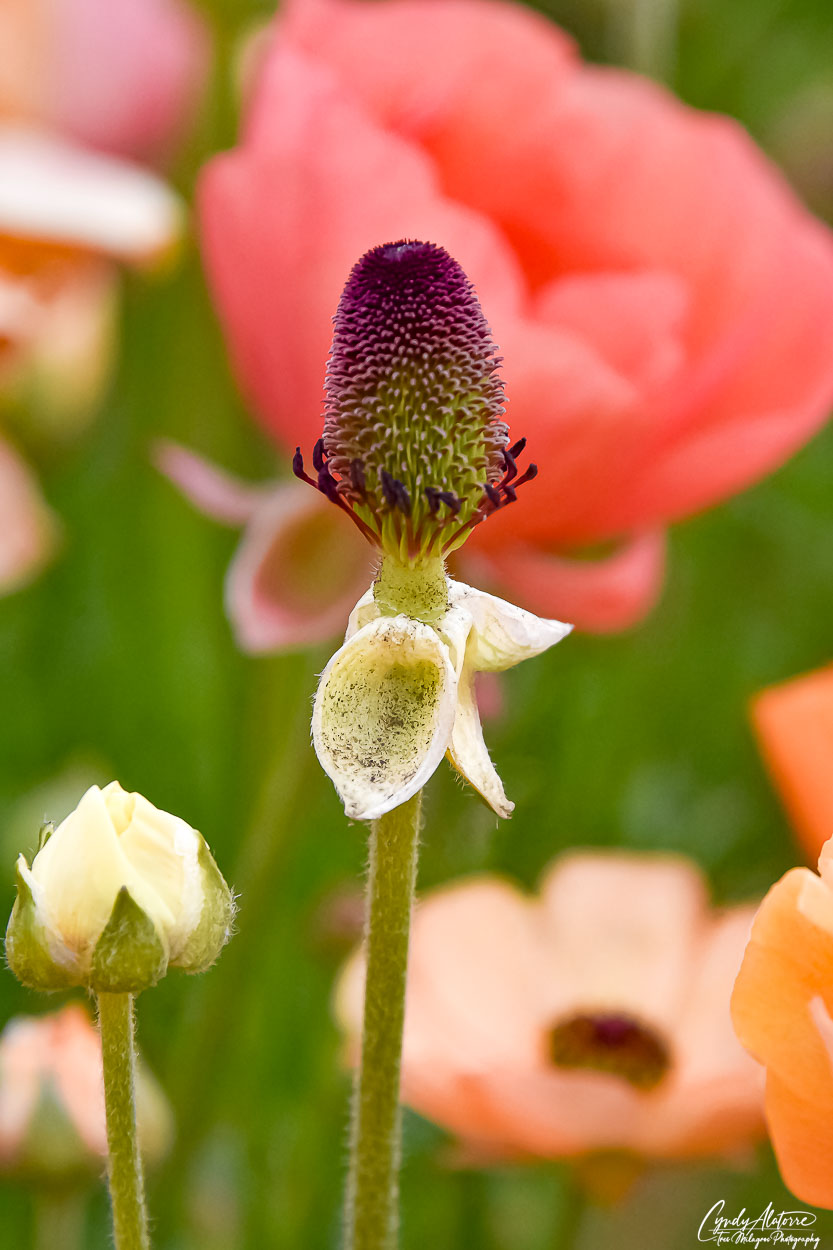
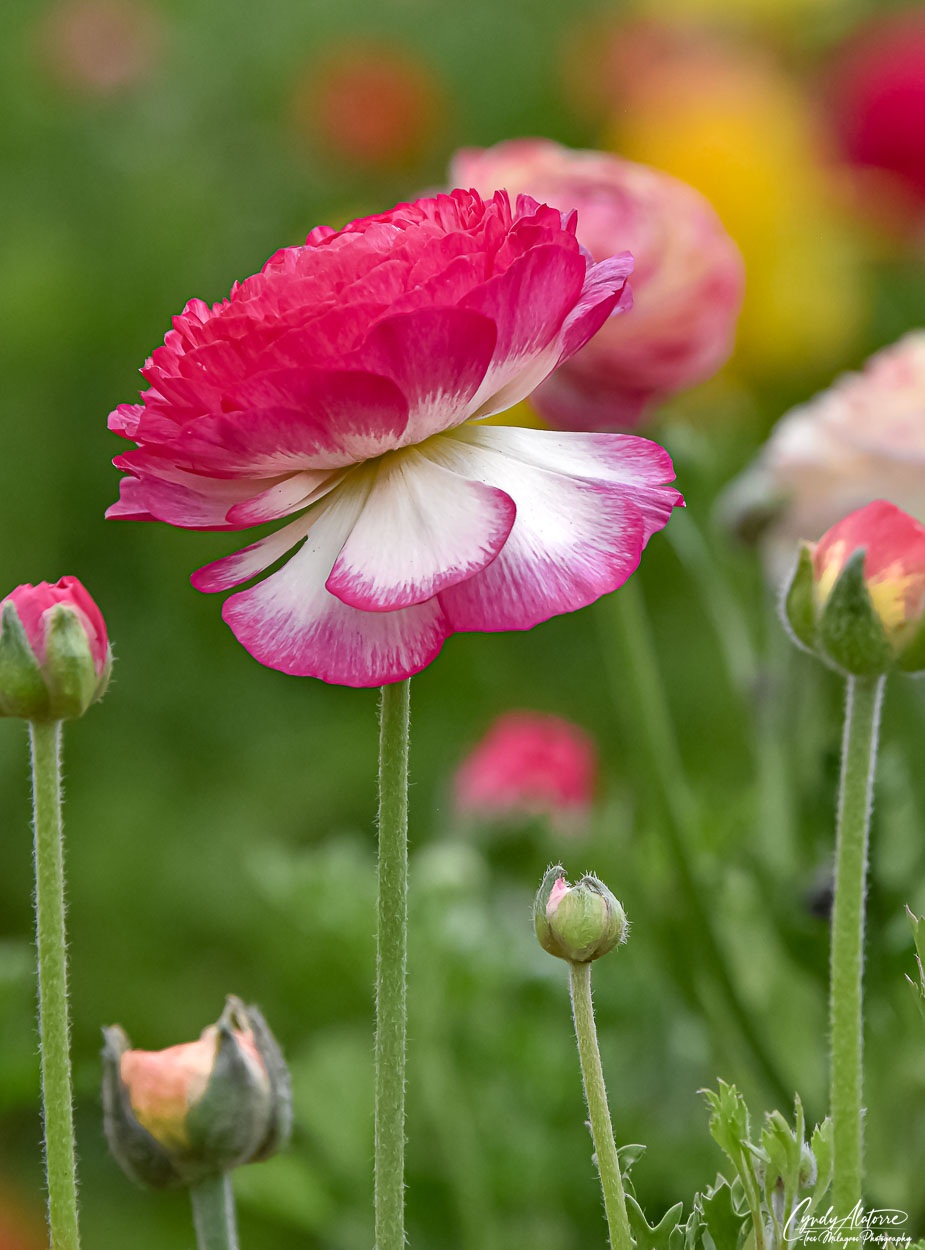
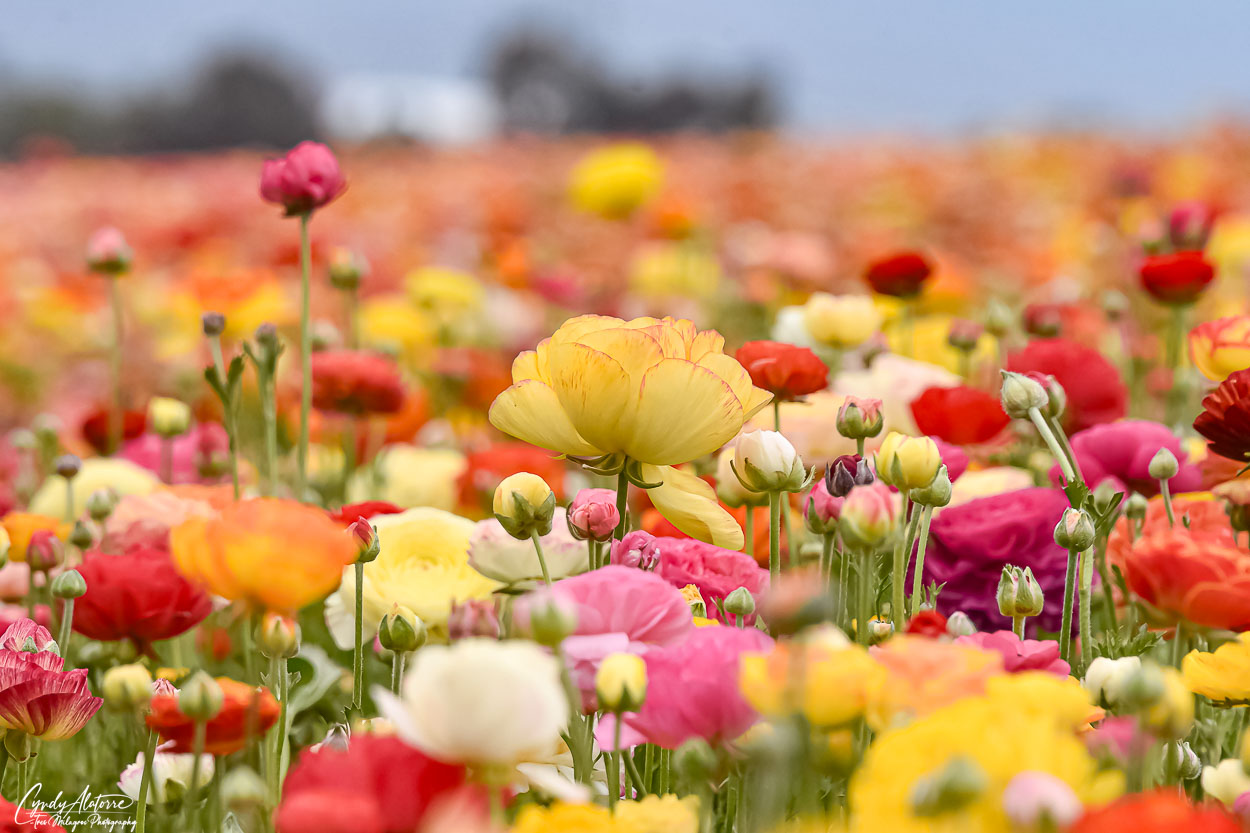
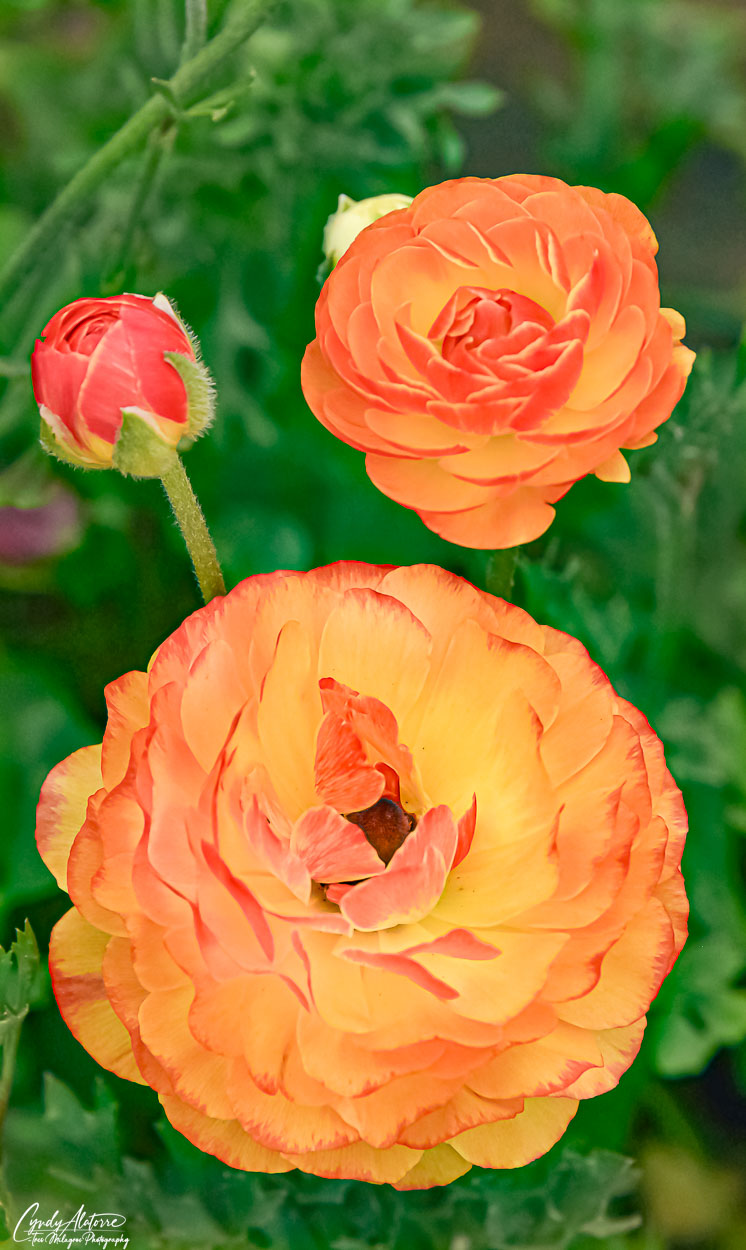
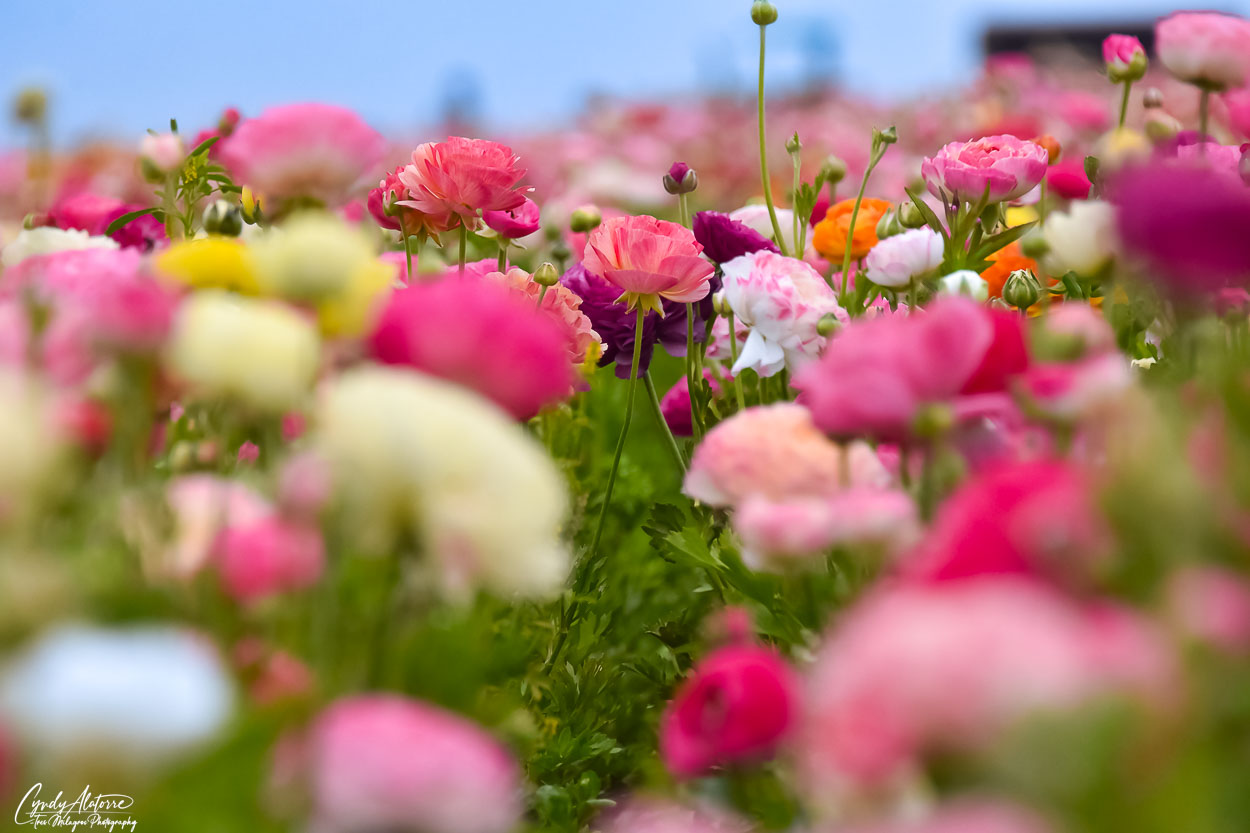
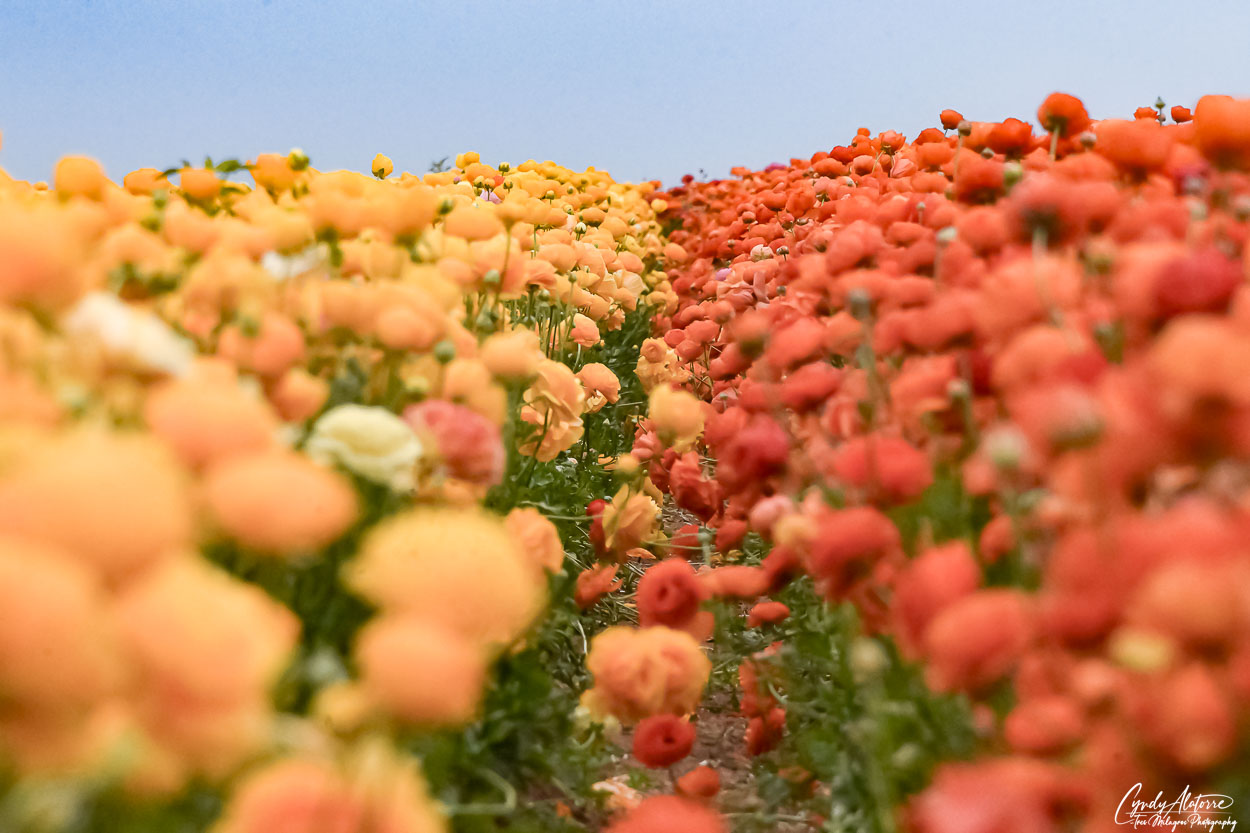
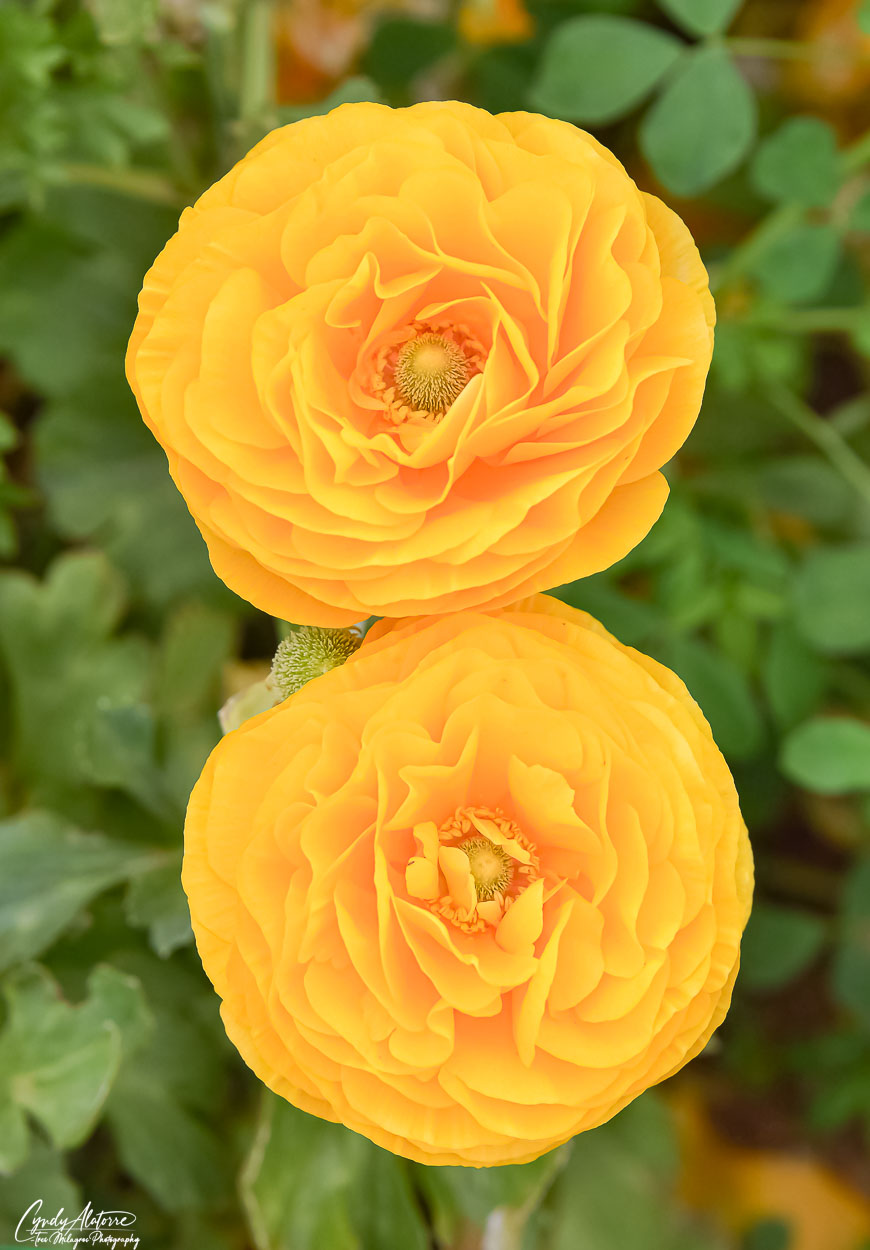
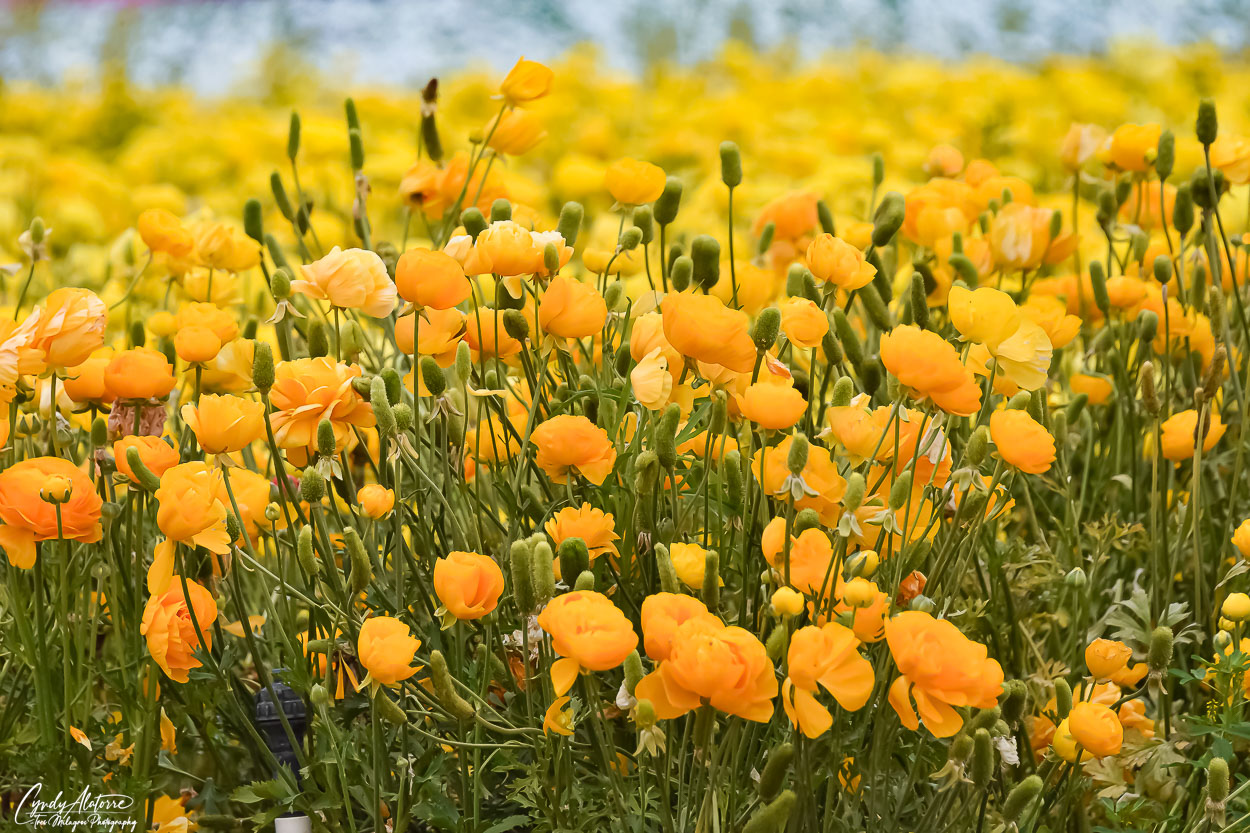
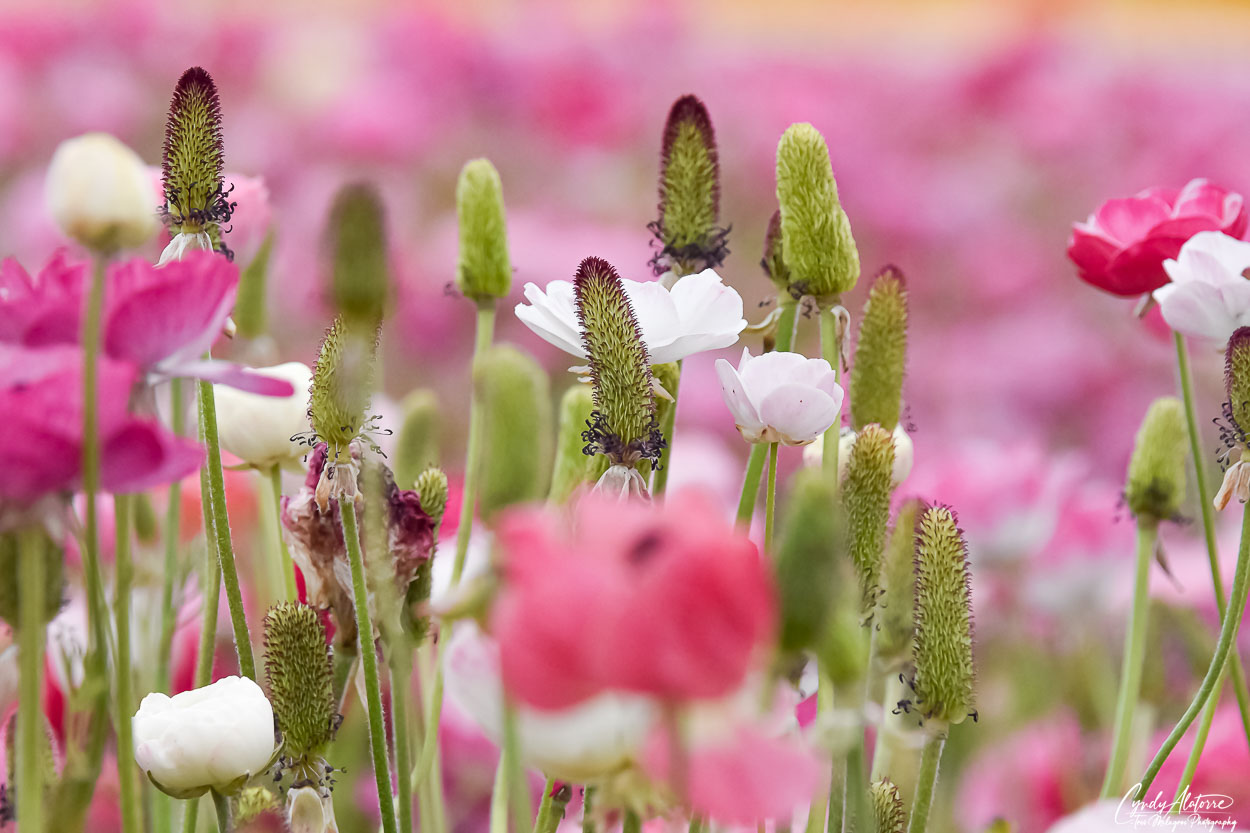
Located between Los Angeles and North San Diego, the Carlsbad Flower Fields are 55 acres of Giant Tecolote Ranunculus flowers that bloom for a short period every year between early March to early May. It is an event that has been occurring for over sixty years and is an important part of the Carlsbad community. Drivers heading North or South on Interstate 5 can see these beautiful fields from the interstate as their colors wave at them when they pass by on their way to their destination.  

A few weeks ago,  I made my annual trip to the fields to get my fill of color and beautiful flowers.  First off, as you walk in toward the fields you are taken aback by a flood of color and content. It’s almost as if your visual senses just drank a Red Bull and you’re hit with the intensity of the amount of color you see.  Once inside you are welcomed to walk on the dirt paths around and among these blooming beauties and it is here that you get the opportunity to get close to admire and “feel” their color.  Fields of reds, yellows, whites, oranges, purples, and pinks along with other solid colors are just the beginning. You will then see fields of mixed patterns of the aforementioned colors blended together and every year I seem to come across a new color variation that Mother Nature concocted herself.  

But visiting the flower fields to photograph these lovely blooms is just one reason for my yearly visit. My ulterior motive is to just soak in all that beautiful color which brings us back to my earlier question of “why is color important?”  Color is intertwined in our daily lives.  It is used to provide structure such as in traffic signals telling us to stop (red), go (green) or to yield (yellow).  Many cultures utilize certain colors and their vibrancy in daily life or special events. It is embraced when celebrating or acknowledging a life milestone such as a wedding or baptism (white) or the death of a love one (black).   Colors have the power to stimulate a thought, action or emotion.

Now you know why I visit the flower fields every year, which is to appreciate and photograph natures beauty and vibrant colors. So whether it’s in Carlsbad, during your daily drive or within your own backyard, you’re invited to take a minute to experience the colors around you. And should you ever find yourself driving down Interstate 5, feel free to “stop and smell the roses”, or in this case the Giant Tecolote Ranunculus blooms at the flower fields in Carlsbad.

Until next time, we’ll sees what comes our way via El Camino Thur My lens.

Featured

Welcome/Bienvenidos!

Do you remember the first photograph you took or that was taken of you? How about a photograph that left a lasting impression? Photographs have had an impact on me since I can remember, and since 2013 this interest has evolved into a growing passion for photography. Through the lens of my camera, I record moments, capture stories, people, events and landscapes in a single frame. Each click is an opportunity to record history for the present moment to enjoy and future to get a glimpse of the past. 

Whether I’m shooting live action sports, capturing scenery or documenting a moment in time, the ability to record that specific event is powerful. It can invoke feelings or memories and perhaps move the viewer to see something in a different perspective or appreciate the composition of a photograph. 

Photography is a medium that allows me to document my story visually. Writing allows me to express my perspective. Merging these two mediums weaves both narratives together and invites readers to come along with me and experience something they may have not seen before. It serves as an outlet for my creativity and a means for communicating my story.

Thanks for visiting my blog. I look forward to your comments and hope you enjoy it as we travel together and see “El Camino Thru My Lens.”